Georgia, cradled in the Caucasus, is not just a country; it's a living testament to the enduring legacy of wine. Here, amidst breathtaking landscapes and ancient traditions, winemaking is not merely an industry but a profound cultural identity.
For millennia, the art of crafting wine has been interwoven with the very fabric of Georgian society, its history etched in every vineyard and celebrated in every feast. Now, a renaissance is underway, blending time-honored techniques with modern innovation to elevate Georgian wines onto the world stage.

Georgia: Cradle of Wine, Culture of Qvevri
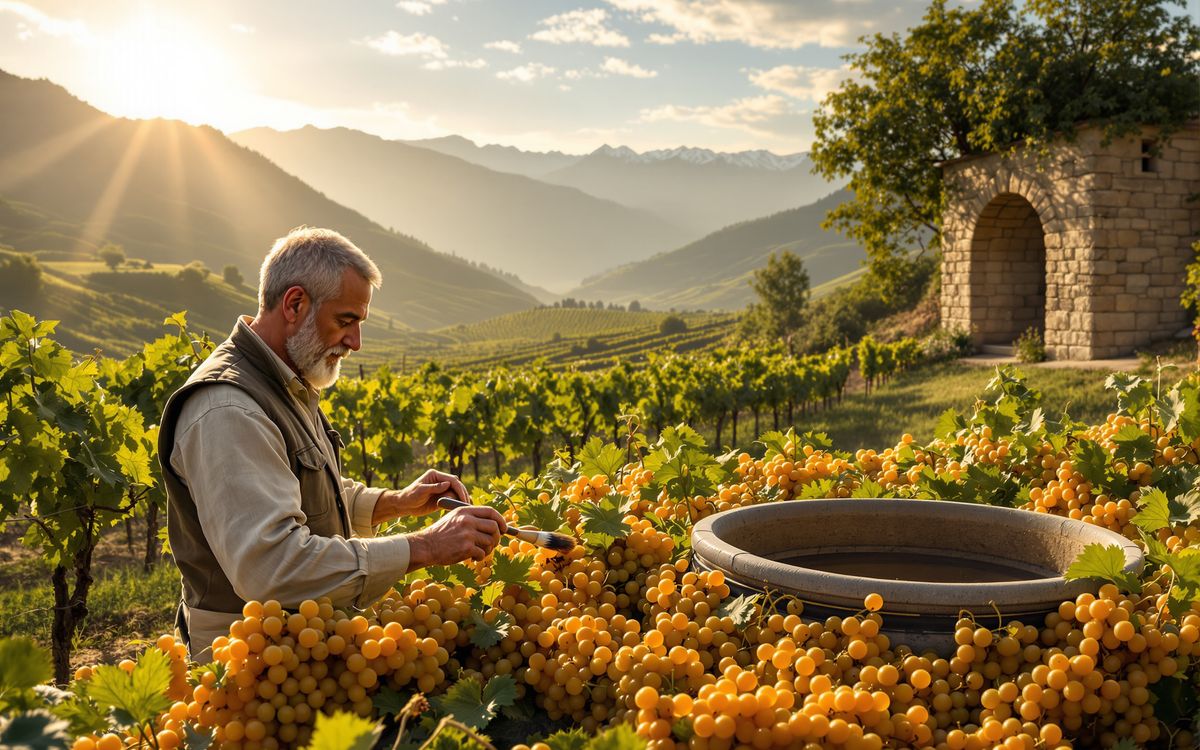
Imagine stepping back 8,000 years, to a time when the first grapevines were cultivated in the fertile valleys of the South Caucasus. Archaeological discoveries confirm that Georgia is, without a doubt, the birthplace of wine, a heritage cherished and protected through countless generations. Wine is more than just a beverage here; it's a symbol of national pride, deeply embedded in the country's traditions, folklore, and spiritual practices.
Central to this ancient tradition is the qvevri, a large, egg-shaped earthenware vessel used for fermentation, aging, and storage. This unique method of winemaking, recognized by UNESCO as an Intangible Cultural Heritage, involves burying the qvevri underground, allowing the earth's natural temperature to regulate the fermentation process. The qvevri is not just a vessel; it's a sacred space where grapes transform into wine, guided by the wisdom of ancestors.
The marani, or wine cellar, holds a special place in Georgian family life. More than just a storage space, it is a sanctuary where generations have gathered to share stories, celebrate milestones, and, of course, savor the fruits of their labor. The marani is a living museum, filled with the aroma of fermenting grapes and the echoes of ancient songs, a testament to the enduring bond between Georgians and their wine.

Kakheti: Where Tradition Meets Terroir
Venture into Kakheti, the heartland of Georgian winemaking, where the ancient traditions thrive amidst a landscape of rolling vineyards and sun-drenched valleys. This eastern region is blessed with a unique terroir, characterized by fertile soils and a continental climate that provides the ideal conditions for grape cultivation. The Alazani Valley is particularly renowned for its viticultural excellence.
Here, the traditional Kakhetian winemaking method reigns supreme, with qvevri playing a central role. What sets this method apart is the extended skin contact, where the grape juice ferments alongside the skins, seeds, and stems, extracting rich flavors, tannins, and vibrant colors. This 'Kakhetian method' is particularly famous for producing amber wines, also known as 'orange wines,' a unique style that has gained international acclaim.
The towns of Telavi and Kvareli stand as prominent centers of Kakhetian winemaking, each with its own unique charm and traditions. Here, family-owned wineries dot the landscape, each with its own story to tell, each committed to preserving the ancient art of qvevri winemaking.

The Qvevri's Journey: Crafting Wine Underground
The journey of qvevri winemaking is a mesmerizing process, a harmonious blend of human craftsmanship and natural forces. It begins with the careful pressing of the grapes, followed by the pouring of the juice, skins, seeds, and stems into the qvevri. The qvevri is then sealed and buried in the earth, where it remains for months, sometimes even years.
The natural fermentation process is a key element, with wild yeasts transforming the grape sugars into alcohol. The earth's temperature acts as a natural regulator, maintaining a consistent environment for the wine to develop its unique character. The extended skin contact imparts a distinctive flavor profile, adding depth, complexity, and a rich tannin structure to the wine.
To ensure the qvevri remains watertight and free from unwanted flavors, the interior is often coated with beeswax, a practice passed down through generations. This meticulous attention to detail is a testament to the dedication and respect that Georgian winemakers have for their craft.

Indigenous Grapes: Georgia's Viticultural Treasures
Georgia boasts an extraordinary diversity of indigenous grape varieties, a treasure trove of viticultural heritage. Among the most celebrated are Saperavi, Rkatsiteli, and Mtsvane, each with its own distinct personality and contribution to the world of Georgian wine.
Saperavi, a red-fleshed grape, is known for its deep color, bold tannins, and complex aromas of dark fruits, spice, and chocolate. Rkatsiteli, a white grape, offers a crisp acidity, floral aromas, and a refreshing citrus character. Mtsvane, another white variety, contributes aromatic notes of herbs, minerals, and green apple, adding a delicate balance to blends.
Other notable varieties include Kisi, Khikhvi, and Tsolikouri, each adding its own unique nuance to the Georgian wine landscape. Preserving these indigenous grapes is of utmost importance, ensuring that the rich heritage of Georgian winemaking continues to thrive for generations to come.
Amber Revolution: The Rise of Skin-Contact Wines
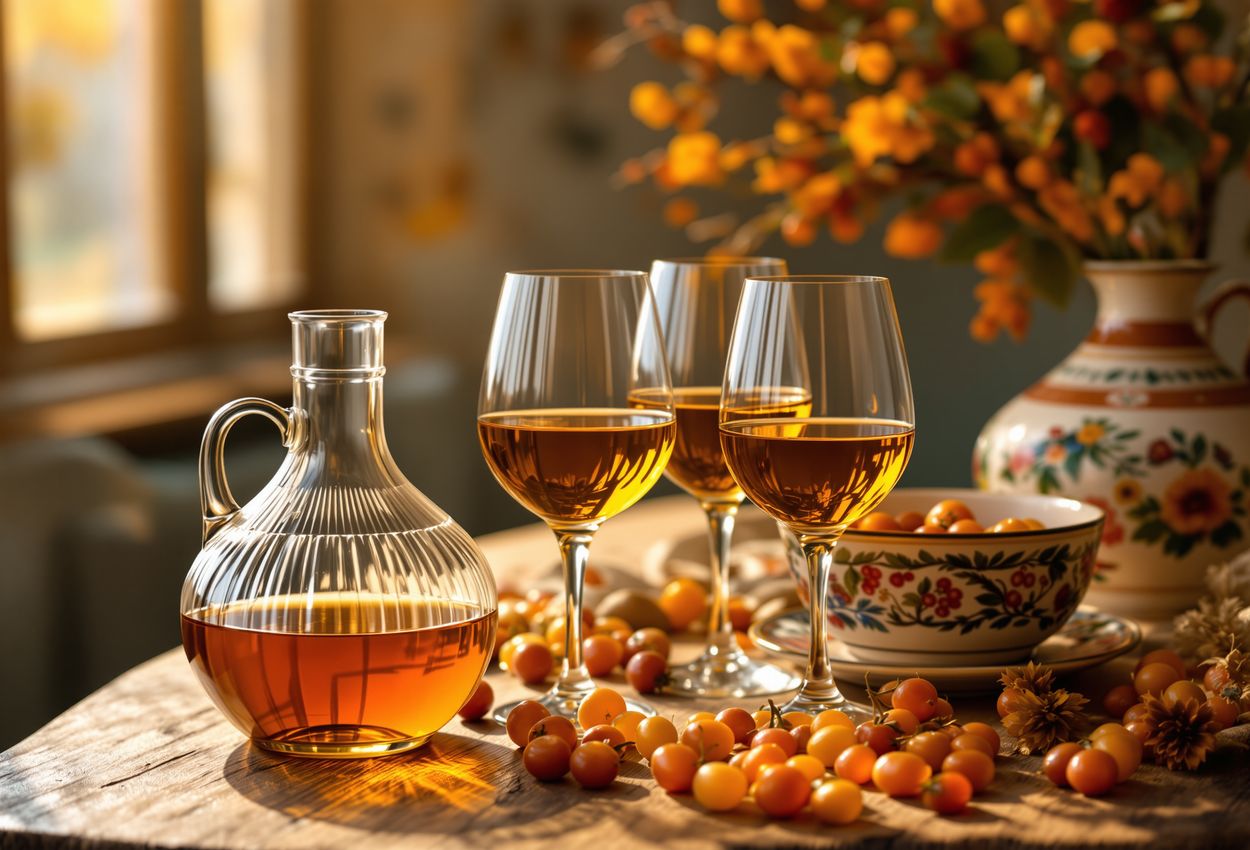
Georgian amber wines, with their captivating hues and intriguing flavors, have sparked a global 'orange wine' revolution. These unique wines owe their distinctive character to the extended skin contact during fermentation, a technique that extracts color, tannins, and a wealth of aromatic compounds from the grape skins.
The flavors and aromas associated with amber wines are diverse and complex, ranging from dried fruit and nuts to honey and spices. The tannin structure is often more pronounced than in traditional white wines, adding a textural element that enhances the overall drinking experience. The increasing popularity of amber wines worldwide is a testament to their unique appeal and the growing appreciation for traditional winemaking methods.
Natural Winemaking: A Georgian Ethos
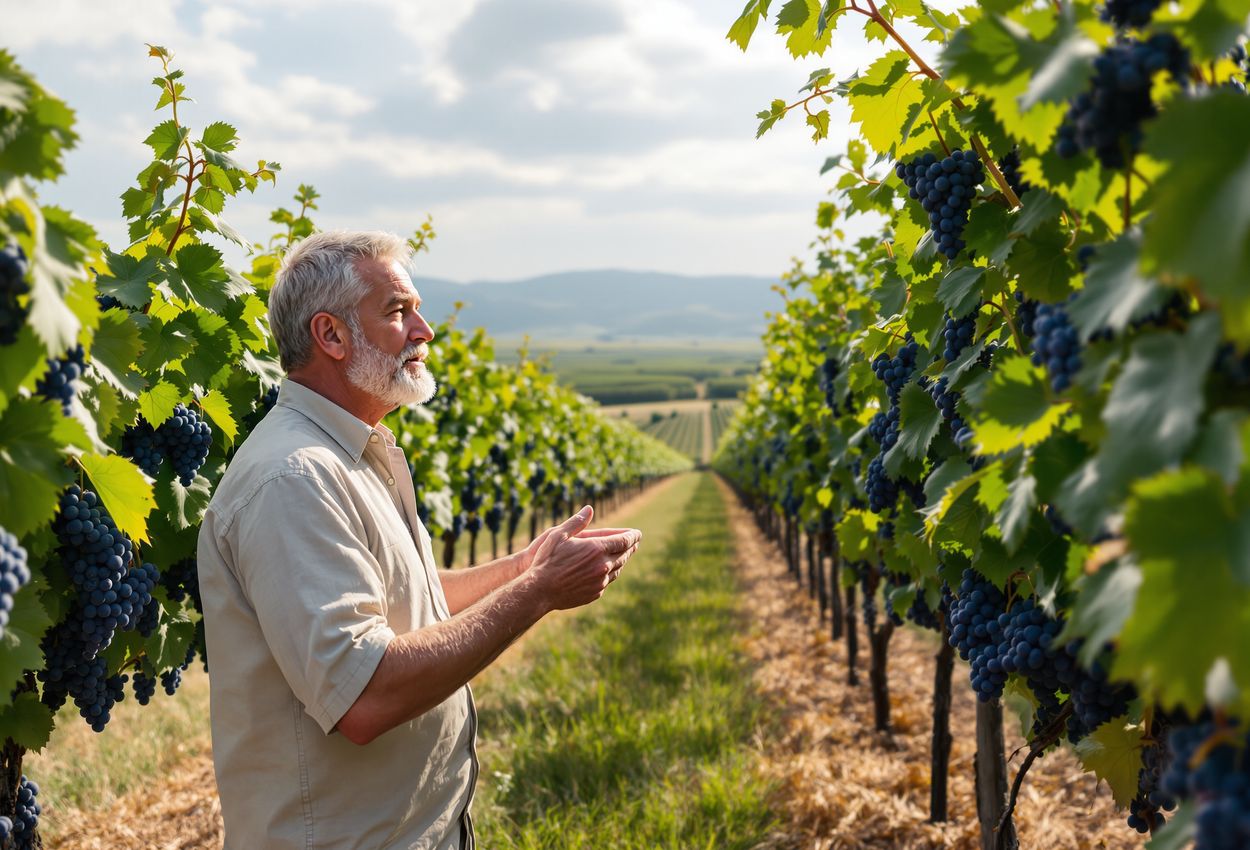
In Georgia, winemaking is often approached with a deep respect for nature, embracing traditional methods, minimal intervention, and sustainable practices. Spontaneous fermentation, using native yeasts, is favored over the addition of commercial strains, allowing the wine to express its unique terroir.
Synthetic treatments and additives are typically avoided, allowing the wine to develop naturally, with minimal human interference. This natural ethos aligns with the growing global demand for organic and additive-free wines, positioning Georgia as a leader in the movement towards sustainable winemaking.

Winemakers: Guardians of Georgian Heritage
Meet the passionate winemakers who are the guardians of Georgian heritage, dedicated to preserving their traditions and committed to producing exceptional wines. These individuals are not just winemakers; they are cultural ambassadors, sharing their knowledge and passion with the world.
Winery Khareba stands as a testament to the blend of tradition and innovation, with its unique wine cellar carved inside the Caucasus mountains. Chelti Winery, a family-owned estate, produces biodynamic quality wines from indigenous grape varieties. Papari Valley is known for its organic practices and its innovative three-terrace qvevri system. Château Mukhrani, with its royal heritage, combines modern techniques with traditional practices to create elegant and refined wines.
These winemakers, and many others, are the driving force behind the rebirth of Georgian winemaking, blending ancient traditions with modern innovation to create wines that are both unique and world-class.
Wine Tourism: Experiencing Georgia's Vineyards
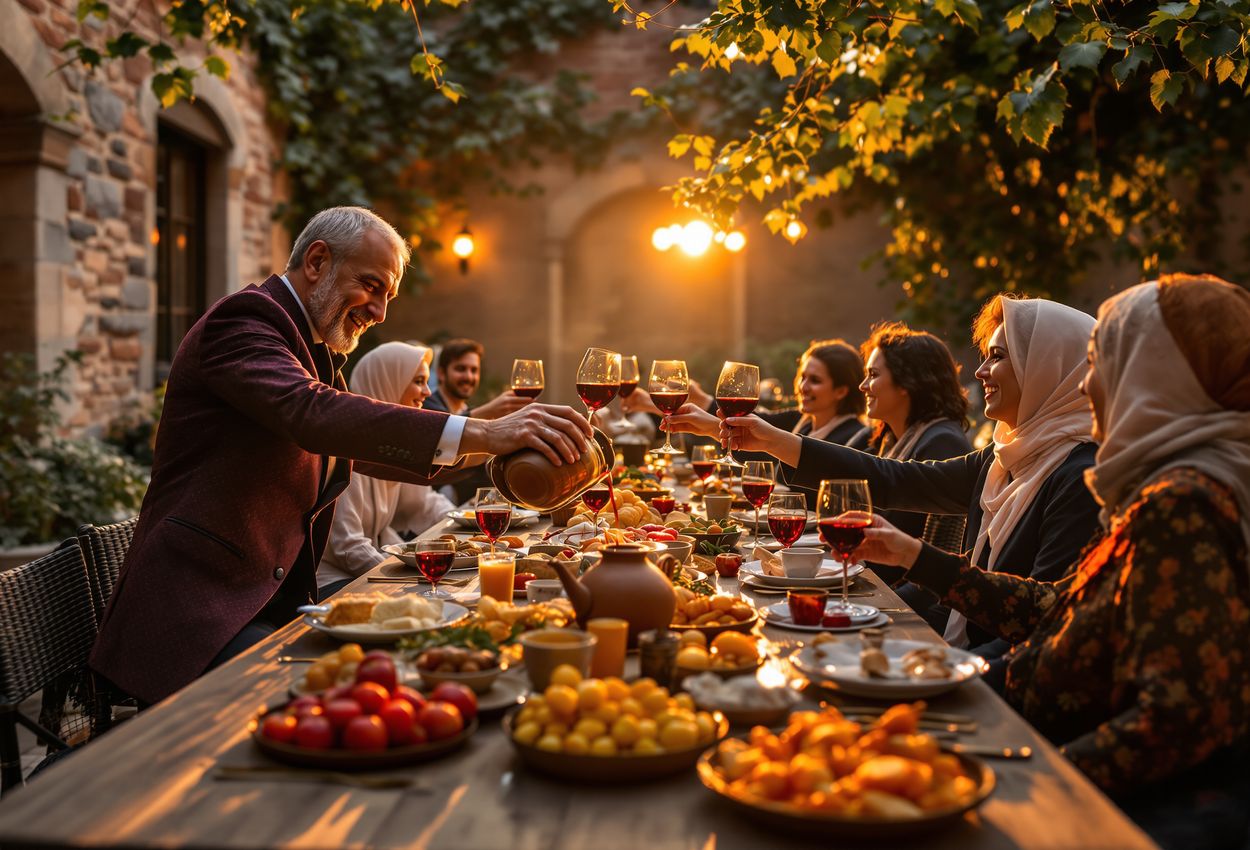
Embark on a journey to Georgia and immerse yourself in the world of wine tourism, where you can visit vineyards, taste exceptional wines, and experience the rich Georgian culture. Explore the diverse wine regions, from Kakheti to Imereti and Racha-Lechkhumi, each offering its own unique charm and winemaking traditions.
Participate in traditional harvest festivals like Rtveli, where you can join in the grape picking and winemaking process. Witness qvevri winemaking demonstrations and learn about the ancient techniques passed down through generations. Many wineries offer on-site accommodations, allowing you to fully immerse yourself in the vineyard experience. And, of course, savor the delicious traditional Georgian cuisine, perfectly paired with the local wines.

Georgia on the World Stage: Global Recognition and Revival
Georgian wines are gaining increasing popularity worldwide, with exports on the rise and new markets opening up across the globe. The recognition of Georgian winemaking by UNESCO and other international organizations has further elevated the country's status as a producer of unique and high-quality wines.
After a period of decline during the Soviet era, Georgian winemaking has experienced a remarkable revival, fueled by a renewed commitment to traditional methods and a passion for quality. Today, Georgia stands as a proud ambassador of its ancient winemaking heritage, sharing its unique wines with the world.
Pairing Georgian Wines: A Culinary Symphony
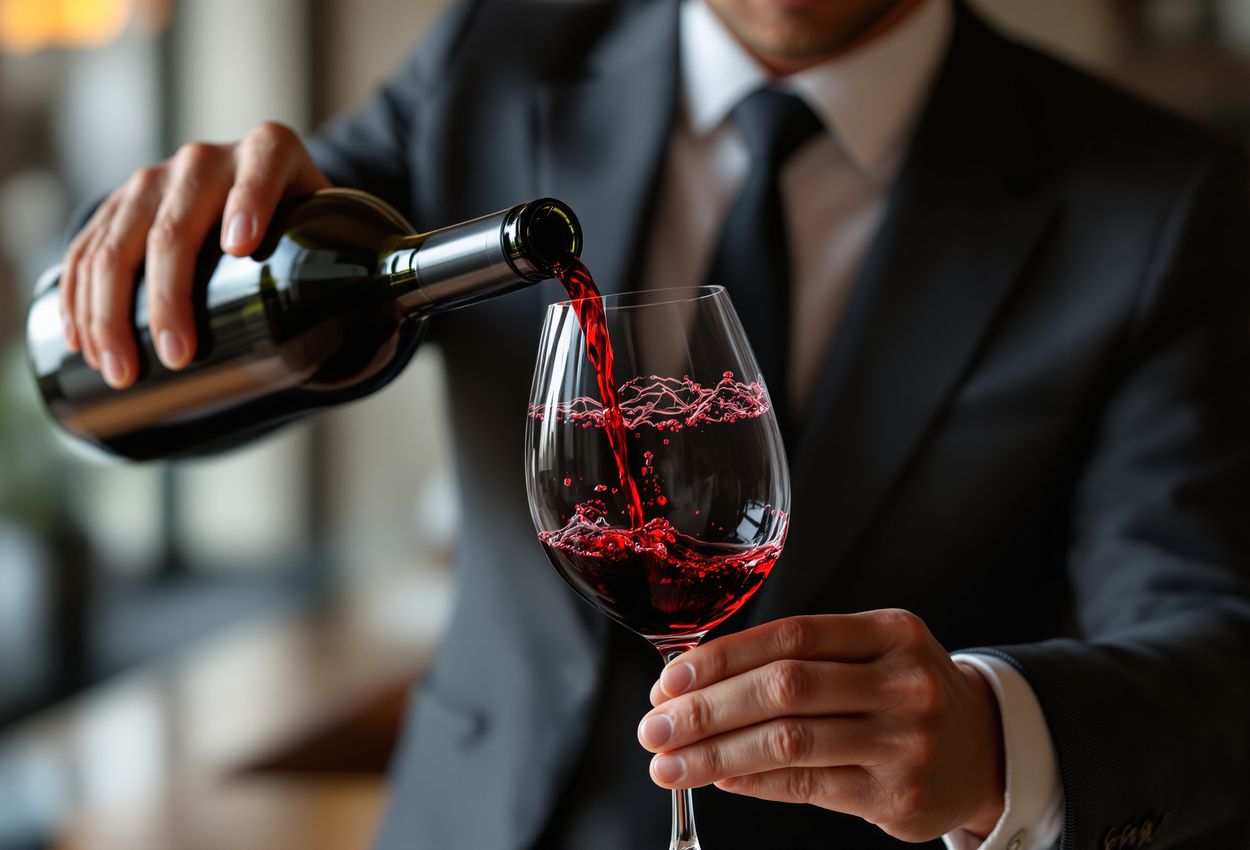
To truly appreciate Georgian wines, one must experience them alongside the traditional Georgian cuisine, a culinary symphony of flavors and textures. Amber wines, with their rich tannins and complex aromas, pair beautifully with savory dishes such as roasted meats, stews, and grilled vegetables. Sweet red wines, with their fruity notes and subtle spice, complement spiced meats and desserts.
The supra, a traditional Georgian feast, is an integral part of the country's culture, a celebration of food, wine, and fellowship. During a supra, a designated toastmaster, or tamada, leads the gathering, offering toasts to friendship, family, and the enduring spirit of Georgia. The fusion of culinary influences in Georgian cuisine, from the Middle East to Europe, creates a unique and unforgettable dining experience.
As the sun sets over the vineyards of Georgia, casting a golden glow on the ancient qvevri, one can't help but feel a sense of awe and wonder at the enduring legacy of Georgian winemaking. It is a story of resilience, innovation, and a deep connection to the land, a story that continues to unfold with each passing vintage.