The world of wine tourism is undergoing a dramatic transformation, moving far beyond simple tastings to offer rich, immersive experiences that connect visitors with the land, culture, and stories behind their favorite wines.
As we journey into 2025, the emphasis is on creating authentic and sustainable adventures that resonate with a new generation of wine enthusiasts. From sensory revolutions in the tasting room to culinary adventures in the vineyard, and from eco-friendly viticulture to cutting-edge technology, the future of wine tourism promises to be as diverse and complex as the wines themselves.
Beyond the Tasting Room: A Sensory Revolution in Wine Tourism
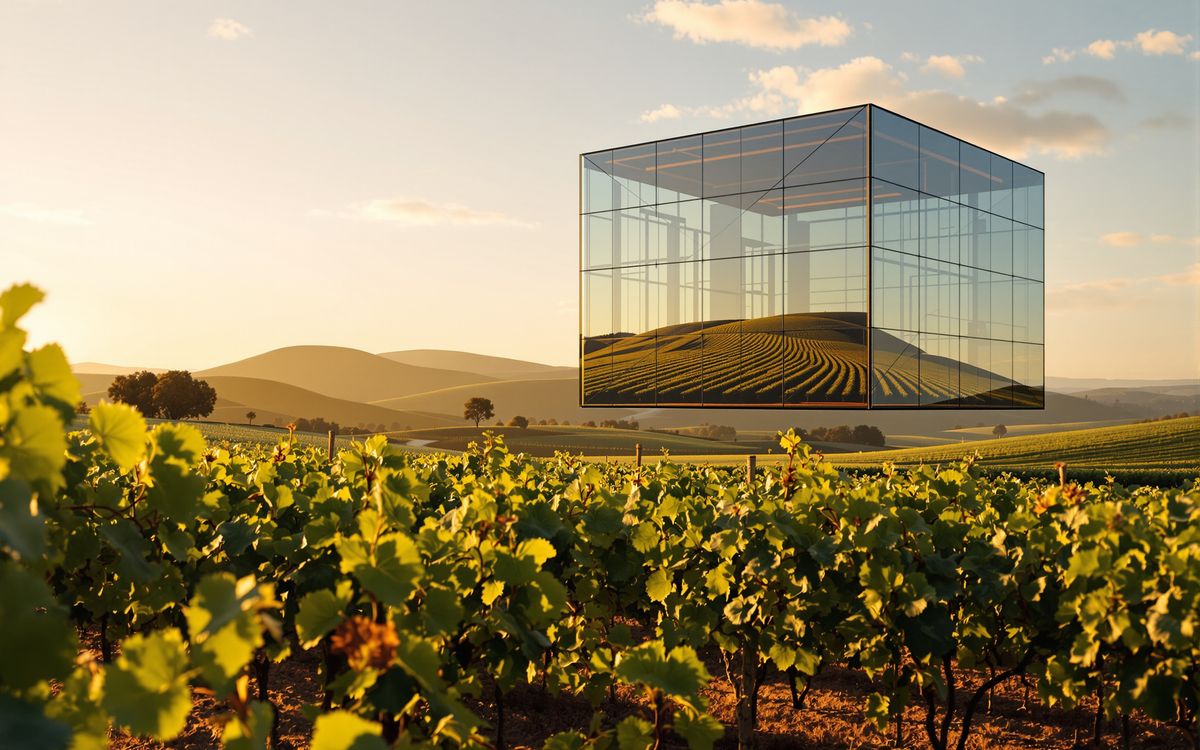
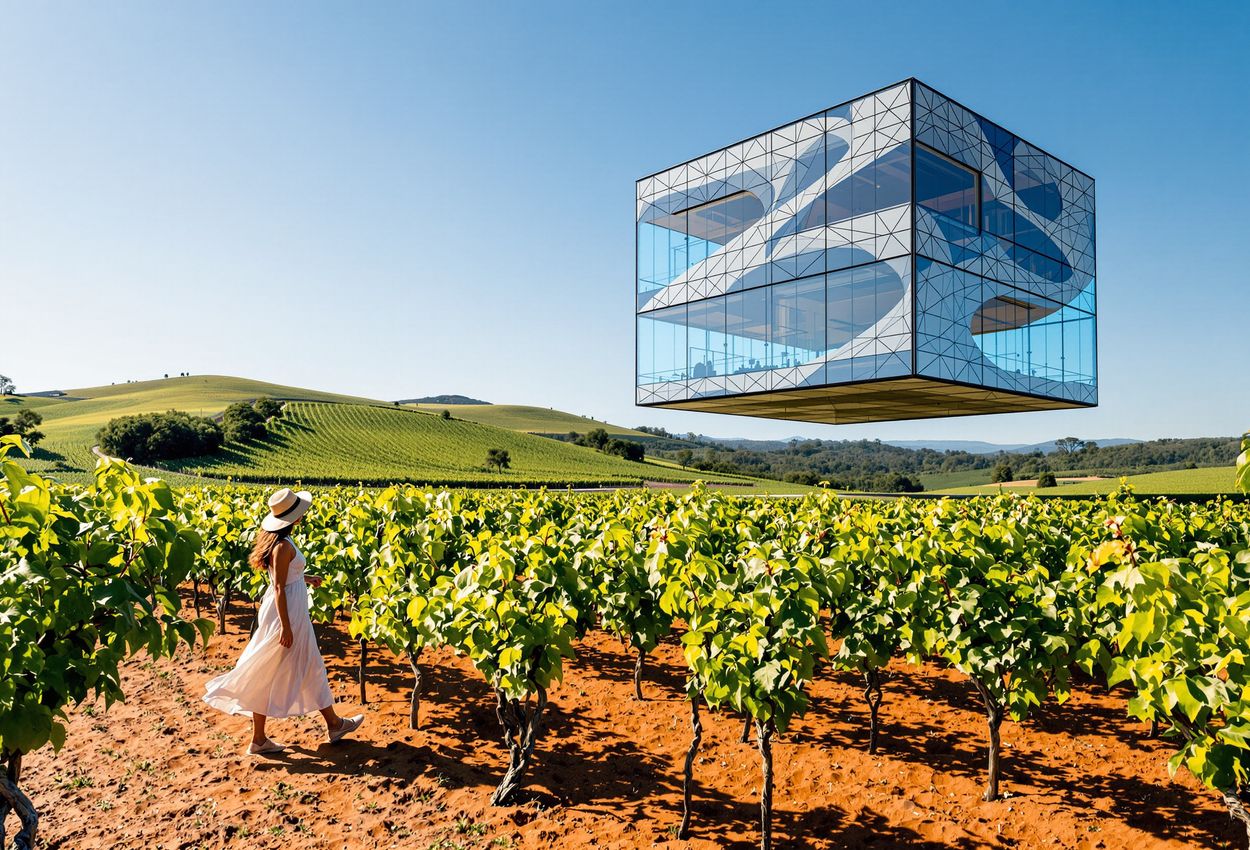
Gone are the days of staid, predictable wine tastings. Today's wine tourist seeks a multi-sensory experience that engages all the senses. Wineries are responding with innovative approaches that blend art, history, and gastronomy into a seamless and unforgettable journey. Consider the d'Arenberg Cube in McLaren Vale, South Australia, a surreal architectural marvel housing art installations and sensory exhibits that playfully challenge perceptions of wine [Document]. Or Chateau de Cérons, which immerses you in the soul of the estate, offering a sensory odyssey through its history, biodiversity, and traditions.
Imagine the sounds of a harvest celebration, the rhythmic stomping of grapes, and the joyous laughter of locals [Document]. Envision the smell of fermenting grapes, a heady, intoxicating aroma that fills the air, mingling with the earthy scent of the vineyard [Document]. Taste a perfectly paired local cheese, its creamy texture and tangy flavor complementing the wine's subtle notes of fruit and spice [Document]. These are the elements that define the sensory revolution in wine tourism.
Hidden Gem: Some wineries offer a 'winemaker for a day' program, allowing visitors to blend their own wines under the guidance of an expert [Document]. This hands-on experience provides a unique and personal connection to the art of winemaking.
Vineyard to Table: Culinary Adventures in Wine Country
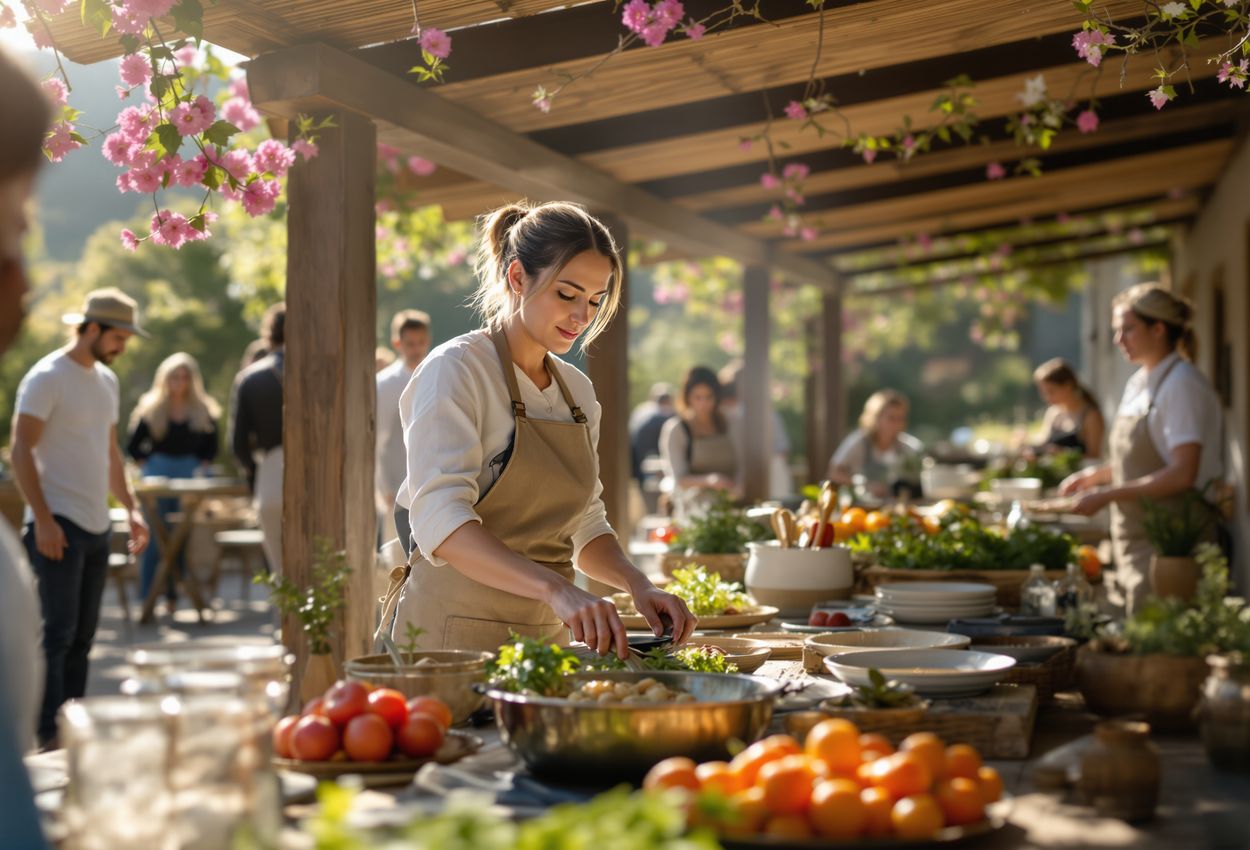
The allure of wine tourism is further enhanced by the growing trend of culinary experiences that celebrate local flavors and ingredients. Cooking classes featuring regional dishes offer a hands-on opportunity to learn the secrets of local cuisine, while farm-to-table dining experiences showcase the freshest produce and artisanal products.
In Mendoza, Argentina, cooking classes often focus on traditional dishes like empanadas and grilled meats, paired with the region's signature Malbec wines [Document]. Abadia Retuerta in Castilla y León, Spain takes farm-to-table dining to new heights with its Michelin-starred restaurants that use produce from biodynamic gardens [Document, 14]. Imagine savoring a slow-roasted lamb dish, infused with rosemary and thyme, its tender texture and rich flavor perfectly complementing a robust Tempranillo [Document].
Hidden Gem: In Kakheti, Georgia, some wineries host traditional 'supra' feasts, elaborate banquets filled with toasts, polyphonic singing, and an abundance of local dishes [Document]. This immersive cultural experience offers a taste of Georgian hospitality and culinary traditions.
Terroir Tales: Unearthing the Cultural Heritage of Wine Regions
Wine tourism is not just about tasting wine; it's also about understanding the cultural heritage of the regions where it is produced. Many wine regions are steeped in history, with traditions and techniques passed down through generations. Exploring this heritage adds depth and meaning to the wine tourism experience.
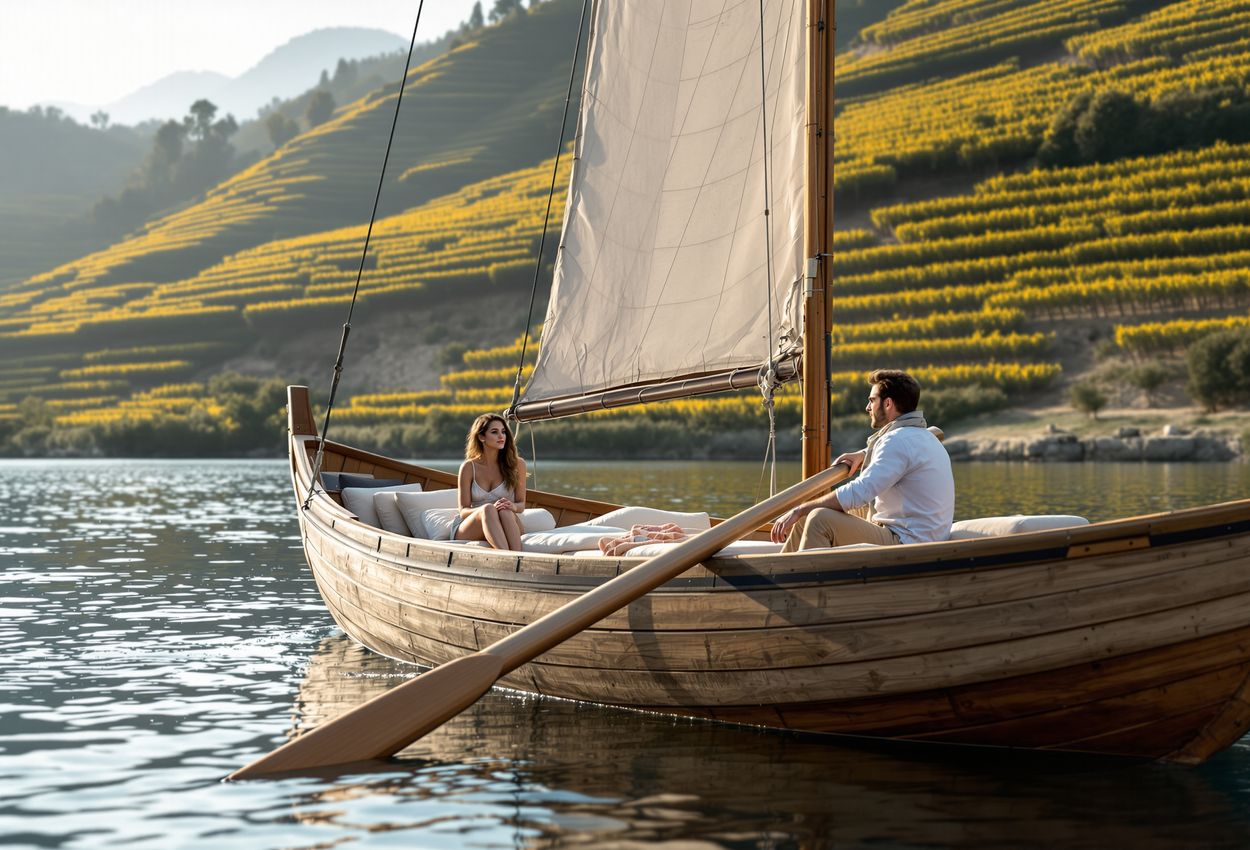
The Douro Valley in Portugal, a UNESCO World Heritage site, is a prime example, its terraced vineyards shaped by centuries of viticulture [Document]. A traditional 'rabelo' boat trip on the Douro River offers a unique perspective on the region's landscape and history, while grape stomping in stone lagares during harvest season provides a hands-on connection to ancient winemaking traditions [Document].
Hidden Gem: In Kakheti, Georgia, visit a family-run cellar where wine is fermented in buried clay 'qvevri' jars, a UNESCO-recognized technique dating back thousands of years [Document, 8]. This ancient method produces unique amber wines with complex flavors and textures.
Eco-Friendly Elixirs: Sustainable Practices in Viticulture
As environmental awareness grows, sustainable tourism practices are becoming increasingly important in wine regions. Wineries are adopting organic farming methods, reducing water usage, and investing in renewable energy projects to minimize their environmental impact.
In Napa Valley, California, many wineries are leaders in organic farming and renewable energy [Document]. Tours focused on organic farming offer insights into the sights, sounds, and smells of a biodynamic vineyard, where natural methods are used to promote soil health and biodiversity [Document, 14]. Imagine walking through a vineyard filled with the buzzing of bees, the chirping of birds, and the earthy scent of compost, a testament to the winery's commitment to sustainability [Document].
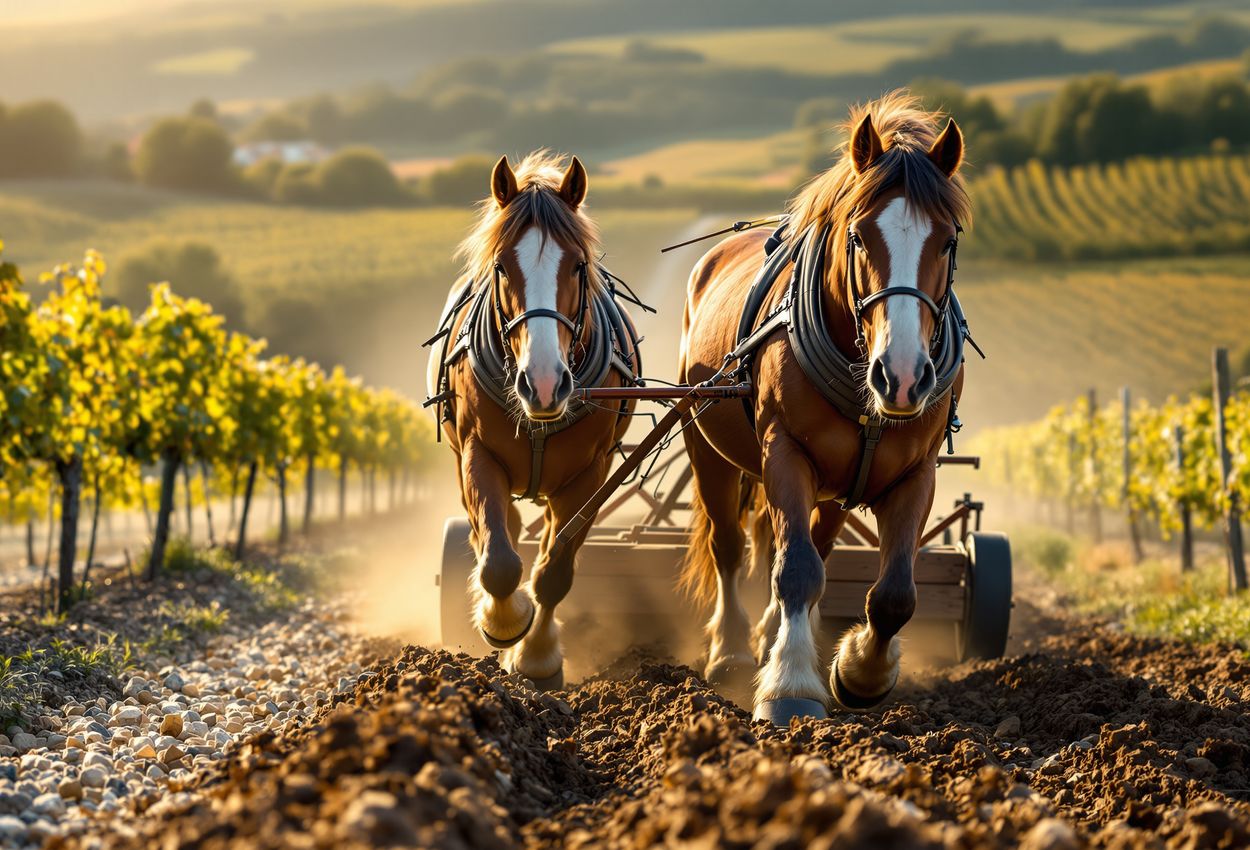
Hidden Gem: Some wineries, like Chateau Smith Haut Lafitte in Bordeaux, use shire horses to plough the land, reducing their carbon footprint and promoting biodiversity [Document]. This traditional method adds a touch of old-world charm to the modern pursuit of sustainability.
Tech and Vines: The Role of Innovation in Wine Tourism
Technology is playing an increasingly important role in enhancing the wine tourism experience. AI, virtual reality (VR), and augmented reality (AR) are being used to create immersive experiences that transport visitors to vineyards around the world.
Imagine participating in a virtual wine tasting, guided by a renowned sommelier, without leaving your home [Document]. Or taking an AR tour of a vineyard, learning about the different grape varietals and winemaking techniques as you stroll through the vines [Document]. These technologies offer new ways to engage with wine and connect with wine regions.
Hidden Gem: Some wineries are using AI-driven marketing to promote local traditions and products, creating personalized experiences for visitors [Document]. This innovative approach helps to preserve cultural heritage while attracting a new generation of wine lovers.

Mobile Merriment: Bringing the Winery to You
The trend of 'mobile wine tourism' is gaining traction, with wineries setting up booths at festivals and concerts to reach new audiences. This approach brings the winery experience to the consumer, creating opportunities for spontaneous tastings and brand engagement.
Wölffer Estate in New York has embraced this trend with its mobile wine stand, which travels to different events along the east coast [Document]. Imagine the atmosphere of a wine festival, filled with music, food, and the taste of wine samples [Document]. This mobile approach makes wine accessible and fun, attracting a diverse crowd of wine enthusiasts.
Hidden Gem: Some wineries offer free samples at their mobile stand, providing a taste of their wines without any commitment [Document]. This is a great way to introduce new customers to their brand and build relationships.
Owner's Touch: The Allure of Personalized Winery Interactions
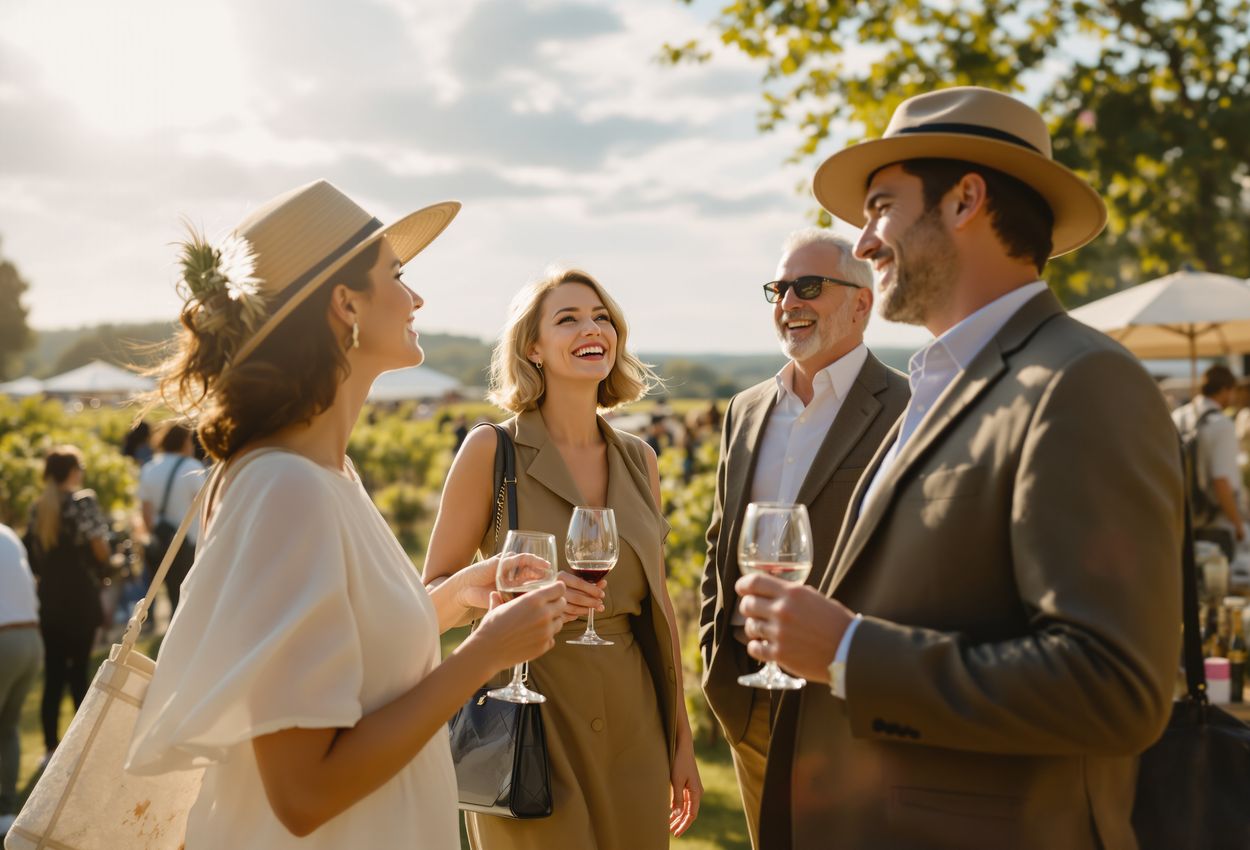
In an era of mass production and impersonal service, the value of personal interactions with winery owners and winemakers cannot be overstated. Smaller wineries that welcome visitors informally and offer personal tours are thriving, as they provide a unique and authentic experience that larger wineries cannot replicate.
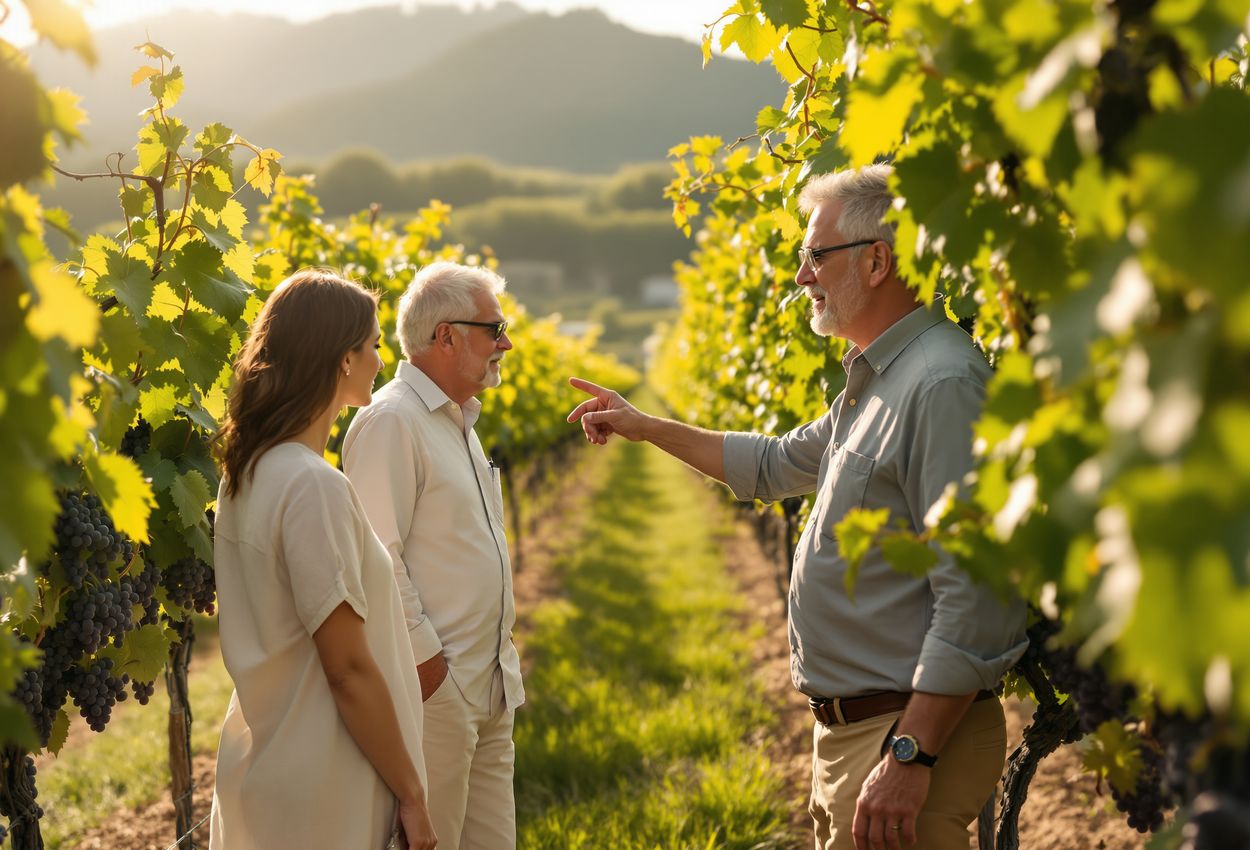
Imagine being personally guided through a vineyard by the owner, hearing stories about the land, the grapes, and the winemaking process [Document]. This personal touch creates a lasting impression and fosters a sense of connection with the winery and its wines.
Hidden Gem: Some wineries treat wine club members like friends, offering exclusive access to events, tastings, and even the opportunity to help with the harvest [Document]. This personalized service builds loyalty and creates a strong sense of community.
Yoga and Vines: Unique Events in Wine Country
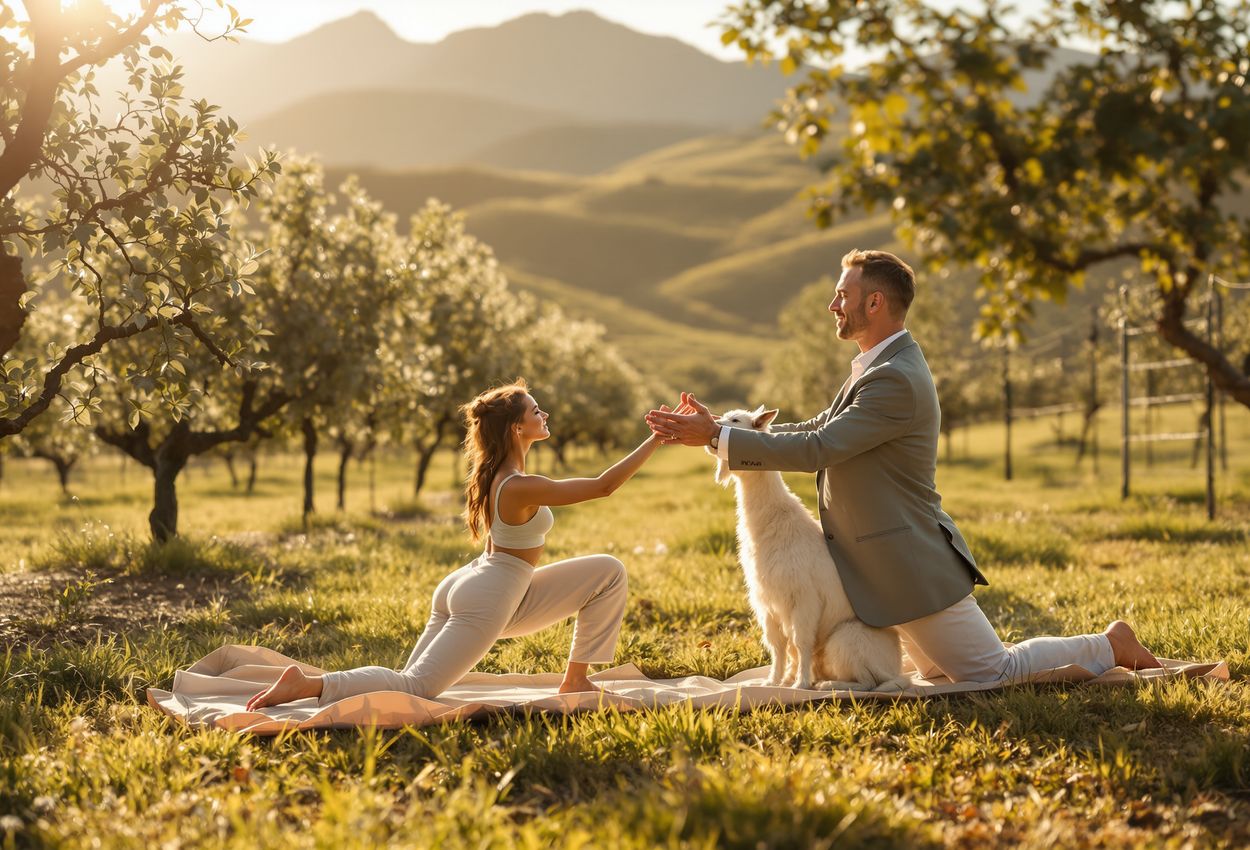
Wineries are increasingly offering unique events and tours to attract visitors and create memorable experiences. From miniature goat yoga before wine tasting to harvest festivals and cooking classes, these events add a new dimension to the wine tourism experience.
At Brandeberry Winery in Ohio, visitors can participate in miniature goat yoga before enjoying a wine tasting [Document]. Imagine the sensory experience of doing yoga in a vineyard, surrounded by the sights, sounds, and smells of nature [Document]. This playful combination of fitness and wine creates a fun and memorable event.
Hidden Gem: Some wineries offer tractor rides through the vineyard to learn about the 'green' aspects of winemaking, providing an educational and entertaining experience [Document]. La Crema and Benziger wineries in Sonoma County are great examples [Document].
Drop-In Discoveries: Affordable and Accessible Wine Tastings
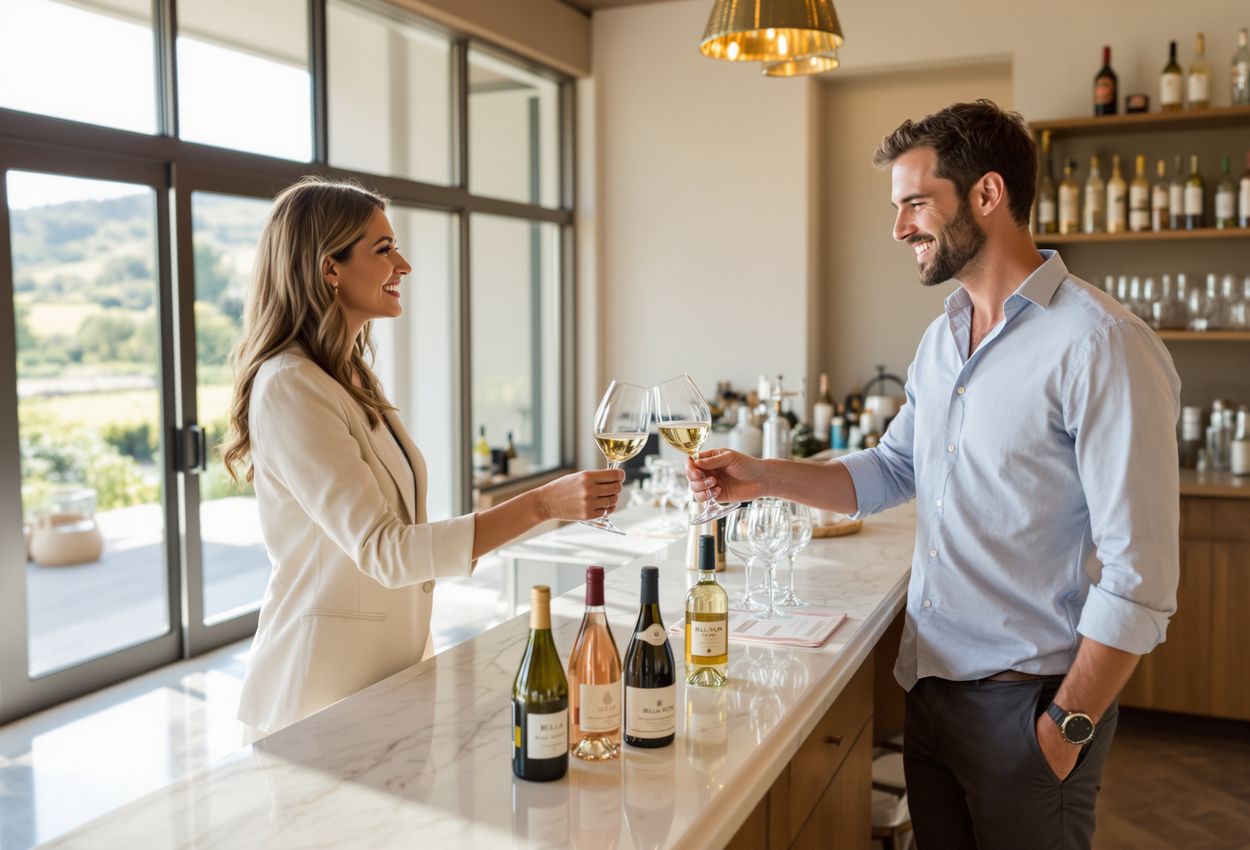
The trend of drop-in tastings and affordable tasting fees is making wine tourism more accessible to a wider audience. Wineries are offering casual tasting experiences that don't require appointments or high fees, making it easier for visitors to sample their wines.
Bella Union winery in Napa offers a casual tasting for $45 [Document]. Imagine the experience of a drop-in tasting, where you can sample a selection of wines and chat with a knowledgeable tasting room representative [Document]. This relaxed and informal setting makes wine tasting approachable and enjoyable.
Hidden Gem: Some wineries in Sonoma County, like Kendall-Jackson and DeLoach, offer complimentary welcome flights, providing a taste of their wines without any cost.
Subscription Sips: The Evolution of Wine Clubs
Subscription clubs are emerging as a supplement to traditional wine clubs, offering a flexible and convenient way to sample wines before committing to a full membership. These clubs allow people to explore different varietals and wineries, expanding their wine knowledge and palate.
Imagine receiving a curated selection of wines each month, delivered directly to your door, along with tasting notes and pairing suggestions [Document]. This subscription model makes wine discovery easy and enjoyable.
Hidden Gem: Some wineries offer a flexible wine club that is referred to as a subscription club, allowing members to customize their selections and delivery schedules [Document]. This personalized approach enhances the value and appeal of wine clubs.
Blending Tradition: Old World Charm in Modern Wine Tourism
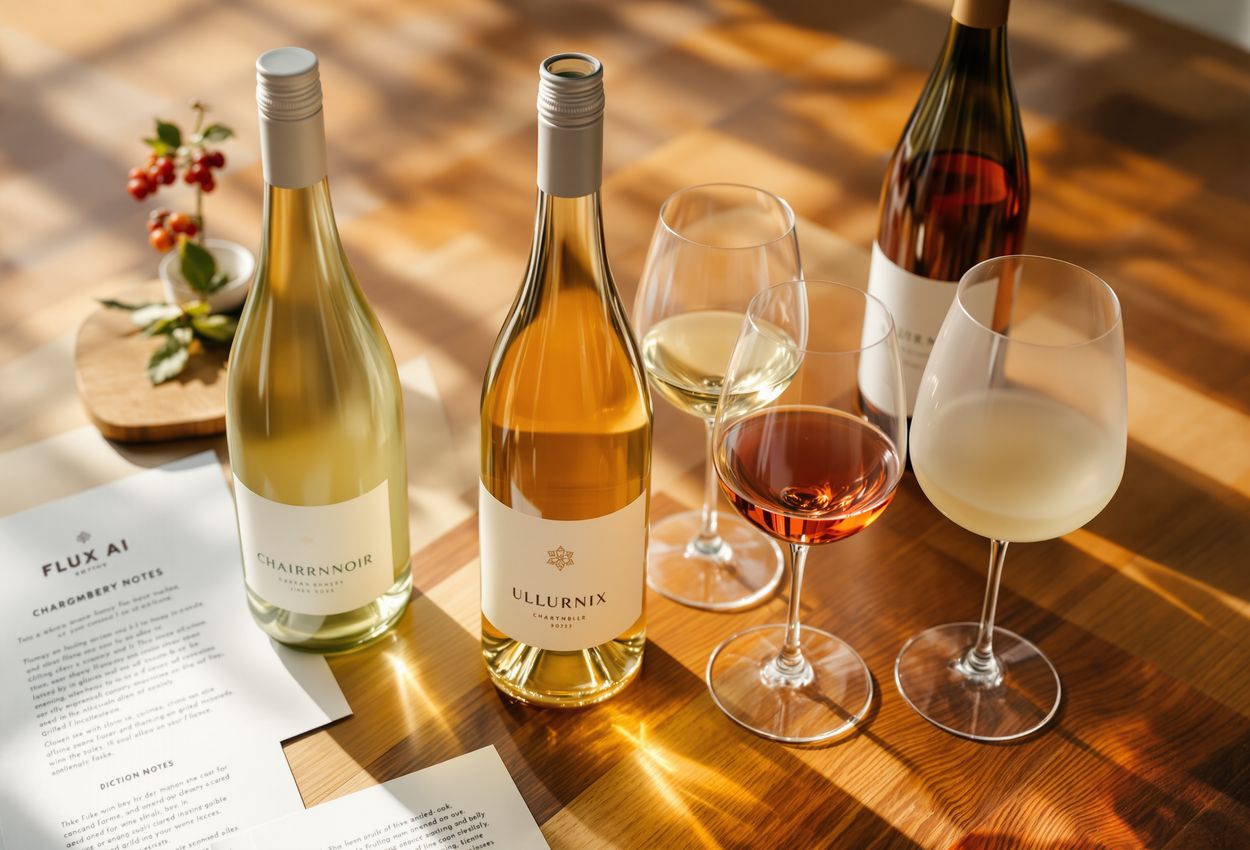
There's a renewed interest in Old World wines from regions like France, Italy, and Spain, with wine tourists seeking out authentic experiences that showcase the history and traditions of these regions.
Imagine attending a 'Tour of Old World Wines' event, where classic wines are paired with signature dishes, creating a culinary journey through Europe's most renowned wine regions [Document]. This immersive experience celebrates the rich heritage and diverse flavors of Old World wines.
Hidden Gem: Some wineries in Chianti Classico are housed in medieval castles, offering guests the opportunity to taste wines directly from barrels in a historic setting [Document].
Responsible Revelry: Etiquette and Sustainability in Wine Tourism
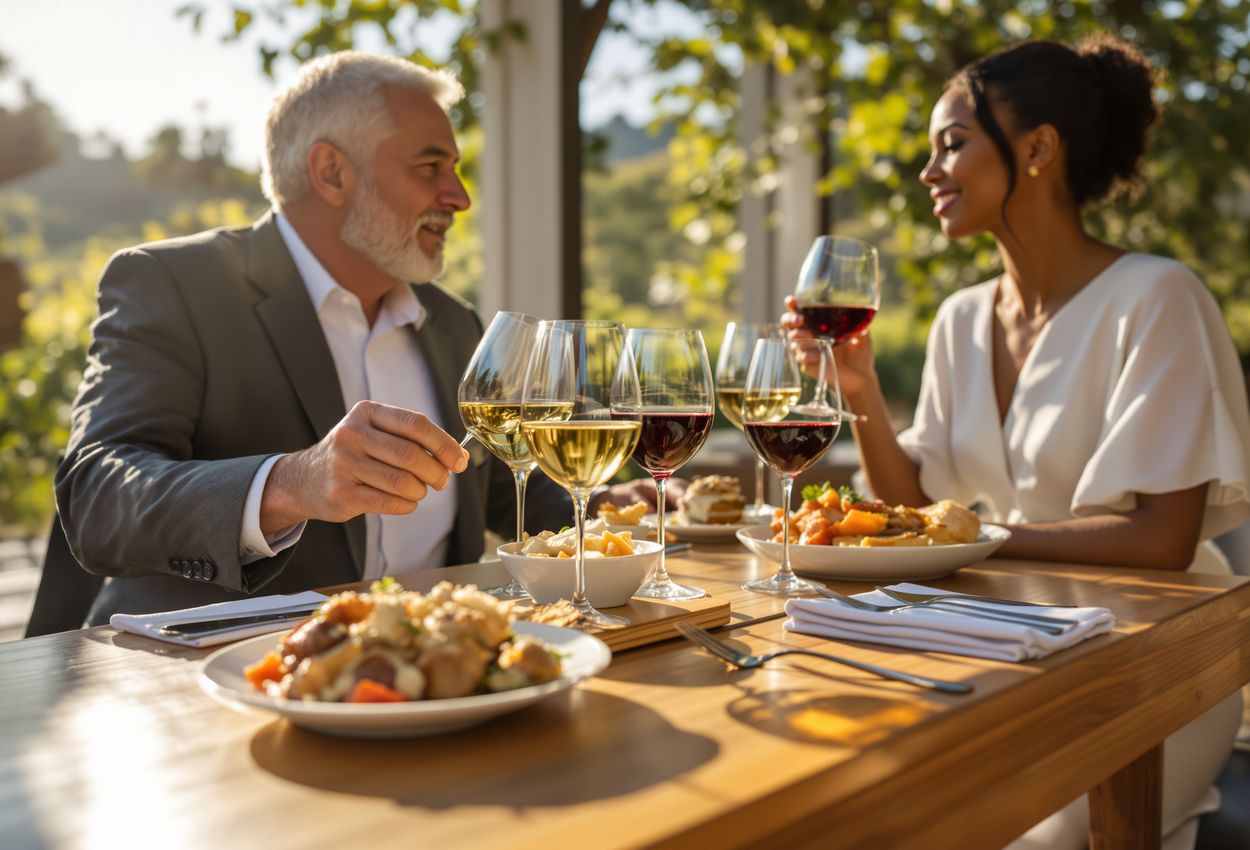
As wine tourism grows, it's important to promote responsible practices that respect the environment and support local communities. This includes practicing moderation, respecting local customs, and supporting sustainable businesses.
Imagine participating in a wine tour that emphasizes sustainable transportation, such as cycling or electric vehicles, and supports local restaurants and shops [Document]. This responsible approach ensures that wine tourism benefits both visitors and the communities they visit.
Hidden Gem: Some wineries run eco-workshops for schoolchildren to teach them about sustainable practices, fostering a sense of environmental stewardship from a young age [Document]. Henschke in South Australia is a great example.

Galician Grape Escapes: Wine, Sustainability and the Circular Economy
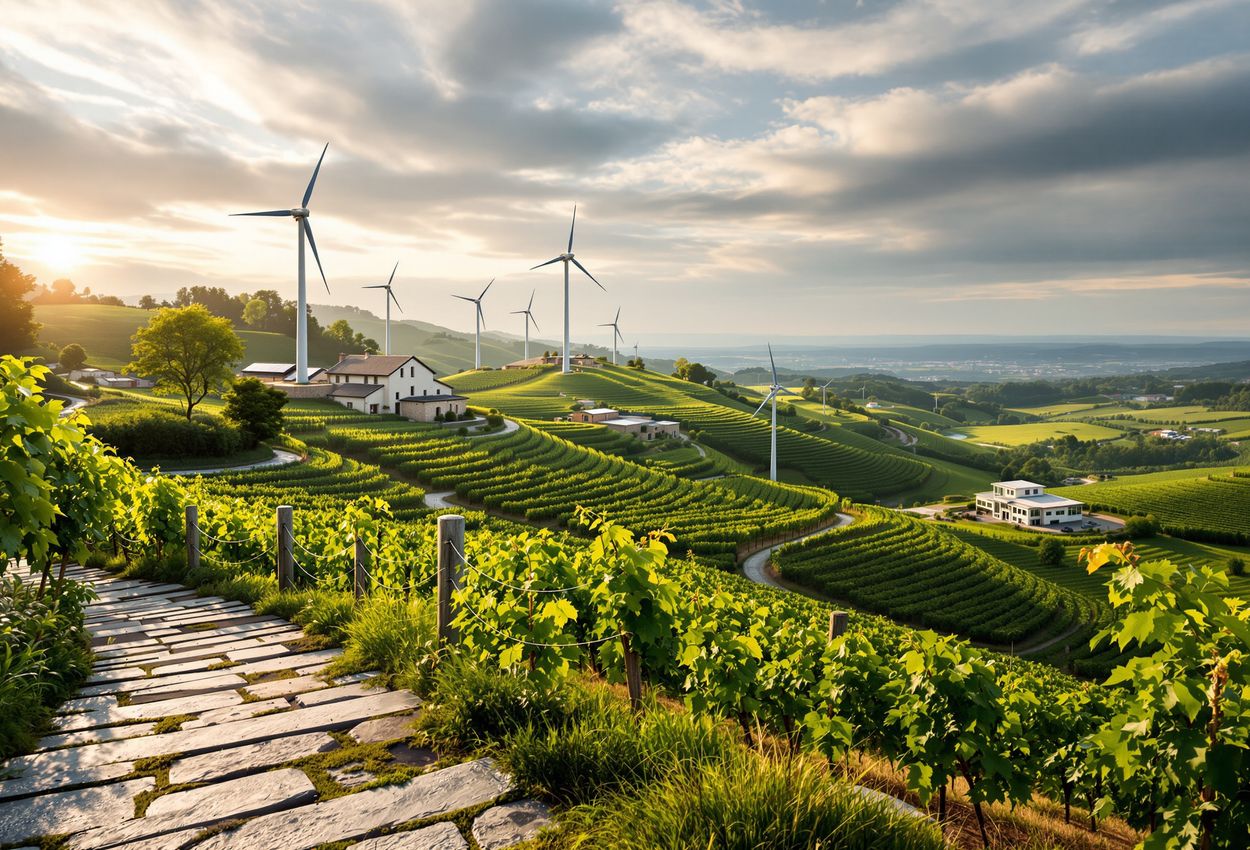
Wine tourism in Galicia, Spain, is increasingly integrated into the circular economy and sustainability frameworks, leveraging the region's natural beauty, cultural heritage, and renowned gastronomy. Visitor expectations are driving wineries and accommodation providers to adopt sustainable practices that enhance both the environment and the local economy.
Imagine touring wineries powered by renewable energy, participating in workshops that promote biodiversity, and enjoying local cuisine made with sustainably sourced ingredients [Document]. This holistic approach positions Galicia as a leading wine tourism destination committed to long-term sustainability.
Georgia on My Mind: Ancient Winemaking and Cultural Immersion
Kakheti, Georgia, considered the birthplace of wine, offers a unique wine tourism experience centered around its ancient winemaking techniques. The process of fermenting wine in buried clay qvevri jars, a UNESCO-recognized method, is a highlight for visitors [Document, 8].
Imagine visiting a family-run cellar where guests can taste amber wines directly from qvevri or join traditional supra feasts, experiencing the rich cultural heritage of Georgian winemaking [Document, 15]. This immersive experience connects visitors to the origins of wine and the traditions that have shaped Georgian culture for millennia.

Western Cape Wonders: Innovation and Heritage in South African Wine Tourism
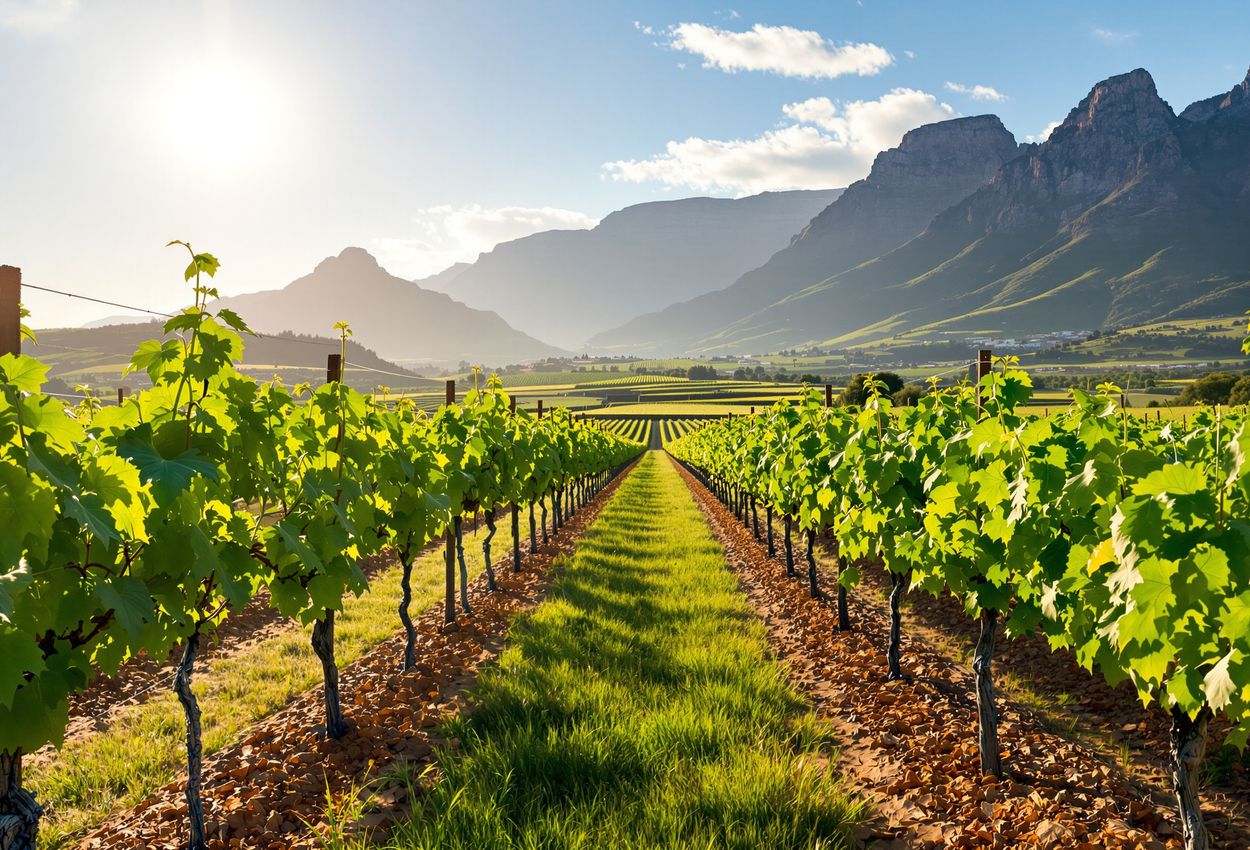
The Cape Winelands near Cape Town combine award-winning wines with stunning mountain scenery and cultural heritage. Stellenbosch, Franschhoek, and Paarl are key destinations, each offering unique wine tourism experiences.
Imagine e-biking through vineyards where wildlife roams freely, tasting world-class wines paired with local cheeses, and exploring the historic towns that dot the landscape [Document, 7, 9]. The Cape Winelands offer a diverse and unforgettable wine tourism experience.
As wine tourism continues to evolve, the focus on immersive experiences and sustainable practices will only intensify. Wineries that embrace these trends will be best positioned to attract visitors and create lasting memories, ensuring a vibrant and responsible future for wine tourism.