Embark on a journey of self-discovery and wellness with the grape cure, an ancient practice promising detoxification and rejuvenation through the simple yet profound act of consuming nature's candy: grapes.
From its historical roots in European spas to its modern-day resurgence in wellness retreats, the grape cure offers a unique path to revitalization. But is it a fleeting trend or a legitimate route to holistic health? Let's peel back the layers of this intriguing practice and explore its potential benefits, guidelines, and realities.

Unveiling the Grape Cure: A Journey Through Time
The grape cure, also known as ampelotherapy, boasts a history as rich and complex as the flavors of the grapes themselves. Its origins can be traced back to 19th-century Germany, where Dr. Veit Kaufmann, a family physician in the viticultural city of Bad Duerkheim, first documented its principles. In 1856, Kaufmann published “Die Traubenkur in Dürkheim a.d. Haardt” (The Grape Treatment Course in Duerkheim at Haardt River), detailing a regimen that combined the consumption of fresh grapes with exercise, light meals, and medical supervision at a spa. Kaufmann's work gained local recognition, and he was a friend to Rudolph Virchow, who regularly underwent the treatment.
The grape cure experienced a surge in popularity during the early 20th century, largely due to the efforts of Johanna Brandt. Brandt, a South African immigrant to America, claimed to have cured herself of stomach cancer through a grape-only diet. She shared her personal journey and the purported benefits of the grape cure in her book, “The Grape Cure,” first published in the 1920s. Brandt's version of the grape cure involved an initial fast, followed by a diet consisting solely of grapes and water for one to two weeks.
Over time, the grape cure evolved from a medically supervised spa treatment to a home remedy embraced by individuals seeking natural approaches to health. While its popularity has ebbed and flowed, the core principle remains the same: harnessing the potential healing properties of grapes through concentrated consumption.
Hidden Gem: In the Rhine region, specific grape varieties were traditionally favored for the cure. Look for grapes such as 'Gutedel' or 'Junker', and 'Oesterreicher' or 'Sylvaner' for an authentic experience.

The Purported Benefits: Cleansing, Digestion, and Energy
Proponents of the grape cure tout a range of potential benefits, often centered around the concepts of cleansing, improved digestion, and increased energy levels. The rationale behind these claims lies in the nutritional composition of grapes, which are rich in antioxidants, vitamins, and minerals.
Grapes contain resveratrol, a potent antioxidant that has been linked to various health benefits, including cardiovascular protection. They also provide vitamin C, an essential nutrient for immune function, as well as potassium, which plays a role in maintaining healthy blood pressure. Vitamin K is another notable component, contributing to blood clotting and bone health.
The high water content of grapes can contribute to hydration, supporting kidney function and overall detoxification processes. Additionally, the natural sugars in grapes provide a source of energy, although it's important to note that this is a simple sugar and should be consumed in moderation.
However, it's crucial to acknowledge that there is no widespread scientific consensus supporting the purported benefits of the grape cure. While grapes offer nutritional value, relying solely on them for an extended period may lead to nutrient deficiencies and other health concerns. Always consult with a healthcare professional before making significant dietary changes.
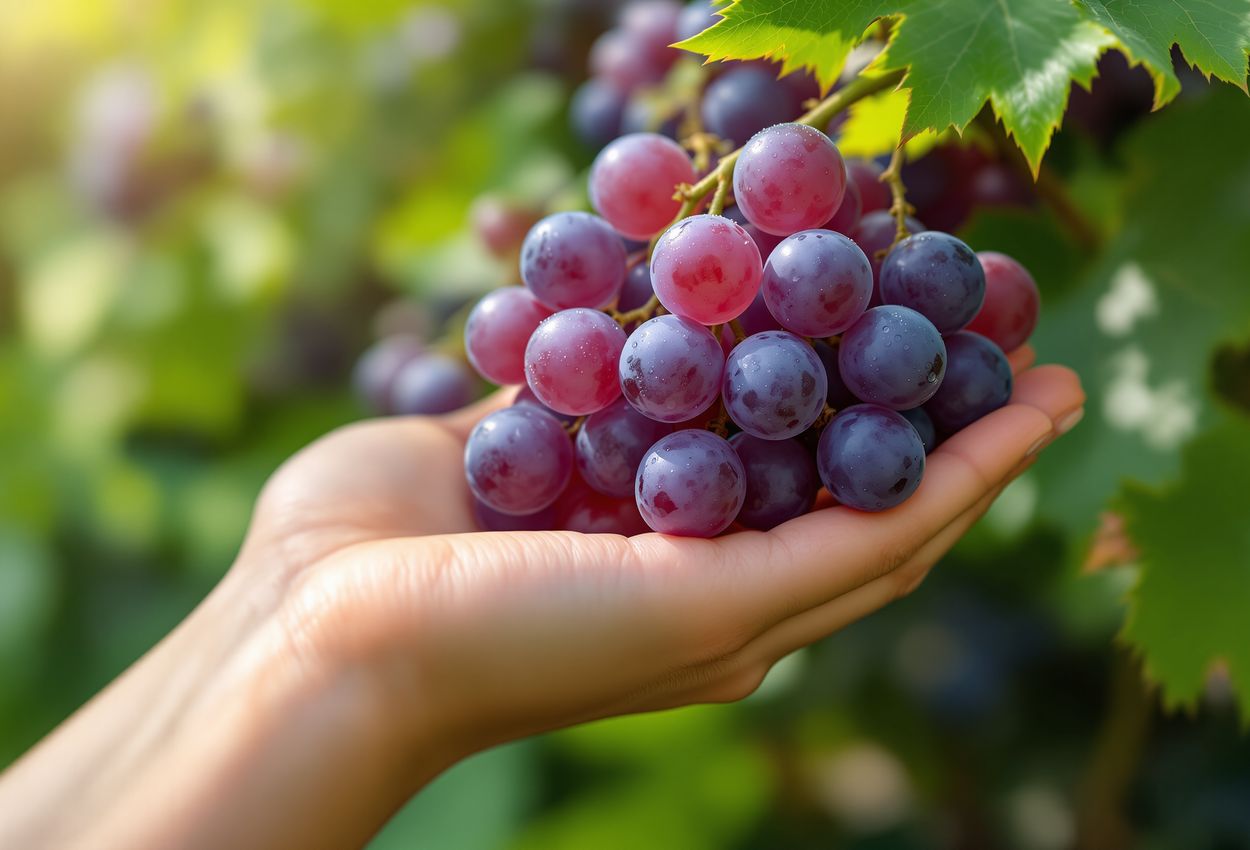
Sensory Detail: Imagine biting into a plump, ripe grape, its sweetness bursting on your tongue, followed by a refreshing wave of hydration that quenches your thirst and invigorates your senses. This simple pleasure encapsulates the essence of the grape cure experience.
Navigating the Grape Cure Safely: A Step-by-Step Guide
If you're considering embarking on the grape cure, it's essential to prioritize safety and approach the diet with caution. The following guidelines can help you navigate the process effectively:
- Consult a Healthcare Professional: Before making any drastic dietary changes, especially if you have pre-existing health conditions, seek guidance from a qualified healthcare provider. They can assess your individual needs and determine if the grape cure is appropriate for you.
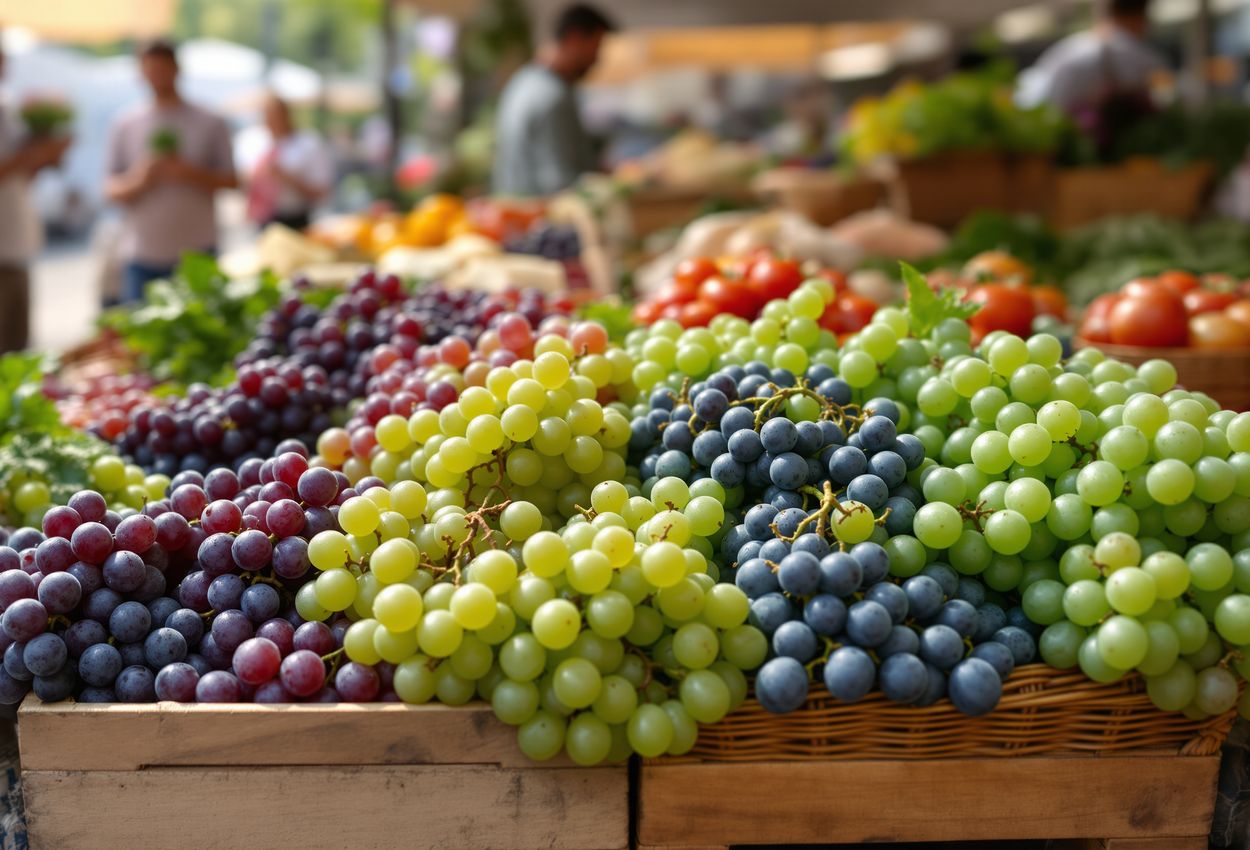
- Choose the Right Grapes: Opt for organic, high-quality grapes whenever possible to minimize exposure to pesticides and ensure optimal nutrient content. Look for grapes that are ripe, plump, and free from blemishes.
- Start Slowly: Begin with a smaller amount of grapes, such as 1-2 pounds per day, and gradually increase the quantity over several days. This allows your digestive system to adjust and reduces the risk of discomfort.
- Recommended Daily Intake: The typical recommended daily intake of grapes during the cure ranges from 4 to 8 pounds, consumed throughout the day. Divide the grapes into several small meals to maintain stable blood sugar levels and prevent digestive upset.
- Hydrate Adequately: Drink plenty of water throughout the day to support detoxification and prevent dehydration. Herbal teas, such as green or rooibos, can also be included.
- Listen to Your Body: Pay close attention to your body's signals and adjust the diet accordingly. If you experience any adverse effects, such as digestive issues, fatigue, or dizziness, reduce your grape intake or discontinue the cure altogether.
- Limit Duration: The grape cure is not intended as a long-term dietary solution. Limit the duration to a few days or weeks at most to avoid nutrient deficiencies and potential health risks.
Specific Instruction: To minimize digestive discomfort, start with a smaller quantity of grapes and gradually increase the amount over several days, allowing your body to adapt to the increased fiber and sugar content.

Grape-Infused Elixirs: Recipes for Juices and Smoothies
While consuming whole grapes is the cornerstone of the grape cure, incorporating grape-based juices and smoothies can add variety and enhance the experience. Here are a few simple recipes to try:
- Simple Grape Juice with Lemon: Combine 2 cups of fresh grapes with the juice of half a lemon in a blender. Blend until smooth, strain if desired, and enjoy. The lemon adds a refreshing tang and enhances the cleansing properties.
- Grape and Ginger Smoothie for Digestion: Blend 2 cups of grapes with a small piece of ginger, half a banana, and a handful of spinach. Add water or ice to reach your desired consistency. Ginger aids digestion and reduces inflammation.
- Green Grape Smoothie with Spinach and Banana: Combine 2 cups of green grapes with a handful of spinach, half a banana, and a splash of almond milk. Blend until smooth. This smoothie is packed with vitamins, minerals, and antioxidants.
Specific Ingredient: For an added metabolism boost, consider adding a pinch of cayenne pepper to your grape juice. The spice can help stimulate circulation and increase energy expenditure.
Sensory Detail: Imagine the vibrant purple hue of a freshly blended grape juice, its sweet aroma filling the air. The taste is a delightful balance of sweetness and tartness, with a smooth, velvety texture that glides effortlessly down your throat.

The Grape Cure and Weight Management: Expectations vs. Reality
Many individuals are drawn to the grape cure with the hope of shedding unwanted pounds. While weight loss may occur during the diet, it's essential to understand the underlying mechanisms and manage expectations.
The initial weight loss experienced on the grape cure is often primarily due to water loss and reduced calorie intake. Grapes are relatively low in calories compared to a typical diet, and the increased fluid intake can promote diuresis, leading to a temporary decrease in body weight. However, this doesn't necessarily translate to significant fat loss.
Moreover, the restrictive nature of the grape cure makes it unsustainable as a long-term weight management strategy. Once a more varied diet is reintroduced, the weight is likely to return unless healthy eating habits are maintained.
Specific Detail: Mathilde Thomas, the co-owner of Caudalie, a French skincare brand known for its grape-based products, suggests a grape cleanse for feeling good and energized. While she acknowledges that weight loss may occur as a collateral effect, she emphasizes that it's typically short-lived and not the primary goal.

The Grape Cure and Mental Wellbeing: A Mindful Approach
Beyond the physical aspects, the grape cure can also offer potential benefits for mental and emotional well-being. The act of consuming only grapes for a period of time can encourage mindfulness and a heightened awareness of your body and its needs.
Mindful eating, which involves savoring each grape and paying attention to its taste, texture, and aroma, can enhance the overall experience and promote a sense of calm and relaxation. This practice can also help you develop a greater appreciation for the simple pleasures in life.
Unique Element: To further enhance the mental and emotional benefits of the grape cure, consider incorporating a daily gratitude practice. Take a few moments each day to reflect on the things you're grateful for, whether it's your health, your loved ones, or the abundance of nature.
Sensory Experience: Picture yourself sitting in a quiet, peaceful setting, sunlight streaming through the window, as you slowly and deliberately eat a handful of grapes. The gentle sweetness fills your mouth, and you feel a sense of contentment wash over you.

Addressing the Critics: Scientific Scrutiny and Alternative Perspectives
Despite its historical roots and anecdotal support, the grape cure has faced criticism from the scientific community due to a lack of robust evidence supporting its purported benefits. Many of the claims associated with the diet are based on traditional beliefs and personal testimonials rather than rigorous scientific studies.
Critics also point out the potential risks associated with a highly restrictive diet, such as nutrient deficiencies, electrolyte imbalances, and blood sugar fluctuations. These concerns are particularly relevant for individuals with pre-existing health conditions, such as diabetes or kidney disease.
However, it's important to acknowledge that ongoing research continues to explore the potential health benefits of grapes and their compounds, such as resveratrol. While the grape cure itself may not be a scientifically validated treatment, incorporating grapes into a balanced diet can still offer valuable nutrients and antioxidants.
Specific Study: Research on grape seed extract has shown potential benefits for cardiovascular health, including reducing blood pressure and improving blood flow. While this doesn't directly support the grape cure, it highlights the potential of grape-derived compounds to promote well-being.

Choosing Your Grapes Wisely: Organic vs. Conventional
Selecting high-quality grapes is paramount for maximizing the potential benefits of the grape cure and minimizing exposure to harmful substances. One of the key considerations is whether to choose organic or conventionally grown grapes.
Organic grapes are grown without the use of synthetic pesticides, herbicides, and fertilizers, reducing the risk of exposure to these potentially harmful chemicals. They may also contain higher levels of certain nutrients, although this can vary depending on factors such as soil quality and growing conditions.
Conventionally grown grapes, on the other hand, may be treated with pesticides to protect them from pests and diseases. While these pesticides are regulated, some individuals may prefer to avoid them altogether.
Practical Tip: Regardless of whether you choose organic or conventionally grown grapes, it's essential to wash them thoroughly before consumption to remove any potential residue. A simple rinse under running water is usually sufficient, but you can also use a fruit and vegetable wash for added peace of mind.
Potential Risks and Side Effects: What to Watch Out For
Like any dietary intervention, the grape cure carries potential risks and side effects that should be carefully considered. These can range from mild discomfort to more serious health concerns, depending on individual factors and the duration of the diet.
Digestive issues are among the most common side effects, including bloating, gas, diarrhea, and abdominal cramping. These symptoms can occur due to the high fiber and sugar content of grapes, which may overwhelm the digestive system, especially in individuals not accustomed to consuming large quantities of fruit.
Blood sugar spikes are another potential concern, particularly for individuals with diabetes or insulin resistance. Grapes are relatively high in natural sugars, which can lead to rapid increases in blood glucose levels. Careful monitoring of blood sugar is essential during the grape cure, and adjustments to medication may be necessary.
Nutrient deficiencies can also arise if the grape cure is followed for an extended period. Grapes, while nutritious, do not provide all the essential nutrients the body needs for optimal health. Prolonged reliance on grapes alone can lead to deficiencies in protein, healthy fats, iron, and certain vitamins and minerals.
Specific Warning: Whole grapes can be a choking hazard for young children and should be cut in half or quartered to prevent accidental aspiration.

Beyond the Cure: Incorporating Grapes into a Balanced Lifestyle
The grape cure, while potentially offering a temporary reset, is not intended as a permanent dietary solution. The true path to long-term health and well-being lies in adopting a balanced and sustainable lifestyle that incorporates grapes as part of a varied and nutritious diet.
Emphasize a diet rich in fruits, vegetables, whole grains, lean protein, and healthy fats. Limit processed foods, sugary drinks, and excessive amounts of saturated and unhealthy fats. Incorporate grapes into your meals and snacks, enjoying them in moderation as part of a well-rounded eating plan.
Final Thought: View the grape cure as a potential starting point for adopting healthier habits, rather than a quick fix. Use the experience to cultivate mindfulness, appreciate the flavors of natural foods, and prioritize your overall well-being.

The Grape Cure in Modern Wellness Retreats: A Luxurious Experience
The ancient practice of the grape cure has found a modern resurgence in luxurious wellness retreats and spas, offering a transformative experience that combines detoxification with pampering and relaxation. These retreats provide a supportive environment where individuals can immerse themselves in the grape cure under the guidance of experienced professionals.
Many wellness retreats incorporate grape-based therapies into their offerings, such as grape-infused massages, grape seed scrubs, and baths with fresh grape juice. These treatments aim to enhance the detoxifying effects of the grape cure while promoting relaxation and skin rejuvenation.
Specific Location: One notable example is the Caudalie Vinotherapie Spa at Château Smith Haut Lafitte in France. This luxurious spa utilizes the antioxidant properties of grapes in its treatments, offering guests a unique and indulgent experience.
The sensory experiences at these retreats are carefully curated to enhance the overall sense of well-being. Imagine soaking in a warm bath infused with grape extracts, the sweet aroma filling the air as you feel your muscles relax and your skin soften. Or picture yourself receiving a gentle massage with grape seed oil, its silky texture nourishing your skin and leaving you feeling refreshed and revitalized.
The taste of freshly harvested grapes is another highlight of the retreat experience. Savoring the sweetness of each grape, you connect with nature and appreciate the simple pleasures in life. The combination of detoxification, relaxation, and sensory indulgence creates a truly transformative experience that leaves you feeling renewed and rejuvenated.
Hidden Gem: For a unique grape cure experience with cultural significance, explore lesser-known retreats in Italy or Spain that offer traditional grape-based therapies. These retreats often incorporate local grape varieties and traditional practices, providing a deeper connection to the region and its heritage. For example, Terme della Salvarola in Modena, Italy, offers vinotherapy treatments inspired by the surrounding Lambrusco Grasparossa vineyards. La Cura Retreats in Cataluña, Spain, offers a restorative haven focused on holistic wellness.