Whispers from the Sky: Unveiling the Andean Wine Region
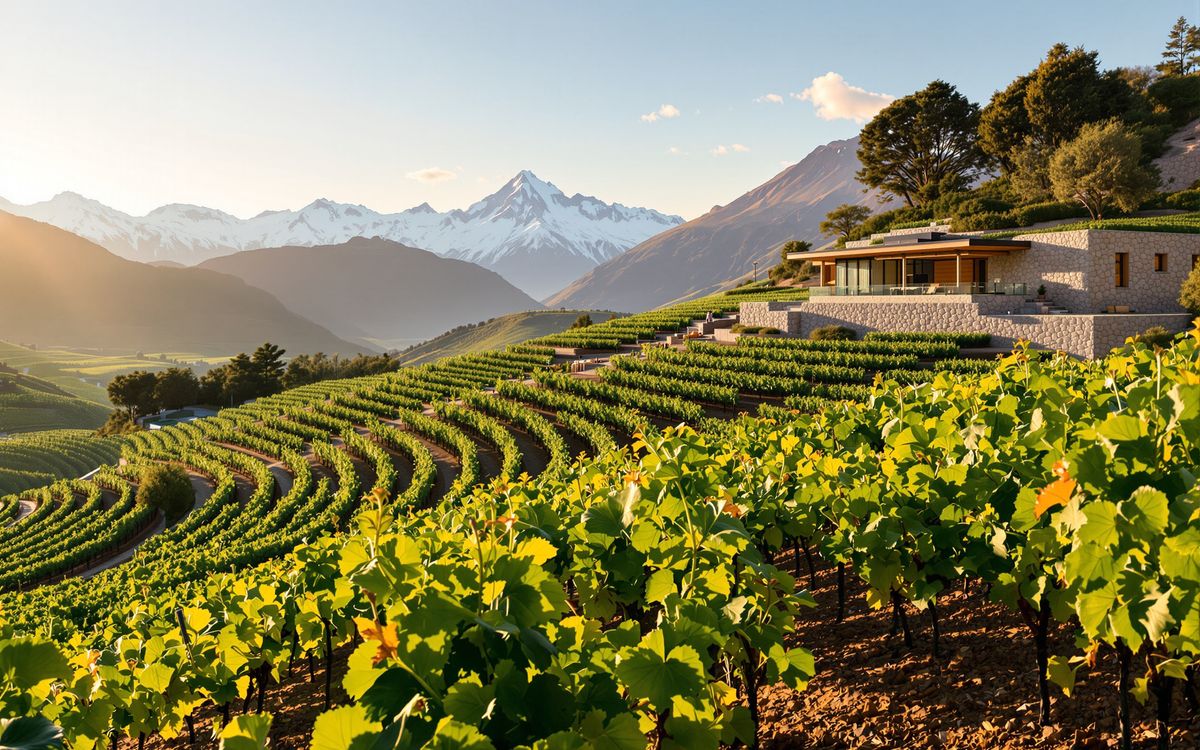
The Andes Mountains, a colossal spine running down South America, harbor a secret for wine lovers: a unique terroir where vineyards defy gravity, reaching for the sky. 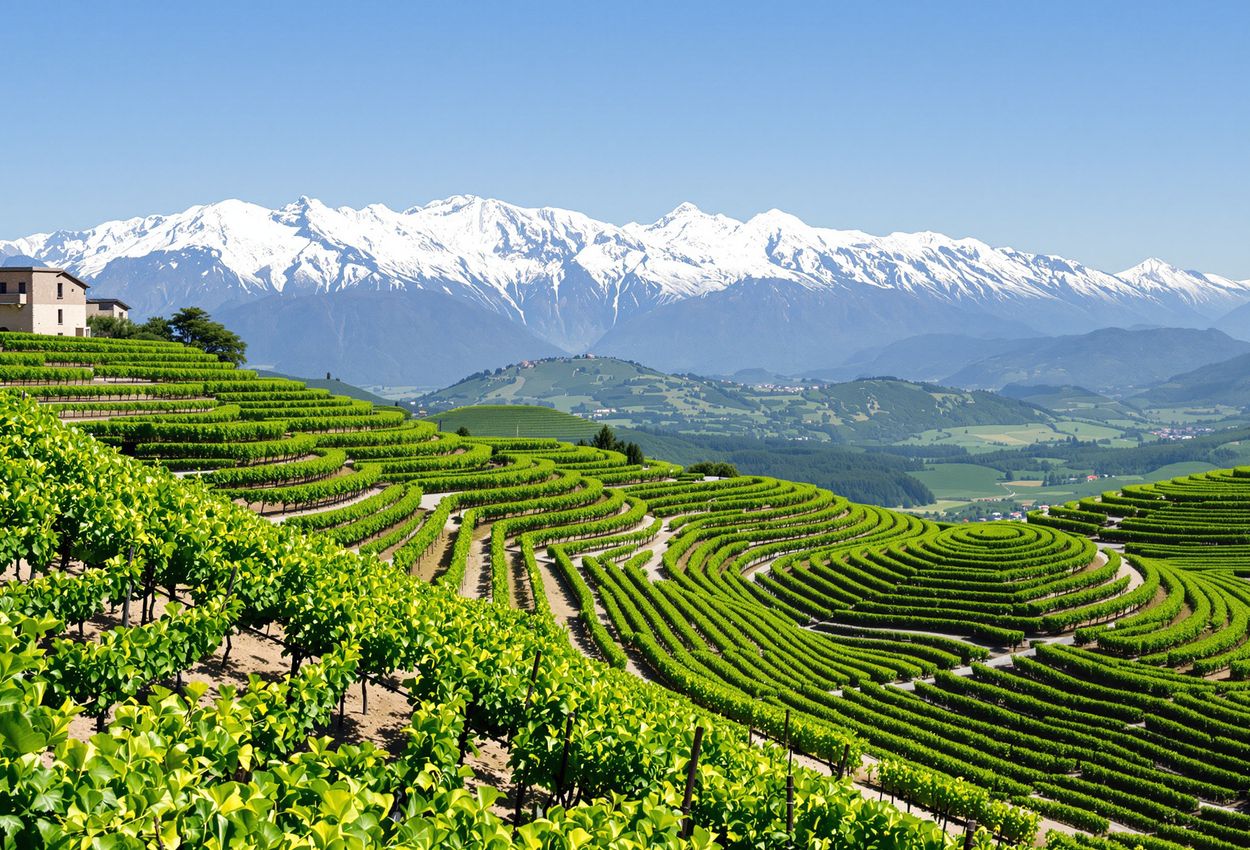
From the sun-drenched valleys of
Mendoza, Argentina to the emerging micro-regions of
Chile's Elqui Valley , the Andean wine region presents a dramatic landscape where winemaking is an art of adaptation. Here, vineyards are cultivated at extreme altitudes, some soaring over 9,000 feet (2,700 meters) above sea level in
Salta, Argentina , creating wines with unparalleled intensity and character.
The story of Andean winemaking is rooted in the early Spanish influence, with European grape varieties finding a new home in this challenging environment. These pioneers recognized the potential of the Andean foothills, where the combination of high altitude, intense sunlight, and pure mountain water could yield exceptional wines. Over centuries, these vineyards have evolved, adapting to the unique conditions and giving rise to a distinctive winemaking tradition.
Defying Gravity: Challenges of High-Altitude Viticulture
Winemaking in the Andes is not for the faint of heart. The extreme altitude presents a myriad of challenges that demand innovation and resilience from those who dare to cultivate these vineyards. 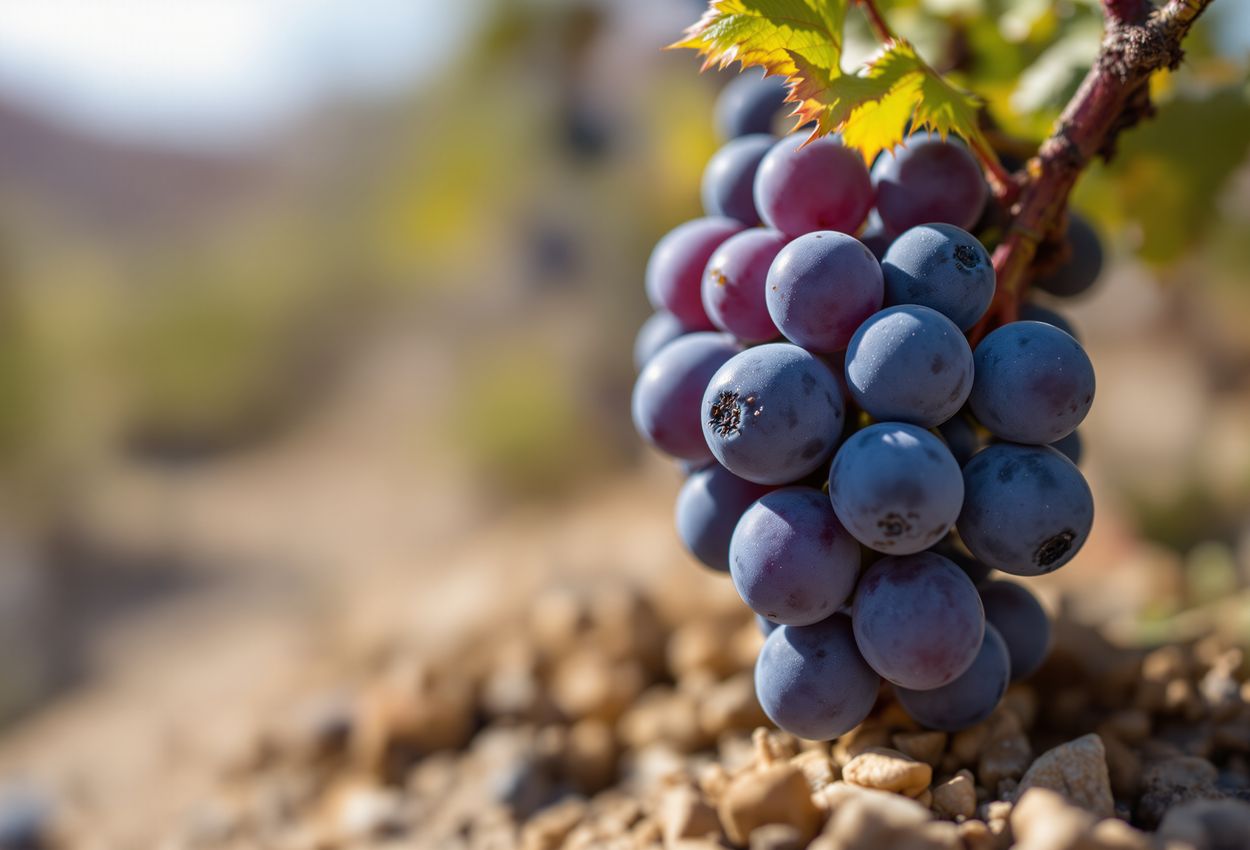
One of the most significant challenges is the increased solar radiation. At high altitudes, the thinner atmosphere filters less sunlight, resulting in intense ultraviolet (UV) exposure for the grapes. This forces the grape skins to thicken as a natural defense mechanism, leading to higher tannins and a more robust structure in the resulting wines.
The Andes also experience cooler temperatures and wider diurnal temperature variations – the difference between daytime highs and nighttime lows. This can be as high as 77 degrees ! These temperature swings slow down grape ripening, allowing for the development of complex flavors and aromas while preserving crucial acidity. However, it also brings the risk of frost, hail, and strong winds, which can devastate entire crops in a matter of hours.
Water is another precious resource in these arid, high-altitude regions. With limited rainfall, winemakers rely on Andean snowmelt for irrigation, often employing sophisticated drip systems to manage water resources efficiently. The steep slopes of the Andes further complicate matters, requiring manual labor and terracing to create cultivatable land. Despite these difficulties, the rewards of high-altitude viticulture are undeniable, with wines that express a unique sense of place and character.
Innovation in the Clouds: Techniques for Taming the Terroir
Andean winemakers are masters of innovation, constantly seeking new ways to overcome the challenges of their unique terroir. 
Drip irrigation systems are essential for managing water resources in the arid Andean climate. By delivering water directly to the roots of the vines, these systems minimize water loss through evaporation and ensure that the vines receive the precise amount of hydration they need.
Canopy management is another critical technique, used to protect grapes from the intense sunlight and promote ventilation. Winemakers carefully prune and position the vine leaves to create optimal shade and airflow, preventing sunburn and fungal diseases.
The selection of appropriate rootstocks and grape varieties is also crucial for success at high altitudes. Some rootstocks are better adapted to the poor soils and water stress of the Andes, while certain grape varieties thrive in the cooler temperatures and intense sunlight. Windbreaks and anti-hail netting are also employed to protect vineyards from the elements, minimizing the risk of crop damage.
Traditional winemaking methods are often adapted to suit the unique characteristics of Andean grapes. For example, some winemakers use longer maceration times to extract more tannins and color from the thicker grape skins, while others prefer gentler pressing techniques to avoid over-extraction.
Grapes of the Gods: Unique Varieties Flourishing in the Andes
The Andean wine region is home to a diverse range of grape varieties, each expressing its unique character in this extreme environment. 
Malbec reigns supreme as the signature grape of Argentina, particularly in Mendoza. This variety has adapted remarkably well to the Andean terroir, producing wines with intense color, rich tannins, and complex flavors of dark fruit, chocolate, and spice. At high altitudes, Malbec develops a distinctive floral aroma and a firm structure, making it a truly world-class wine.
Torrontés is another prominent Argentine variety, known for its aromatic qualities. This white grape produces wines with vibrant floral aromas of jasmine and rose, along with flavors of citrus and tropical fruit. The high acidity of Torrontés makes it a refreshing and food-friendly wine, perfect for pairing with spicy cuisine.
Other red varieties, such as Cabernet Sauvignon, Cabernet Franc, Merlot, and Syrah, have also found success in the Andes. These grapes benefit from the cooler temperatures and intense sunlight, producing wines with concentrated flavors, firm tannins, and excellent aging potential. White varieties like Chardonnay, Sauvignon Blanc, and Riesling also thrive in the Andean climate, retaining their acidity and developing complex aromas.
A Symphony of Flavors: Tasting the Essence of Andean Wines
High-altitude Andean wines offer a symphony of flavors, characterized by their bright acidity, concentrated fruit, and layered complexity. 
The rocky terroir and slow ripening process contribute to distinct spicy or mineral notes in these wines. The thicker grape skins, a result of intense sunlight, lead to higher tannins and structured red wines. Despite the high sugar levels due to sunlight intensity, cooler temperatures help maintain moderate alcohol levels, creating a balanced and harmonious profile.
Specific tasting notes vary depending on the region and grape variety. Mendoza Malbecs often exhibit flavors of black cherry, plum, and chocolate, with hints of violet and spice. Salta Torrontés wines are known for their intense floral aromas and flavors of grapefruit, peach, and jasmine. Aconcagua Valley Syrahs display notes of blackberry, pepper, and smoked meat.
The sensory experience of tasting Andean wines is further enhanced by their vibrant color, firm structure, and lingering finish. These are wines that demand attention and reward contemplation, offering a glimpse into the soul of the Andes.
Vineyard Visions: Exploring the Stunning Andean Wine Country
A journey through the Andean wine region is a feast for the senses, with breathtaking landscapes and unforgettable vineyard experiences. 
The Uco Valley in Mendoza is a must-visit destination, with its vineyards nestled against the backdrop of the snow-capped Andes. Here, visitors can explore world-class wineries, sample exquisite wines, and soak in the stunning scenery.
Salta offers a more rugged and adventurous experience, with vineyards climbing to extreme altitudes and showcasing the dramatic beauty of the Andean highlands. The emerging micro-region of Alcohuaz in Chile's Elqui Valley is another hidden gem, known for its clear skies, high-altitude viticulture, and unique wines.
The Aconcagua Valley in Chile, celebrated for its high-altitude vineyards and exceptional red wines, provides yet another facet of the Andean wine experience. Whether it's a guided tour of a historic winery or a horseback ride through the vineyards, wine tourism in the Andes is an unforgettable adventure.
Meet the Mavericks: Interviews with Andean Winemakers and Viticulturists
The heart and soul of Andean winemaking lie in the passionate individuals who dedicate their lives to cultivating these extreme vineyards. 
Winemakers and viticulturists in the Andes share a unique bond, united by their love for the land and their commitment to producing exceptional wines. They are true mavericks, constantly experimenting with new techniques and pushing the boundaries of what is possible.
In interviews, these individuals often speak of the challenges and rewards of working at high altitudes, sharing their personal stories and insights into the unique terroir of the Andes. They emphasize the importance of sustainable practices and their dedication to preserving the environment for future generations.
Their passion for showcasing the unique character of the Andes is evident in every bottle of wine they produce, making each sip a testament to their hard work and dedication. Their vision for the future of Andean winemaking is one of innovation, sustainability, and a continued commitment to quality.
Hidden Gems: Unearthing the Secrets of Andean Wine
Beyond the well-known wineries and popular grape varieties, the Andean wine region holds many hidden gems waiting to be discovered. 
The ancient irrigation systems developed by indigenous peoples, such as the Huarpes, are a testament to the ingenuity and resourcefulness of the region's early inhabitants. These systems, some of which are still in use today, are crucial for viticulture in the arid Andean climate.
Traditional practices like terracing and dry farming are also common in certain areas, showcasing the deep connection between the land and its people. Local cuisine and wine pairings offer another opportunity to experience the flavors of the Andes, with dishes like empanadas, locro, and grilled meats perfectly complementing the region's wines.
Small, family-owned wineries are preserving traditional winemaking methods, producing unique and authentic wines that reflect the heritage of the Andes. Lesser-known grape varieties and wine styles are also gaining recognition, offering a glimpse into the diversity and potential of the region.
Global Warming and the Ascent to Altitude: The Future of Wine
As the world grapples with climate change, the high-altitude vineyards of the Andes may hold the key to the future of winemaking. 
Cooler temperatures at higher altitudes can help preserve acidity and balance in grapes as global temperatures rise. This makes high-altitude viticulture an increasingly attractive option for winemakers seeking to mitigate the effects of climate change.
The potential for expanding vineyard areas at higher elevations in the Andes is significant, but it must be balanced with environmental and social considerations. Sustainable practices are essential for ensuring the long-term viability of Andean winemaking, including water conservation, soil management, and biodiversity protection.
The Andean wine region can serve as a model for other winemaking regions around the world, demonstrating how innovation and adaptation can help overcome the challenges of a changing climate. By embracing sustainable practices and exploring new frontiers, the Andean wine industry can continue to thrive for generations to come.
From the Andes to Your Table: A Guide to Sourcing and Enjoying High-Altitude Wines
Bringing the taste of the Andes to your table is easier than you might think. With a little research and planning, you can discover the unique flavors and aromas of high-altitude Andean wines. 
Many wineries and wine shops specialize in Andean wines, offering a wide selection of varieties and styles. Online retailers also provide access to these wines, allowing you to explore the region from the comfort of your home.
When cellaring and serving Andean wines, it's important to consider their unique characteristics. Red wines generally benefit from decanting to soften their tannins and release their aromas, while white wines should be served chilled to preserve their acidity and freshness.
Food pairings can further enhance the enjoyment of Andean wines, with local cuisine providing inspiration. From grilled meats to empanadas to spicy stews, the flavors of the Andes are a perfect complement to these exceptional wines. Ultimately, the best way to enjoy high-altitude wines is to explore their diversity and discover your own personal favorites.