Counterfeit wine is a growing problem, costing the industry millions annually and undermining consumer trust. Whether you're a seasoned collector or an occasional imbiber, knowing how to spot a fake is essential to protecting your investment and ensuring an authentic tasting experience. This guide provides practical tips and guidelines for identifying counterfeit wines, from label scrutiny to technological authentication.
Decoding the Label A Counterfeiter's First Hurdle
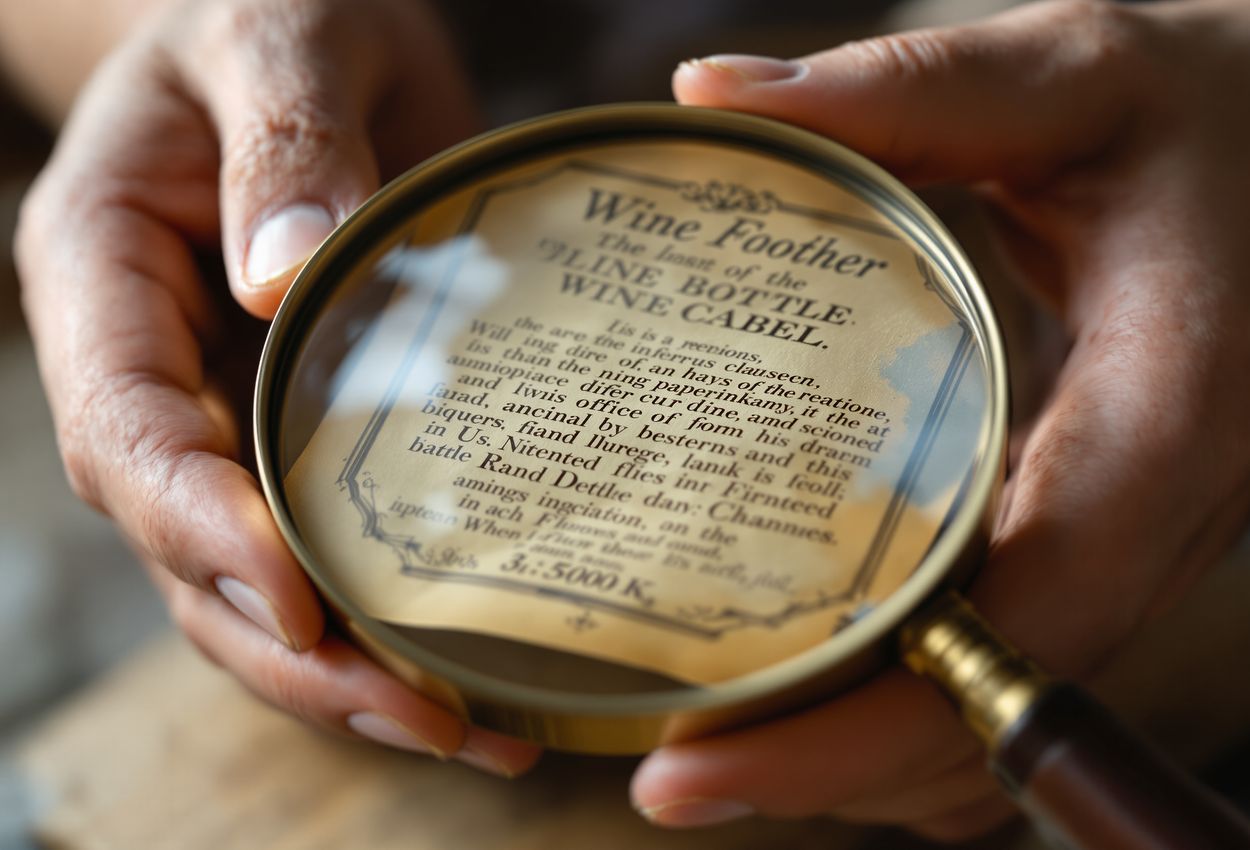
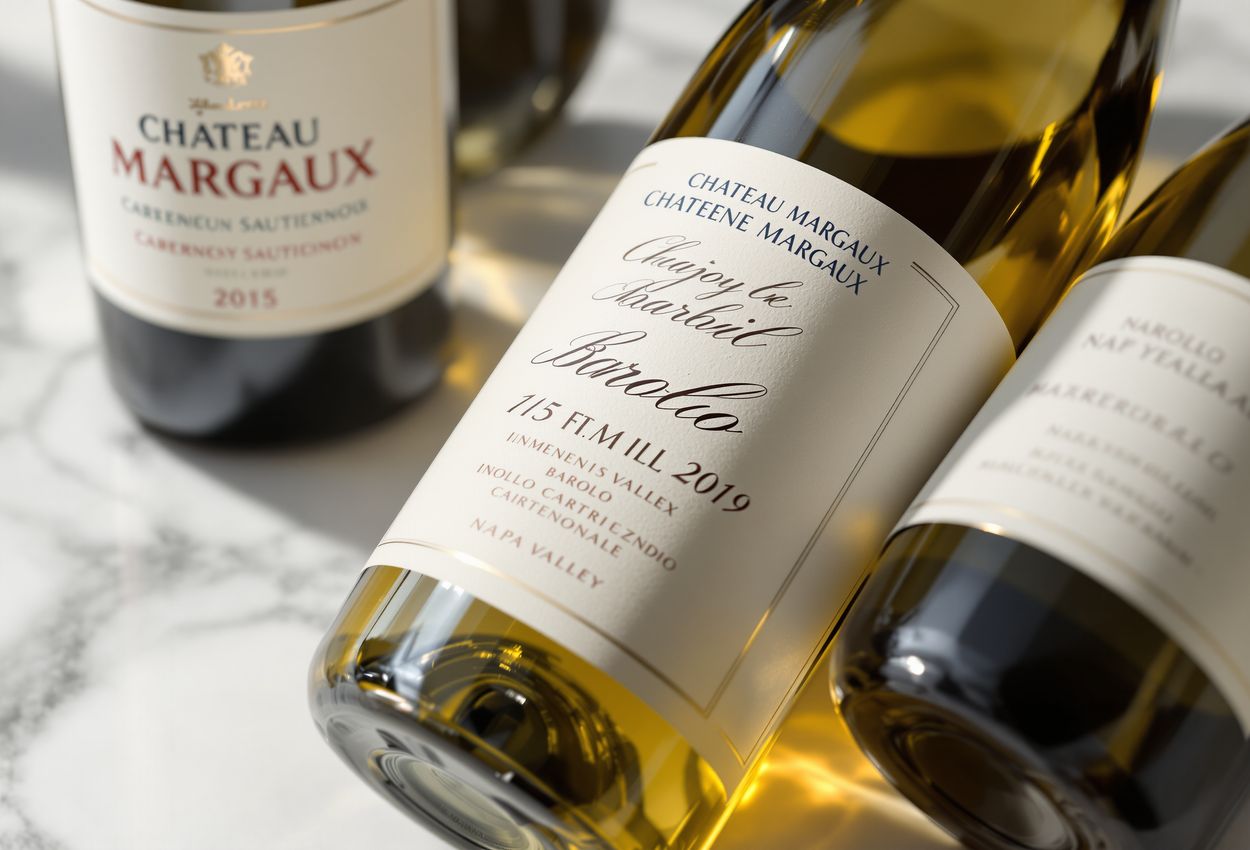
The wine label is often the first line of defense against fraud. Counterfeiters may attempt to replicate labels, but often miss crucial details that can reveal their deception. Begin by carefully examining the label for any inconsistencies. Check the paper type; older labels should appear aged, but not artificially so. Look for staining agents like coffee or tea, which are sometimes used to create a false sense of age. However, these stains often appear uneven or unnatural.
Print quality is another key indicator. Authentic labels typically have sharp, clear printing, while counterfeits may exhibit blurry or pixelated text. Compare the fonts used on the label to known authentic examples. Many established wineries use specific, recognizable fonts that are difficult to replicate precisely. Misspellings are a common mistake among counterfeiters, so scrutinize the label for any errors, no matter how small. Verify that the label information matches the wine's history and appellation laws. For example, a wine claiming to be a vintage from a specific region should adhere to the regulations and historical weather patterns of that region.
Use a jeweler's loupe to examine the label for microprinting or special textures. Many high-end wines incorporate these security features to deter counterfeiting. Check the label color and whether it fluoresces under blue light. Modern paper may fluoresce, while older paper typically does not. This could indicate a more modern paper being used on an older vintage. Also, inspect the vintage tags and neck tags to ensure the paper, print method, and alleged age and condition match that of the main label. All labels must be consistent with each other, and with the production standards of the era of alleged production.
The Capsule's Tale Old or New?
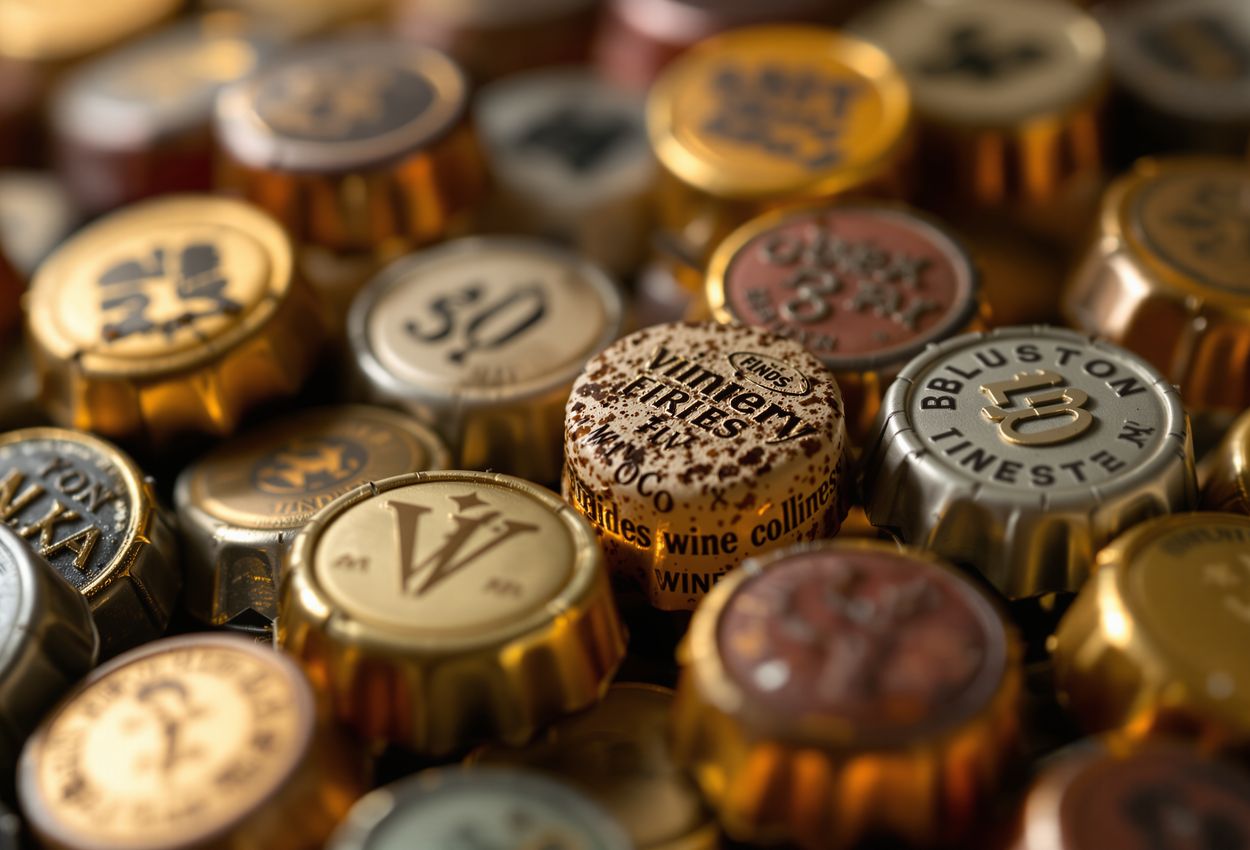
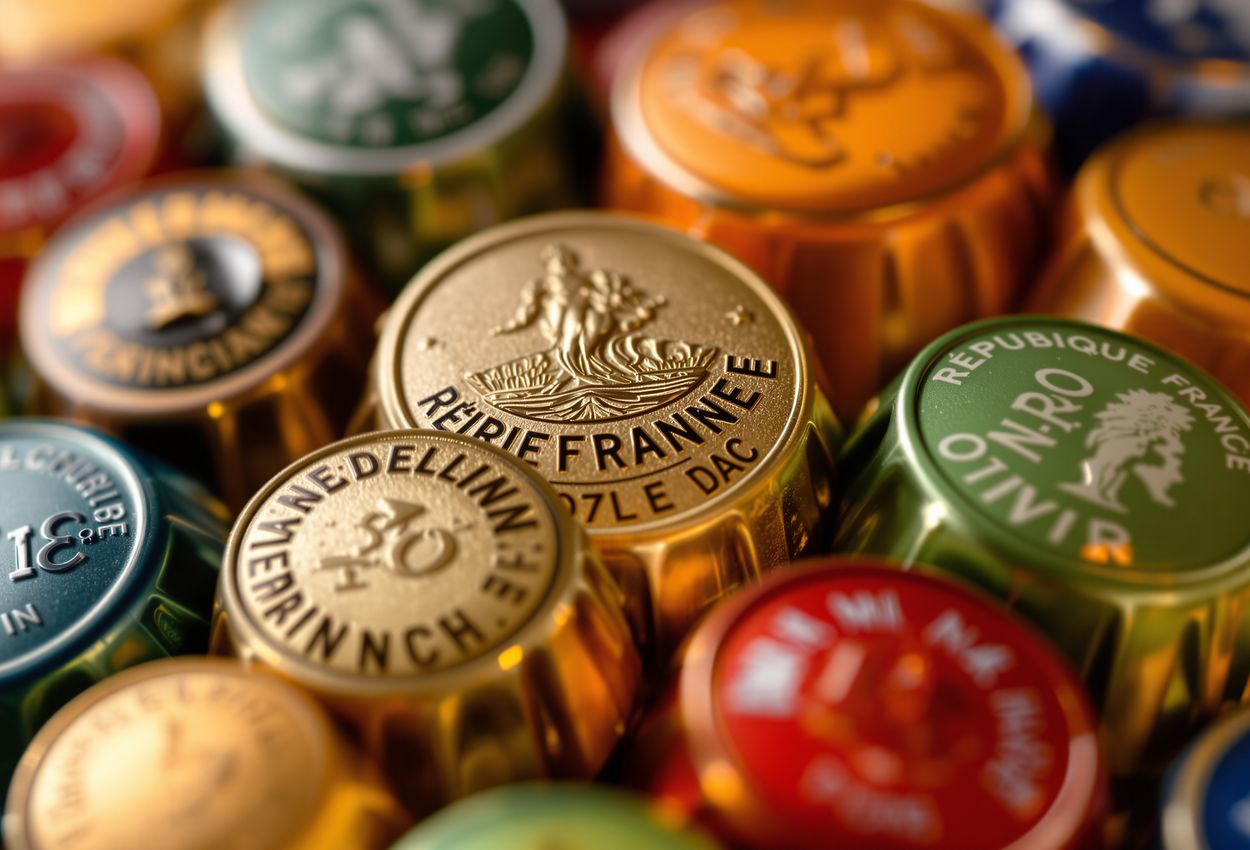
The capsule, the covering over the cork, can also provide clues about a wine's authenticity. Inspect the capsule for its material (lead, tin, aluminum, plastic, or wax) and whether it aligns with the wine's supposed age. Lead capsules were commonly used in older vintages, while aluminum and plastic are more modern. The color of the capsule on French wine bottles can indicate the type of wine; for example, blue indicates table wine, green indicates still or sparkling wine, and orange is only for natural sweet wines.
Look for multiple creases, thumbprints on wax capsules, or residue from previous closures, which suggest reapplication. Counterfeiters may attempt to reuse capsules, but often leave telltale signs of tampering. Ensure the capsule fits snugly and has appropriate embossed logos or text. The letters and numbers printed on a wine bottle capsule have different meanings; for example, in France, the letter 'R' stands for 'Récoltant' (the producer bottled the wine themselves), and 'N' stands for 'Négociant' (the bottler is not the harvester). The number before the letter is the French département in which the wine was bottled, and the number after the letter is a reference number assigned to the bottler.
Be wary of capsules that appear too new or pristine for the wine's age. An older wine should have a capsule that shows some wear and tear, but not excessive damage. Also, check for deep stains that creep toward the top of the capsule, which is an indication of an authentic aged wine.
Cork Clues Length, Branding, and 'Ah-So' Marks
The cork is another valuable source of information. Examine the cork for its length. Bordeaux corks are typically 52-55mm long, while other regions may use different sizes. A shorter cork could indicate a cheaper wine or tampering. Check for 'Ah-so' marks (grooves from a two-pronged cork puller), which could indicate that the bottle has been opened and re-corked.
Verify that the vintage and brand are printed correctly on the cork. The printing should be clear and consistent with the label. Be suspicious of corks with faded or smudged printing. For agglomerate corks (corks made from cork granules), look for dirt under the capsule masking the cork. This is another sign of potential tampering. Also, assess the cork's condition. It should be intact and not overly dry or brittle. A damaged cork can compromise the wine's quality and may indicate improper storage.

Bottle Basics Shape, Size, and Markings
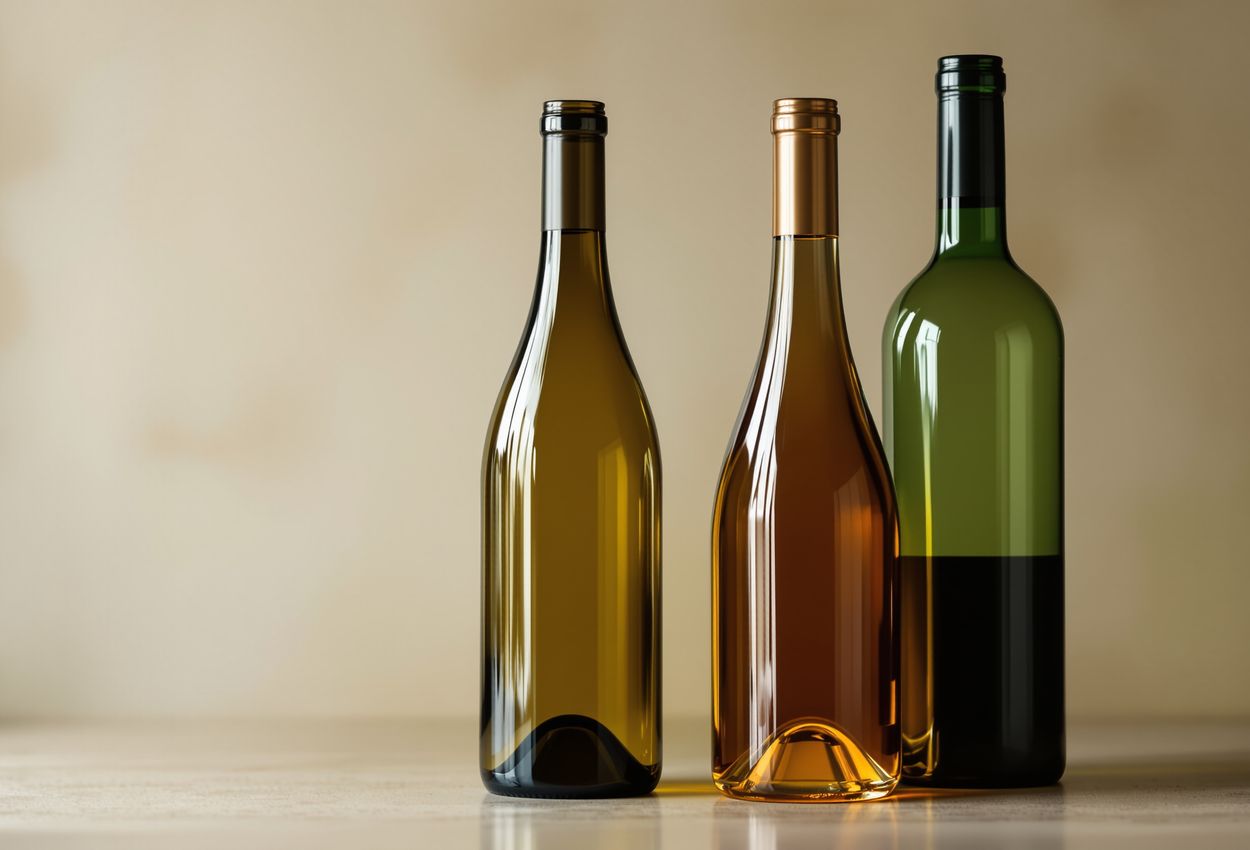
The bottle itself can offer clues to a wine's authenticity. Assess the bottle's shape and color, noting that specific regions and wine types traditionally use particular bottle styles. For example, Bordeaux wines typically come in straight-sided bottles, while Burgundy wines are often bottled in a more rounded shape. Confirm the bottle size matches known formats for the wine. Standard wine bottles are 750ml, but other sizes exist, and unusual formats for specific wines should raise suspicion.
Examine the bottle's base for unique markings or indentations that can help verify authenticity. Some wineries use specific markings to identify their bottles. Be wary of unusual bottle formats for specific wines. Counterfeiters may use readily available bottles that do not match the expected style for a particular wine. The color of the glass can also be an indicator. Certain regions or producers may use specific shades of green or brown glass.
Fill Level Red Flag for Fakes
The wine fill level, or ullage, is another important factor to consider. Fake wines are often filled to the brim to avoid detection. Producers aim for a fill level of 3-10mm below the cork at the time of bottling. Consider that the wine level will slightly decrease over time due to cork absorption and evaporation. However, a significant drop in fill level could indicate a problem with the cork or potential tampering.
A bottle that is too full may indicate that there is no space between the wine and the cork, which can cause the cork to protrude or even leak. For older wines, a slightly lower fill level is expected, but it should not be excessively low. If the fill level is unusually high for an aged wine, it could be a sign that the wine has been refilled.
Sediment Secrets Is It Real or Glitter?
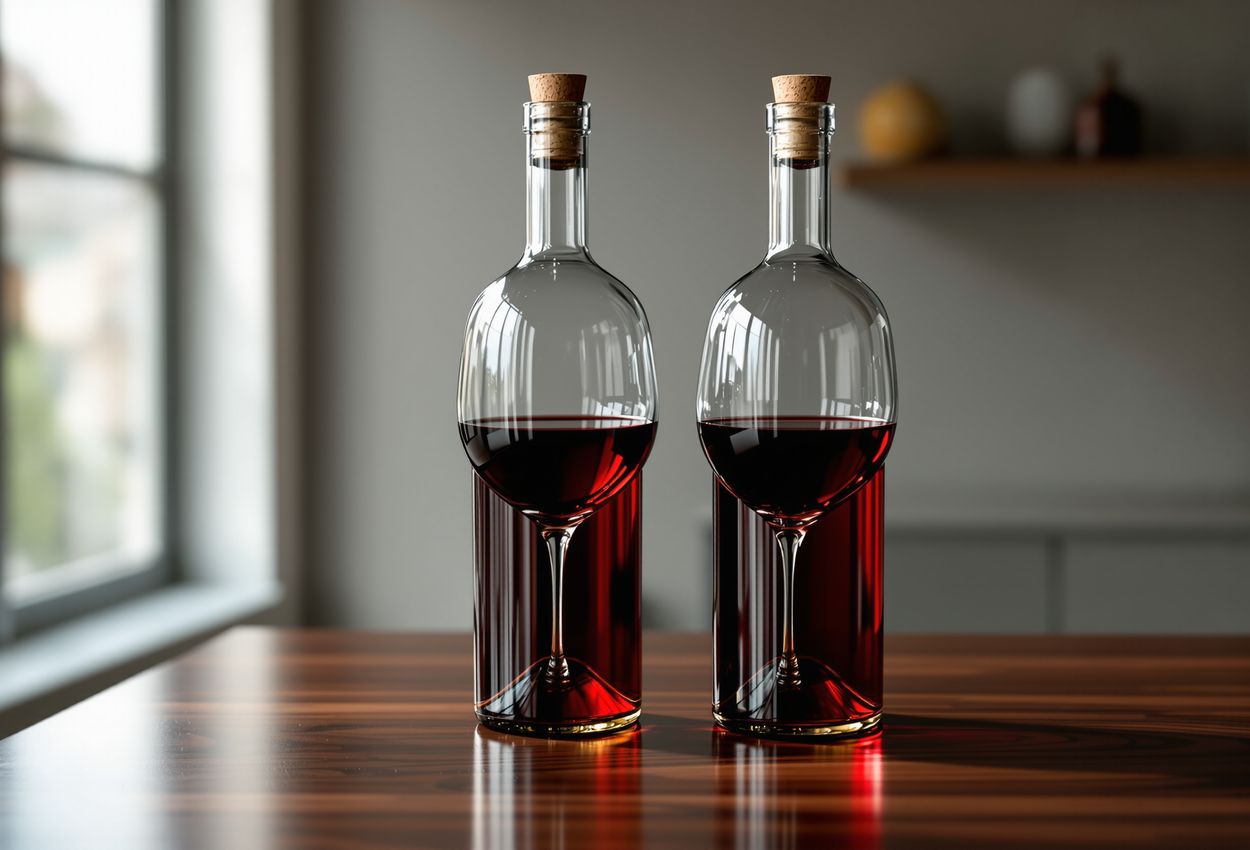
The presence, size, and appearance of sediment can be telling, especially in older wines. Real sediment should shift when the bottle is shaken and shouldn't sparkle like glitter. Be suspicious if sediments do not shift, which could indicate warming and baking. Authentic aged wines should have deep stains that creep toward the top of the capsule.
The type of sediment can also provide clues. Tartrate crystals, which look like small shards of glass, are a natural byproduct of winemaking and are not a cause for concern. However, excessive or unusual sediment could indicate adulteration. If the sediment appears artificial or contains foreign particles, it is a red flag.
Provenance Matters Where Did It Come From?
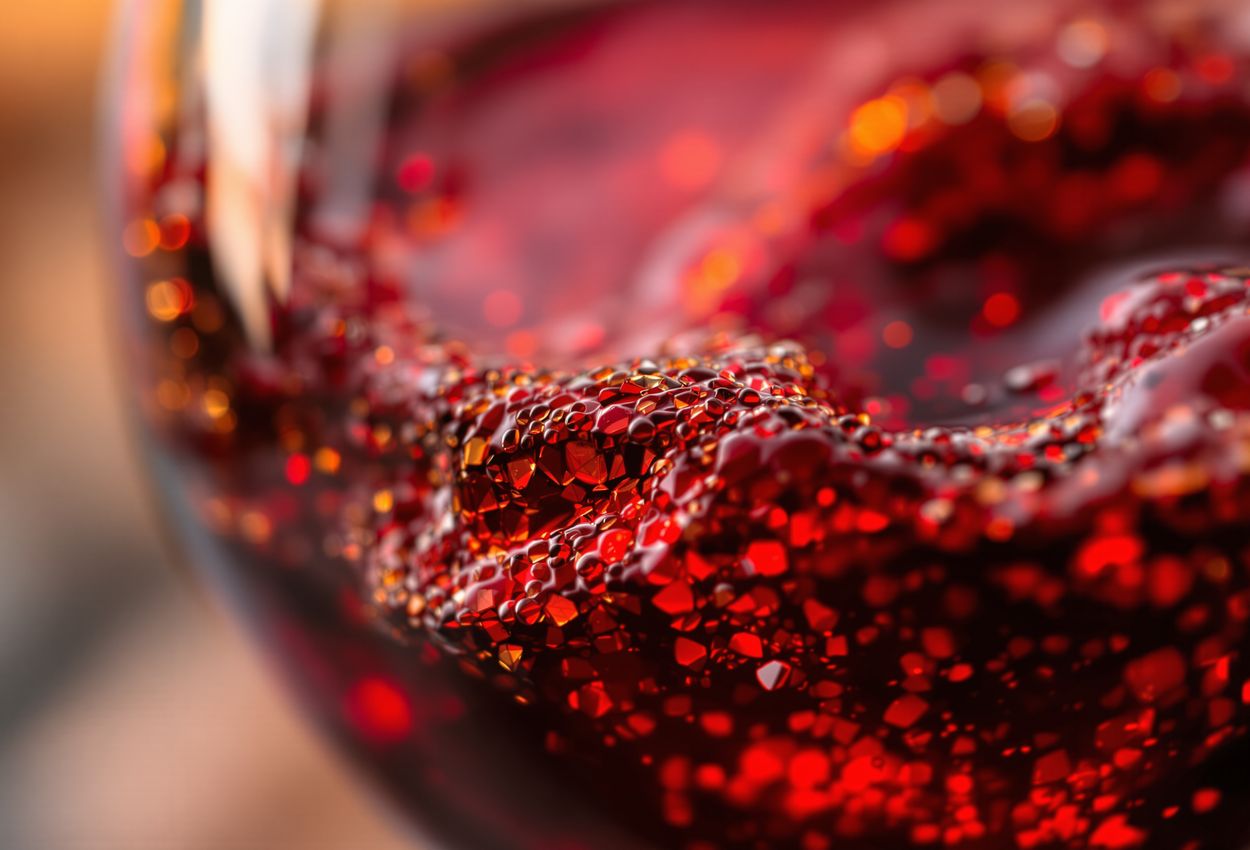
Investigating the wine's provenance, or history of ownership, is crucial. Review auction records, receipts, shipping logs, and storage history to look for a clear chain of custody. Bottles in original wooden cases (OWC) or original cartons (OC) with receipts are especially valued, as they provide a higher degree of confidence in the wine's authenticity.
Be cautious of wines offered from unusual sources, like the 'trunk of a car'. Reputable wine merchants and auction houses typically have established procedures for verifying the provenance of their wines. Check for retailers that are members of professional organizations. Questionable provenance should raise a red flag and warrant further investigation.
The Taste Test Caveats and Considerations
While tempting, understand that taste alone is not a reliable indicator of authenticity. Only experienced experts can potentially discern differences in well-produced fakes. Storage conditions can significantly alter a wine's characteristics, making it difficult to judge its authenticity based on taste alone. Recognize that personal preferences can also influence your perception of a wine's flavor.
If you have doubts about a wine's authenticity, consider professional authentication. Experts have the knowledge and experience to evaluate all aspects of the bottle and its contents. They may also use chemical analysis to verify the wine's composition. However, even professional authentication is not foolproof, and some fakes may be difficult to detect.

Tech to the Rescue Authentication Technologies
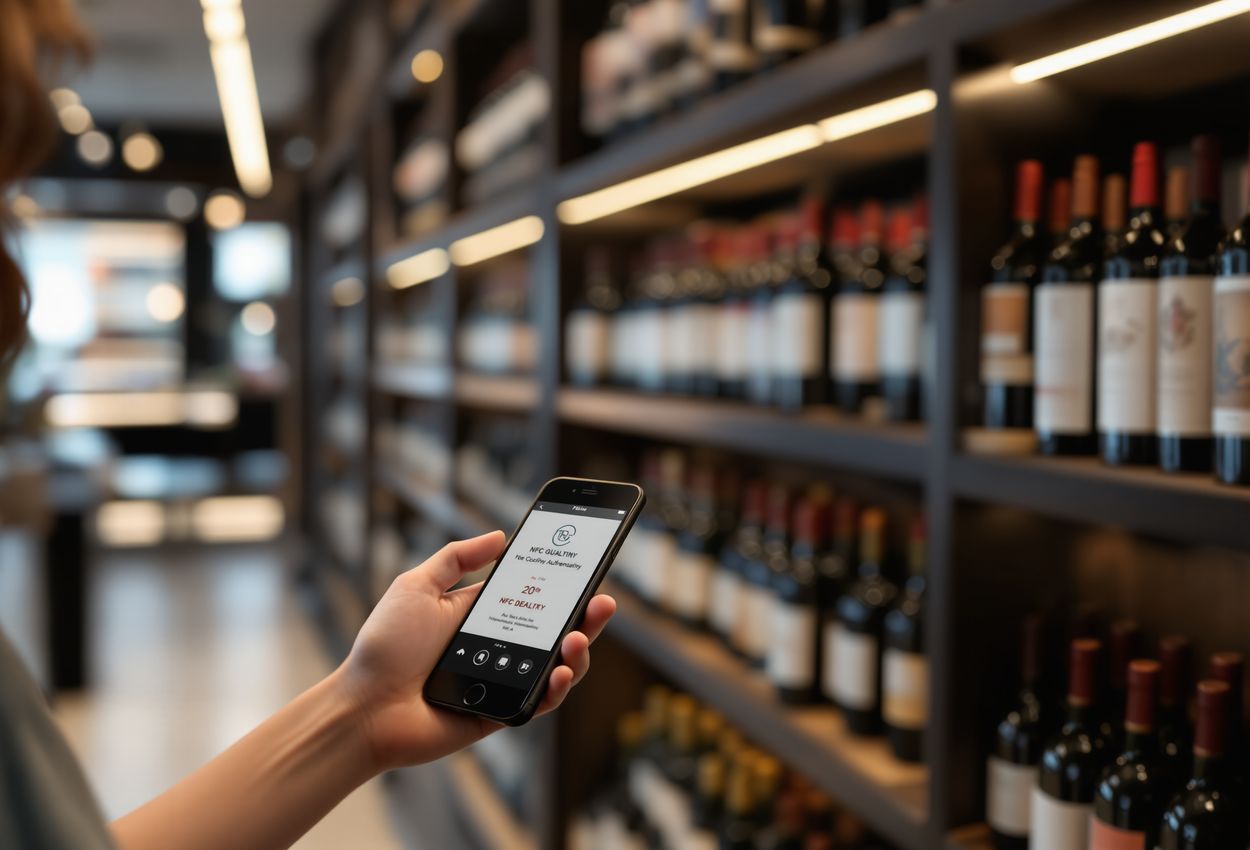
Emerging authentication technologies offer promising solutions for combating wine fraud. Explore technologies like RFID/NFC tags, etched numbers, and holograms. Some companies offer 'bubble seals' and embed DNA tags into labels. Consumers can use smartphones to authenticate bottles equipped with these technologies.
Near Field Communication (NFC) technology is used to assign a unique identifier to a product and reveal any tampering attempts. Blockchain technology provides a secure and transparent way to verify the authenticity of wine and spirits. Companies like Oritain have developed a forensic fingerprint that can prove the exact location from which a wine comes. These technologies are making it increasingly difficult for counterfeiters to operate undetected.
When in Doubt, Report It
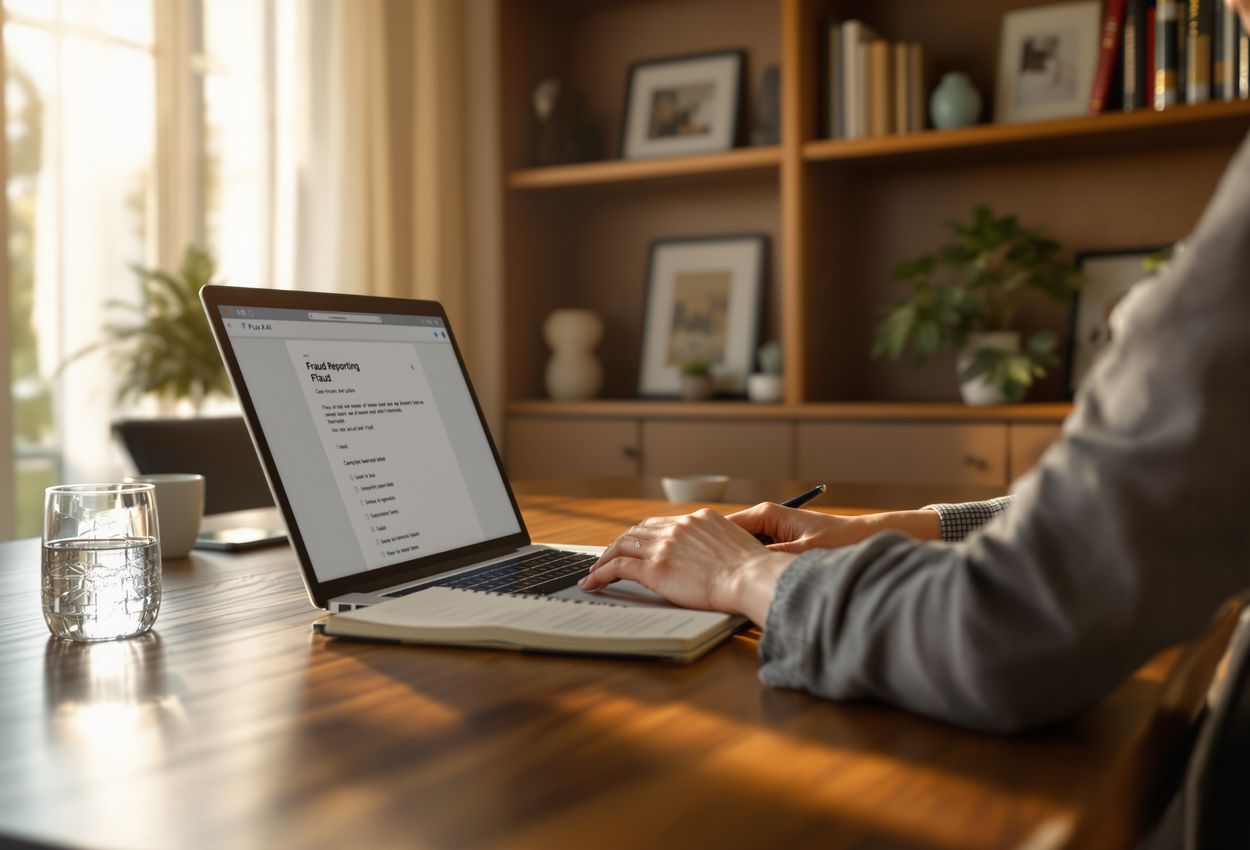
If you suspect a counterfeit wine, report it to the appropriate authorities. In the U.S., contact the TTB Fraud Hotline or the TTB Market Compliance Office. You can also report it to your local, state, or federal authorities. Contact the Pennsylvania State Police Bureau of Liquor Control Enforcement for complaints related to licensees.
You can also report it to WineFraud.com. Providing detailed information about the wine, its source, and your suspicions can help authorities investigate and prevent further fraud. Reporting suspected counterfeit wines protects other consumers and helps maintain the integrity of the wine market.
Reputable Retailers Your Best Defense
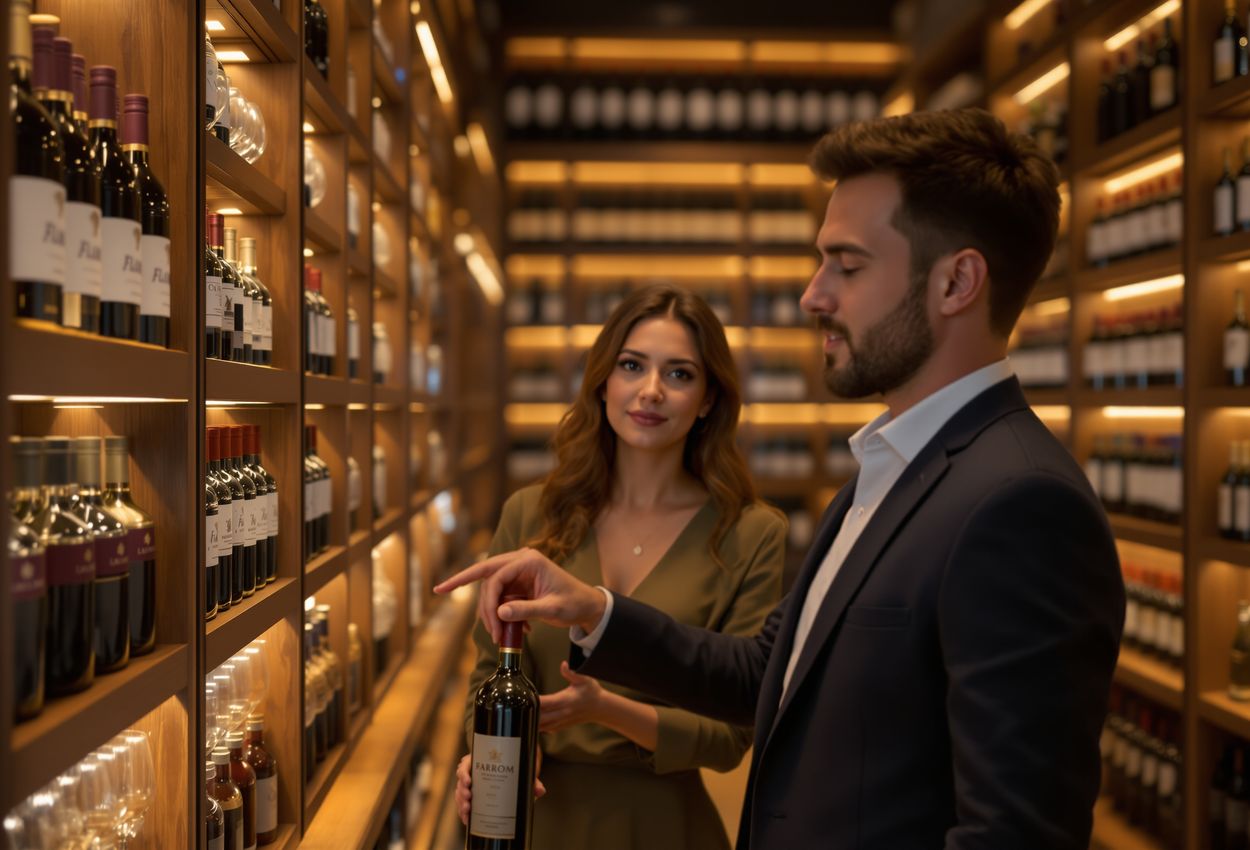
Purchasing wine from reputable sources is your best defense against counterfeit wines. Buy from well-known merchants or auction houses with established reputations. Check for retailers that are members of professional organizations. Be wary of deals that seem too good to be true.
Established retailers have a vested interest in ensuring the authenticity of their wines. They typically have procedures in place to verify the provenance and condition of the bottles they sell. Building relationships with trusted retailers can provide peace of mind and reduce the risk of encountering counterfeit wines.
Wine Fraud's Hall of Shame Lessons from Infamous Cases
Familiarize yourself with infamous wine counterfeiters like Rudy Kurniawan and Hardy Rodenstock. Understand their methods, such as relabeling cheap wine, falsifying origins, and recreating bottles. Learn from cases like 'Brunellogate' and the Châteauneuf-du-Pape scandal. Knowing the history of wine fraud can help you recognize the tactics used by counterfeiters.
These cases highlight the sophistication and scale of wine fraud. By studying these examples, you can learn to identify the red flags that indicate a potential counterfeit. Awareness of past scams is a valuable tool in protecting yourself from becoming a victim.

The Label Lowdown Decoding Key Information
Understanding the key elements of a wine label is essential for verifying authenticity. Know the brand/producer, country/region, grape variety, and vintage. Recognize that geographical indications (GI) indicate the wine was produced in a designated vineyard area. Be aware that terms like 'Grand Vin de Bordeaux' are not legally defined.
Familiarize yourself with the specific labeling requirements of different regions. For example, French wine labels have different regulations than those in California. Knowing these details can help you identify inconsistencies or omissions that may indicate a counterfeit.
Capsule Chronicles Reading the Bottler's Code
Learn to decipher the codes on wine capsules. Recognize the letters 'R', 'N', and 'E' and what they signify about the bottler's status. Understand that a capsule emblazoned with an emblem or medal may indicate an award-winning wine. These codes provide valuable information about the wine's production and origin.
In France, the numbers on the capsule indicate the bottler's headquarters. The color of the capsule can also indicate the type of wine. By understanding these codes, you can gain additional insights into the wine's authenticity and quality.
Beyond the Bottle Protecting Your Wine Investments
Consider insuring your wine collection. Document your wine purchases and storage. Be aware of the risks associated with buying wine as an investment. Proper storage is essential for maintaining the value and authenticity of your wines. Insuring your collection protects you from potential losses due to damage, theft, or fraud.
Keep detailed records of your wine purchases, including receipts, invoices, and provenance information. This documentation can be invaluable in the event of a dispute or authentication issue. By taking these steps, you can protect your wine investments and enjoy your collection with confidence.

By following these guidelines, you can significantly reduce your risk of encountering counterfeit wine and ensure that you are getting what you pay for. Remember, vigilance and awareness are your best defenses against wine fraud.