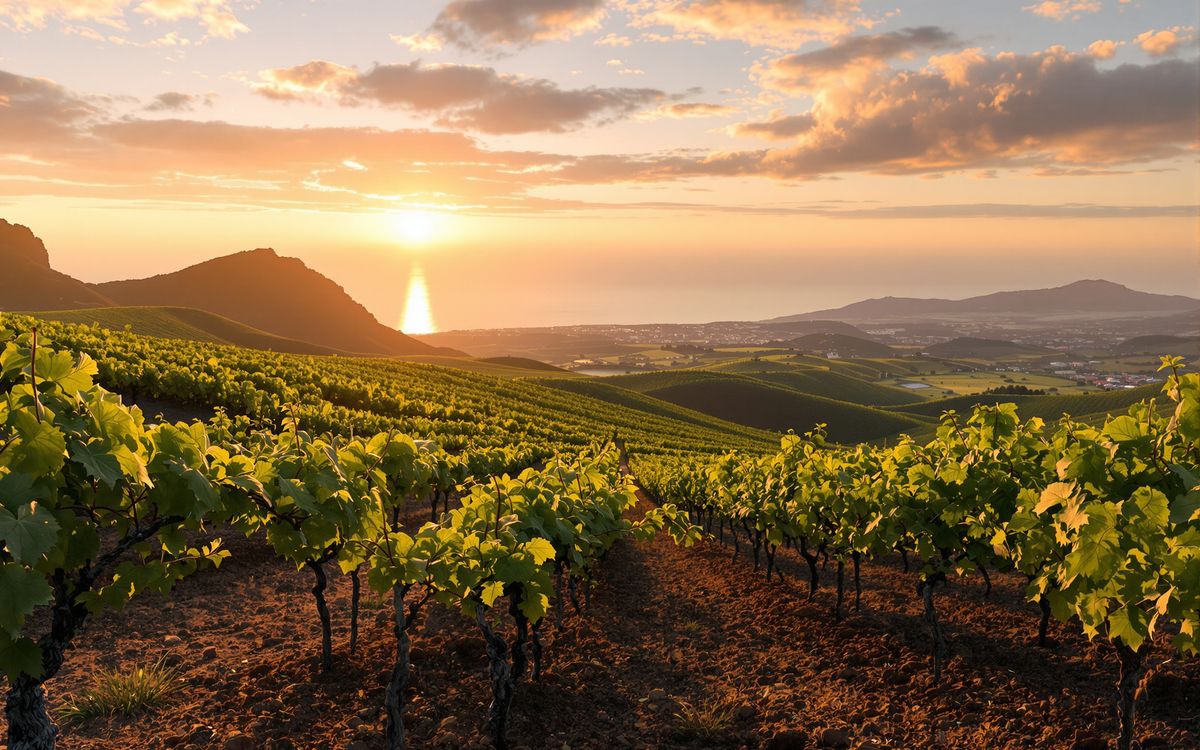
From the sun-kissed shores of the Mediterranean to the smoldering slopes of Mount Etna, Sicily beckons with a promise of vinous discovery.
This island, a crossroads of civilizations, boasts a winemaking heritage as rich and complex as its history. Forget the mass-produced plonk of yesteryear; today, Sicily is a hotbed of innovation, where passionate producers are crafting distinctive wines that capture the very essence of this captivating land.
A Sicilian Overture: Unveiling the Island's Viticultural Tapestry
Sicily, the largest island in the Mediterranean, is a land where ancient history intertwines with a vibrant present. For millennia, this strategic isle has been a coveted prize, its shores graced by the footsteps of Greeks, Romans, Arabs, and Normans, each leaving an indelible mark on its culture and traditions. Among these enduring legacies is the art of winemaking, a practice that stretches back to the arrival of the Greeks and Phoenicians, who recognized the island's immense potential for viticulture.
The secret to Sicily's vinicultural success lies in its unique terroir, a confluence of factors that contribute to the distinctive character of its wines. Abundant sunshine bathes the vineyards, ensuring optimal ripening of the grapes, while the warm Mediterranean climate tempers the heat, preserving crucial acidity and aromatic complexity. Perhaps the most defining element is the island's volcanic soils, particularly those surrounding Mount Etna, which impart a unique minerality and depth to the wines.
For many years, Sicily was known primarily for producing bulk wine, destined to bolster the blends of northern European countries. However, a quiet revolution has been brewing in recent decades, as a new generation of winemakers has embraced a philosophy of quality over quantity. These visionary producers are focusing on indigenous grape varieties, such as Nero d'Avola, Frappato, Carricante, and Grillo, coaxing out their full potential and showcasing the unique expression of Sicilian terroir. This dedication to quality has propelled Sicilian wines onto the world stage, earning them critical acclaim and a growing following among discerning wine lovers.

Mount Etna's Fiery Elixir: Wines Forged in Volcanic Terroir
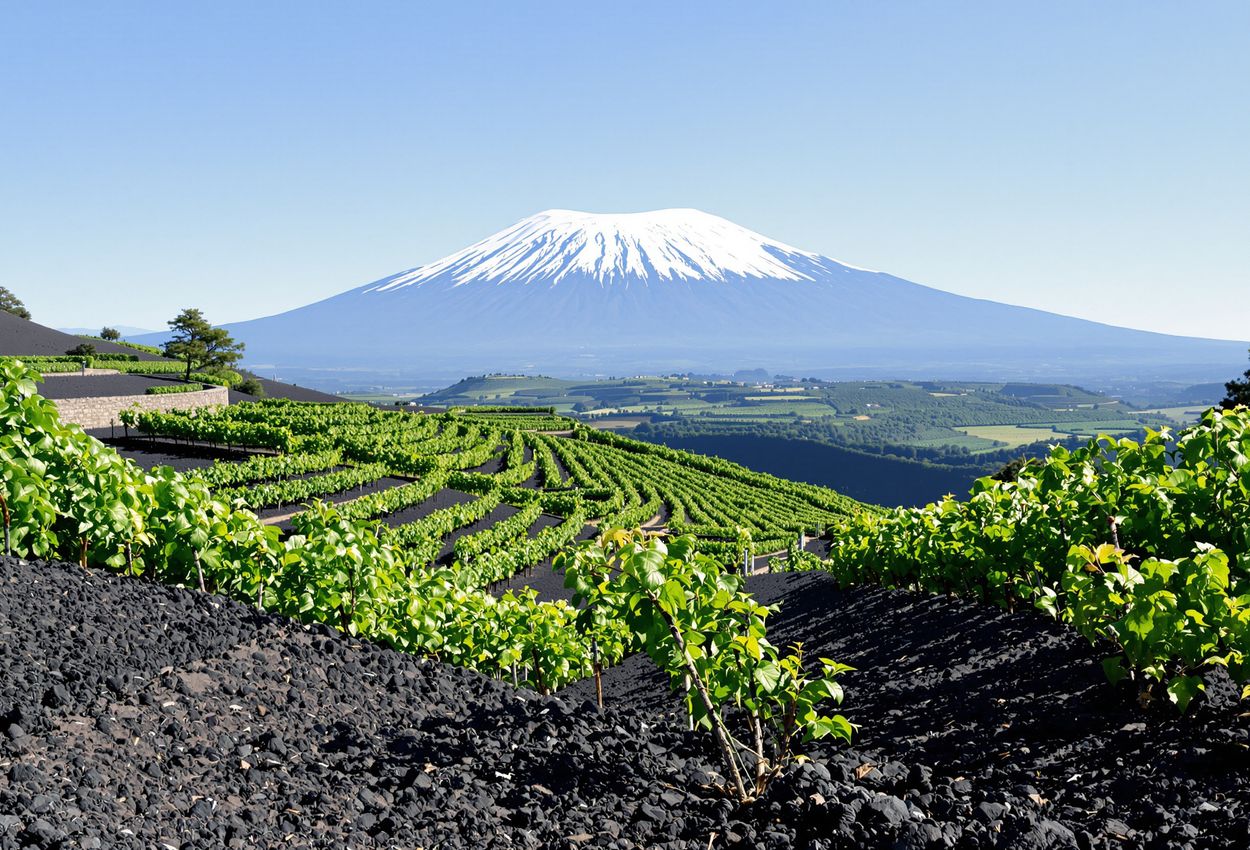
Mount Etna, Europe's largest active volcano, is not only a geological marvel but also the heart of one of Sicily's most exciting wine regions. Here, on the volcano's slopes, winemakers are defying convention, crafting wines that are as unique and compelling as the landscape itself.
The volcanic soils of Mount Etna are the key to understanding the region's distinctive wines. These soils, rich in minerals and nutrients, provide excellent drainage and impart a characteristic minerality to the grapes. The high altitudes of the vineyards, ranging from 400 to 1,100 meters above sea level, contribute to significant temperature variations between day and night, which helps to preserve acidity and develop complex aromas in the grapes. The intense sunlight, filtered by the thin mountain air, further enhances the ripening process.
Two grape varieties reign supreme on Mount Etna: Nerello Mascalese for reds and Carricante for whites. Nerello Mascalese, often compared to Barolo and Pinot Noir, is a late-ripening variety that yields elegant, structured wines with notes of red fruit, spice, and a distinctive volcanic minerality. Carricante, on the other hand, produces dry, medium-bodied white wines with zesty acidity and aromas of citrus, herbs, and flint.
Several wineries on Mount Etna have gained international recognition for their exceptional wines. Tenuta di Fessina, a winery located in the oenological heart of the North East slope of Mt. Etna, in the hamlet of Rovittello. Firriato also cultivates vineyards on the slopes of Etna. These producers are committed to sustainable viticulture and minimal intervention winemaking, allowing the unique terroir of Mount Etna to shine through in their wines.
Local Tip: For a truly unforgettable experience, visit a vineyard on Etna's northern slopes. Here, you can taste the wines amidst the stunning volcanic landscape, learn about the winemaking process from passionate producers, and savor the flavors of Sicilian cuisine paired with the region's exceptional wines. Tenuta di Fessina offers wine and local food tastings.
Marsala's Fortified Legacy: A Taste of Sicilian History
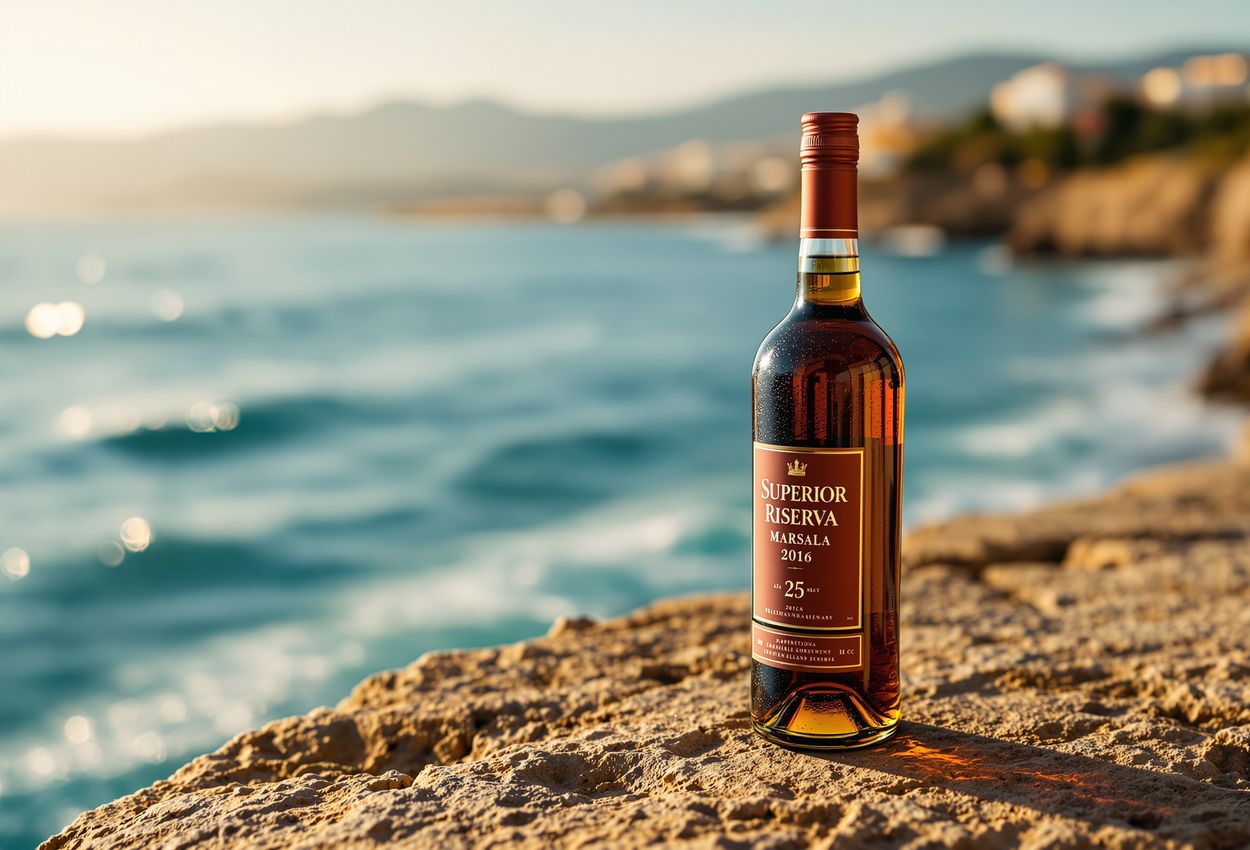
Marsala, a fortified wine from the western coast of Sicily, is a testament to the island's rich history and its enduring connection to the sea. Created in the 18th century by Englishman John Woodhouse, Marsala quickly gained popularity in England and beyond, becoming a symbol of Sicilian craftsmanship and entrepreneurial spirit.
The production of Marsala involves a unique process known as 'in perpetuum', which is similar to the solera system used for Sherry. This involves blending wines from different vintages, ensuring consistency and complexity in the final product. Marsala is available in a range of styles, from dry ('secco') to sweet ('dolce'), each with its own distinct characteristics and culinary applications.
Dry Marsala, with its nutty, savory notes, is a versatile aperitif that pairs well with Parmesan cheese and other aged cheeses. Sweet Marsala, on the other hand, is a delightful dessert wine that complements chocolate, pastries, and other sweet treats.
To experience the true essence of Marsala, seek out 'Superiore Riserva' bottlings, which are aged for a minimum of ten years. These wines offer a depth of flavor and complexity that is unmatched, showcasing the artistry and dedication of Marsala's finest producers.
Cantine Florio and Marco de Bartoli are two wineries that have helped to preserve the legacy of Marsala. Cantine Florio was founded in 1833 by Vincenzo Florio. These producers are committed to crafting high-quality Marsala wines that reflect the unique terroir of the region.
Cerasuolo di Vittoria: Sicily's DOCG Jewel
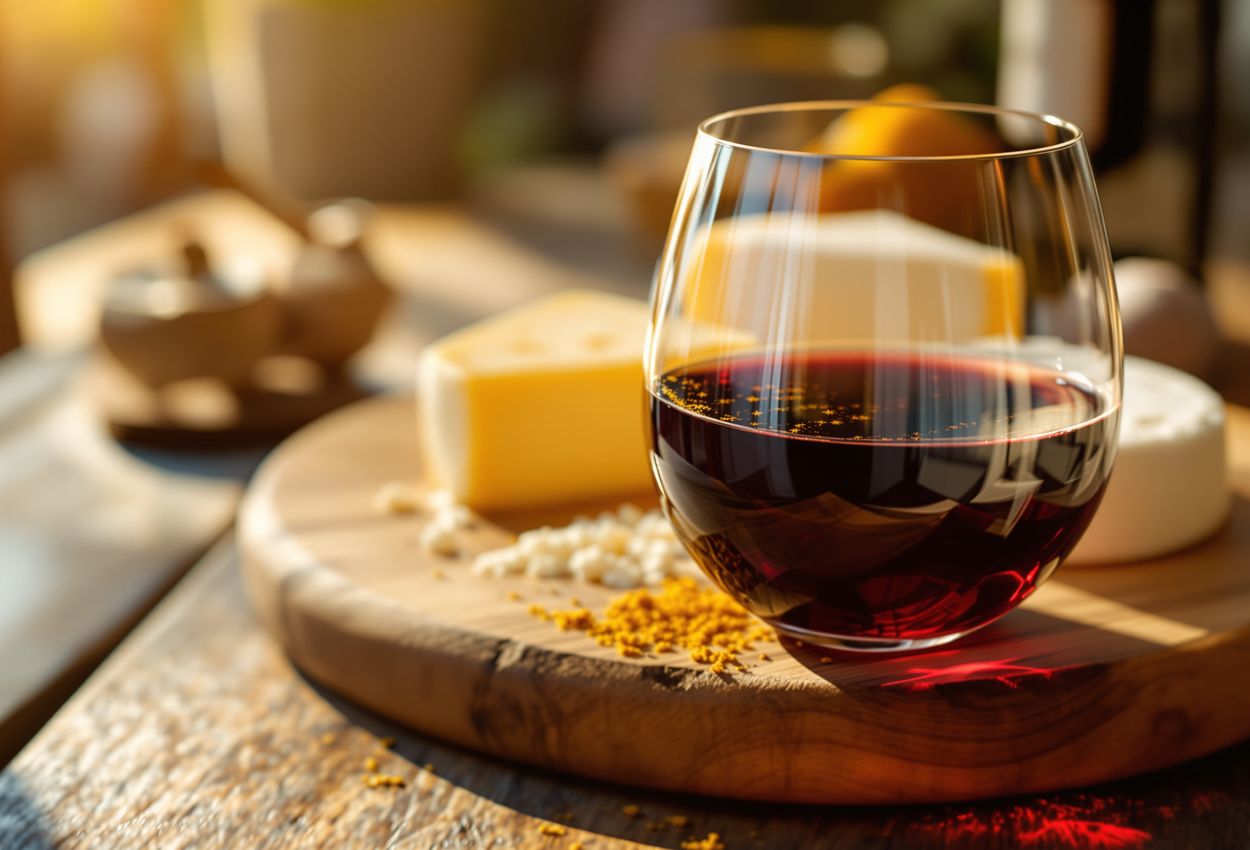
Cerasuolo di Vittoria, Sicily's only DOCG (Denominazione di Origine Controllata e Garantita) wine, is a testament to the island's ability to produce world-class wines that are both elegant and expressive. This unique red wine is produced in the Ragusa area of southeastern Sicily, where the blend of Nero d'Avola (50-70%) and Frappato grapes creates a wine that is unlike any other.
Cerasuolo di Vittoria is characterized by its bright red fruit flavors, hints of licorice and leather, and its smooth, velvety tannins. The wine's name, which translates to 'cherry red of Vittoria', reflects its vibrant color and its distinctive cherry aroma.
COS, a winery known for its commitment to biodynamic practices and its use of amphorae to age its wines, is one of the leading producers of Cerasuolo di Vittoria. Their wines are highly sought after for their purity, elegance, and their ability to express the unique terroir of the Ragusa area.
Local Tip: Visit Vittoria in late spring to experience the 'Festa del Cerasuolo', a celebration of the wine and the region's rich cultural heritage. During the festival, you can sample Cerasuolo di Vittoria from local producers, enjoy traditional Sicilian cuisine, and immerse yourself in the vibrant atmosphere of this charming town.
Nero d'Avola: The Island's Bold Red Icon
Nero d'Avola, Sicily's most planted and celebrated red grape, is a symbol of the island's vinicultural renaissance. This versatile variety, whose name translates to 'black of Avola', produces wines that range from youthful and fruity to complex and contemplative, showcasing the diversity of Sicilian terroir.
Nero d'Avola is characterized by its dark fruit flavors, such as blackberry and plum, its spicy notes, and its moderate tannins. The wine's versatility makes it a perfect match for a wide range of cuisines, from grilled meats and hearty stews to pasta dishes and aged cheeses.
Originally from the southeast of Sicily (Avola), Nero d'Avola is now cultivated across the island, with each region imparting its own unique characteristics to the wine. The wines from the warmer, coastal areas tend to be richer and more full-bodied, while those from the cooler, higher-altitude vineyards are more elegant and refined.
Nero d'Avola pairs beautifully with traditional Sicilian dishes like pasta alla Norma or caponata. The wine's acidity and tannins cut through the richness of the eggplant and tomato sauce, creating a harmonious and satisfying culinary experience.

Frappato's Fruity Charm: A Light-Bodied Delight
Frappato, a red grape variety known for its light body and fruity aromas, is a delightful alternative to the more robust reds of Sicily. This easy-drinking wine is perfect for warm weather sipping and pairs beautifully with a variety of light dishes.
Frappato is primarily cultivated in the Syracuse and Ragusa areas of southeastern Sicily, where the warm climate and sandy soils contribute to its distinctive character. The wine is characterized by its aromas of dried strawberry, pomegranate, olives, and rosemary, as well as its soft tannins and refreshing acidity.
Frappato plays a key role in Cerasuolo di Vittoria, where it contributes its fruity aromas and light body to the blend. However, it is also bottled as a standalone wine, offering a unique expression of the grape's potential.
Local Tip: Seek out a 100% Frappato wine from a smaller producer for a truly unique expression of the grape. These wines often showcase the grape's delicate aromas and flavors, as well as the unique terroir of the vineyard.

Carricante's Volcanic Whites: Elegance from Etna's Slopes
Carricante, the primary white grape of Mount Etna, produces wines that are as elegant and refined as the volcanic slopes on which they are grown. These dry, medium-bodied whites are known for their zippy acidity, their mineral complexity, and their ability to pair with a wide range of seafood dishes.
Carricante is characterized by its aromas of citrus, herbs, and flint, as well as its crisp acidity and its long, lingering finish. The wine's minerality, derived from the volcanic soils of Mount Etna, adds a unique dimension to its flavor profile.
Superiore Etna, a designation reserved for Carricante wines that contain at least 80% of the grape, is only permitted within the commune of Milo, a small village on the eastern slopes of Mount Etna. These wines are considered to be the pinnacle of Carricante production, showcasing the grape's full potential.
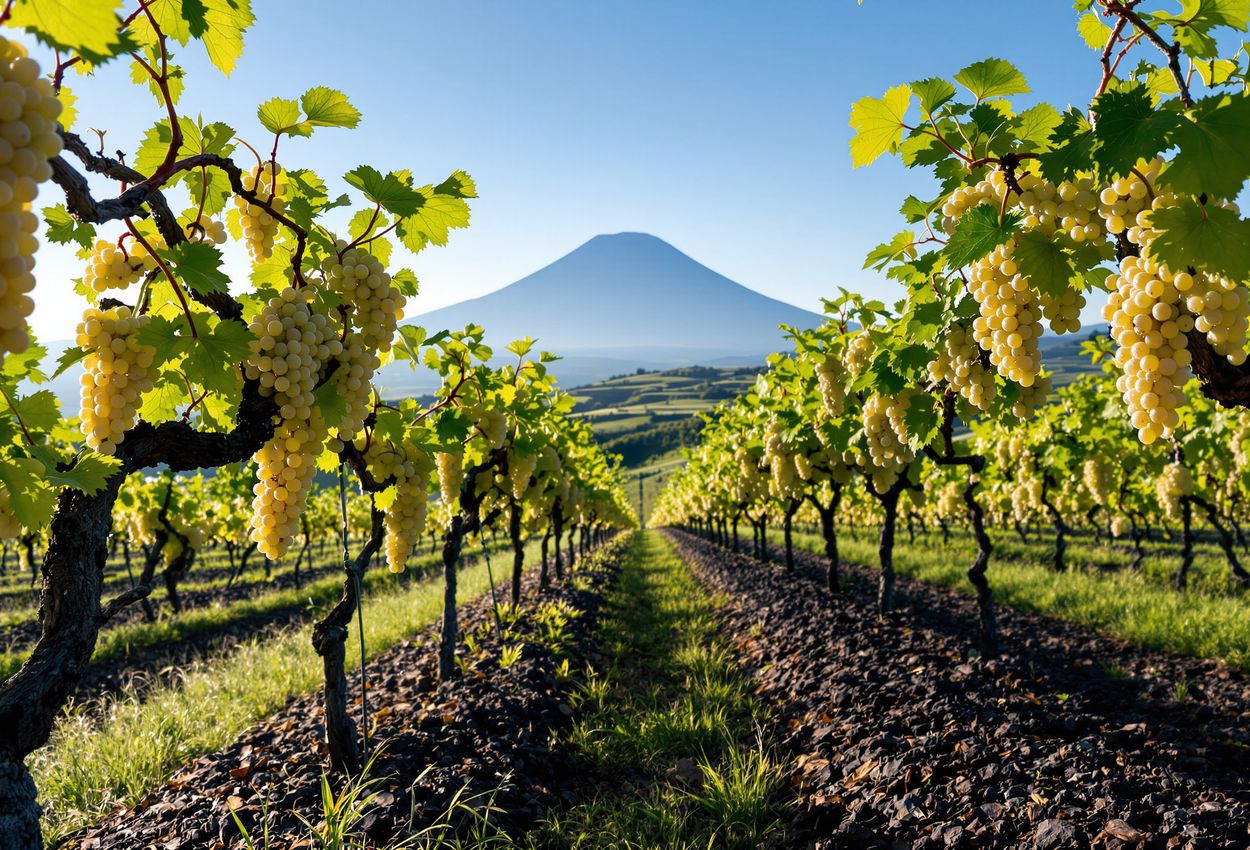
Grillo's Coastal Breezes: A Refreshing White Revelation
Grillo, a white grape variety used in Marsala and as a standalone wine, is a refreshing revelation from the coastal breezes of Sicily. This versatile grape is known for its medium body, its dry finish, and its aromas of white peach and citrus.
Grillo thrives in the warm, sunny climate of Sicily, where it produces wines that are both refreshing and complex. The grape's versatility makes it a perfect match for a wide range of dishes, from seafood and salads to grilled vegetables and light cheeses.
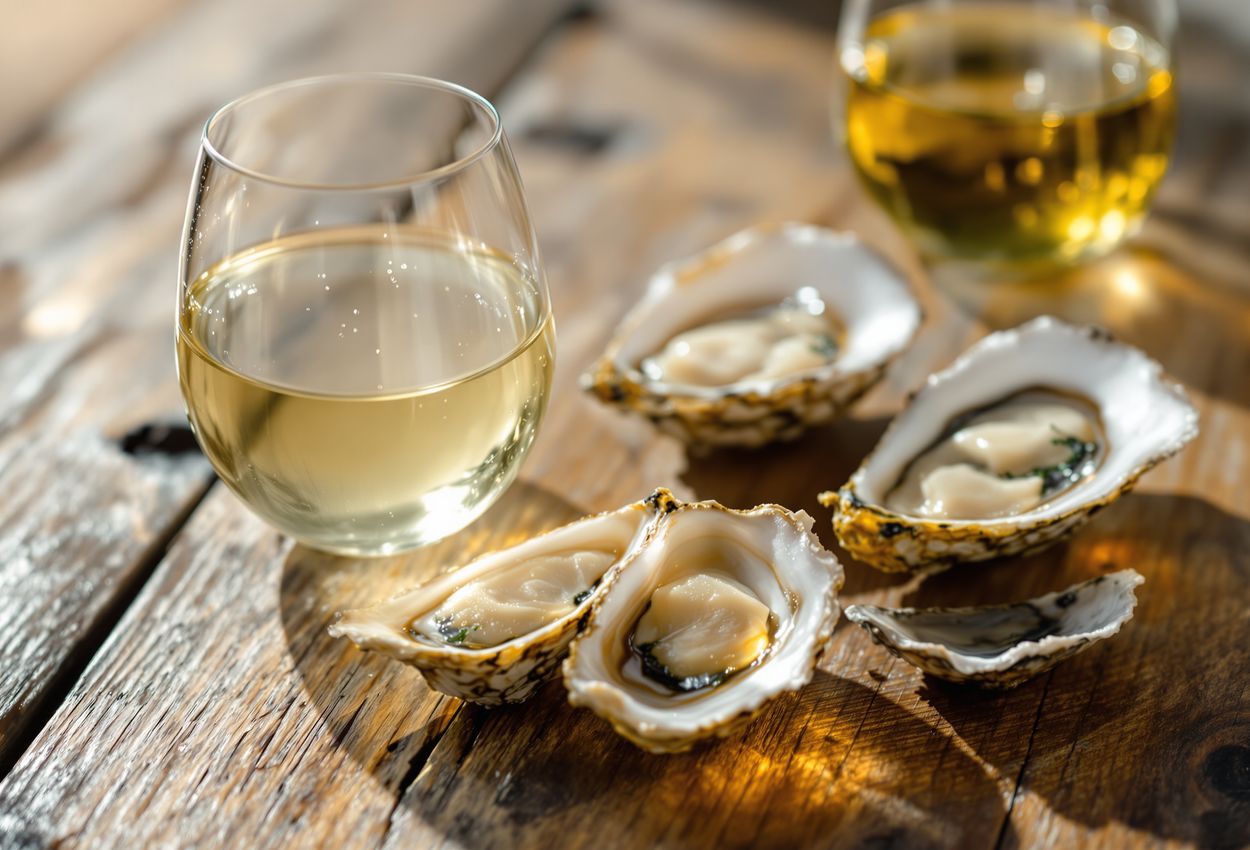
Grillo is an excellent aperitif, its bright acidity and refreshing flavors awakening the palate and preparing it for the meal to come. It also pairs beautifully with fresh oysters, its minerality complementing the briny flavors of the shellfish.
Local Tip: Visit a winery near Trapani to experience a Grillo tasting with a view of the Egadi Islands. Several wineries offer tastings of their Grillo wines, allowing you to savor the flavors of the grape while enjoying the stunning coastal scenery.
Catarratto's Ancient Roots: Sicily's Most Planted White
Catarratto, one of Sicily's most planted grape varieties, has ancient roots that stretch back to the island's earliest winemaking traditions. This versatile grape is used in blends and has the potential for producing elegant summer wines.
Catarratto is known for its different biotypes and its genetic link to Garganega. The grape's versatility makes it a valuable asset to Sicilian winemakers, who use it to create a variety of styles, from crisp, dry whites to more complex, age-worthy wines.
Catarratto pairs well with light dishes and seafood, its acidity and minerality complementing the flavors of the food. It is an excellent choice for summer sipping, its refreshing flavors and aromas providing a welcome respite from the heat.

Passito di Pantelleria: A Sweet Finale from a Volcanic Isle
Passito di Pantelleria, a dessert wine made from Zibibbo (Moscato d'Alessandria) grapes on the island of Pantelleria, is a sweet finale to any Sicilian wine adventure. This luscious wine is known for its intense aromas of apricot, honey, and candied citrus, as well as its rich, velvety texture.
The production of Passito di Pantelleria involves drying the grapes to concentrate their sugars, resulting in a wine that is both sweet and complex. The grapes are typically dried on mats in the sun, allowing them to shrivel and intensify their flavors.
Passito di Pantelleria pairs perfectly with Sicilian pastries like cannoli and cassata, its sweetness complementing the richness of the desserts. It is also a delightful accompaniment to blue cheese, its honeyed notes balancing the cheese's sharpness.