The world of wine is undergoing a technological transformation, with innovations reshaping every aspect of viticulture and winemaking. From precision vineyard management to AI-powered sommeliers, technology is enhancing efficiency, quality, and sustainability in ways previously unimaginable.
This article delves into the groundbreaking technologies that are redefining the wine industry, offering a glimpse into the future of winemaking. We'll explore how these advancements are not only optimizing processes but also preserving the art and tradition that make wine so special.
Sensing the Future: IoT and Precision Viticulture
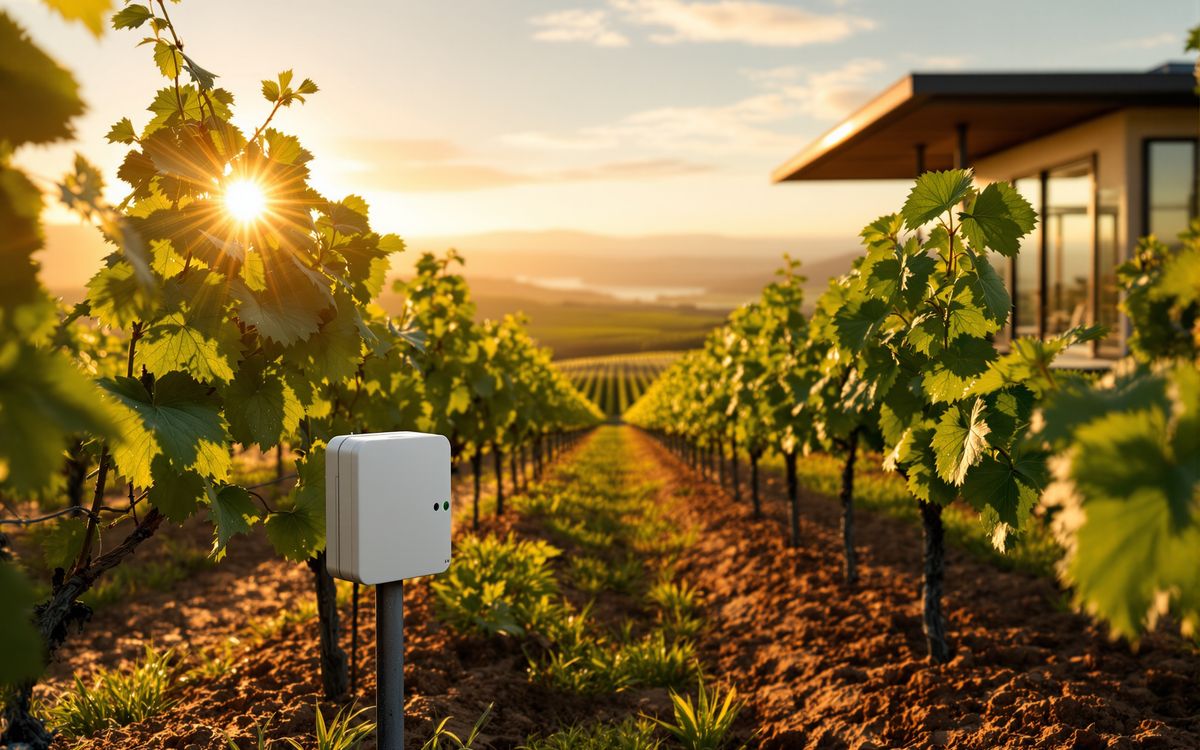
In the rolling vineyards of Napa Valley, a silent revolution is underway. Internet of Things (IoT) sensors are transforming vineyard management, providing real-time insights into the intricate needs of each vine. These sensors, strategically placed throughout the vineyards, act as vigilant monitors, constantly measuring soil moisture, temperature, and vine stress.
Bouchaine Vineyards, for example, has integrated Cisco Systems' sensor technology across its 100 acres, gathering crucial data points. This data is then transmitted to a real-time dashboard, providing winemakers with a comprehensive overview of their vineyard's health.
This level of detail allows for optimized irrigation, ensuring that water is used efficiently, a critical consideration in drought-prone regions. By understanding the specific needs of each vineyard block, wineries can reduce water usage while simultaneously improving grape quality.
Beyond irrigation, IoT sensors also play a crucial role in monitoring vine stress, helping winemakers identify potential problems before they escalate. This proactive approach allows for timely interventions, preventing disease and ensuring the overall health of the vineyard.
These sensors can track temperature, light, humidity, and water availability throughout the growing season. The sensor technology also measures the amount of light hitting individual grapevines within each block, giving the vintners valuable insight into the tannin development of grapes.
Hidden Gem: Tucked away in a quiet corner of Napa Valley, a small family-owned vineyard is using a unique combination of sensors and AI to predict optimal harvest time with remarkable accuracy. By analyzing data from soil moisture sensors, weather stations, and even sap flow monitors, the vineyard has been able to consistently produce exceptional wine quality. The vineyard uses sophisticated algorithms to crunch the data, identifying the precise moment when the grapes have reached their peak ripeness. This has allowed them to consistently produce wines with exceptional flavor and complexity.

Drone's-Eye View: Aerial Imaging and Vineyard Health
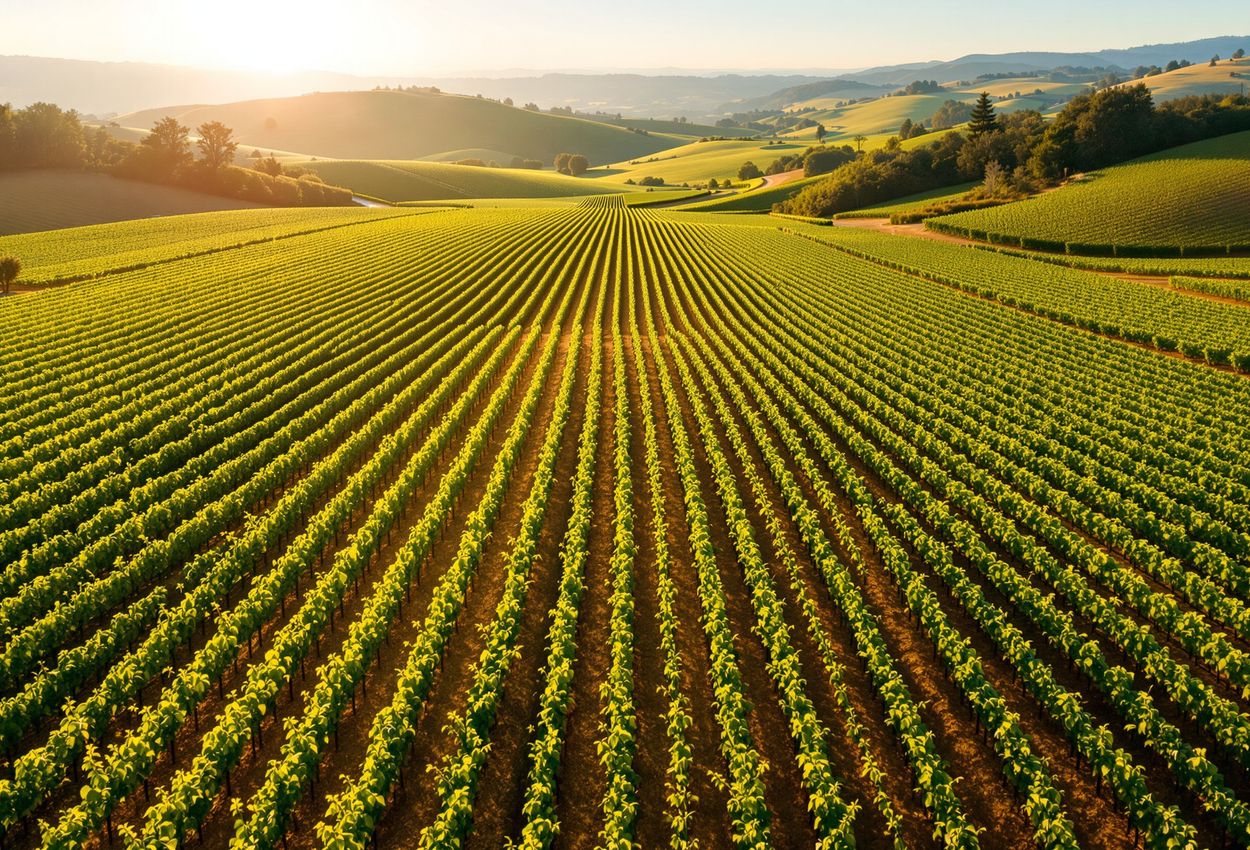
Across the Mayacamas Mountains in Sonoma County, drones are taking to the skies, providing winemakers with an unprecedented aerial perspective of their vineyards. These unmanned aerial vehicles are equipped with advanced imaging technology, including NDVI (Normalized Difference Vegetation Index), which assesses vine health and identifies areas needing attention.
NDVI measures the difference between near-infrared and red light reflected by vegetation, providing a quantitative measure of plant health. Healthy vines with dense canopies reflect more near-infrared light and less red light, resulting in a higher NDVI value.
By analyzing NDVI data, winemakers can identify areas of the vineyard that are stressed due to lack of water, disease, or nutrient deficiencies. This allows them to target interventions, such as irrigation or fertilization, to specific areas, optimizing resource allocation and improving overall vineyard health.
Drones can also be equipped with other sensors, such as thermal cameras, to detect subtle temperature variations within the vineyard. This information can be used to identify areas that are prone to frost damage, allowing winemakers to take preventative measures, such as deploying wind machines or applying anti-transpirants.
Hidden Gem: One innovative vineyard in Sonoma County is employing thermal imaging drones to detect subtle temperature variations, allowing them to prevent frost damage with targeted interventions. By identifying the coldest areas of the vineyard, the winery can deploy frost protection measures precisely where they are needed, minimizing water and energy usage.
Robotic Revolution: Automated Harvesting and Sorting
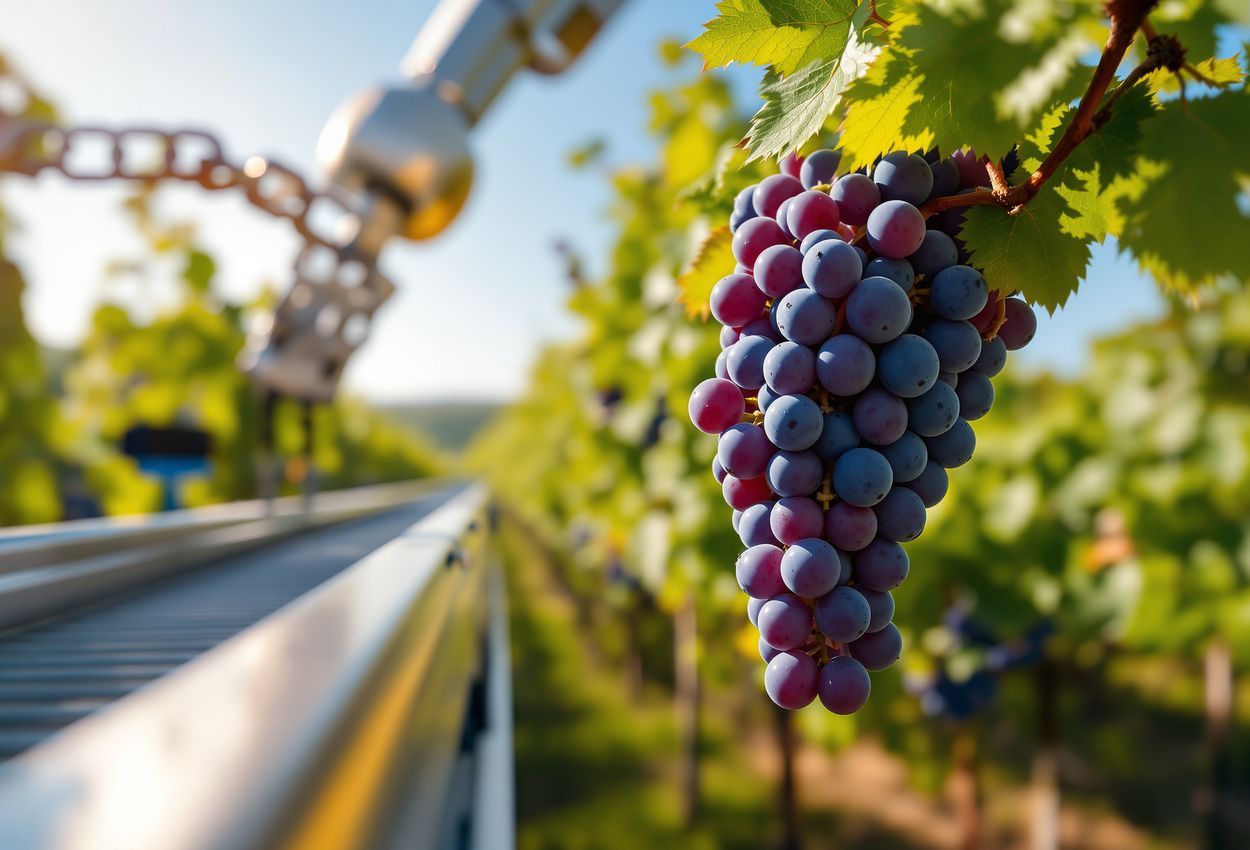
In the prestigious vineyards of Bordeaux, France, a new workforce is emerging: robots. These automated harvesting systems are increasing efficiency, reducing labor costs, and ensuring that grapes are picked at optimal ripeness.
AI-driven harvesters use computer vision and machine learning to identify ripe grapes, gently detaching them from the vine without damaging the fruit. These robots can work around the clock, ensuring that the harvest is completed quickly and efficiently, regardless of weather conditions.
Beyond harvesting, robots are also being used for sorting grapes, removing unwanted debris and ensuring that only the highest quality fruit makes it to the winery. Optical sorters use high-speed cameras to analyze each grape, identifying and removing those that are damaged or unripe.
While concerns about job displacement are valid, many in the industry believe that robots will augment, not replace, skilled vineyard workers. Robots can handle the repetitive and physically demanding tasks, allowing human workers to focus on more skilled activities, such as pruning, canopy management, and winemaking.
Hidden Gem: One forward-thinking vineyard in Bordeaux is using robots not only for harvesting but also for pruning and canopy management, significantly reducing labor needs and improving vine health. These robots use advanced sensors and AI algorithms to precisely prune vines, optimizing airflow and sunlight exposure, leading to healthier and more productive vines.
Lab in a Glass: Advanced Wine Analysis Technologies
In the heart of Barossa Valley, Australia, wineries are embracing advanced wine analysis technologies to ensure the highest levels of quality and consistency. NIR (Near-Infrared) spectroscopy and AI-driven platforms enable rapid and accurate measurement of key wine components, such as sugar, acidity, and alcohol content.
NIR spectroscopy uses infrared light to analyze the chemical composition of wine, providing a detailed fingerprint of its unique characteristics. This technology allows winemakers to quickly assess the quality of their wine at various stages of production, making informed decisions about blending, aging, and bottling.
AI-driven platforms take this analysis a step further, using machine learning algorithms to predict wine quality and consumer preferences. By analyzing vast datasets of wine chemistry and sensory data, these platforms can identify the optimal blend and aging conditions for each wine, ensuring that it meets the highest standards of quality.
Hidden Gem: One innovative winery in Barossa Valley is using a portable NIR spectrometer combined with AI to predict consumer preferences based on wine chemistry, leading to more targeted marketing and increased sales. By understanding the chemical compounds that drive consumer liking, the winery can create wines that are specifically tailored to their target market.

Sustainable Sips: Tech for Eco-Friendly Winemaking
In the sun-kissed region of Tuscany, Italy, technology is playing a vital role in promoting sustainability in winemaking. Precision irrigation systems, renewable energy sources, and waste reduction strategies are helping wineries minimize their environmental impact and conserve resources.
Precision irrigation systems use sensors and weather data to deliver water only when and where it is needed, reducing water consumption and preventing waterlogging. Renewable energy sources, such as solar and wind power, are helping wineries reduce their carbon footprint and become more energy independent.
Waste reduction strategies, such as composting grape pomace and using it as fertilizer, are minimizing waste and creating a closed-loop system. These efforts are not only good for the environment but also appeal to the growing consumer demand for sustainably produced wines.
Hidden Gem: One eco-conscious winery in Tuscany is using a closed-loop water system that recycles and reuses water, reducing water consumption by up to 80% and minimizing waste. The winery collects rainwater and wastewater, treating it through a series of filtration and purification processes, before reusing it for irrigation and cleaning purposes.

AI Sommelier: Personalizing the Wine Experience
AI-powered wine recommendation systems are transforming the consumer experience, providing personalized suggestions based on individual preferences. Apps and platforms use AI to analyze consumer tastes, suggesting wines that are likely to appeal to their unique palates.
Wineries are also using AI to enhance customer engagement and drive sales. AI-powered chatbots can answer customer questions, provide wine recommendations, and even guide virtual wine tastings.
These technologies are not only convenient for consumers but also provide wineries with valuable data about customer preferences, allowing them to tailor their offerings and marketing efforts.
Hidden Gem: A restaurant in New York City is using an AI sommelier to pair wines with dishes based on diners' individual taste profiles, creating a unique and memorable dining experience. The AI system analyzes the chemical composition of each dish and the diner's past preferences, suggesting wine pairings that are perfectly matched to their palate.

Blockchain Bottling: Ensuring Authenticity and Traceability
Blockchain technology is revolutionizing wine authenticity and traceability, providing consumers with detailed information about the origin and production of their wines. By tracking wine from vineyard to consumer, blockchain prevents fraud and enhances transparency.
Wineries are using blockchain to provide consumers with detailed information about the origin and production of their wines. Consumers can scan a QR code on the bottle to access information about the vineyard, winemaking process, and even the individuals involved in producing the wine.
This level of transparency builds trust and combats counterfeiting, ensuring that consumers are getting what they pay for.
Hidden Gem: A consortium of wineries in Spain is using blockchain to create a shared, immutable record of wine production, ensuring the authenticity and quality of their wines. By working together, the wineries are creating a trusted system that benefits both producers and consumers.

Virtual Vineyards: Augmented Reality and Immersive Experiences
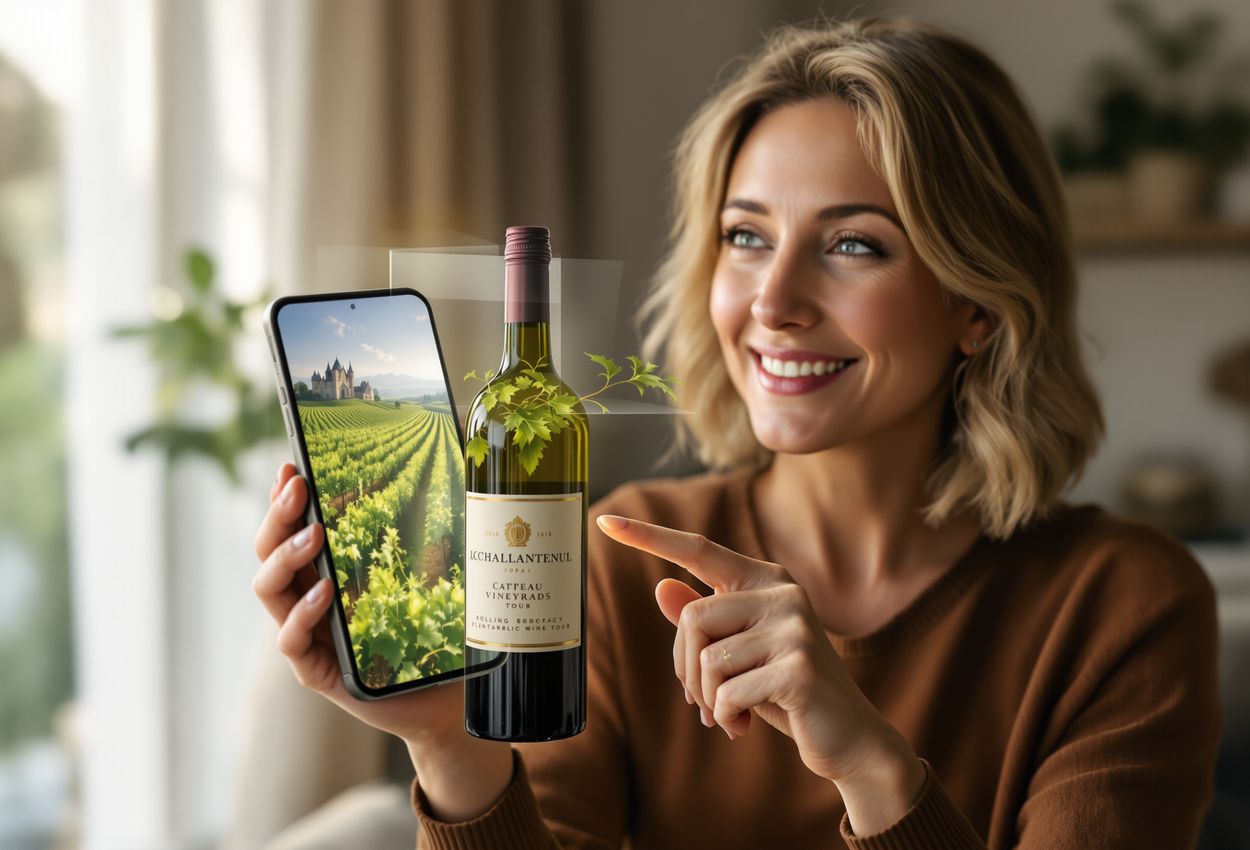
Augmented reality (AR) and virtual reality (VR) are creating immersive wine experiences for consumers, enhancing brand loyalty and engaging new audiences. AR wine labels provide interactive content, such as virtual tours of vineyards and winemaking facilities.
Consumers can use their smartphones to scan the label and access a wealth of information about the wine, including tasting notes, food pairings, and even the winemaker's story. VR offers even more immersive experiences, allowing consumers to virtually walk through vineyards during different seasons and learn about the winemaking process from vine to bottle.
Hidden Gem: One winery is offering a VR experience that allows consumers to 'walk' through their vineyards during different seasons, learning about the winemaking process from vine to bottle. This immersive experience provides a deeper understanding and appreciation for the art of winemaking.
Smart Cellars: Automation and Data-Driven Decisions
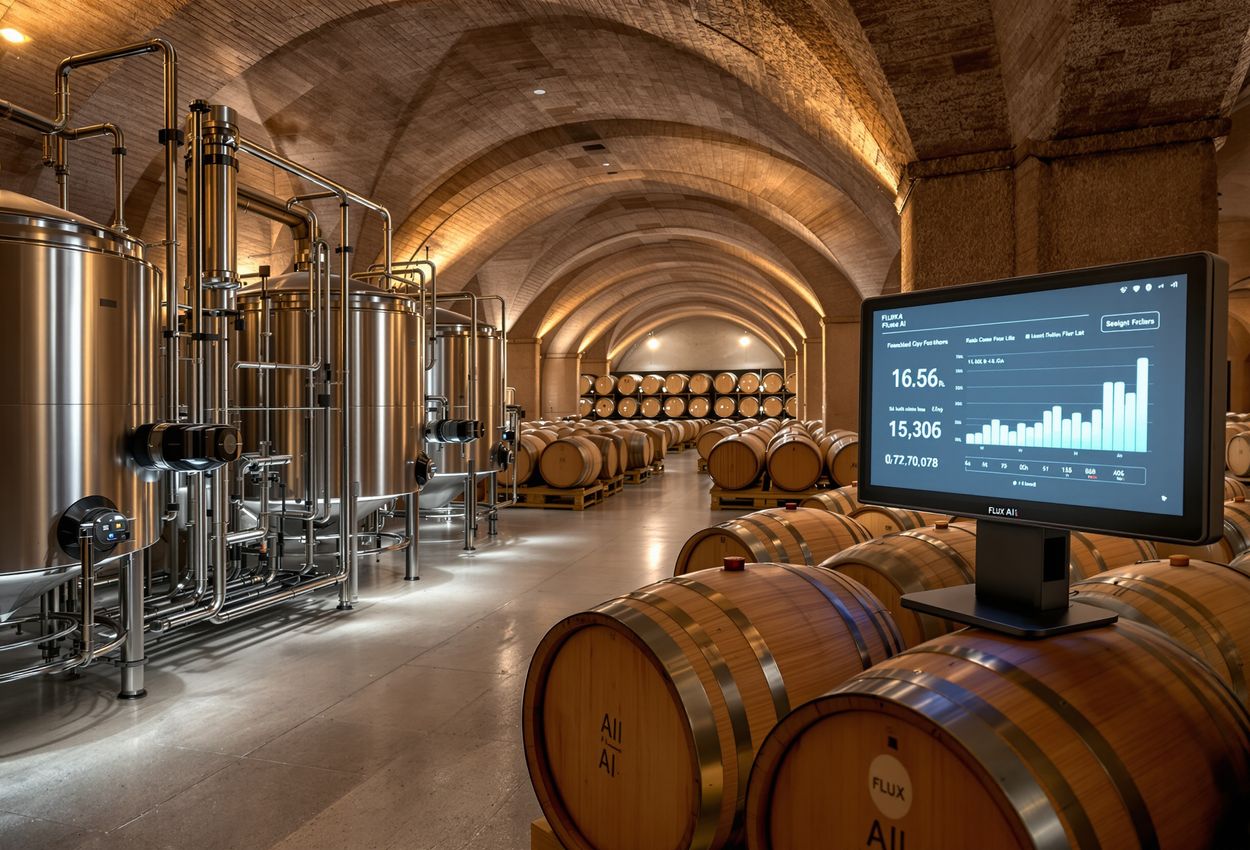
In the cellars of Napa Valley, automation is streamlining operations and improving efficiency. Automated fermentation control, barrel management systems, and robotic solutions are handling tasks like bottling and labeling.
These technologies are freeing up winemakers to focus on the art of winemaking, while also ensuring consistency and quality. By collecting and analyzing data from every stage of the winemaking process, winemakers can make more informed decisions, optimizing everything from fermentation to aging.
Hidden Gem: One innovative winery is using AI to analyze historical data and predict optimal aging times for different wines, resulting in improved wine quality and consistency. By understanding the complex interactions between wine, oak, and time, the winery can create wines that are perfectly aged to their peak potential.
Challenges and Opportunities: Balancing Tradition and Tech
The adoption of new technologies in the wine industry presents both challenges and opportunities. The cost of investment, resistance to change, and the need to balance tradition and innovation are all significant considerations.
However, the potential benefits of technology are undeniable, including increased efficiency, improved quality, and enhanced sustainability. By embracing technology while preserving the art and tradition of winemaking, the industry can ensure a bright future.
Hidden Gem: A wine tech incubator program provides funding and mentorship to startups developing innovative solutions for the wine industry, fostering a culture of collaboration and innovation. These incubators provide a supportive environment for entrepreneurs to develop and test their ideas, accelerating the pace of innovation in the wine industry. WinWayLab is a free two-month online accelerator for zero-stage startups in the wine tech industry.

Wine Tech of Tomorrow: Emerging Innovations to Watch
The future of wine tech is brimming with exciting possibilities. AI-driven flavor creation, predictive analytics for optimal blending, and the use of nanotechnology for enhanced wine filtration are just a few of the cutting-edge innovations on the horizon.
AI-driven flavor creation could allow winemakers to design wines with specific flavor profiles, tailoring them to consumer preferences with unprecedented precision. Predictive analytics could optimize blending decisions, ensuring that each wine is perfectly balanced and harmonious.
Nanotechnology could enhance wine filtration, removing unwanted compounds and improving clarity and stability. These emerging technologies have the potential to revolutionize the wine industry, taking winemaking to new heights of precision and quality.
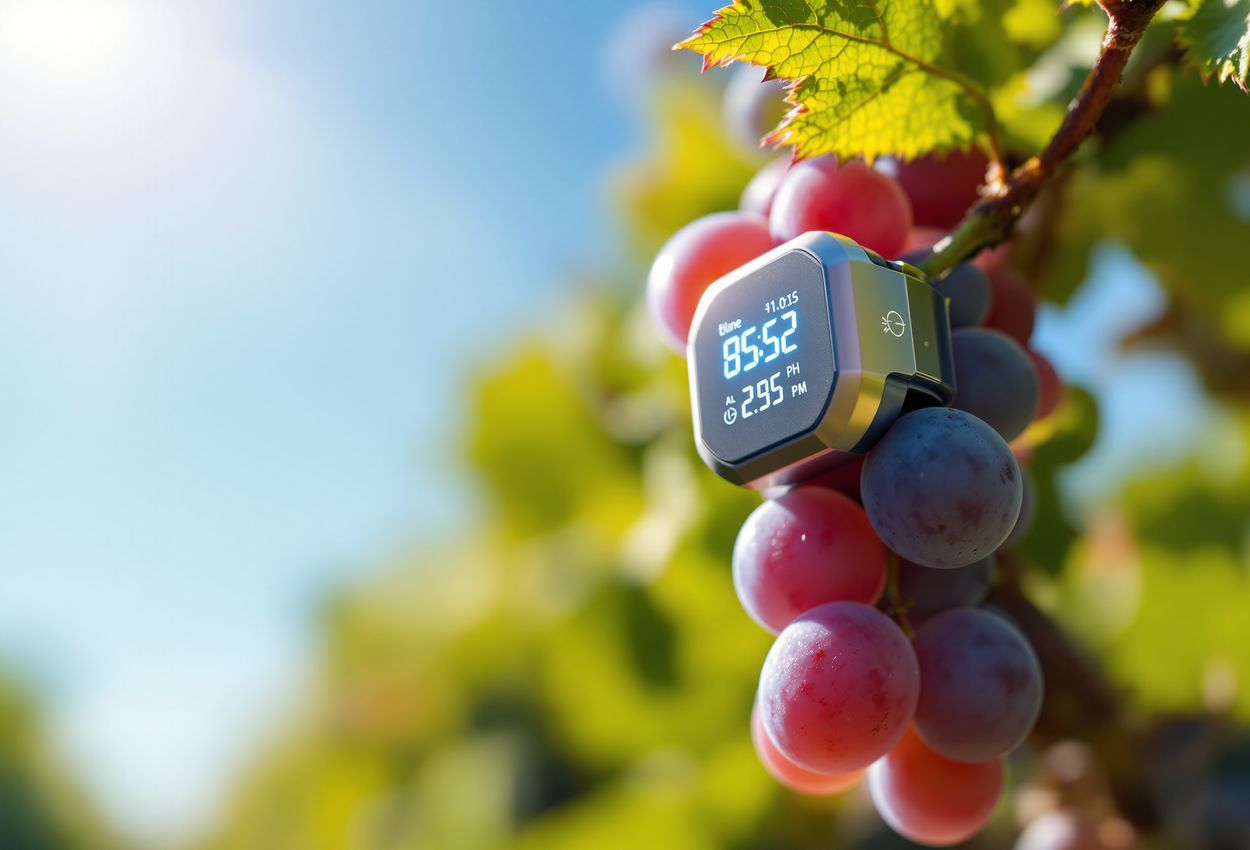
Hidden Gem: A research project is exploring the use of bio-sensors to monitor grape ripeness in real-time, providing winemakers with unprecedented control over the harvesting process. These sensors measure the levels of key compounds in the grapes, such as sugars, acids, and tannins, providing winemakers with a precise understanding of their ripeness and flavor development.
The Human Element: Winemakers in the Age of AI
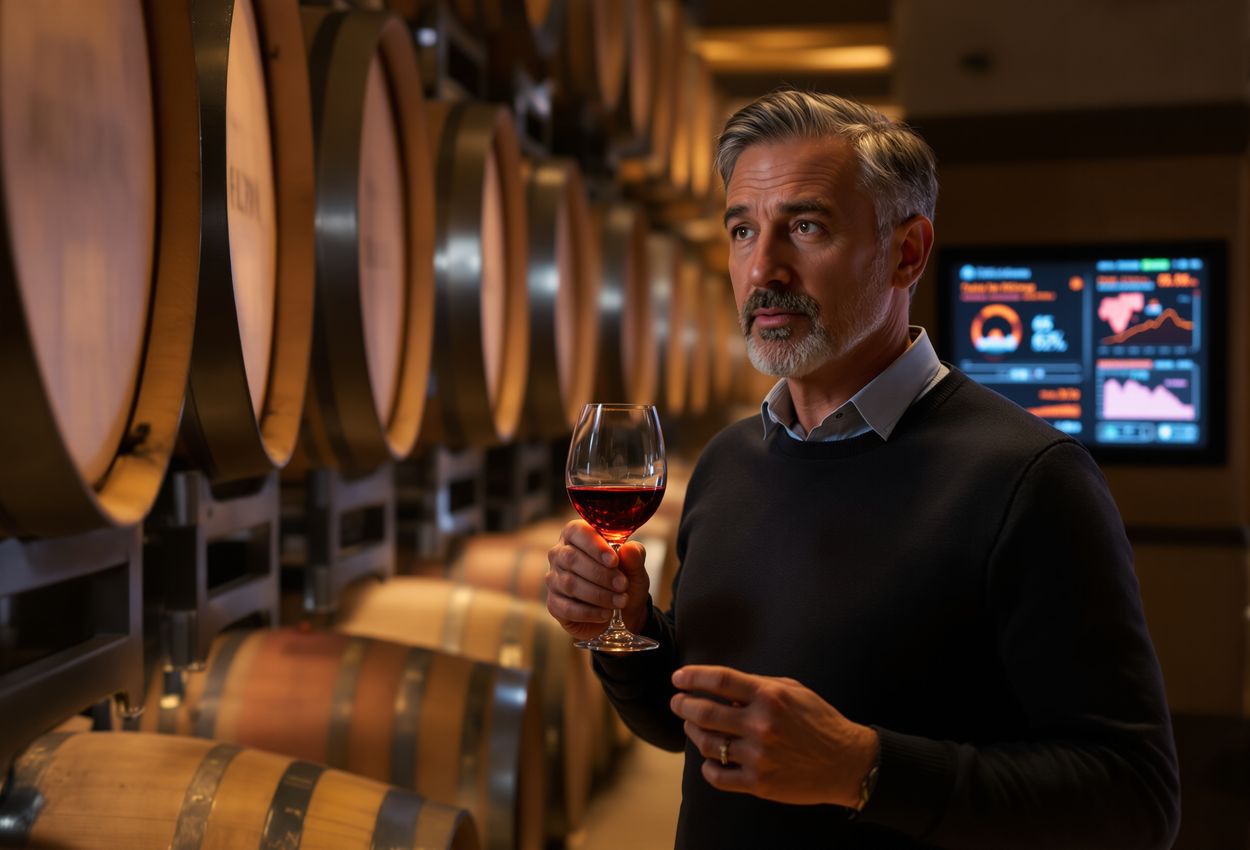
In an increasingly tech-driven industry, the role of the winemaker remains paramount. AI and automation are augmenting, not replacing, the expertise and artistry of winemakers. Winemakers are using technology to inform their decisions, but ultimately, they rely on their senses, intuition, and experience to create exceptional wines.
Sensory evaluation remains a critical component of winemaking, with winemakers carefully tasting and smelling their wines at every stage of production. The human touch is what separates truly great wines from the merely good, and it will continue to be an essential element of winemaking in the age of AI.
Hidden Gem: One renowned winemaker uses AI-powered data analysis to inform blending decisions but ultimately relies on their palate and experience to create exceptional wines, demonstrating the synergy between technology and human expertise. This winemaker believes that technology is a valuable tool, but it can never replace the human element in winemaking.
The rise of wine tech is transforming the industry, enhancing efficiency, quality, and sustainability. From precision vineyard management to AI-powered sommeliers, technology is revolutionizing every aspect of winemaking. By embracing these innovations while preserving the art and tradition of winemaking, the industry can ensure a bright and flavorful future.