In a world increasingly focused on environmental responsibility, the wine industry is undergoing a significant transformation. Sustainable winemaking is no longer just a trend; it's a commitment to preserving the planet, enhancing wine quality, and ensuring the long-term viability of the industry.
From the vineyard to the bottle, innovative and eco-conscious practices are reshaping how wine is produced, consumed, and appreciated. This article delves into the core principles, certifications, and global pioneers driving the sustainable winemaking movement, offering insights into how these practices benefit the environment, improve wine quality, and create a more ethical and socially responsible industry.

From Grape to Glass: Defining Sustainable Winemaking
Sustainable winemaking is a holistic approach that prioritizes environmental stewardship, economic viability, and social equity. It encompasses a range of practices designed to minimize the environmental impact of wine production while ensuring the well-being of workers and communities. Unlike traditional winemaking, which may rely heavily on chemical inputs and resource-intensive processes, sustainable winemaking seeks to reduce or eliminate these negative impacts.
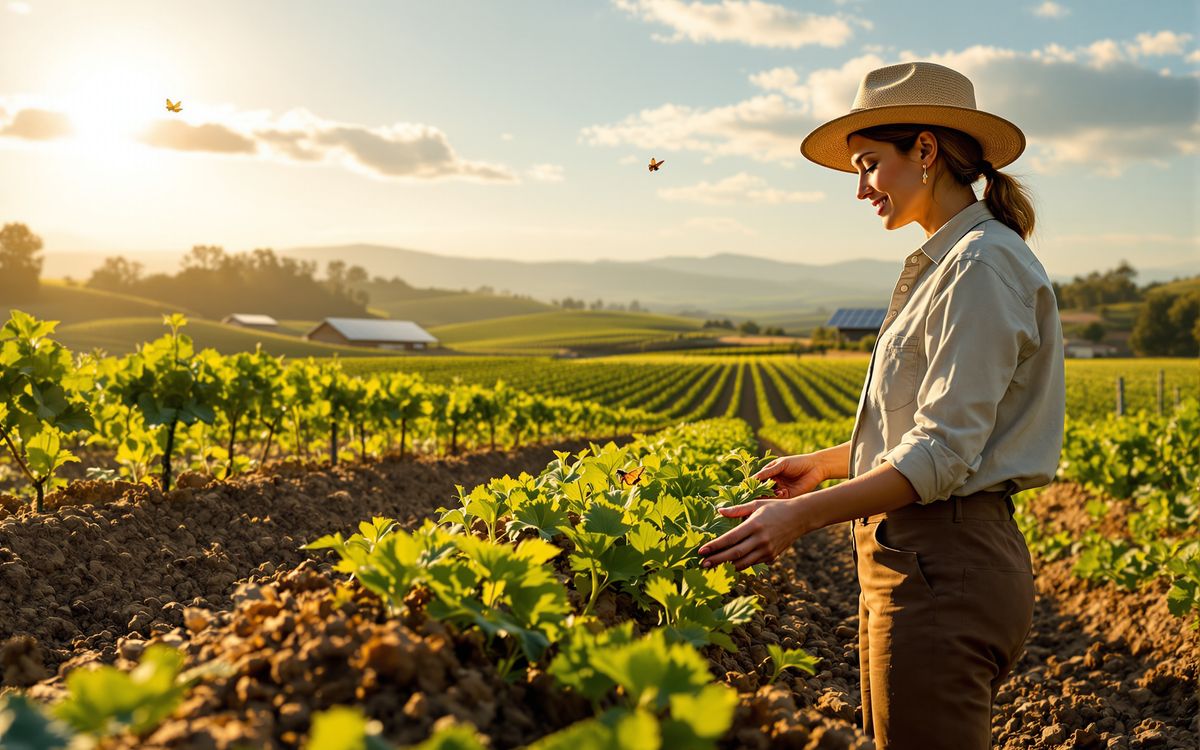
At its core, sustainable winemaking involves reducing chemical use, conserving water, and promoting biodiversity. This includes using natural fertilizers, implementing drip irrigation, and creating habitats for beneficial insects. By minimizing the use of synthetic pesticides and herbicides, sustainable winemakers protect soil health and reduce the risk of water contamination. Water conservation is achieved through efficient irrigation techniques, rainwater harvesting, and careful water management in the winery. Promoting biodiversity involves planting cover crops, creating wildlife corridors, and preserving natural vegetation around vineyards.
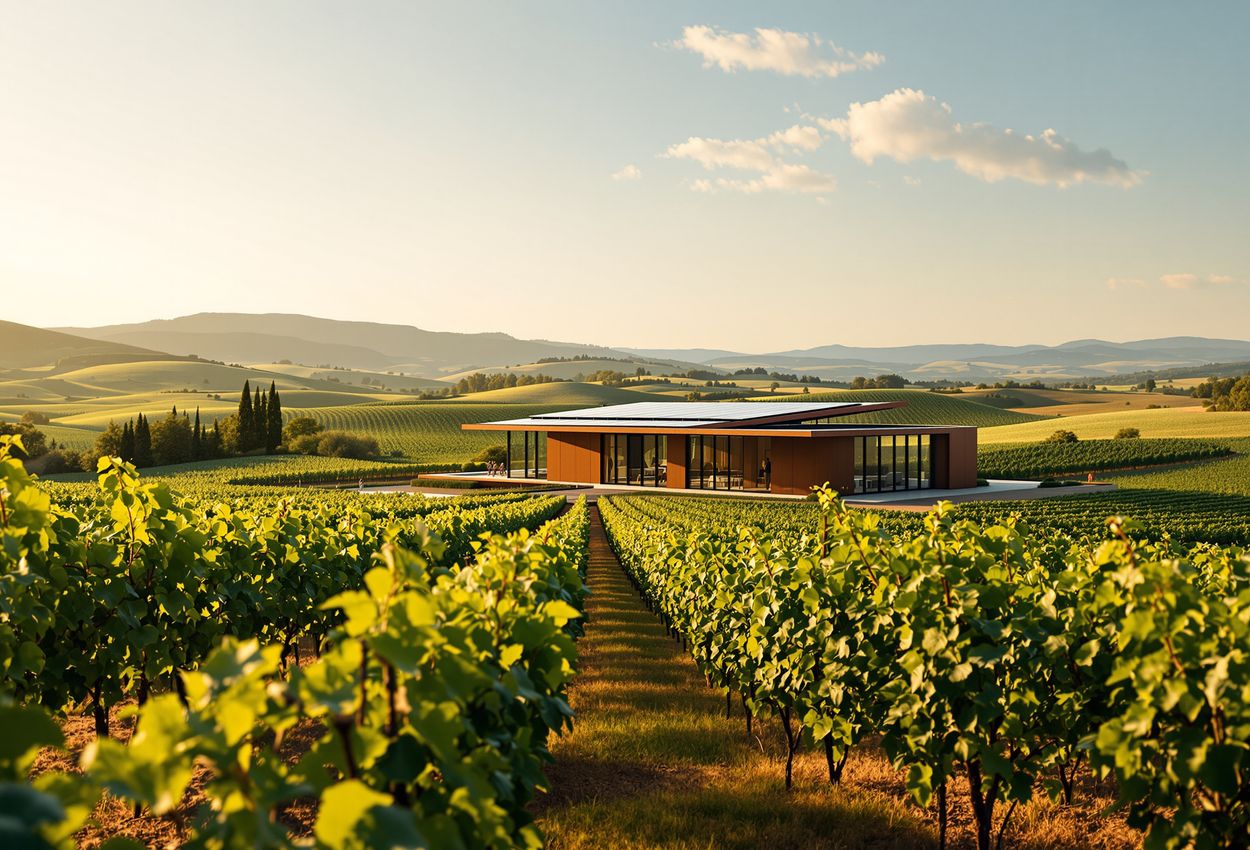
Several wineries have successfully implemented sustainable practices, demonstrating that environmental responsibility can go hand in hand with producing high-quality wines. For example, Longridge Wines in Stellenbosch utilizes solar panels to reduce its carbon emissions. Fetzer Vineyards in California was the first U.S. winery to operate on 100% renewable energy. These wineries serve as models for others in the industry, showing that sustainable winemaking is not only possible but also economically viable.

Vineyard Visions: Eco-Friendly Viticulture in Action
Eco-friendly viticulture practices are the foundation of sustainable winemaking, focusing on enhancing soil health, conserving water, and promoting biodiversity. These practices not only reduce the environmental footprint of wine production but also contribute to the quality and flavor of the wine.
Cover crops play a vital role in sustainable viticulture by improving soil health and reducing the need for fertilizers. These crops, planted between rows of vines, help prevent erosion, increase soil fertility, and enhance water infiltration. They also provide habitat for beneficial insects, reducing the need for synthetic pesticides. Integrated pest management (IPM) is another key technique, using natural predators, beneficial insects, and owl boxes to control pests. This approach minimizes the use of chemical pesticides, protecting the environment and human health. Water conservation is achieved through drip irrigation, which delivers water directly to the roots of the vines, reducing water waste. Rainwater harvesting and efficient water management in the winery further contribute to water conservation efforts.
Spottswoode Winery in Napa Valley is a prime example of a vineyard employing innovative eco-friendly techniques. The winery is known for its composting program, which enriches the soil and reduces waste. Spottswoode also promotes biodiversity by creating habitats for native plants and animals. These practices contribute to the health and resilience of the vineyard, resulting in high-quality grapes and exceptional wines.
Certifiably Green: Navigating Sustainability Labels
Understanding sustainability certifications and labels is essential for consumers who want to support eco-friendly wineries. These certifications provide assurance that a winery adheres to specific environmental and social standards. However, it's important to note that not all certifications are created equal, and some may have more rigorous standards than others.
The USDA Organic certification ensures that grapes are grown without synthetic pesticides or fertilizers. Demeter Biodynamic certification goes beyond organic standards, integrating celestial cycles and holistic farming principles. Certified California Sustainable Winegrowing (CCSW) takes a triple-bottom-line approach, focusing on environmental stewardship, social responsibility, and economic viability. LIVE (Low Input Viticulture and Enology) certification, common in the Pacific Northwest, promotes climate action through regenerative farming and biodiversity conservation. Regional certifications like Napa Green and Sustainable WA emphasize specific local standards and priorities.
While seeking certification can be beneficial for wineries, it also has its pros and cons. Certification can provide credibility, enhance brand reputation, and attract environmentally conscious consumers. However, the certification process can be costly and time-consuming. Some wineries may choose to implement sustainable practices without seeking formal certification, while others may opt for self-assessment programs. Ultimately, the decision to seek certification depends on a winery's individual goals and resources.

The Terroir Effect: How Sustainability Enhances Wine Quality
Sustainable practices can significantly enhance the quality and flavor of wine. By promoting healthy soil, conserving water, and reducing chemical inputs, sustainable viticulture contributes to a more distinct expression of terroir. Terroir, the unique combination of environmental factors that influence a wine's character, is enhanced when vines are grown in a balanced and thriving ecosystem.
Healthy soil is essential for creating complex and flavorful grapes. Sustainable practices like composting, cover cropping, and reduced tillage improve soil structure, increase water retention, and enhance nutrient availability. These practices promote a diverse community of soil microbes, which play a crucial role in nutrient cycling and plant health. Biodiversity in the vineyard also contributes to wine quality by attracting beneficial insects, reducing pest pressure, and creating a more resilient ecosystem.
Many winemakers believe that sustainable practices lead to higher quality wines. They argue that healthy vines, grown in balanced ecosystems, produce grapes with more concentrated flavors, balanced acidity, and greater complexity. By minimizing interventions and allowing the terroir to shine through, sustainable winemakers create wines that are truly unique and expressive.

Global Pioneers: Wineries Leading the Charge
Wineries around the world are implementing innovative sustainable practices, demonstrating a global commitment to environmental responsibility. These wineries serve as examples for others in the industry, showcasing the diverse ways in which sustainability can be integrated into wine production.
In Europe, many wineries are known for their biodynamic practices, which emphasize holistic farming and minimal intervention. Austrian wines, in particular, have gained recognition for their commitment to biodynamic principles. In North America, Spottswoode in California is a leader in sustainable viticulture, known for its composting program and biodiversity initiatives. In South America, Domaine Bousquet in Argentina is a pioneer in organic winemaking, using solar energy and water recycling to minimize its environmental impact.
Specific initiatives like solar energy use, water recycling, and community engagement are common among these wineries. Solar panels provide a clean, renewable energy source, reducing reliance on fossil fuels. Water recycling systems conserve water and reduce wastewater discharge. Community engagement initiatives, such as supporting local charities and promoting fair labor practices, contribute to the social and ethical aspects of sustainable winemaking.

Tech and Terroir: Innovations in Eco-Winemaking
Technology is playing an increasingly important role in advancing sustainable winemaking. Precision agriculture techniques, energy-efficient equipment, and innovative packaging solutions are helping wineries optimize resource use, reduce waste, and minimize their environmental impact.
Precision agriculture involves using data and technology to optimize vineyard management. Soil moisture monitoring, drone imagery, and GPS mapping allow winemakers to tailor irrigation, fertilization, and pest control to specific areas of the vineyard. This targeted approach reduces resource waste and improves the health and quality of the vines. Energy-efficient equipment, such as variable-speed pumps and LED lighting, reduces energy consumption in the winery. Renewable energy sources like solar panels and wind turbines further minimize the carbon footprint of wine production.
Innovations in packaging, such as lightweight bottles and recyclable materials, are also contributing to sustainability. Lightweight bottles reduce the energy required for shipping, while recyclable materials minimize waste. Some wineries are even exploring alternative packaging options, such as cardboard or biodegradable materials.
Voices from the Vine: Interviews with Sustainable Winemakers
Interviews with winemakers and experts in sustainable viticulture provide valuable insights into the motivations, challenges, and benefits of adopting sustainable practices. These voices from the vine offer a diverse range of perspectives, highlighting the potential impact of sustainable winemaking on the industry.
Winemakers often cite a deep connection to the land and a desire to preserve it for future generations as key motivations for adopting sustainable practices. They also recognize the potential for sustainable practices to improve wine quality and enhance the expression of terroir. However, they also acknowledge the challenges of balancing environmental goals with economic realities. Implementing sustainable practices can be costly and time-consuming, requiring significant investment in new equipment and training.
Despite these challenges, winemakers who have embraced sustainability often report significant benefits. These include improved soil health, reduced water consumption, enhanced biodiversity, and increased brand reputation. They also express a sense of satisfaction in contributing to a more ethical and environmentally responsible industry.

Beyond the Bottle: The Social Impact of Sustainable Wine
Sustainable winemaking extends beyond environmental considerations to encompass social and ethical aspects. Fair labor practices, safe working conditions, and community engagement initiatives are integral components of a truly sustainable wine industry.
Fair labor practices ensure that workers are treated with respect and dignity, receiving fair wages, safe working conditions, and opportunities for professional development. This includes providing access to healthcare, education, and other essential services. Safe working conditions minimize the risk of on-the-job injuries and illnesses. This involves implementing safety protocols, providing proper training, and ensuring access to necessary equipment and resources. Community engagement initiatives support local charities, invest in community development, and promote cultural and heritage events.
B Corp certification is a recognized standard for businesses committed to balancing profit with purpose. Wineries that achieve B Corp certification demonstrate a holistic commitment to sustainability, encompassing environmental performance, social responsibility, and ethical governance. This certification provides assurance to consumers that a winery is truly committed to making a positive impact on the world.

Challenges and Controversies: Addressing Criticisms of Sustainable Wine
While sustainable winemaking offers numerous benefits, it is not without its challenges and controversies. Balancing environmental goals with economic realities can be difficult, particularly for small wineries with limited resources. The cost of implementing sustainable practices, such as organic farming and water conservation, can be higher than conventional methods.
Controversies surrounding the use of pesticides in organic and sustainable viticulture also exist. While organic farming prohibits the use of synthetic pesticides, some natural pesticides may still be used. This has raised concerns about the potential environmental impact of these natural pesticides. Additionally, some critics argue that sustainable winemaking is simply a marketing ploy, used to greenwash conventional practices.
Addressing these criticisms requires transparency, accountability, and a commitment to continuous improvement. Wineries must be willing to openly communicate their practices and address concerns from consumers and critics. They must also be willing to adapt and evolve their practices as new information and technologies become available.
Sipping Towards a Better Future: The Long-Term Vision
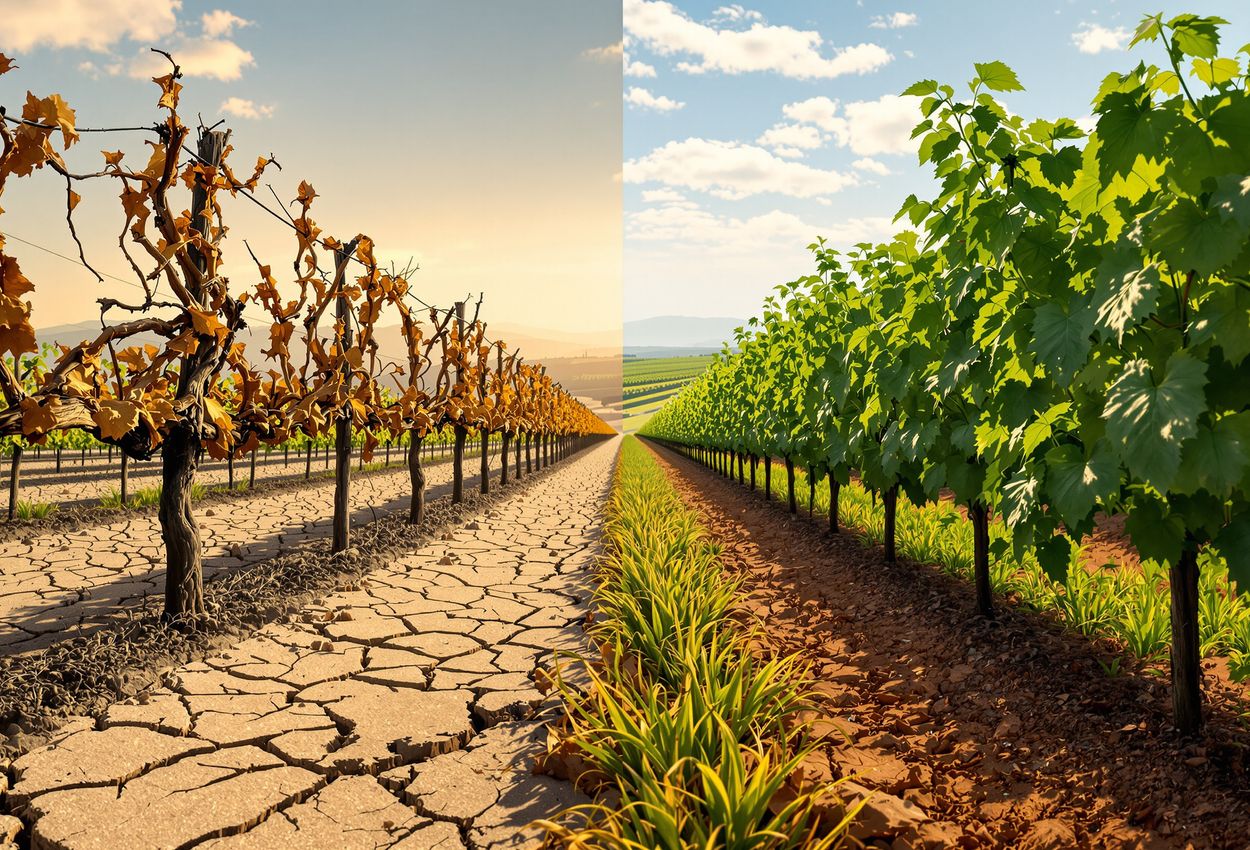
Sustainable winemaking offers significant long-term benefits for the environment, the wine industry, and future generations. By mitigating climate change, preserving biodiversity, and promoting social responsibility, sustainable practices ensure the long-term viability of the wine industry.
Sustainable winemaking has the potential to mitigate climate change by reducing greenhouse gas emissions, sequestering carbon in the soil, and promoting energy efficiency. It also helps preserve biodiversity by protecting natural habitats, promoting beneficial insects, and minimizing the use of harmful chemicals. Encouraging consumers to support sustainable wineries and make informed choices is essential for driving the sustainable winemaking movement forward. By choosing sustainable wines, consumers can contribute to a more ethical and environmentally responsible industry.
Resources for learning more about sustainable wine and finding certified producers are readily available. Organizations like the Sustainable Winegrowing Alliance, Demeter International, and B Lab provide information and resources for consumers and wineries alike. By supporting sustainable wineries and making informed choices, consumers can sip towards a better future for the wine industry and the planet.