Each year, the city of Verona, Italy, transforms into the epicenter of the wine world as it hosts Vinitaly, the largest wine fair on the globe. In 2025, the event promises an even more immersive experience, bringing together winemakers, buyers, and industry experts from every corner of the earth. This is more than just a trade show; it's a sensory journey, a networking hub, and a glimpse into the future of wine.
Arriving in Verona: A Sensory Immersion
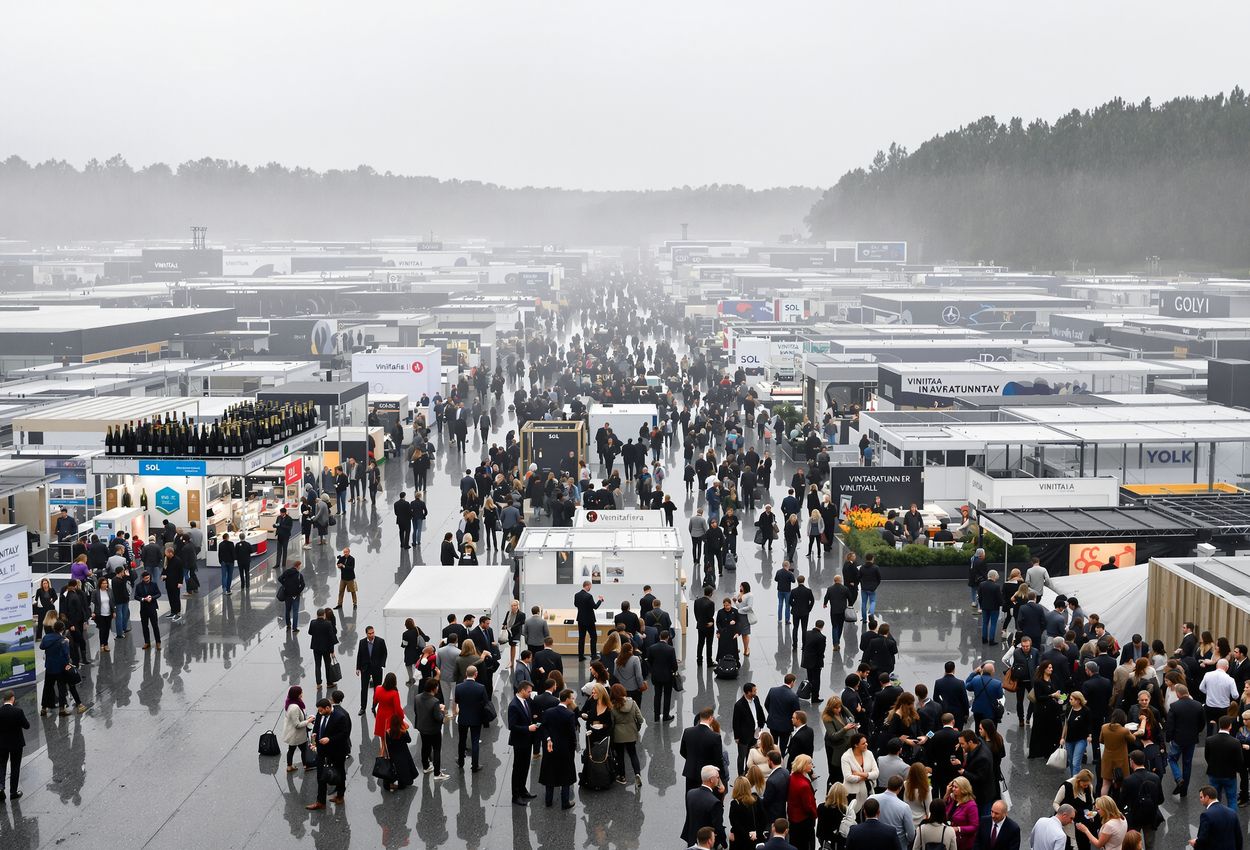
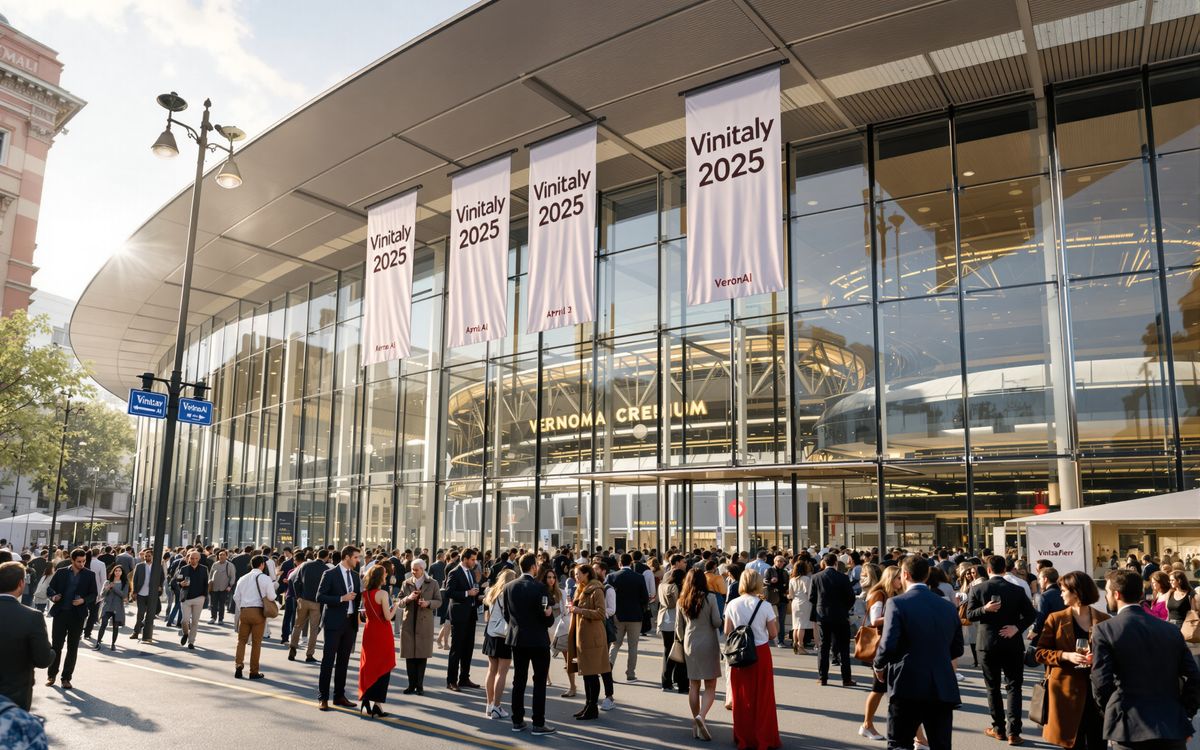
The first step into Verona during Vinitaly is a plunge into a vibrant sea of activity.The air crackles with anticipation as you approach the Veronafiere, the sprawling fairgrounds that host the event. The sounds of rapid-fire Italian mix with a medley of languages from around the globe, creating a symphony of international commerce and camaraderie. Just a stone's throw from landmarks like the Stadio Marcantonio Bentegodi, the area pulses with the energy of attendees eager to explore the world of wine [i].
Visually, the scene is a feast for the eyes. Pavilions rise like modern-day cathedrals, each adorned with banners and displays showcasing the unique identity of its region or country. The sheer scale of the event hits you immediately – a sprawling landscape of wine, waiting to be discovered. Imagine thousands of people milling about, glasses in hand, their faces alight with the thrill of discovery. The aroma of fermenting grapes and aged oak wafts through the air, a heady perfume that speaks of tradition, innovation, and the artistry of winemaking.
The initial sensory overload is part of the Vinitaly experience. It's a baptism by immersion, a thrilling introduction to the sheer diversity and passion that defines the wine industry. This is where deals are struck, trends are born, and the future of wine is shaped. From the moment you arrive, you know you're part of something special, a global gathering of wine lovers and professionals united by their shared passion.

Navigating the Pavilions: A Region-by-Region Journey
Vinitaly's layout is a masterclass in organization, transforming the massive Veronafiere into a navigable journey through Italy's diverse wine regions.Each region boasts its own pavilion, a microcosm of its unique terroir, winemaking traditions, and signature styles. Stepping into the Veneto pavilion is like entering a Venetian palazzo, with opulent displays showcasing the region's famed Amarone and crisp Prosecco. The architecture often reflects the character of the region it represents, using design to subtly communicate the values and history of the wines on display.
In the Tuscany pavilion, the atmosphere is one of rustic elegance, with displays of Chianti Classico and Brunello di Montalcino taking center stage. The rich, earthy aromas of these Sangiovese-based wines fill the air, mingling with the scent of leather and aged wood. Moving north, the Piedmont pavilion exudes a sense of understated sophistication, befitting the region's revered Barolo and Barbaresco. Here, the focus is on the Nebbiolo grape, its complex aromas of roses, tar, and red fruit creating an unforgettable sensory experience [i].
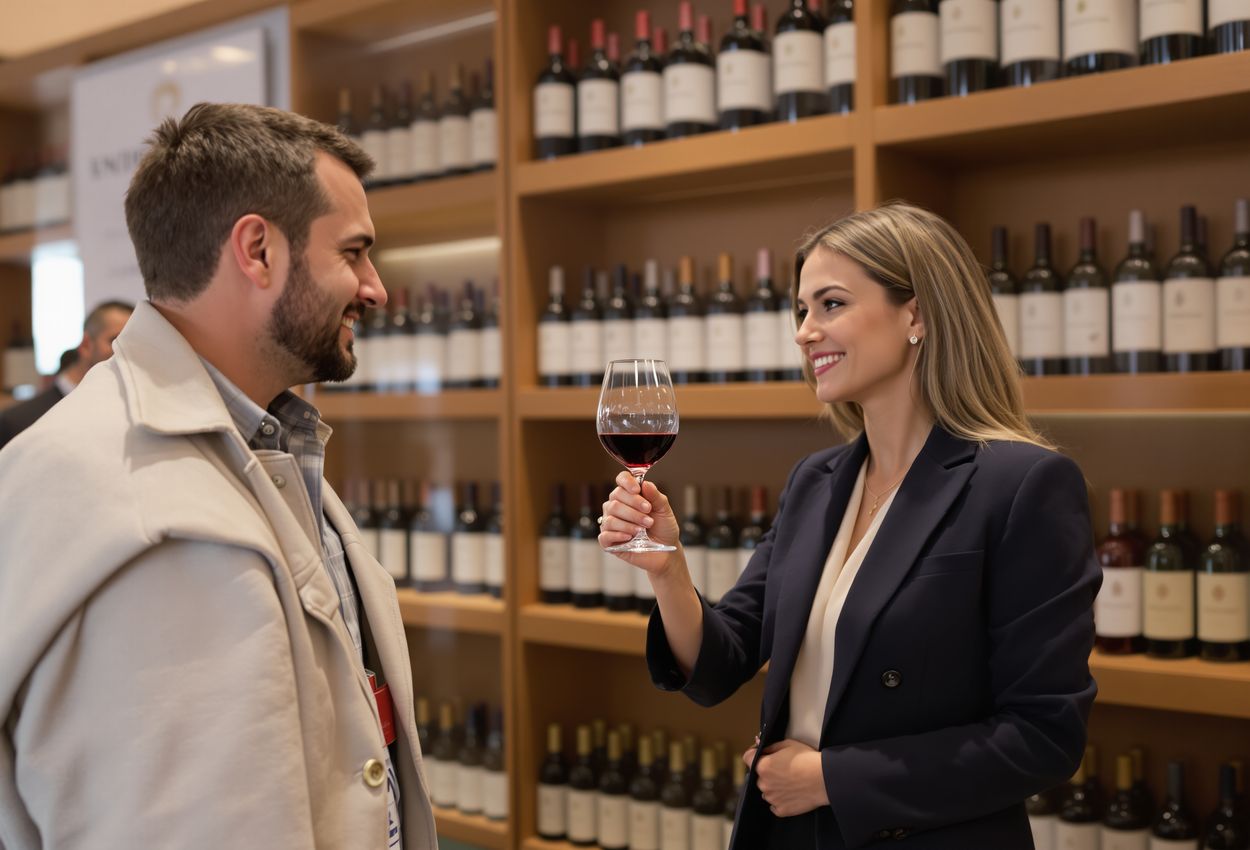
Within these larger pavilions, hidden gems await discovery. I stumbled upon a small, family-run vineyard tucked away in a corner of the Veneto pavilion. The winemaker, a passionate young woman named Isabella, poured me a taste of her family's Amarone, a wine crafted with generations of tradition and a deep love for the land. It was a moment of genuine connection, a reminder that behind every bottle of wine lies a story of dedication, perseverance, and the human touch.
The Faces of Vinitaly: Winemakers and Their Stories
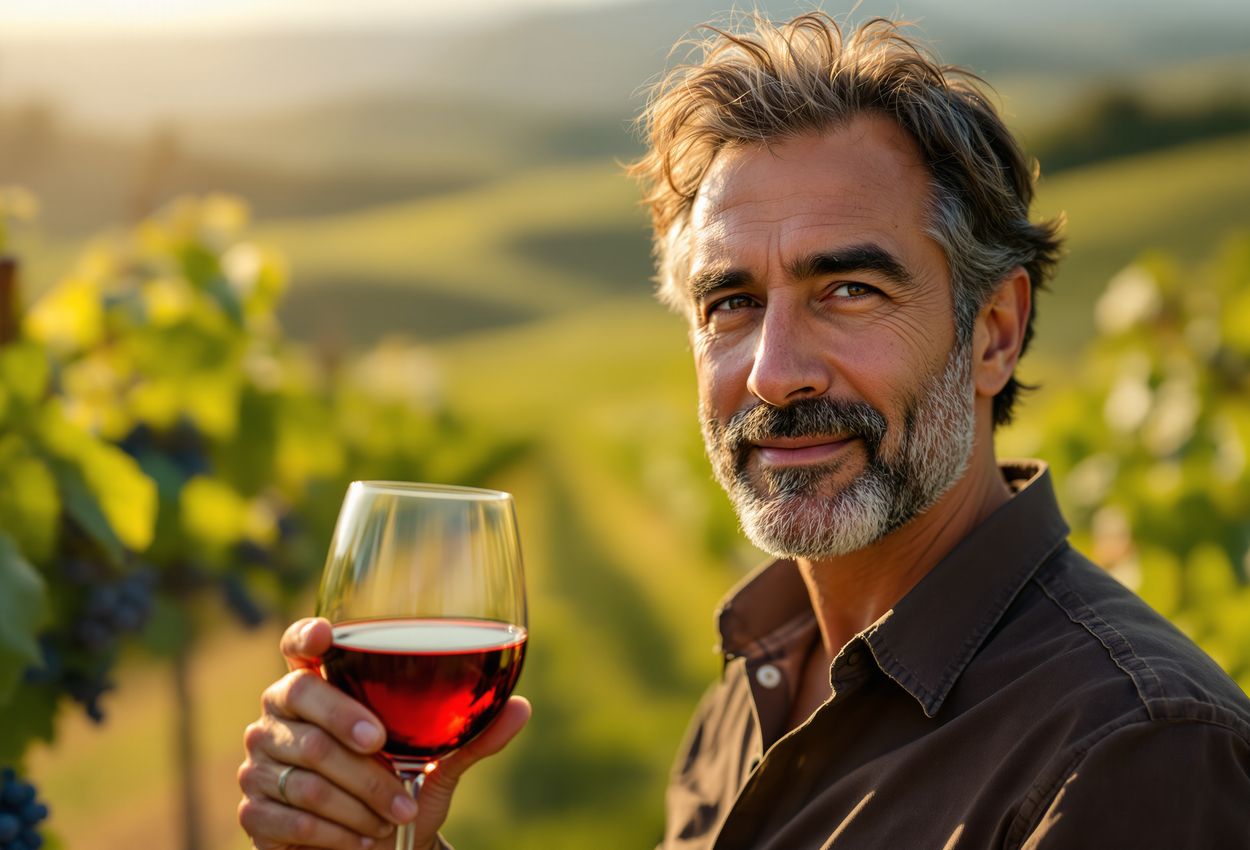
Beyond the grand displays and bustling crowds, the heart of Vinitaly lies in the passionate individuals who dedicate their lives to crafting exceptional wines.The winemakers at Vinitaly are more than just producers; they are storytellers, artists, and custodians of tradition. Speaking with them offers a unique glimpse into the challenges, innovations, and dreams that shape the Italian wine landscape. One memorable interview was with Alessandro, a third-generation winemaker from Tuscany. He spoke candidly about the impact of climate change on his vineyards, the innovative techniques he's employing to conserve water, and his unwavering commitment to sustainable winemaking practices.
“We must respect the land,” he said, his eyes reflecting the Tuscan sun. “Our vineyards are not just a business; they are our heritage, our legacy. We have a responsibility to protect them for future generations.” His words resonated deeply, highlighting the growing awareness and commitment to sustainability within the Italian wine industry. Another winemaker, Maria, from Piedmont, shared her family's journey in revitalizing an ancient vineyard using traditional, biodynamic methods. Her passion for preserving the authenticity of her region's wines was infectious, and her wines reflected the unique terroir of her land [i].
These encounters, these shared moments of understanding and appreciation, are what make Vinitaly so special. It's a chance to connect with the people behind the wines, to hear their stories, and to understand the passion and dedication that goes into every bottle.
Business and Pleasure: Networking at Vinitaly
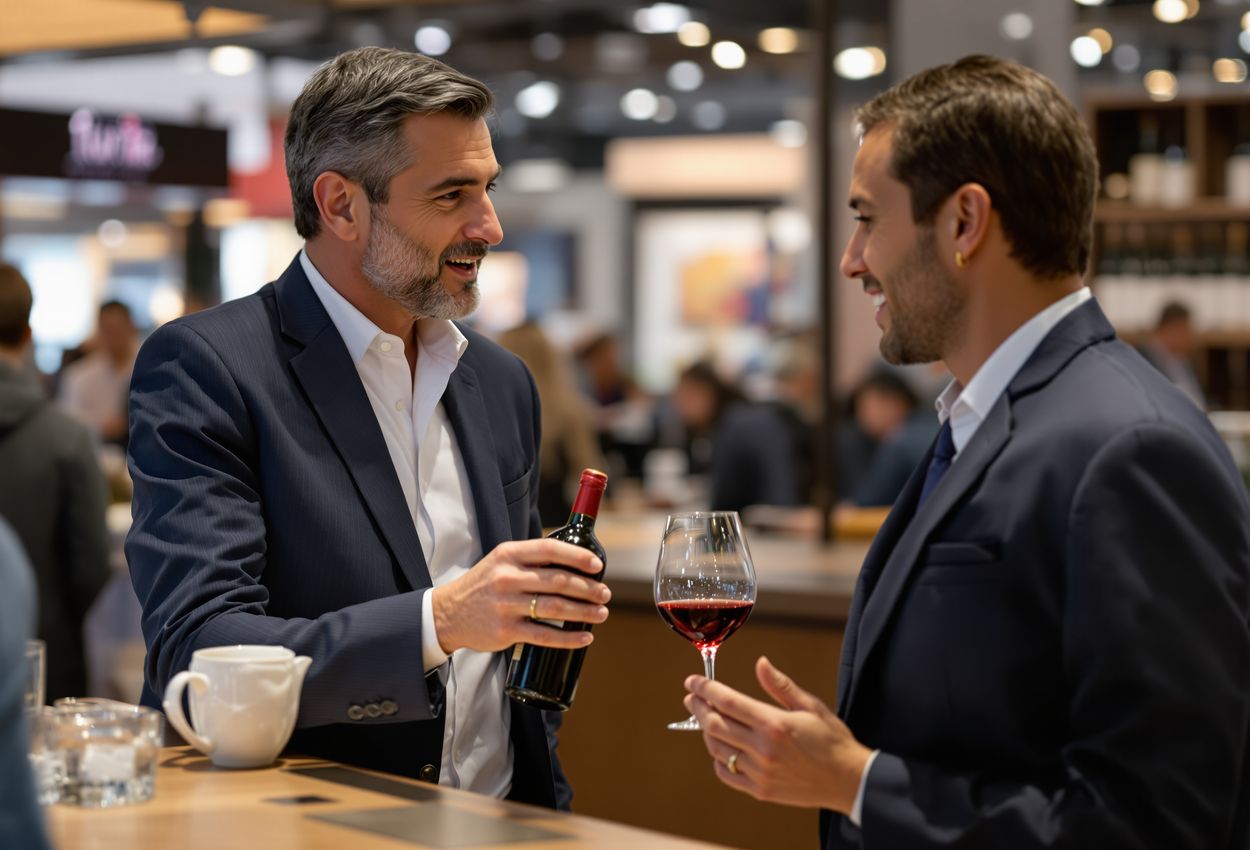
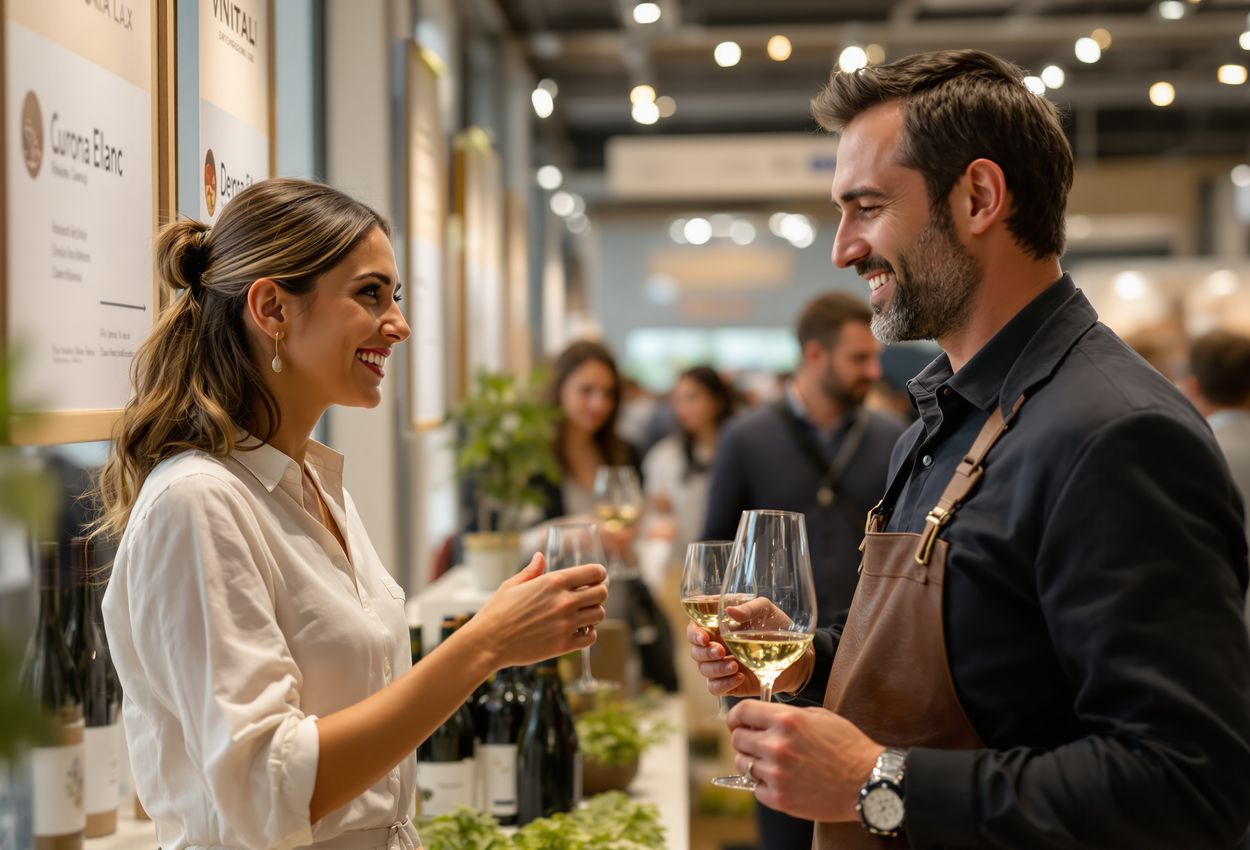
Vinitaly is not just a celebration of wine; it's a dynamic marketplace where deals are struck, partnerships are forged, and the future of the industry is negotiated.The atmosphere is charged with the energy of buyers, sellers, and industry experts from around the globe, all eager to connect and collaborate. The Vinitaly International Academy (VIA) plays a crucial role in fostering these connections, offering educational programs and networking events that bring together professionals from diverse backgrounds. Observing the interactions between these individuals provides a fascinating glimpse into the inner workings of the wine trade.
I witnessed a particularly interesting negotiation between a US-based importer and a small, family-owned winery from Sicily. The importer was impressed by the quality and unique character of the winery's Nero d'Avola, but he was concerned about the logistics of importing such a small quantity of wine. After a lively discussion, they reached an agreement that benefited both parties: the importer would consolidate the winery's production with other small producers from the region, creating a larger, more efficient shipment. This chance encounter, facilitated by the networking environment of Vinitaly, led to a significant partnership that would help the Sicilian winery expand its reach into the US market [i].
The overall energy of these business interactions is palpable, a testament to the importance of Vinitaly as a global hub for the wine industry. It's a place where relationships are built, deals are closed, and the future of wine is shaped through collaboration and innovation.
Emerging Trends: NoLo Wines and Amphora Revolution
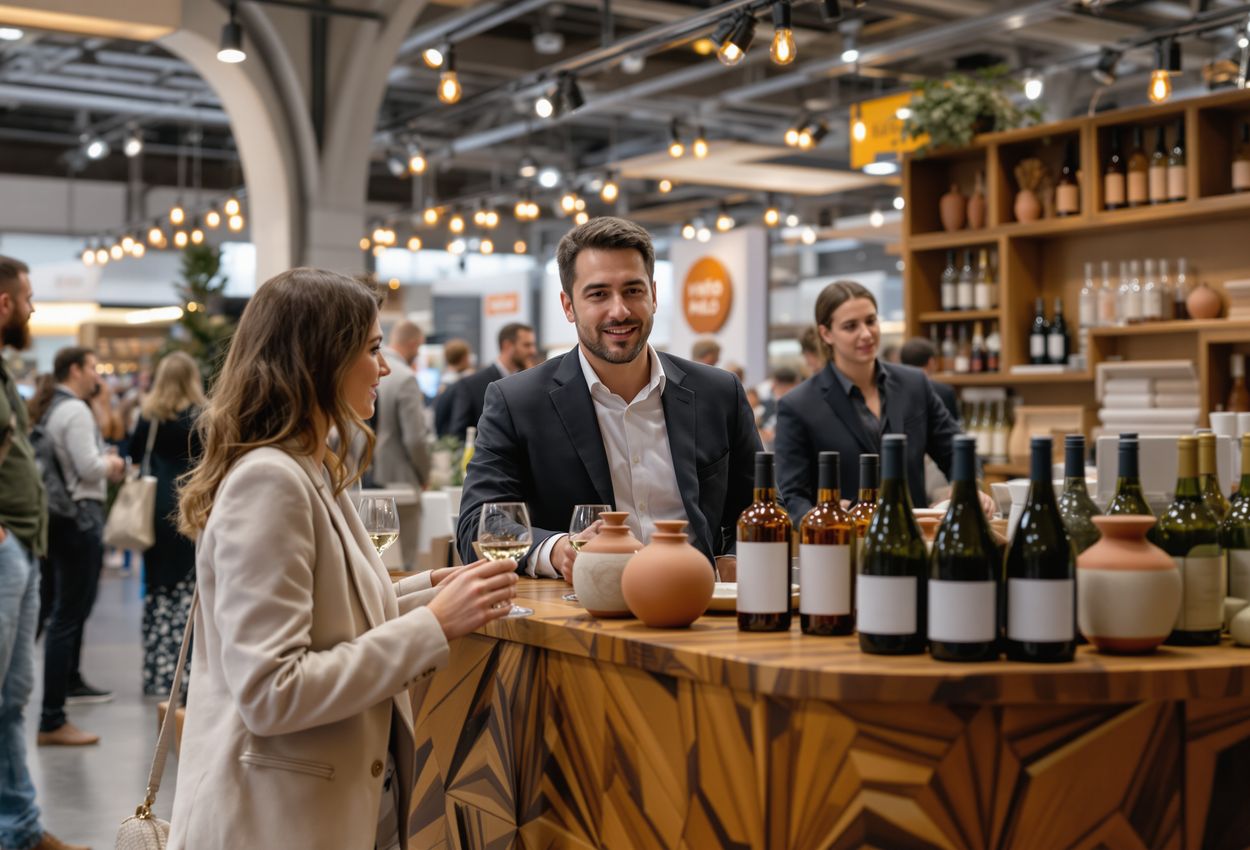
Vinitaly 2025 is set to showcase two significant trends that are rapidly gaining momentum in the wine world: the rise of NoLo (no and low alcohol) wines and the resurgence of amphora-aged wines.The NoLo movement reflects a growing consumer interest in healthier lifestyles and moderate alcohol consumption. Dedicated sections at Vinitaly will feature producers who are pioneering innovative techniques to create wines with reduced or zero alcohol content. These wines offer a lighter, more refreshing alternative to traditional wines, without sacrificing flavor or complexity. The legal landscape is also evolving, with Minister of Agriculture Francesco Lollobrigida recently signing a decree permitting non-alcoholic wines to be labelled as 'wine', a significant step forward for the category.
On the other end of the spectrum, the amphora revolution represents a return to ancient winemaking practices. Producers are rediscovering the unique qualities of clay amphorae, which allow for gentle oxygenation and impart a distinctive earthy character to the wines. These wines often exhibit a textural complexity and a purity of fruit that is unlike anything else [i]. The reactions from attendees to these emerging trends are mixed, with some embracing the innovation and others remaining skeptical. However, there's no denying the growing buzz and excitement surrounding these new styles of wine.
Vinitaly Mixology: Where Wine Meets Cocktail Culture
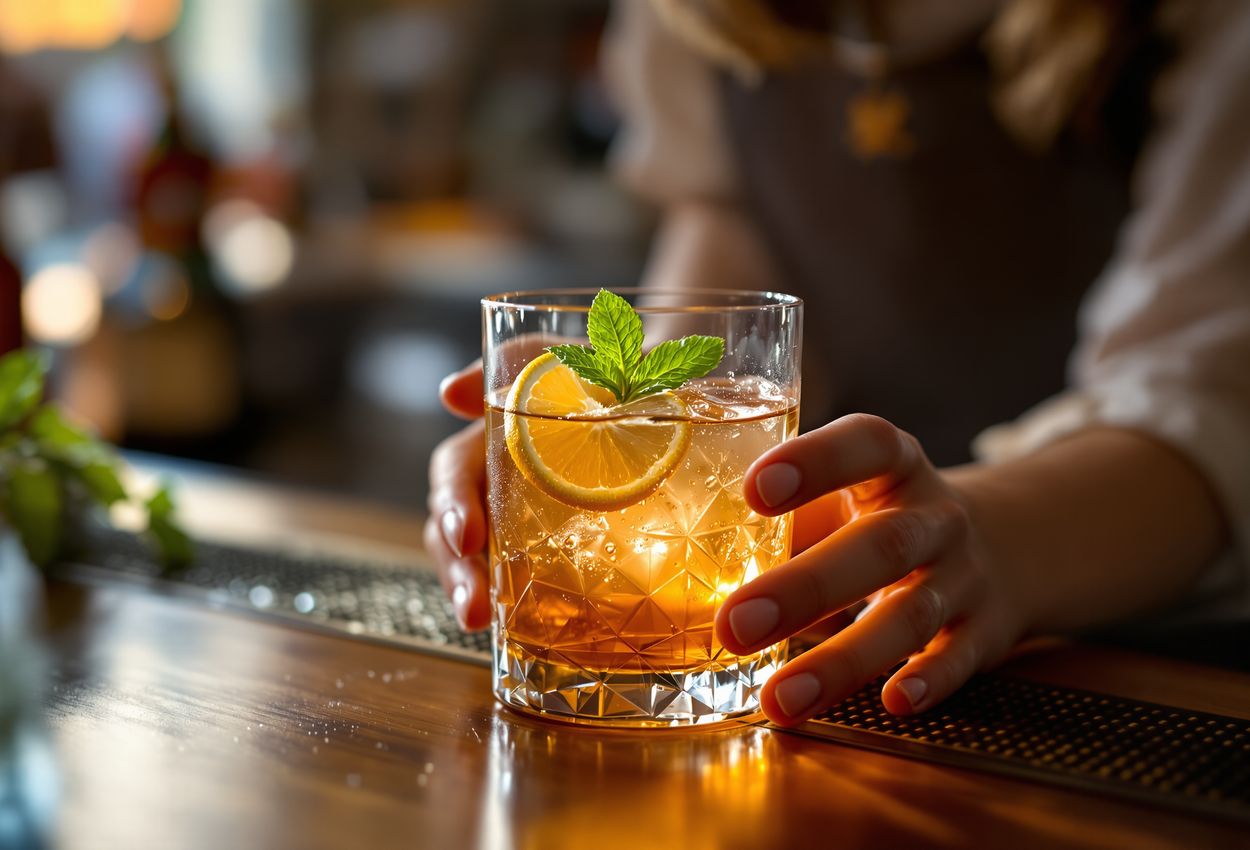
Vinitaly Mixology is a vibrant and innovative space where the worlds of wine and cocktail culture collide.This dedicated area showcases the creativity and skill of bartenders who are pushing the boundaries of wine-based mixology. Masterclasses and workshops offer attendees the chance to learn from top mixologists, discovering new techniques and flavor combinations. The sensory experiences are truly unique, as traditional winemaking artistry fuses with modern cocktail artistry to create innovative and delicious drinks.
Imagine sipping a sparkling wine cocktail infused with herbs and spices, or a complex red wine reduction used as a base for a Negroni variation. The possibilities are endless, and the results are often surprising and delightful. Vinitaly Mixology demonstrates the versatility of wine as an ingredient, and its potential to appeal to a new generation of cocktail enthusiasts.
Sustainability in Focus: Organic and Biodynamic Wines
Sustainability is no longer a niche concept in the wine world; it's a core value that is increasingly embraced by producers and consumers alike.Vinitaly Bio, a dedicated section of the fair, showcases organic and biodynamic wines from across Italy and the globe. Producers proudly display their certifications, highlighting their commitment to environmentally friendly winemaking practices. The growing consumer interest in sustainable wines is evident in the increased attendance and enthusiasm for this section of the fair.
Related conferences and workshops delve into the details of sustainable viticulture, exploring topics such as soil health, water conservation, and biodiversity. These educational sessions provide valuable insights for producers looking to adopt more sustainable practices, and for consumers seeking to make informed choices about the wines they purchase [i].
Beyond the Fairgrounds: Vinitaly and the City
The Vinitaly experience extends far beyond the Veronafiere, permeating the entire city of Verona with the 'Vinitaly and the City' event.This vibrant celebration transforms Verona's historic center into a wine lover's paradise, with participating venues hosting tastings, events, and cultural experiences. The atmosphere is electric, as the city embraces the wine fair and offers attendees a chance to explore its rich history and culture. Wandering through the streets, you'll encounter pop-up wine bars, live music performances, and art exhibitions, all infused with the spirit of Vinitaly.
Verona itself is a UNESCO World Heritage site, and Vinitaly and the City cleverly incorporates the city's landmarks into its events. Imagine sipping a glass of Amarone in the Piazza delle Erbe, surrounded by ancient Roman ruins and Renaissance architecture, or attending a wine tasting in the shadow of the Arena di Verona, the magnificent Roman amphitheater. The blend of wine, culture, and history creates an unforgettable experience that captures the essence of Verona [i].

Global Reach: International Pavilions and Buyers
Vinitaly's influence extends far beyond Italy, attracting a diverse group of international exhibitors and buyers from around the world.The international pavilions offer a fascinating glimpse into the winemaking traditions of different countries, from the bold reds of Argentina to the crisp whites of New Zealand [i]. Each pavilion showcases the unique terroir, grape varietals, and winemaking styles of its region, creating a rich tapestry of global wine culture. The fair attracts top-tier professionals and buyers from every corner of the globe, eager to discover new wines, network with industry leaders, and expand their portfolios [i].
The cultural exchanges that take place at Vinitaly are invaluable, fostering collaboration and understanding between winemakers from different backgrounds. It's a place where ideas are shared, partnerships are formed, and the global wine community comes together to celebrate its shared passion.

Looking Ahead: Vinitaly's Role in Shaping the Future
Vinitaly plays a pivotal role in shaping the future of the wine industry, serving as a platform for innovation, collaboration, and the exchange of ideas.The key trends and developments showcased at the fair, from NoLo wines to amphora aging, reflect the evolving tastes and preferences of consumers. The challenges and opportunities facing the industry, such as climate change and sustainable winemaking, are addressed through conferences, workshops, and discussions [i]. Vinitaly's commitment to supporting institutions and businesses internationally is evident in its global reach and its efforts to attract top-tier professionals and buyers from around the world [i].
As Vinitaly continues to evolve, it will undoubtedly remain a vital force in the wine world, driving innovation, fostering collaboration, and shaping the future of this dynamic and ever-changing industry.