

Manhattan Slavery & Underground Railroad Walking Tour
 New York, US
 100% of travellers recommend this
Highlights
- Explore hidden networks of the Underground Railroad
- Learn about abolitionists and free Blacks in Manhattan
- Visit key landmarks from Fort Amsterdam to Foley Square
- Experience the rich history of African Burial Ground
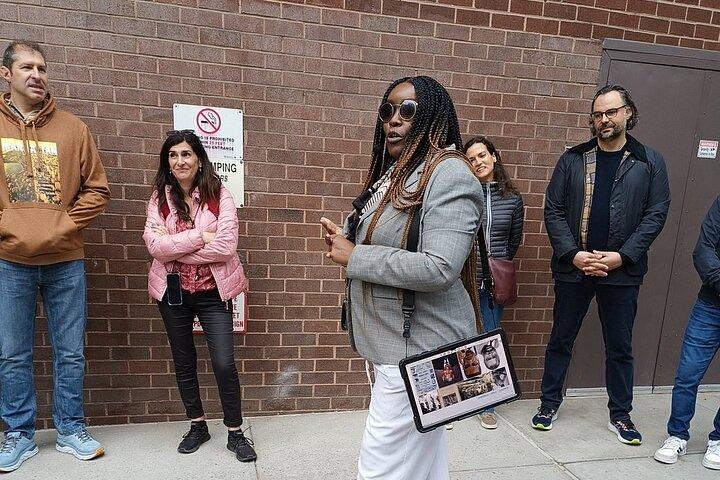
- Engage with knowledgeable guides using microphones
-
Duration 3 hours
-
Guided in English and French
-
Microphone and speaker provided
-
Wheelchair accessible
-
Infants can ride in stroller
Immerse yourselves in the rich history of Manhattan Slavery & Underground Railroad Walking Tour. Explore the hidden networks that helped enslaved individuals escape to freedom in the North. From secret safe houses to the African Burial Ground Memorial, follow in the footsteps of abolitionists and brave escapees who risked everything for liberty. Let our knowledgeable guides lead you through the streets of New York, revealing the stories of those who fought against the injustices of slavery. With stops at key landmarks like Bowling Green and Foley Square, this tour offers a unique and eye-opening perspective on the city's past. Don't miss this opportunity to uncover the untold history of Manhattan's role in the fight for freedom.
At a Glance
-
 Free cancellation
-
 2 hours
-
 Available in English, French
-
 Wheelchair accessible
-
 Mobile voucher
-
 Small Group tour
-
 Family friendly

Featured Reviews

Explore the hidden history of Manhattan's Underground Railroad and slavery on this insightful 3-hour walking tour, guided in English and French.
Included
-
 OtherOur guides use microphones and speakers
Meeting Point
Our tour guide will be waiting for you in the front of Citibank.

1 Broadway, New York, NY 10004 , United States


What to expect
Statue City Cruises Battery Park
introduction to the tour lower Manhattan—is the oldest part of New York City. The first Europeans to settle here were the Dutch in 1624, when the ship Nieuw Nederlandt (New Netherland) We will also be visiting he old settling of New Amsterdam
15 minutes
The Battery

Battery place state 3 and battery place introduction to the tour lower Manhattan—is the oldest part of New York City. The first Europeans to settle here were the Dutch in 1624, when the ship Nieuw Nederlandt (New Netherland) 15 minutes
15 minutes

City, NY 10004-4300 Phillipse Well (On the left side of Pearl Street, outside Goldman Sachs Building) In 1664, the British took control over the colony of New Netherland, resolving the century-long struggle between the two powers over ownership of the territory.
15 minutes

Federal Hall (26 Wall Street) The building here was constructed in 1842 as the United States Custom House. The original Federal Hall, erected in 1700 as the second city hall of the colony of New York, no longer stands. The United States government came to life on this site where in 1789 George Washington took the oath of office as the first president of the United States of America “Even as antislavery gained white adherents, grassroots activism and a critique of white racism defined black abolitionism in New York. No issue weighed heavier on black New Yorkers than the threat of kidnapping as slave catchers from the South flooded into the city. David Ruggles
15 minutes
Foley Square
The new racial hierarchy that developed as a means to justify American slavery quickly became entrenched in American society. The degree to which this racial philosophy dictated Americans’ perceptions of the world is reflected in the four statues here outside the historic Alexander Hamilton U.S. Custom House and National Museum of the American Indian.
15 minutes
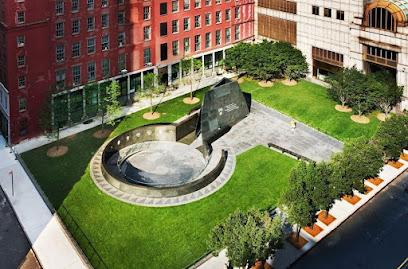
We will be talking about the slaves that were buried in this place
15 minutes
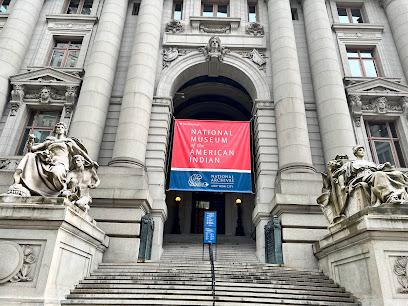
NY 10004-1415 introduction to the Lenape people and the concept of the race Race, in other words, is a purely social construct with no genetic basis that arose in order to legitimize the institution of American slavery. Still, today, it seems that the belief in human races, carrying along with it the prejudice and hatred of racism, is so embedded in our culture and has been an integral part of our worldview for so long that many of us assume that it just must be true
15 minutes
Construction of the Fort Amsterdam, began in 1625 at the southern tip of Manhattan Island, where the East and Hudson Rivers meet. The fort, named was intended to protect New Netherland from attack and also served as the center of trading activity
15 minutes
The experience can be subject to change due to bad weather or unforseen circumstances. We always endeavour to give you the best possible experience.
Additional Information
-
 All areas and surfaces are wheelchair accessible
 -
Infants and small children can ride in a pram or stroller
-
Infants are required to sit on an adult’s lap
-
Not recommended for travelers with poor cardiovascular health
-
Public transportation options are available nearby
-
Service animals allowed
-
Transportation options are wheelchair accessible
-
Travelers should have at least a moderate level of physical fitness
-
Wheelchair accessible
What our experts say
-
 Visit the nearby National Museum first.
 -
Try lunch at Fraunces Tavern after.
-
Wear comfortable shoes for walking.
-
Check out Battery Park for views.
-
Avoid peak hours for a quieter experience.

More About this Experience
Introduction
Immerse yourself in the rich history of Manhattan with the Manhattan Slavery & Underground Railroad Walking Tour. Delve into the secret networks of safe houses, meeting places, and more that were pivotal in aiding enslaved individuals in their quest for freedom during a tumultuous time in American history.What to expect?
Embark on a journey through Manhattan's past as you explore key landmarks such as Bowling Green, Battery Park, Frances Tavern, Wall Street, Foley Square, and the African Burial Ground Memorial. Learn about the struggles and triumphs of abolitionists, free Blacks, and escapees who risked everything to help others break free from the bonds of slavery.Who is this for?
This tour is for history enthusiasts, social justice advocates, and those with a curiosity for the untold stories of Manhattan's involvement in the Underground Railroad. It is for individuals who seek to understand the complexities of New York's past and the courageous individuals who fought against the injustices of slavery.Why book this?
Step back in time and walk in the footsteps of those who paved the way for freedom and equality. Gain a deeper understanding of Manhattan's role in the Underground Railroad and the sacrifices made by brave individuals to help others find liberation. This tour offers a unique opportunity to connect with history on a personal level and honor the resilience of those who fought for justice.Good to know
Join knowledgeable guides who will lead you through the streets of Manhattan, sharing stories and insights that will bring the past to life. With the use of microphones and speakers, you won't miss a word of the fascinating history that surrounds you. Be prepared for a thought-provoking and eye-opening experience that will leave a lasting impact.Reviews
Travelers who have taken the Manhattan Slavery & Underground Railroad Walking Tour have praised its informative and engaging nature. Many have expressed gratitude for the opportunity to learn about this important chapter in history and the passionate guides who bring the stories to life. Don't miss out on this chance to walk through history and uncover the hidden gems of Manhattan's past.
Your all‑in‑one travel companion app
Explore expert travel guides, compare and book tours, experiences, hotels, and more—all from the palm of your hand. Download now for seamless trip planning wherever your wanderlust takes you.


This is a popular product and the date you are looking for just sold out. Next available date is
