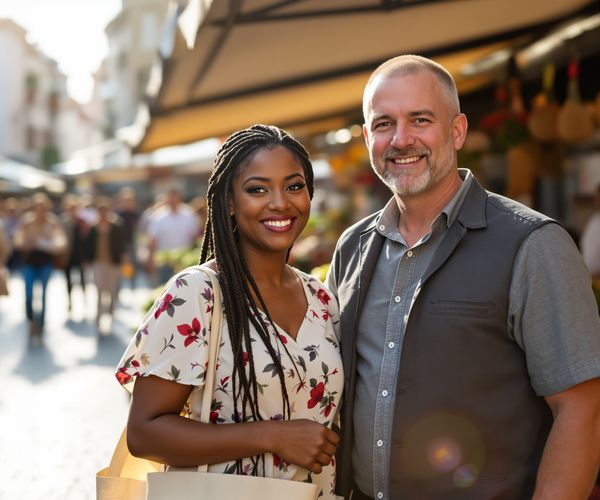
As a proud Ethiopian woman living in Germany, I've always believed that travel is more than just seeing new places; it's about connecting with the heart and soul of a culture. Over the years, I’ve learned that the most enriching travel experiences come from genuine interactions with locals and a deep respect for their traditions. Let me share some insights on how you too can create meaningful connections and truly immerse yourself in the cultures you encounter on your journeys.
Understanding Cultural Sensitivity
Cultural sensitivity, in the context of travel, is about being aware of and respecting the cultural differences and values of the people you encounter. It's about recognizing that your own cultural norms are not universal and that other cultures have their own unique ways of doing things.
Cultural sensitivity is crucial, not just for travelers but also for local communities. For travelers, it enhances the travel experience by allowing for deeper, more meaningful interactions. For local communities, it fosters respect and understanding, preserving their cultural identity and heritage.
When you show respect and appreciation for local cultures, you open doors to incredible experiences. You'll find that people are more welcoming, more willing to share their stories, and more eager to help you understand their way of life. Conversely, cultural insensitivity can lead to misunderstandings, offense, and even strained relationships. It can perpetuate negative stereotypes and undermine the efforts to preserve cultural heritage.
Research and Preparation Before Your Trip
Before you even pack your bags, take the time to research the local customs, traditions, and etiquette of your destination. This preparation is essential for showing respect and avoiding unintentional cultural faux pas.
There are many fantastic resources available to help you learn about a destination's culture. Books, documentaries, and online guides can provide valuable insights into the history, values, and social norms of a place. Don't forget to check out travel blogs and forums for firsthand accounts and tips from other travelers.
Key areas to research include greetings, dress codes, dining etiquette, gestures, and gift-giving traditions. For example, in some cultures, it's customary to bow when greeting someone, while in others, a handshake is the norm. Knowing these nuances can make a big difference in how you're perceived.
I remember once traveling to Japan and making the effort to learn a few basic Japanese phrases and customs. This small gesture was met with such warmth and appreciation by the locals. It transformed my trip from a simple sightseeing tour into a series of meaningful interactions and unforgettable experiences.
Learning the Local Language
One of the most impactful ways to connect with local cultures is to learn a few basic phrases in the local language. Even if you only know a handful of words, your effort will be greatly appreciated.
Useful phrases to learn include greetings (hello, goodbye), expressions of gratitude (thank you), polite requests (please, excuse me), and basic questions (how much does this cost?, where is the restroom?).
There are many excellent language learning apps and resources available online. Duolingo, Memrise, and Babbel are all great options for learning basic vocabulary and grammar. Consider investing in a phrasebook or taking a short language course before your trip.
Attempting to speak the local language shows respect and facilitates interactions with locals. It demonstrates that you're not just a tourist passing through but someone who genuinely cares about their culture. I've found that even a simple “hello” in the local language can open doors to conversations and create lasting connections.
During a trip to Italy, I made an effort to learn a few Italian phrases. One evening, while dining at a small family-run trattoria in Rome, I used my limited Italian to compliment the chef on his delicious pasta. He was so pleased that he came out of the kitchen to personally thank me, and we ended up chatting for over an hour about food, family, and Italian culture.
Engaging with Local Communities
To truly connect with a culture, you need to venture beyond the tourist attractions and engage with local communities. This means exploring local neighborhoods, visiting local markets, attending cultural events, and participating in community activities.
Local markets are a fantastic place to experience the sights, sounds, and smells of a culture. You can sample local foods, browse handmade crafts, and interact with vendors. Cultural events, such as festivals, concerts, and traditional dances, offer a glimpse into the heart and soul of a community.
When interacting with locals, be open, friendly, and respectful. Ask questions about their lives, their traditions, and their perspectives. Show genuine interest in what they have to say. Remember that a smile and a kind word can go a long way.
Consider staying in locally-owned accommodations, such as guesthouses or homestays. This will give you the opportunity to interact with local families and learn about their daily lives. You might even get invited to share a meal or participate in a local tradition.
Volunteering is another excellent way to engage with local communities. There are many organizations that offer volunteer opportunities in various fields, such as education, healthcare, and environmental conservation. By volunteering, you can make a positive impact on the community while gaining a deeper understanding of its culture.
Respecting Local Customs and Traditions
Respecting local customs and traditions is paramount, even if they differ from your own. Remember that you are a guest in their country, and it's your responsibility to adapt to their ways.
Familiarize yourself with the appropriate behavior in various cultural settings, such as religious sites, homes, and public spaces. In some cultures, it's considered disrespectful to wear shoes indoors, while in others, it's impolite to point with your finger.
Pay attention to dress codes and dress modestly when required. In many conservative cultures, it's important to cover your shoulders and knees, especially when visiting religious sites. Before taking photos of people or sacred sites, always ask for permission. Some people may not want to be photographed, while others may require a donation in exchange for their photo.
Be aware of customs such as removing shoes before entering a home or temple, using the right hand for eating and giving gifts, and avoiding public displays of affection.
Dining etiquette also varies from culture to culture. In some countries, it's customary to eat with your hands, while in others, it's considered impolite to finish all the food on your plate.
Supporting Local Businesses and Artisans
Supporting the local economy is an important way to contribute to cultural preservation. When you shop at locally-owned businesses, you're helping to sustain the livelihoods of local families and artisans.
Instead of buying mass-produced souvenirs, look for handmade crafts and artisan products. These items are often unique and reflect the cultural heritage of the region. Plus, you'll be supporting local artisans who are keeping traditional crafts alive.
Eat at local restaurants and try traditional cuisine. This is a delicious way to experience the culture and support local chefs and farmers. Avoid chain restaurants and opt for family-run establishments that serve authentic dishes.
By supporting local businesses, you're contributing to economic growth and cultural preservation. You're helping to create a sustainable tourism industry that benefits both travelers and local communities.
I once discovered a beautiful hand-woven scarf at a local market in Guatemala. Not only was it a unique and beautiful souvenir, but I also knew that my purchase was directly supporting the artisan who created it.
Practicing Responsible and Sustainable Travel
Responsible and sustainable travel is about minimizing your environmental impact and maximizing your positive impact on local communities. It's about traveling in a way that respects the environment, the culture, and the people of your destination.
There are many ways to minimize your environmental impact. Reduce waste by bringing your own reusable water bottle, shopping bag, and toiletries. Conserve water and energy by taking shorter showers, turning off lights, and using public transportation.
Choose eco-friendly transportation options, such as walking, cycling, or public transport. Avoid flying whenever possible, as air travel has a significant carbon footprint.
Choose accommodations with sustainable practices, such as hotels that use renewable energy, recycle, and support local communities. Respect wildlife and natural habitats by avoiding activities that harm animals or damage the environment.
Be mindful of ethical considerations related to tourism. Avoid exploitative practices, such as visiting orphanages or participating in animal shows. Ensure that your tourism activities benefit local communities and do not contribute to social or environmental problems.
Remember to leave no trace. Pack out everything you pack in, and avoid littering. Respect the natural environment and leave it as you found it.
Being Open-Minded and Adaptable
Perhaps the most important thing you can bring on your travels is an open mind and a willingness to learn. Approach new cultures with curiosity and avoid making judgments based on your own cultural norms.
Embrace differences and be prepared to step outside of your comfort zone. Try new foods, listen to new music, and participate in new activities. Be flexible with your travel plans and be prepared to adapt to unexpected situations.
Cultural misunderstandings can occur, even with the best intentions. If you find yourself in a situation where you've offended someone or made a cultural faux pas, apologize sincerely and try to learn from your mistake.
The personal growth and self-awareness that can result from cultural immersion are invaluable. By opening yourself up to new experiences and perspectives, you'll not only enrich your travels but also broaden your understanding of the world and your place in it.
Travel, for me, is not just a hobby; it's a way of life. It's about connecting with people, learning about cultures, and expanding my horizons. I hope these tips will inspire you to embark on your own cultural adventures and create meaningful connections along the way.
Discover ways to immerse yourself in local cultures and create meaningful connections during your travels. Tips on how travelers can engage with local cultures in a respectful and meaningful way.