Embracing Culinary Curiosity
One of the most crucial ingredients for a successful food journey is an open mind. I remember my first time trying sauerkraut here in Germany. The tangy, fermented cabbage was a world away from the spicy stews I grew up with in Ghana. Initially, I was hesitant, but I decided to embrace the experience, and now it's a staple in my diet! Food is a direct reflection of a country's history and traditions. Approaching new cuisines with curiosity allows you to unlock a deeper understanding of the places you visit. Don't be afraid to try something new, even if it looks or smells unfamiliar. You might just discover your next favorite dish!
Finding Authentic Local Cuisine
Tired of tourist traps serving up watered-down versions of local dishes? Me too! Venturing beyond the well-trodden paths is key to discovering culinary gems. One of my favorite strategies is connecting with locals. Ask your hotel staff, taxi drivers, or even people you meet in parks for their recommendations. They often know the best hidden spots where locals eat. When I visited Italy, I stumbled upon a tiny trattoria in Rome thanks to a tip from a friendly barista. The handmade pasta was divine, and the atmosphere was warm and inviting – a truly authentic experience!
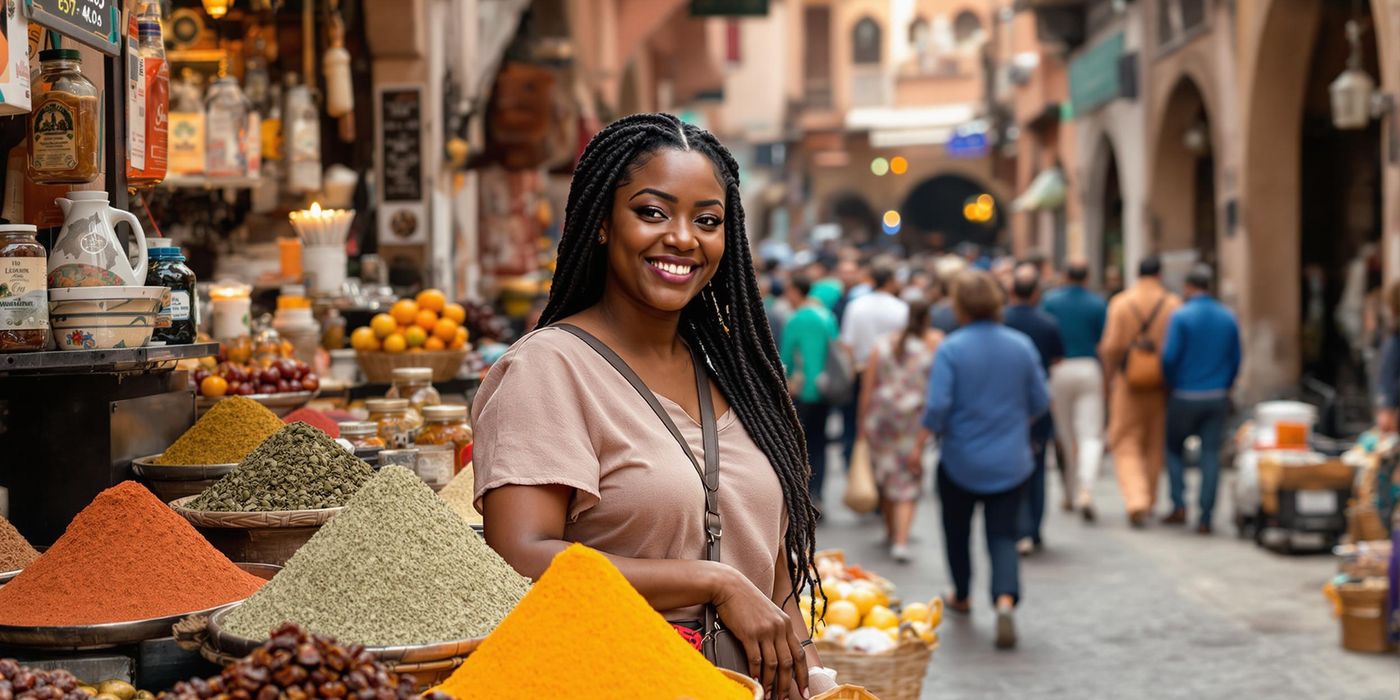
Exploring local markets is another fantastic way to immerse yourself in the food culture. Wander through the stalls, sample fresh ingredients, and chat with the vendors. You'll discover unique flavors and learn about the local produce. In Ghana, the markets are vibrant hubs of activity, filled with colorful fruits, vegetables, and spices. These markets not only offer the freshest ingredients but also provide a glimpse into the daily lives of the people.
The Joy of Cooking Classes
Taking cooking classes while traveling is an enriching experience. It's more than just learning a new recipe; it's about understanding the ingredients, techniques, and cultural context behind the food. I took a wonderful Thai cooking class in Chiang Mai, where I learned to make green curry from scratch. The instructor shared stories about the history of the dish and the significance of each ingredient. I gained invaluable skills and a deeper appreciation for Thai cuisine.
Cooking classes offer a unique opportunity to connect with local chefs and fellow food enthusiasts. You'll learn about regional specialties, traditional cooking methods, and the importance of food in the local culture. Plus, you get to enjoy the fruits (or vegetables!) of your labor at the end of the class.
Navigating Food Tours
Food tours are a fantastic way to sample a wide range of local dishes in a short amount of time. They're especially great if you're new to a city or region and want a comprehensive culinary overview. Look for reputable food tours that focus on authentic culinary experiences and support local businesses. Read reviews, check the itinerary, and make sure the tour guides are knowledgeable and passionate about food.
One of the best things about food tours is the social aspect. You get to connect with fellow food lovers from around the world, share stories, and discover new flavors together. I joined a food tour in Marrakech, Morocco, and had a blast sampling tagine, couscous, and other local delicacies while chatting with people from different corners of the globe.
Understanding Cultural Food Practices
Food is deeply intertwined with culture, and understanding the cultural nuances surrounding food consumption can enhance your travel experience. In some cultures, eating with your hands is customary, while in others, it's considered impolite. Mealtime etiquette and traditions vary widely from country to country. For example, in Japan, it's customary to slurp your noodles to show appreciation, while in some Middle Eastern countries, it's considered rude to eat with your left hand.
Being mindful of these cultural differences demonstrates respect for the local customs and traditions. It also allows you to engage more meaningfully with the people and the culture. Take the time to learn about the food practices in the places you visit, and you'll gain a deeper understanding of the society's values and beliefs.
Sustainable Culinary Travel
As a proponent of sustainable living, I believe it's essential to consider the environmental and social impact of our food choices while traveling. Supporting local farmers and producers is a great way to promote sustainable agriculture and reduce your carbon footprint. Visit farmers' markets, buy directly from local artisans, and choose restaurants that source their ingredients locally.
Reducing food waste is another important aspect of sustainable culinary travel. Be mindful of portion sizes, avoid over-ordering, and take leftovers with you whenever possible. Look for eco-friendly dining options, such as restaurants that compost food scraps, use reusable containers, and minimize their environmental impact. By making conscious choices, we can enjoy global cuisines while minimizing our impact on the planet.
Join Abena on a flavorful journey! Discover tips for enjoying global cuisines, finding authentic dining, and participating in cooking classes.