As a software developer specializing in AI for sustainable agriculture, my life in Potsdam, Germany, is often a carefully orchestrated dance of deadlines and data. Yet, beyond the structured world of coding, lies my deep passion for travel – a realm where I strive to harmonize the precision of planning with the unpredictable beauty of spontaneity. Join me as I share my approach to creating travel itineraries that embrace both the comfort of a well-laid plan and the thrill of uncharted adventures.
The Allure of the Open Road
There's an undeniable magnetism to the idea of setting off without a rigid itinerary, isn't there? The allure of the open road, the promise of stumbling upon hidden gems, and the freedom to change course on a whim – it's a travel fantasy many of us share. I, too, have been captivated by this spontaneous spirit. Before settling into family life with Klaus and Ama, I embarked on several unplanned adventures. I recall backpacking through Southeast Asia, where I allowed my intuition to guide me from bustling city streets to serene temples tucked away in the mountains. The sense of freedom was intoxicating!
These unplanned escapades weren't just about seeing new places; they were about experiencing them in their rawest form. I found myself immersed in local cultures, sharing meals with families who didn't speak my language, and learning about traditions that were vastly different from my own Ghanaian upbringing. It was during these moments that I realized how spontaneity could lead to profound personal growth and a deeper understanding of the world.
The Foundation of a Well-Crafted Itinerary
However, as much as I cherish the freedom of unplanned travel, I've also come to appreciate the importance of having a solid foundation. Especially now that I'm traveling with my family, a certain level of structure is essential for a smooth and enjoyable experience. Imagine arriving in a new city late at night with a tired toddler and no accommodation booked – not an ideal scenario!
My approach involves pre-planning the essential elements: flights, accommodations, and any must-see attractions that require advance booking. This ensures that we have a comfortable place to rest our heads and that we don't miss out on experiences that are important to us. For example, when we visited Japan last year, I booked our bullet train tickets and reserved a traditional Ryokan in Kyoto well in advance. This allowed us to relax and fully immerse ourselves in the cultural experience without worrying about logistics.
A well-defined itinerary also helps us manage our time efficiently and reduce stress. Knowing that we have a plan in place allows us to navigate unfamiliar environments with confidence and make the most of our limited vacation time. It's about finding a balance between structure and flexibility – creating a framework that supports spontaneous exploration.
Creating Flexible Frameworks
The key to successful travel planning, in my opinion, lies in creating flexible frameworks. This means building an itinerary that includes buffer time and open slots for unexpected opportunities. I like to think of it as creating a roadmap with detours clearly marked.
For instance, when we planned our trip to Italy, I made sure to leave our afternoons in Rome open for local recommendations. We consulted with our Airbnb host, who suggested a hidden gem of a trattoria in Trastevere. It was a culinary experience we wouldn't have discovered otherwise! Similarly, during our visit to the Black Forest in Germany, we left a day open for unplanned activities. We ended up stumbling upon a charming little village festival, complete with traditional music, local crafts, and delicious Black Forest cake.
Researching key destinations and activities beforehand is also crucial. I spend hours poring over travel blogs, guidebooks, and online forums to get a sense of what each place has to offer. However, I always remind myself to remain open to deviations from the plan. Sometimes, the most memorable experiences are the ones you never saw coming.
Embracing Detours and Discoveries
I encourage everyone to embrace the unexpected and be open to changing plans mid-trip. Don't be afraid to veer off the beaten path and explore the lesser-known corners of your destination. You might be surprised at what you discover.
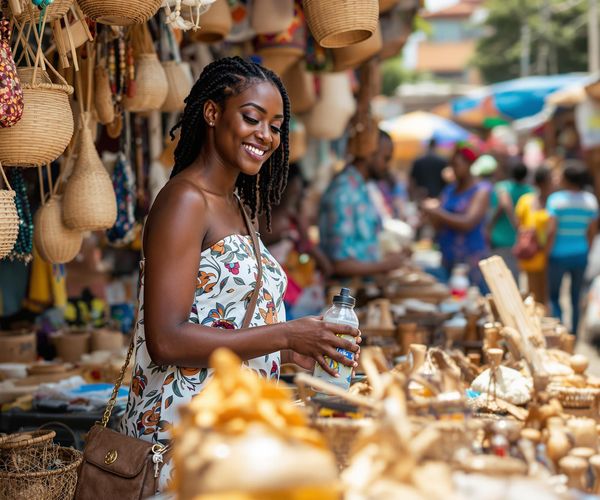
I remember a time when we were in Morocco, and we had planned to visit a specific souk in Marrakech. However, on our way there, we got completely lost in the labyrinthine alleyways of the medina. At first, I was frustrated, but then I decided to embrace the detour. We wandered aimlessly, soaking in the sights, sounds, and smells of the vibrant marketplace. We stumbled upon a hidden courtyard where artisans were crafting intricate leather goods, and we shared mint tea with a friendly shopkeeper who told us stories about the history of the city. It was a far more authentic and memorable experience than simply visiting the planned souk.
Flexibility can also lead to unexpected interactions with locals and unique culinary experiences. Don't be afraid to strike up conversations with people you meet along the way. Ask for recommendations, share stories, and be open to trying new things. You never know what hidden gems you might uncover.
The Art of Saying 'Yes'
Ultimately, the art of balancing spontaneity and structure in travel comes down to being open to new experiences and opportunities. It's about saying 'yes' to the unexpected, even if it means stepping outside of your comfort zone.
I've learned to trust my instincts and make quick decisions while on the road. Consulting with locals is always a great way to get insider tips and discover hidden gems. Travel apps can also be helpful for finding nearby restaurants, attractions, and transportation options. But sometimes, the best decisions are the ones you make on a whim, based on a feeling or a hunch.
Embracing spontaneity can lead to personal growth and enhanced problem-solving skills. It teaches you to adapt to changing circumstances, think on your feet, and trust your own judgment. And who knows, you might just stumble upon the adventure of a lifetime.
Explore the art of blending structured travel plans with spontaneous adventures. Discover how to create flexible itineraries that allow for unexpected discoveries and cultural immersion.