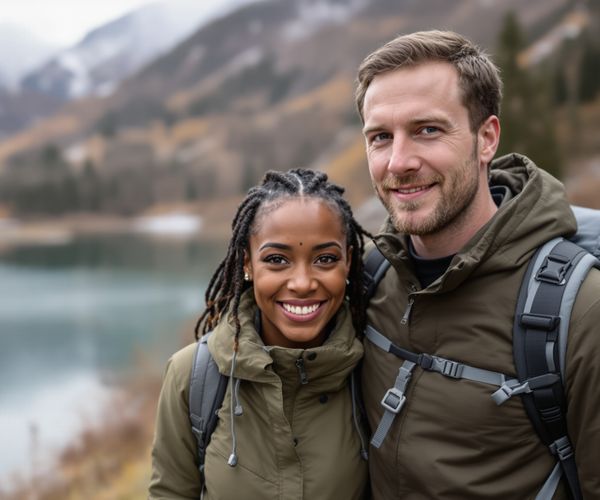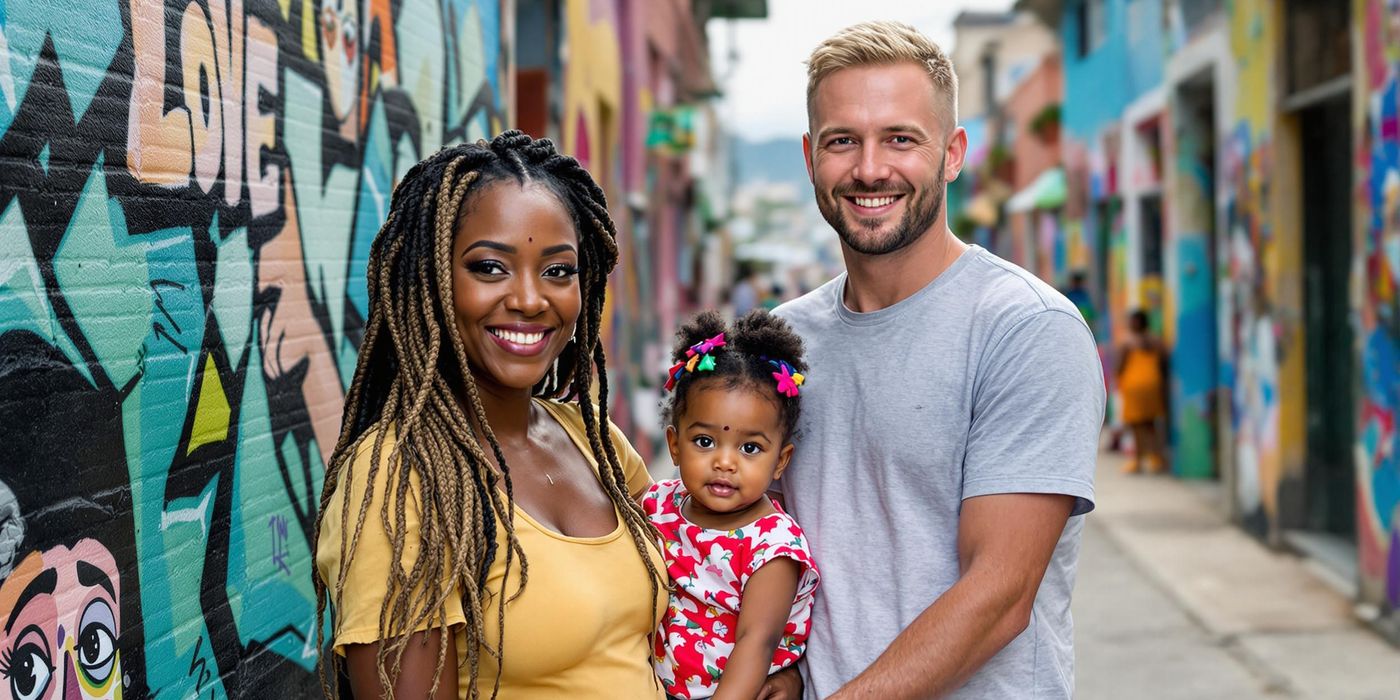
The allure of working from anywhere, the freedom to explore new cultures, and the flexibility to set your own hours – the digital nomad lifestyle is undeniably appealing. As a software developer specializing in AI for sustainable agriculture, I, Abena Mensah, have been navigating this exciting yet challenging world for the past few years. It's been a journey of discovery, learning, and constant adaptation. Let me share my experiences and insights on how to make this dream a sustainable reality.
The Allure and Reality of the Digital Nomad Life
The initial draw is undeniable: the freedom to wake up in a different city each week, the flexibility to work from a beachside cafe, and the constant stimulation of new experiences. Who wouldn't want that? However, the reality is often more complex. The Instagram-worthy images often obscure the less glamorous aspects: the loneliness of being away from friends and family, the frustration of unreliable Wi-Fi, the struggle to maintain a healthy work-life balance, and the constant need to manage finances across borders.
Despite these challenges, the trend of digital nomadism continues to grow, reshaping travel and work cultures. More and more people are seeking location independence, and companies are increasingly embracing remote work. This shift presents exciting opportunities but also demands a mindful approach to avoid burnout and ensure long-term sustainability.
Time Management is Your Superpower
In the digital nomad world, time management isn't just a skill; it's your lifeline. Without a structured schedule, it's easy to get swept away by the excitement of a new place or fall behind on deadlines. I've found that time blocking and structured scheduling are crucial for maintaining productivity and peace of mind.
I rely heavily on tools like Google Calendar to schedule my workdays, meetings, and even personal activities. The Pomodoro Technique – working in focused 25-minute intervals with short breaks – helps me stay on task and avoid distractions. For project management, Trello and Asana are invaluable for keeping track of tasks, deadlines, and collaborations with my team.
One memorable experience was when I was in Medellin, Colombia. I had a major project deadline looming, but I also wanted to explore the city. By meticulously planning my days, dedicating specific blocks to coding and others to exploring the vibrant streets and enjoying the local cuisine, I managed to deliver the project on time while fully immersing myself in the city's culture. It taught me that with effective time management, you can truly have the best of both worlds.
Creating Your Mobile Workspace
Finding a productive workspace on the road is essential. While working from a hammock on the beach might seem appealing, it's not always conducive to deep work. I've experimented with various options, from coworking spaces and cafes to libraries and optimized hotel rooms.
Coworking spaces offer a sense of community and a dedicated workspace, but they can be expensive. Cafes are a more affordable option, but noise and distractions can be a challenge. Libraries provide a quiet environment, but their hours may not always align with your schedule. I've also learned to optimize my hotel rooms by creating a dedicated workspace with good lighting and minimal distractions.
Essential travel gear for me includes a portable monitor to expand my screen real estate, noise-canceling headphones to block out distractions, a travel router for secure and reliable internet access, and a universal adapter to stay connected in different countries. A comfortable and ergonomic setup is crucial for preventing aches and pains from long hours of work.
Embracing Local Culture Without Sacrificing Deadlines
The key to a fulfilling digital nomad experience is integrating work into your travel itinerary, not the other way around. It's tempting to prioritize exploration, but neglecting work commitments can quickly lead to stress and burnout. I've found that allocating specific days for work and others for exploration is the most effective approach.
Even with a busy schedule, there are ways to incorporate local experiences. Short walking tours, cooking classes, and language exchanges are great options for cultural immersion without sacrificing too much time. I also make an effort to connect with local communities and learn about their traditions and customs.
When Klaus and I lived in Berlin, I was working on a particularly demanding project. Despite the pressure, I made sure to attend several Afro-German cultural events. It was a wonderful way to connect with my heritage, learn about the experiences of other Black people in Germany, and recharge my batteries. Balancing these cultural experiences with my work commitments helped me stay motivated and inspired.
The Importance of Self-Care on the Road
Prioritizing mental and physical health is paramount when you're constantly on the move. The digital nomad lifestyle can be isolating and stressful, so it's essential to develop strategies for managing stress, maintaining a healthy diet, and getting enough exercise.
I've found mindfulness practices and meditation apps incredibly helpful for managing stress and staying grounded. Regular exercise, even if it's just a short walk or a quick workout in my hotel room, is crucial for maintaining my physical health. I also try to eat healthy, balanced meals, even when I'm traveling in places where the cuisine is very different from what I'm used to.
Hiking in the Brandenburg countryside near Potsdam is one of my favorite ways to reconnect with nature and de-stress. I also practice my Twi language skills with online communities, which helps me stay connected to my Ghanaian roots and combat feelings of isolation. Taking care of myself allows me to be more productive and enjoy my travels to the fullest.
Navigating the Financial Realities
The financial aspects of being a digital nomad can be complex. Budgeting, managing expenses, and dealing with currency exchange rates require careful planning and attention. I recommend using budgeting apps and financial planning tools to track your income and expenses and stay on top of your finances.
Finding affordable accommodation and transportation options is also crucial. Consider staying in hostels or Airbnb apartments instead of hotels, and use public transportation or rent a bicycle instead of taking taxis. Cooking your own meals can also save a significant amount of money.
Managing international bank accounts and taxes as a remote worker can be challenging, but there are resources available to help. Consult with a financial advisor or tax professional to ensure that you're complying with all applicable laws and regulations. With careful planning and diligent management, you can navigate the financial realities of the digital nomad lifestyle and achieve financial stability.
Explore strategies for maintaining productivity and enjoying travel as a digital nomad, with insights from a software developer's perspective.