As a Ghanaian woman living in Germany, I've always been drawn to experiences that connect me deeply with the cultures I encounter during my travels. It's more than just seeing the sights; it's about understanding the people, their traditions, and their way of life. Join me as I share some insights on how to make your travels more immersive and meaningful.
Why Bother Immersing?
Why just be a tourist when you can be a traveler? Cultural immersion isn't just a buzzword; it's a pathway to authentic experiences that enrich both the traveler and the host community. When you immerse yourself, you move beyond the surface and begin to understand the nuances of a culture. This deeper understanding leads to more meaningful interactions and lasting memories.
For the host community, immersive tourism can provide significant economic benefits. By supporting local businesses and initiatives, you contribute to the preservation of their cultural heritage. It’s a win-win: you gain a richer travel experience, and they gain the resources to maintain their traditions.
Learning a Few Phrases: More Than Just Words
One of the most impactful ways to connect with locals is through language. You don't need to become fluent, but learning a few basic phrases can make a world of difference. Imagine arriving in a new place and being able to greet people in their own language, ask for directions, or simply say thank you. It shows respect and a genuine interest in their culture.
I remember visiting a small village in Italy where I attempted to speak Italian, despite my limited knowledge. The locals were so appreciative of the effort that they welcomed me with open arms, sharing stories and traditions that I wouldn't have experienced otherwise. It transformed my trip from a simple sightseeing tour into a heartfelt cultural exchange.
There are plenty of resources available to help you learn essential phrases. Apps like Duolingo and Memrise are great for beginners, while phrasebooks can be useful for quick reference on the go. Don't be afraid to make mistakes; locals are usually happy to help you learn.
Attending Local Events: Festivals, Markets, and More
Local events are a window into the soul of a community. Whether it's a vibrant festival, a bustling market, or a simple community gathering, these events offer a glimpse into local traditions and social dynamics. Attending these events allows you to participate in the community's rhythm and connect with people on a deeper level.
In Ghana, I always make time to attend the local festivals. The energy is infectious, with drumming, dancing, and colorful displays. It's a chance to celebrate our heritage and connect with family and friends. These events are not just for locals; visitors are often welcomed to join in the festivities.
Finding local events is easier than you might think. Check community bulletin boards, social media groups, or simply ask locals for recommendations. Don't be afraid to step outside your comfort zone and try something new. You might discover a hidden gem that becomes a highlight of your trip.
Supporting Local Businesses: Where You Spend Matters
Where you choose to spend your money has a direct impact on the local community. By supporting local businesses, restaurants, and artisans, you contribute to the economic well-being of the community. Choosing local over international chains ensures that your money stays within the community, supporting families and preserving local traditions.
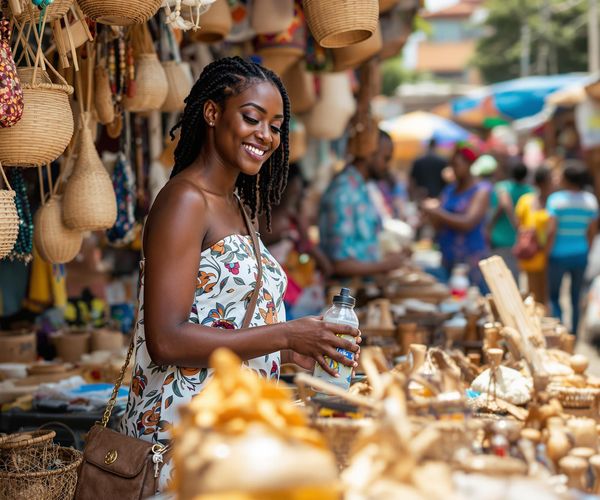
I always make it a point to visit local markets when I travel. You can find unique souvenirs, sample local delicacies, and interact with artisans who are passionate about their craft. These interactions are often more rewarding than buying mass-produced items from tourist shops.
Look for businesses that prioritize sustainability and ethical practices. Ask questions about where their products come from and how they are made. By making informed choices, you can support businesses that are committed to preserving the local culture and environment.
Respectful Engagement: Being a Considerate Guest
When you travel to a new place, you are a guest in someone else's home. It's essential to respect local customs, traditions, and etiquette. Before you travel, take some time to research the local culture and be aware of any potential cultural differences.
Always ask permission before taking photos of people or entering sacred sites. Dress modestly when visiting religious sites and be mindful of local customs regarding food and drink. Being open-minded and adaptable to new cultural experiences will not only make your trip more enjoyable but also show respect for the local community.
In some cultures, bargaining is a common practice, while in others, it may be considered rude. Understanding these nuances can help you navigate social situations with grace and avoid unintentional offense.
Community-Based Tourism: A Deeper Dive
Community-based tourism (CBT) is a form of tourism that is owned and managed by local communities. It offers travelers the opportunity to experience authentic cultural experiences while directly benefiting the community. CBT initiatives often focus on preserving local traditions, protecting the environment, and empowering local communities.
There are many examples of successful CBT projects around the world. In some villages in Southeast Asia, tourists can stay in locally-owned guesthouses, participate in traditional farming activities, and learn about local crafts. In Africa, tourists can visit community-run wildlife reserves and support conservation efforts.
Finding and supporting CBT projects is easier than ever. Websites like Responsible Travel and Tourism Concern list reputable CBT initiatives around the world. By choosing CBT, you can ensure that your travels have a positive impact on the local community and contribute to sustainable tourism.
Discover ways to engage with local cultures authentically and respectfully, enhancing your travel experiences.