
The Culinary Bridge: Connecting Through Food
Food has an incredible power to transcend borders and create connections. I've experienced this firsthand countless times during my travels. Whether it's sharing a simple cup of Turkish tea with a vendor in Istanbul or enjoying a hearty German stew with friends in Stuttgart, food has always been a catalyst for conversation and understanding.
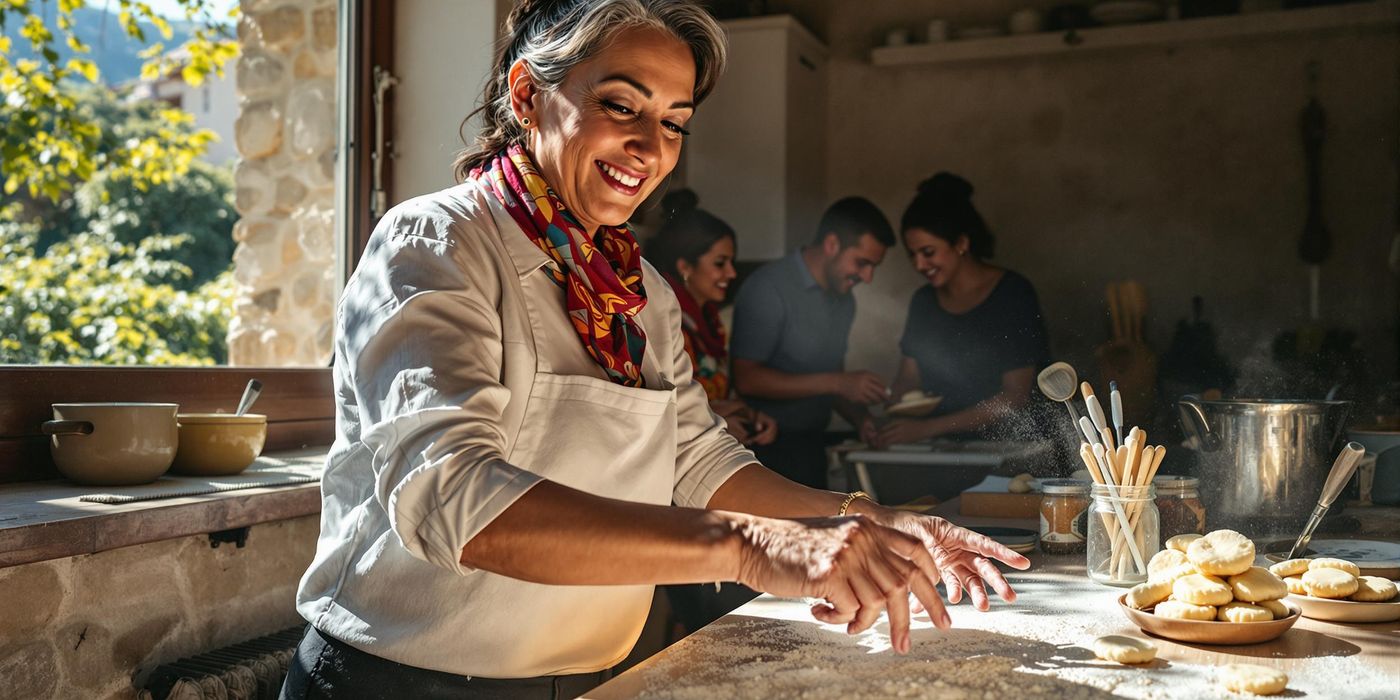
One of my most memorable experiences was in a small village in Turkiye, where I was invited to help a family prepare their evening meal. Despite the language barrier, we communicated through gestures and smiles, sharing laughter and stories as we kneaded dough and chopped vegetables. That evening, as we sat together and savored the delicious meal we had created, I felt an undeniable sense of connection and belonging. It was a reminder that no matter where we come from, we all share a common need for nourishment and community.
Food plays a vital role in cultural traditions and social customs. It's often at the center of celebrations, rituals, and gatherings, bringing people together to share joy, express gratitude, and honor their heritage. By understanding the significance of food in different cultures, we can gain a deeper appreciation for their values, beliefs, and ways of life.
From Market to Table: Immersing Yourself in Local Ingredients
One of my favorite ways to immerse myself in a new culture is by visiting local markets. The sights, smells, and sounds of a bustling market are an assault on the senses, offering a glimpse into the heart and soul of a community.
In Turkiye, the markets are a kaleidoscope of colors, with vendors selling everything from fresh fruits and vegetables to spices, nuts, and olives. The air is filled with the aroma of freshly baked bread and the sounds of vendors hawking their wares. I love wandering through the stalls, discovering unique ingredients and learning about their origins.
Similarly, the markets in Germany are a treasure trove of local produce, cheeses, and meats. The Wochenmarkt (weekly market) is a beloved tradition, where farmers and artisans come together to sell their goods directly to consumers. It's a great place to find seasonal ingredients and sample regional specialties.
When exploring a new market, don't be afraid to ask locals for advice. They are often happy to share their knowledge and offer tips on how to identify and select unfamiliar ingredients. You might even discover a new favorite food or learn a secret recipe!
Unlocking Culinary Secrets: Learning from Local Cooks
Taking cooking classes or workshops while traveling is an excellent way to learn authentic recipes and techniques. It's also a fantastic opportunity to connect with local cooks and gain insights into their culinary traditions.
I've taken cooking classes in several countries, and each experience has been unique and enriching. In Italy, I learned the art of making fresh pasta from scratch. In Thailand, I mastered the delicate balance of flavors in Thai cuisine. And in Morocco, I discovered the secrets of tagine cookery.
One of my most memorable cooking experiences was in a small village in Turkiye, where I spent a day with a family learning to make traditional Turkish pastries. The grandmother, a wizened woman with decades of cooking experience, patiently guided me through each step, sharing her knowledge and wisdom. By the end of the day, I had not only learned to make delicious pastries but had also gained a deeper appreciation for Turkish culture and hospitality.
When searching for cooking classes, look for reputable schools or instructors with positive reviews. Don't be afraid to ask questions and express your interests. And most importantly, be open to learning and embrace the experience.
A Taste of Home: Recreating Travel Memories in Your Kitchen
Cooking dishes from your travels is a wonderful way to relive cherished memories and share your experiences with others. The aroma of a familiar spice or the taste of a beloved dish can transport you back to a special place and time.
Here are two simple recipes from my travels that you can try at home:
Turkish Lentil Soup (Mercimek Çorbası)
This hearty and flavorful soup is a staple in Turkish cuisine, often served as a starter or a light meal. It's packed with nutrients and is incredibly comforting, especially on a cold day.
Ingredients:
- 1 cup red lentils, rinsed
- 1 tablespoon olive oil
- 1 onion, chopped
- 1 carrot, chopped
- 1 potato, chopped
- 6 cups vegetable broth
- 1 teaspoon cumin
- 1/2 teaspoon red pepper flakes (optional)
- Salt and pepper to taste
- Fresh mint or parsley, chopped (for garnish)
Instructions:
- Heat the olive oil in a large pot over medium heat. Add the onion, carrot, and potato and cook until softened, about 5-7 minutes.
- Add the red lentils, vegetable broth, cumin, and red pepper flakes (if using). Bring to a boil, then reduce heat and simmer for 20-25 minutes, or until the lentils are tender.
- Use an immersion blender to puree the soup until smooth. Season with salt and pepper to taste.
- Garnish with fresh mint or parsley before serving.
- 2 pounds potatoes, peeled and cooked
- 1/2 cup vegetable broth
- 1/4 cup white wine vinegar
- 2 tablespoons olive oil
- 1 onion, finely chopped
- 2 tablespoons chopped fresh parsley
- Salt and pepper to taste
- While the potatoes are still warm, slice them thinly and place them in a large bowl.
- In a separate bowl, whisk together the vegetable broth, white wine vinegar, olive oil, onion, and parsley.
- Pour the dressing over the potatoes and toss gently to combine. Season with salt and pepper to taste.
- Let the potato salad sit for at least 30 minutes before serving to allow the flavors to meld.
Ingredient Sourcing Tip: If you can't find red lentils at your local grocery store, try an international market or online retailer.
German Potato Salad (Kartoffelsalat)
German potato salad is a versatile dish with many regional variations. Some versions are made with vinegar and oil, while others are made with mayonnaise. This recipe is for a classic Swabian potato salad, which is made with vinegar, oil, and broth.
Ingredients:
Instructions:
Adaptation Tip: For a creamier potato salad, add a tablespoon or two of mayonnaise to the dressing.
Beyond the Recipe: Understanding Culinary History
To truly appreciate a dish, it's important to understand its historical and cultural context. Every recipe has a story to tell, reflecting the traditions, ingredients, and techniques of a particular region or community.
I always make an effort to research the history of the dishes I cook, delving into the origins of the ingredients and the evolution of the recipes. I find it fascinating to learn how food has shaped cultures and how cultures have shaped food.
For example, when I cook Turkish lentil soup, I think about the nomadic tribes who first cultivated lentils thousands of years ago. And when I make German potato salad, I imagine the farmers who relied on potatoes as a staple crop during times of famine.
By exploring the history of your favorite dishes, you can gain a deeper understanding of the world around you and connect with the people and cultures that have shaped our culinary heritage.
Explore the connection between food and culture, and discover tips on learning local recipes and cooking techniques during your travels. Join Ayşe on a culinary journey!