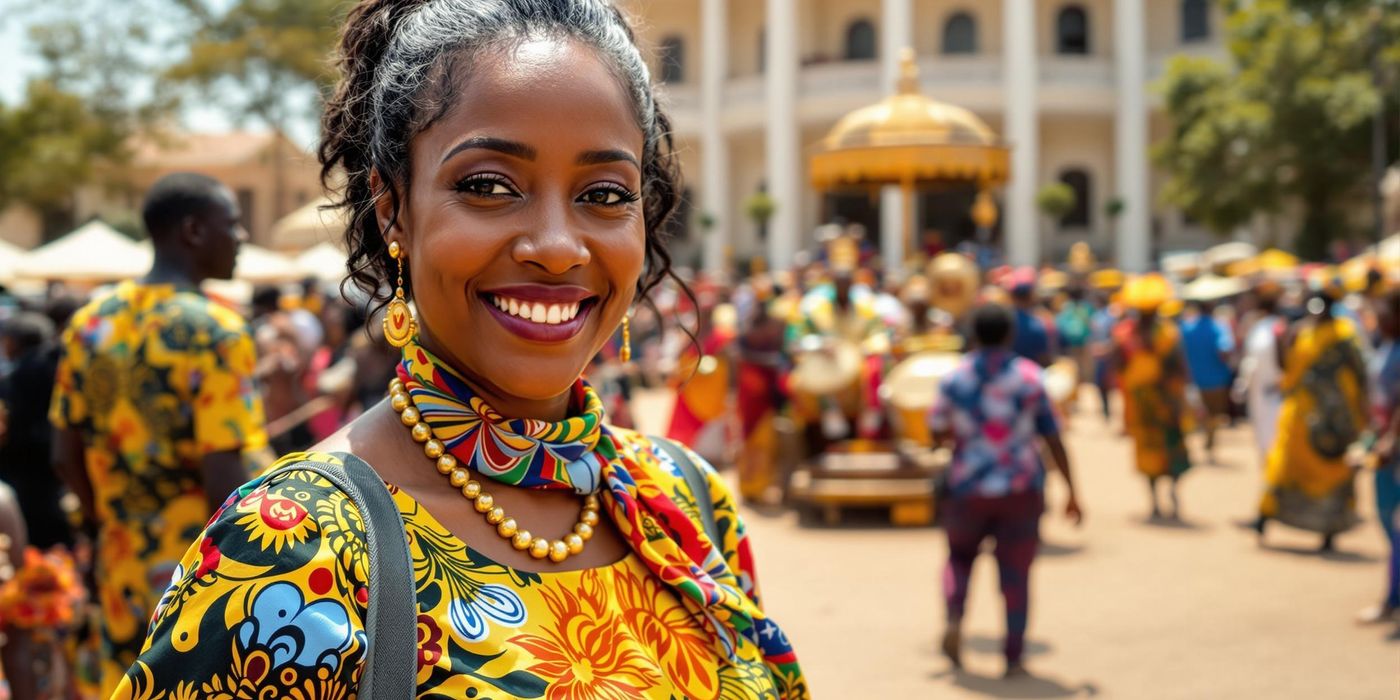
The Heartbeat of a Culture: Understanding Festivals
Cultural festivals are so much more than just colorful parades and lively music; they are the heartbeat of a community. They serve as vital threads in preserving traditions, passing down stories, and reinforcing the unique identity of a people. These festivals reflect a community's deepest values, its historical journey, and its collective memory. Through them, we witness the artistic expressions that have been honed over generations, providing a platform for cultural exchange and understanding.
I remember attending a Turkish folk festival in Stuttgart a few years ago. Surrounded by the familiar sounds of Turkish music and the aroma of traditional dishes, I felt an overwhelming sense of connection to my heritage. It wasn't just about enjoying the festivities; it was about reaffirming my roots and sharing them with my German friends and family. That experience underscored the profound cultural significance that festivals hold.
Beyond the Tourist Trail: Discovering Lesser-Known Festivals
While well-known festivals draw huge crowds, some of the most authentic and enriching experiences can be found in lesser-known celebrations. These hidden gems offer a unique glimpse into the soul of a community, away from the hustle and bustle of mainstream tourism.
Let's journey to Ghana, where the Akwasidae Festival unfolds. This event is a grand display of Ashanti royalty, with the Ashanti King at the center of elaborate ceremonies. The festival is a sacred day for the Ashanti people, a time to honor their ancestors and reaffirm their loyalty to the King. {image1}
Next, we travel to Bhutan for the Thimphu Tshechu. This festival is a vibrant spectacle of masked dances, known as Cham dances, performed by monks and laymen. These dances are not mere entertainment; they are religious rituals that cleanse the land of evil spirits and bring blessings to the community. The intricate costumes and the profound spiritual significance make this festival a truly unforgettable experience. {image2}
For something completely different, consider La Tomatina in Buñol, Spain. This festival is famous for its massive tomato fight, where participants hurl tomatoes at each other in a joyous, messy celebration. While it might seem purely whimsical, La Tomatina has become a symbol of the town's identity and a testament to the power of communal fun. {image3}
Planning Your Festival Adventure: Practical Tips
Ready to embark on your own festival adventure? Here are some practical tips to help you plan a seamless and enriching experience:
- Research is Key: Start by thoroughly researching the festivals that pique your interest. Tourism boards and cultural organizations are excellent resources for finding accurate dates and detailed information. Keep in mind that festival dates can shift from year to year, so always double-check for 2025.
- Book in Advance: Popular festivals often draw large crowds, so it's crucial to book your accommodations and transportation well in advance. This will save you from last-minute stress and ensure you have a comfortable base from which to explore.
- Embrace Flexibility: While planning is essential, leave room for spontaneity in your itinerary. Some of the most memorable moments come from unexpected events and chance encounters. Be open to detours and embrace the unexpected.
- Prioritize Travel Insurance: Travel insurance is a must for any trip, but it's especially important when attending festivals in unfamiliar locations. Be prepared for unforeseen circumstances, such as flight delays, medical emergencies, or lost belongings.
Cultural Etiquette: Participating Respectfully
Participating in a cultural festival is a privilege, and it's essential to do so with respect and sensitivity. Before you go, take the time to learn about local customs and traditions. Understanding the cultural nuances will not only enhance your experience but also demonstrate your appreciation for the community.
- Dress Appropriately: Pay attention to local dress codes, especially during religious ceremonies or sacred events. Modest attire is often required, and it's always better to err on the side of caution.
- Ask for Permission: Before taking photographs of people or sensitive sites, always ask for permission. Respect their privacy and be mindful of their cultural beliefs.
- Show Respect: Showing respect for local communities and their beliefs is paramount. Avoid making insensitive comments or engaging in disrespectful behavior. Remember, you are a guest in their home.
From my own experiences traveling between Germany and Türkiye, I've learned that a little bit of cultural awareness goes a long way. Simple gestures, like learning a few basic phrases in the local language or understanding the significance of certain rituals, can create meaningful connections and foster mutual respect.
There are many resources available to help you learn about cultural etiquette. Books, cultural experts, and even community members can provide valuable insights. Don't hesitate to reach out and ask questions. Most people are happy to share their culture with respectful visitors.
Meaningful Participation: Immersing Yourself in the Experience
The best way to experience a cultural festival is to fully immerse yourself in the experience. Engage with locals, learn about the festival's history and significance, and participate in traditional activities.
- Engage with Locals: Talk to the people who are participating in the festival. Ask them about their experiences and learn about the meaning behind the traditions.
- Participate in Activities: Don't just be a spectator; get involved! Join in the dancing, music, or crafts. This is a great way to connect with the culture on a deeper level.
- Try Local Cuisine: Food is an integral part of any culture. Sample the local cuisine and learn about the cultural significance of the dishes.
- Observe and Appreciate: If the festival has spiritual or religious aspects, observe them respectfully and appreciate their significance. Even if you don't fully understand them, you can still appreciate their beauty and power.
By actively participating and showing genuine interest, you'll not only gain a deeper understanding of the culture but also create lasting memories. So, pack your bags, open your mind, and get ready to embark on a cultural festival adventure that will enrich your life in countless ways.
Explore the world's vibrant cultural festivals, understand their significance, and learn how to participate respectfully. Discover unique celebrations and practical tips for planning your adventure.