Merhaba dear Evendo travelers! I'm Ayşe, and I'm thrilled to take you on a journey that intertwines my passions: textile art and cultural exploration. As someone who grew up surrounded by the vibrant colors and intricate patterns of Turkish textiles, I've come to realize that these woven wonders are more than just beautiful fabrics; they're windows into the soul of a culture.
Unveiling Cultural Identity Through Textiles
Textiles are a tangible representation of a region's history, beliefs, and social structures. They whisper stories of the past, carrying the weight of traditions and the dreams of generations. Think about it: the colors chosen, the patterns woven, and the techniques employed – each element tells a story unique to its origin. For example, the motifs in a Turkish kilim can represent anything from fertility and protection to the weaver's hopes and dreams. These aren't just pretty patterns; they're a visual language.
Consider traditional garments. The Japanese kimono, with its silk fabric and elaborate designs, reflects not only the wearer's status but also the changing seasons and significant life events. Or think of the vibrant patterns of African wax prints, which convey messages and proverbs, often reflecting the wearer's identity and social standing. Textiles are a powerful medium for expressing identity and heritage, connecting people to their roots and to each other.
Textile Traditions Around the World: A Journey Through Fibers and Dyes
Let's embark on a journey to some of the world's most captivating textile regions:
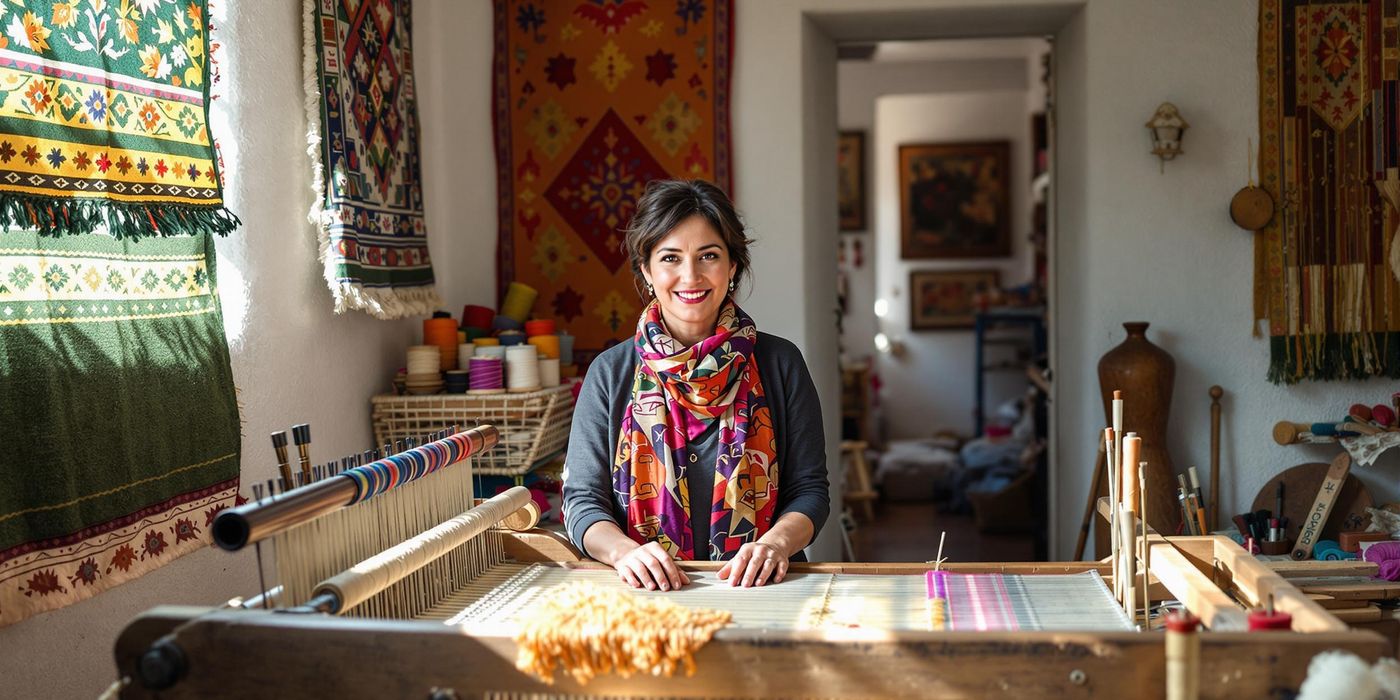
- Turkey: My homeland is renowned for its exquisite kilims, carpets, and ikat fabrics. The art of weaving has been passed down through generations, with each region boasting its own unique style and motifs. I remember visiting my grandmother in Kırşehir, where she would spend hours at her loom, creating intricate patterns that told stories of our family history. The feel of the wool, the smell of the natural dyes – it's an experience that stays with you.
- India: From the shimmering silk sarees of the south to the intricate block prints of Rajasthan and the delicate embroidery of Lucknow, India is a kaleidoscope of textile traditions. Each region has its own unique techniques, materials, and motifs, reflecting the country's diverse cultural landscape. I was particularly fascinated by the Bandhani tie-dye technique in Gujarat, where artisans create intricate patterns by tying small knots in the fabric before dyeing it.
- Peru: High in the Andes, the art of weaving is deeply intertwined with the culture and identity of the Quechua people. Using alpaca wool and vibrant natural dyes, they create intricate textiles that depict scenes from their daily lives and their rich mythology. I was awestruck by the skill and artistry of the weavers in the Sacred Valley, who use techniques that have been passed down for centuries.
Engaging Respectfully: A Traveler's Guide to Textile Arts
When engaging with local artisans and textile traditions, it's crucial to do so with respect and sensitivity. Here are a few tips:
- Do your research: Before you visit a textile region, take the time to learn about its history, techniques, and cultural significance. This will help you appreciate the artistry and effort that goes into creating these textiles.
- Ask permission: Always ask permission before taking photos of artisans or their work. Be mindful of their privacy and avoid disrupting their work.
- Bargain respectfully: While bargaining is common in many cultures, it's important to do so respectfully. Remember that these artisans are often struggling to make a living, so avoid driving prices down too low.
- Support local economies: Purchase textiles directly from artisans or through fair-trade organizations. This ensures that the artisans receive a fair price for their work and that the money stays within the local community.
It's also important to be aware of ethical sourcing. Avoid purchasing textiles made from endangered species or produced using exploitative labor practices. Look for textiles made from natural, sustainably sourced materials and produced using traditional methods.
Hands-On Experiences: Immersing Yourself in Textile Culture
One of the best ways to learn about textile arts is to actively participate in them. Here are a few suggestions:
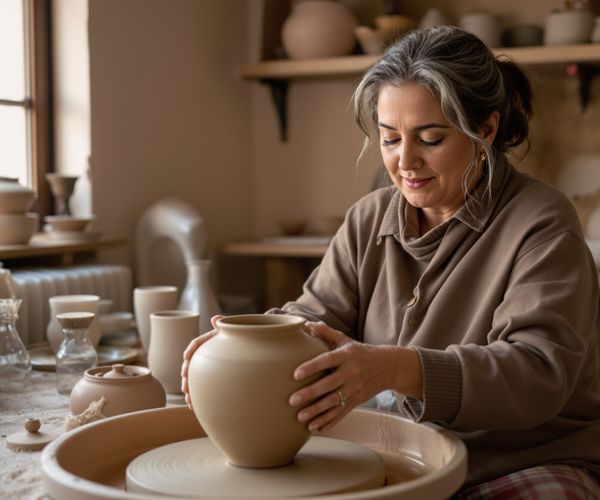
- Textile workshops: Many textile regions offer workshops where you can learn basic weaving, dyeing, or embroidery techniques. This is a fantastic way to gain a deeper appreciation for the artistry and skill involved in creating these textiles. I once took a block-printing workshop in Jaipur, India, and it was an unforgettable experience. I learned so much about the history and techniques of block printing, and I was able to create my own unique textile to take home.
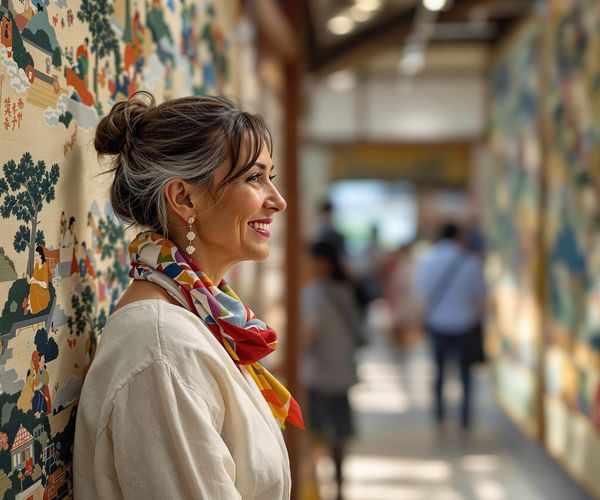
- Museum visits: Visit local museums and cultural centers to learn about the history and traditions of textile arts in the region. Many museums have excellent collections of textiles, and they often offer guided tours and educational programs.
- Cultural festivals: Attend cultural festivals that celebrate textile arts. These festivals often feature demonstrations, workshops, and exhibitions, providing a great opportunity to learn about different textile traditions and meet local artisans. The Oaxacan Textile Festival in Mexico is a particularly vibrant and immersive experience.
The Sustainable Side of Textiles: Preserving Traditions and the Environment
In today's world, it's more important than ever to consider the environmental and social impact of our choices. When it comes to textiles, this means choosing sustainable and ethical options. Look for textiles made from natural, sustainably sourced materials like organic cotton, linen, hemp, and alpaca wool. Support artisans and communities that are committed to environmentally friendly and ethical practices, such as using natural dyes, minimizing waste, and providing fair wages to their workers.
By making conscious choices about the textiles we buy, we can help preserve traditional crafts, protect the environment, and support sustainable livelihoods. Let's weave a better future, one thread at a time.
Discover how textiles embody cultural stories. Ayşe Demir explores global textile traditions, offering tips for respectful engagement and sustainable choices.