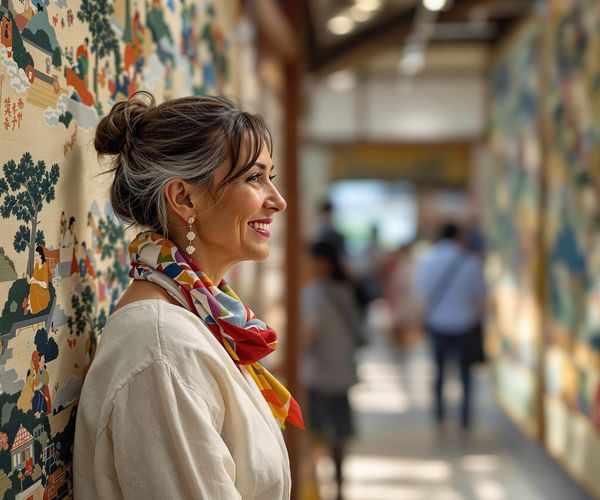
Merhaba! As a textile artist with roots deeply embedded in the rich cultural heritage of Türkiye, I've always been fascinated by the stories textiles tell. They're not just fabrics; they're vibrant threads connecting us to the past, whispering tales of tradition, artistry, and human connection. Join me on a journey as we explore the world of textile traditions, discovering how they reflect the cultural identity of different regions and how you, too, can appreciate these art forms during your travels.
The Cultural Tapestry of Textiles
Textiles are so much more than just coverings; they are powerful storytellers. Across various societies, they serve as a medium for preserving history, expressing cultural identity, and even shaping social structures. Think of the intricate kilims of Türkiye, each pattern a symbol, a family history woven into the very fabric. Or consider the vibrant Andean textiles of Peru, where colors and designs communicate social status and ancestral lineage. Textiles play a vital role in rituals, ceremonies, and everyday life, reflecting beliefs and customs passed down through generations.
In many cultures, specific textiles are reserved for important life events, such as weddings, funerals, and coming-of-age ceremonies. The act of creating these textiles is often a communal one, strengthening social bonds and preserving traditional knowledge. For example, the making of Adire cloth in Nigeria is a collaborative effort involving dyeing, resist techniques, and intricate designs that reflect Yoruba cosmology and social values. These textiles are not just objects; they are living embodiments of cultural memory.
Destinations Rich in Textile Heritage
The world is brimming with destinations where textile traditions thrive. Allow me to share a few of my favorites:
- Türkiye: Of course, I must start with my homeland! From the intricate kilims and carpets of Cappadocia to the delicate silk weaving of Bursa, Türkiye offers a stunning array of textile arts. The motifs often tell stories of fertility, protection, and connection to the land.
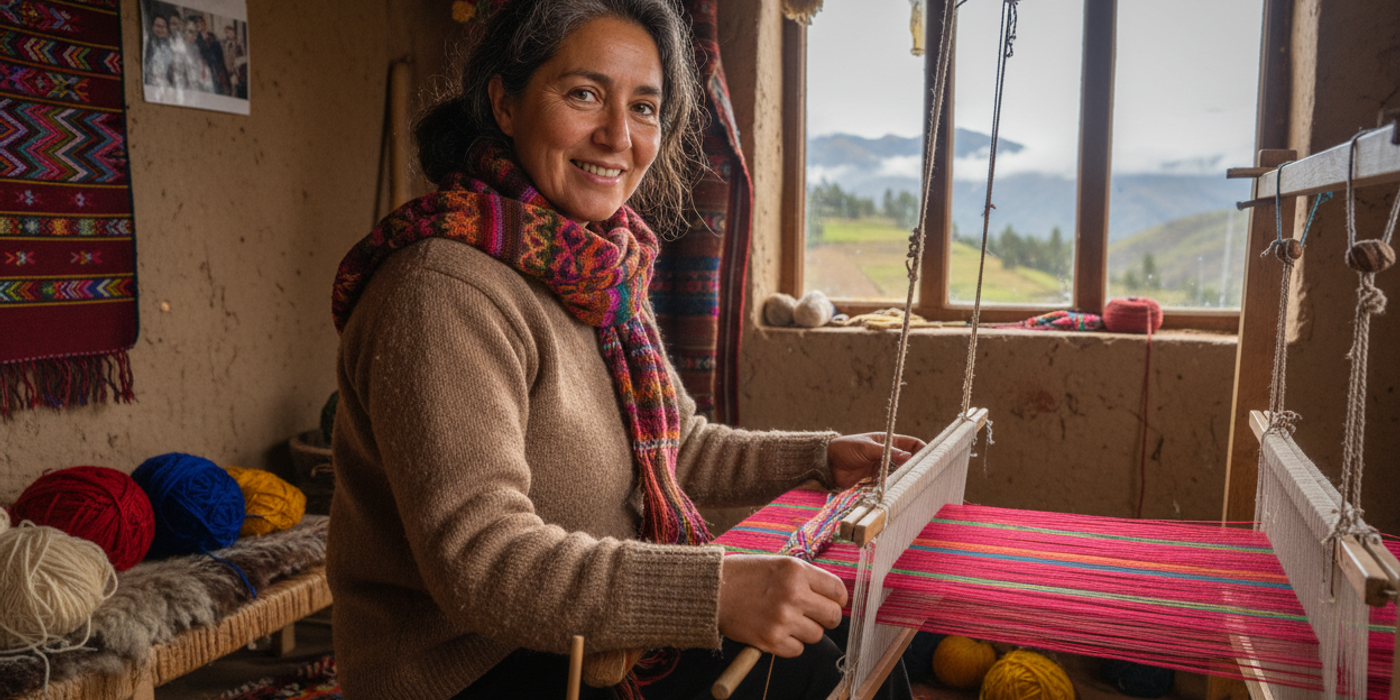
- Peru: Journey to the Andes and discover the vibrant world of Andean textiles. The intricate weaving techniques, bold colors, and symbolic designs reflect the rich cultural heritage of the Quechua and Aymara people. Don't miss the opportunity to visit a local weaving community and learn about the traditional methods passed down through generations.
- India: India is a kaleidoscope of textile traditions, from the luxurious silk weaving of Varanasi to the intricate block printing of Rajasthan. Each region boasts its own unique style, materials, and motifs. Be sure to explore the bustling markets and workshops where you can witness the artistry firsthand.
- Japan: Immerse yourself in the elegant world of Japanese textiles, from the iconic kimono to the exquisite shibori dyeing techniques. The attention to detail, refined aesthetics, and cultural significance make Japanese textiles a true art form. Consider visiting a traditional textile museum or attending a workshop to learn about the history and techniques.
During my travels, I had the privilege of meeting a master weaver in a small village near Cusco, Peru. She shared with me the stories behind her intricate designs, each one representing a part of her family's history and connection to the mountains. It was a profound experience that deepened my appreciation for the artistry and cultural significance of Andean textiles.
Engaging with Local Artisans
One of the most rewarding aspects of exploring textile traditions is the opportunity to connect with the artisans who create them. Here are a few tips for engaging with local artisans during your travels:
- Seek out local workshops and demonstrations: Many textile communities offer workshops and demonstrations where you can learn about traditional techniques and try your hand at weaving, dyeing, or embroidery. This is a fantastic way to gain a deeper understanding of the craft and support local artisans.
- Visit community-based tourism initiatives: Look for tourism initiatives that are run by local communities and directly benefit the artisans. These initiatives often offer authentic cultural experiences and provide a sustainable source of income for the community.
- Be respectful and ethical: Remember that you are engaging with someone's cultural heritage. Be respectful of their knowledge, skills, and traditions. Ask questions, listen attentively, and offer fair compensation for their time and expertise.
Sustainable Purchasing and Supporting Traditional Crafts
As travelers, we have a responsibility to be mindful of the environmental and social impact of our purchases. When it comes to textiles, it's important to consider the following:
- Natural dyes: Look for textiles that are dyed with natural dyes, which are less harmful to the environment than synthetic dyes. Natural dyes are often derived from plants, minerals, and insects, and they create beautiful, subtle colors.
- Fair labor practices: Support artisans who are paid fair wages and work in safe conditions. Look for fair trade certifications or ask the artisan directly about their working conditions.
- Authenticity: Take the time to learn about the textile traditions of the region you are visiting and be wary of imitations or mass-produced items. Authentic textiles are often made with traditional techniques and materials, and they reflect the unique cultural heritage of the community.
Before making a purchase, ask yourself: Does this textile support local communities? Is it made with sustainable materials and practices? By making conscious choices, we can help preserve traditional crafts and promote ethical and sustainable textile production.
Preserving Textile Arts for Future Generations
Traditional textile industries face numerous challenges, including globalization, mass production, and the loss of cultural knowledge. It's crucial that we support initiatives and organizations working to preserve and promote textile arts. These initiatives include:
- Educational programs: Supporting programs that teach traditional textile techniques to young people, ensuring that these skills are passed down to future generations.
- Cultural heritage projects: Contributing to projects that document and preserve textile traditions, such as museums, archives, and cultural centers.
- Artisan support networks: Supporting organizations that provide artisans with access to markets, training, and resources.
As travelers, we can become advocates for textile conservation by supporting local artisans, raising awareness about the challenges they face, and promoting sustainable practices. Let's work together to ensure that these beautiful and culturally significant art forms continue to thrive for generations to come.
Explore the world of textile traditions and discover how they reflect the cultural identity of different regions. Learn how to appreciate traditional textile crafts during your travels.