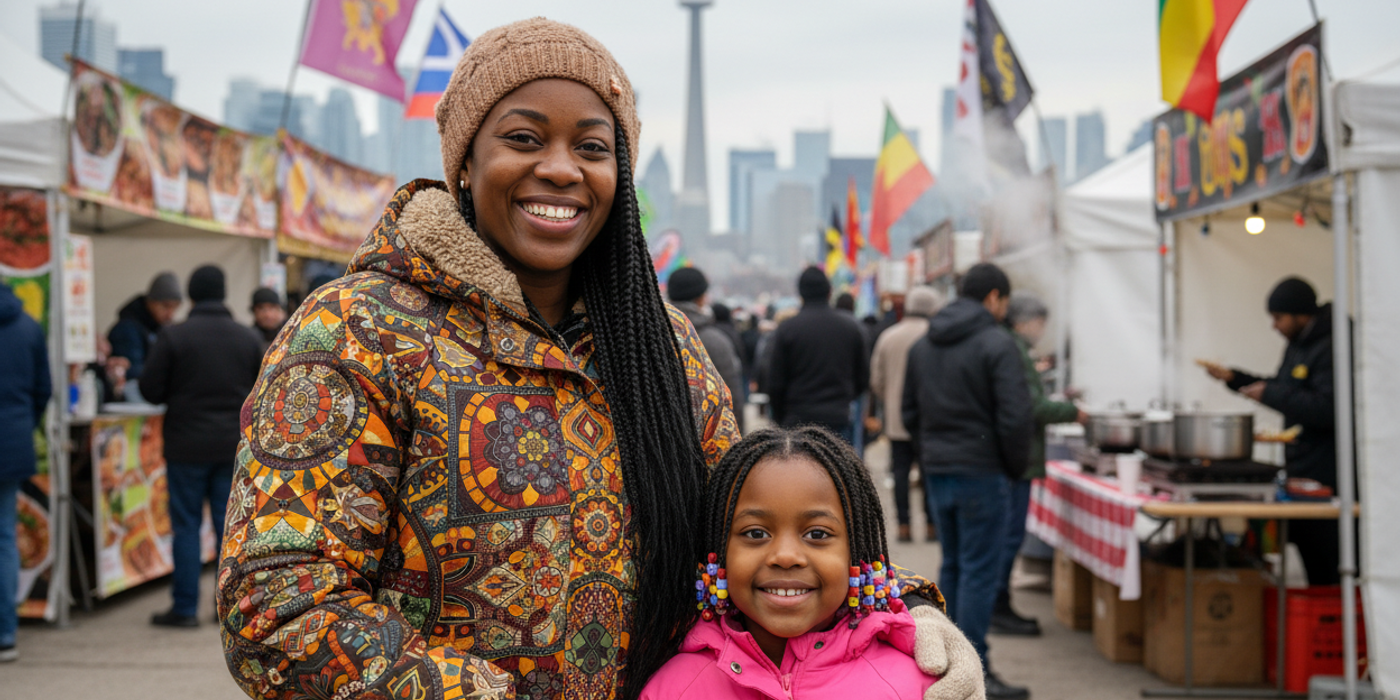
Hey everyone, Chioma here! As you know, I'm all about exploring the world and diving headfirst into new cultural experiences, especially with my family. One of the best ways I've found to do this is by attending cultural festivals. There's just something so magical about being surrounded by vibrant traditions, music, and food that really connects you to the heart of a place. But it's not just about showing up and taking pictures; it's about understanding and respecting the culture you're experiencing. So, I wanted to share some tips on how to truly embrace cultural festivals and make the most of these incredible opportunities.
Understanding the Essence of Cultural Festivals
Cultural festivals are more than just a fun day out; they're living, breathing celebrations of a community's heritage. They are the times when people come together to honor their ancestors, celebrate important historical events, or express their shared identity through music, dance, food, and art. Festivals play a crucial role in preserving traditions, passing them down from one generation to the next, and fostering a sense of belonging. For travelers like us, they offer a unique window into a culture that you just can't get from a guidebook. They provide opportunities for deep cultural immersion and foster cross-cultural understanding by allowing us to witness and participate in traditions firsthand.
Researching and Planning Your Festival Experience
Before you pack your bags and hop on a plane, take some time to research the festival you're interested in. Understanding the cultural context is key to having a meaningful and respectful experience. Start by checking local tourism boards and online resources for information about festival dates, locations, and customs. Many festivals have websites or social media pages where you can find details about the schedule of events, participating artists, and any specific requirements for attendees. For example, some religious festivals may have specific dress codes, while others may require permits or tickets for certain events. Don't hesitate to reach out to the festival organizers or local community groups if you have any questions. A little bit of research can go a long way in ensuring that you're prepared and respectful of the local culture.
Respecting Local Customs and Etiquette
Cultural sensitivity and politeness are essential when attending festivals. Remember, you're a guest in someone else's home, so it's important to be mindful of their customs and traditions. One of the first things to consider is the dress code. In many cultures, modest attire is expected, especially at religious or traditional events. This might mean covering your shoulders and knees, or avoiding revealing clothing. It's always a good idea to err on the side of caution and dress respectfully. Learning a few basic phrases in the local language can also go a long way in showing respect and appreciation. Even simple greetings like hello and thank you can help you connect with locals and demonstrate your willingness to engage with their culture. And of course, always ask permission before taking photos of people or sacred sites. Not everyone is comfortable being photographed, and it's important to respect their wishes. A polite request can make a big difference and show that you value their culture and privacy.
Engaging Meaningfully with Local Communities
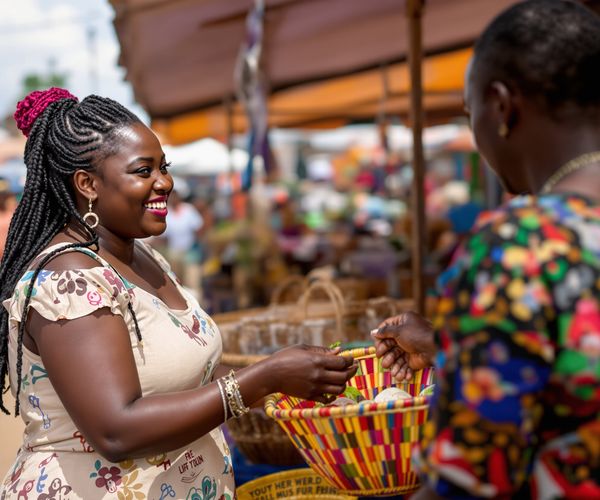
One of the best parts of attending cultural festivals is the opportunity to interact with locals and participate in the festivities. Don't be afraid to strike up conversations with people, ask them about their traditions, and learn from their experiences. Many festivals offer hands-on activities like cooking classes, dance workshops, or craft demonstrations. Participating in these activities is a great way to immerse yourself in the culture and connect with locals on a deeper level. Supporting local businesses and artisans is another way to engage meaningfully with the community. Instead of buying mass-produced souvenirs, look for unique, handcrafted items from local vendors. And be sure to sample the local cuisine! Food is an integral part of any culture, and festivals are a great place to try traditional dishes and learn about the culinary traditions of the region. Remember to be mindful of personal space and crowd behavior. Different cultures have different norms when it comes to personal space, so it's important to be aware of your surroundings and adjust your behavior accordingly. And always be respectful of other people's space and privacy, especially in crowded areas.
Avoiding Cultural Missteps and Stereotypes
When exploring new cultures, it's important to avoid making assumptions or stereotypes. Every culture is unique, and it's unfair to generalize or make judgments based on limited information. Approach each experience with an open mind and a willingness to learn. Be curious, ask questions, and challenge your own preconceived notions. Religious practices and sacred spaces should always be treated with respect. Whether you're visiting a temple, a mosque, or a church, be sure to follow the local customs and guidelines. This might mean removing your shoes, covering your head, or refraining from taking photos in certain areas. Remember, you're a guest in their sacred space, so it's important to be respectful of their beliefs and traditions.
Family-Friendly Festival Considerations
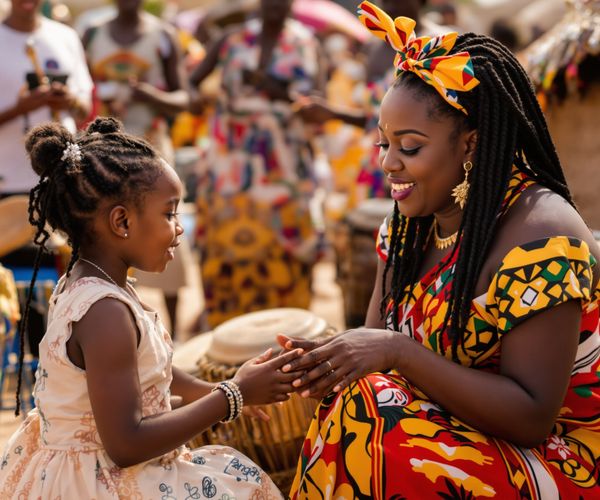
Traveling with family adds another layer to the festival experience. When planning your trip, look for festivals that are family-friendly and offer activities tailored for children. Many festivals have special areas for kids, with games, crafts, and entertainment. These activities can help keep your children engaged and entertained while also exposing them to new cultures. Managing crowds and ensuring children's safety is also a top priority. Festivals can be crowded and chaotic, so it's important to have a plan in place to keep your children safe. Designate a meeting point in case you get separated, and make sure your children know how to identify a safe adult if they need help. It is also important to be aware of the signs of overstimulation in children, such as irritability, restlessness, or difficulty focusing. If your child starts to show these signs, take a break in a quiet area to help them calm down and recharge.
Learn how to dive deep into cultural festivals, understanding their significance and how to respect and enjoy them as a traveler.