Hello, my fellow travelers and food lovers! It's Chioma here, and today, I want to share something incredibly close to my heart: the joy of Nigerian cooking while traveling. As a Nigerian living in Canada, I know firsthand how food can be a powerful link to home, no matter where you are in the world. So, grab your aprons and let's embark on a culinary adventure!
Why Nigerian Food Matters on Your Travels
There's something truly special about Nigerian cuisine. It's more than just food; it's a tapestry of memories, traditions, and love woven into every dish. When you're miles away from home, whether you're living abroad like me or just on a short trip, cooking Nigerian food can be a lifeline.
For me, living in Markham, Canada, sometimes I miss the bustling markets of Wamba and the familiar aromas of my mother's kitchen. That's when I turn to my pots and pans. Cooking jollof rice or egusi soup isn't just about satisfying my hunger; it's about reconnecting with my roots and sharing a piece of my culture with my family, especially my daughter, Aisha. It reminds me of who I am and where I come from.
I remember one time when Umar and I were backpacking through Europe. We were craving something familiar after weeks of unfamiliar food. We managed to find some ingredients and cooked a small pot of pepper soup in our hostel. The aroma filled the entire floor, and soon, we had fellow travelers from all corners of the globe gathered around, eager to try a taste of Nigeria. It was a beautiful moment of connection and cultural exchange, all thanks to a simple bowl of soup.
Finding Nigerian Ingredients Abroad: Your Treasure Hunt Guide
Now, I know what you're thinking: Chioma, this sounds lovely, but where am I going to find Nigerian ingredients in a foreign land? Don't worry; it's not as daunting as it seems! Think of it as a fun treasure hunt.
Here are some of my go-to strategies for sourcing those essential Nigerian flavors:
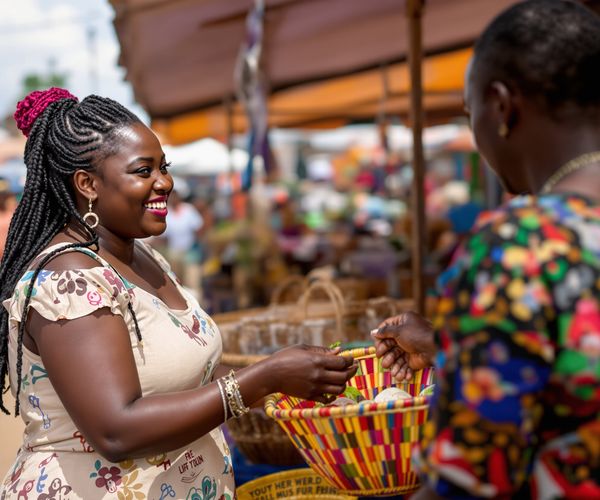
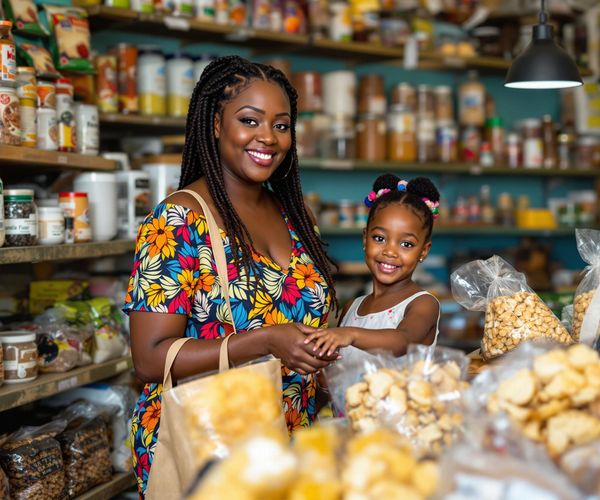
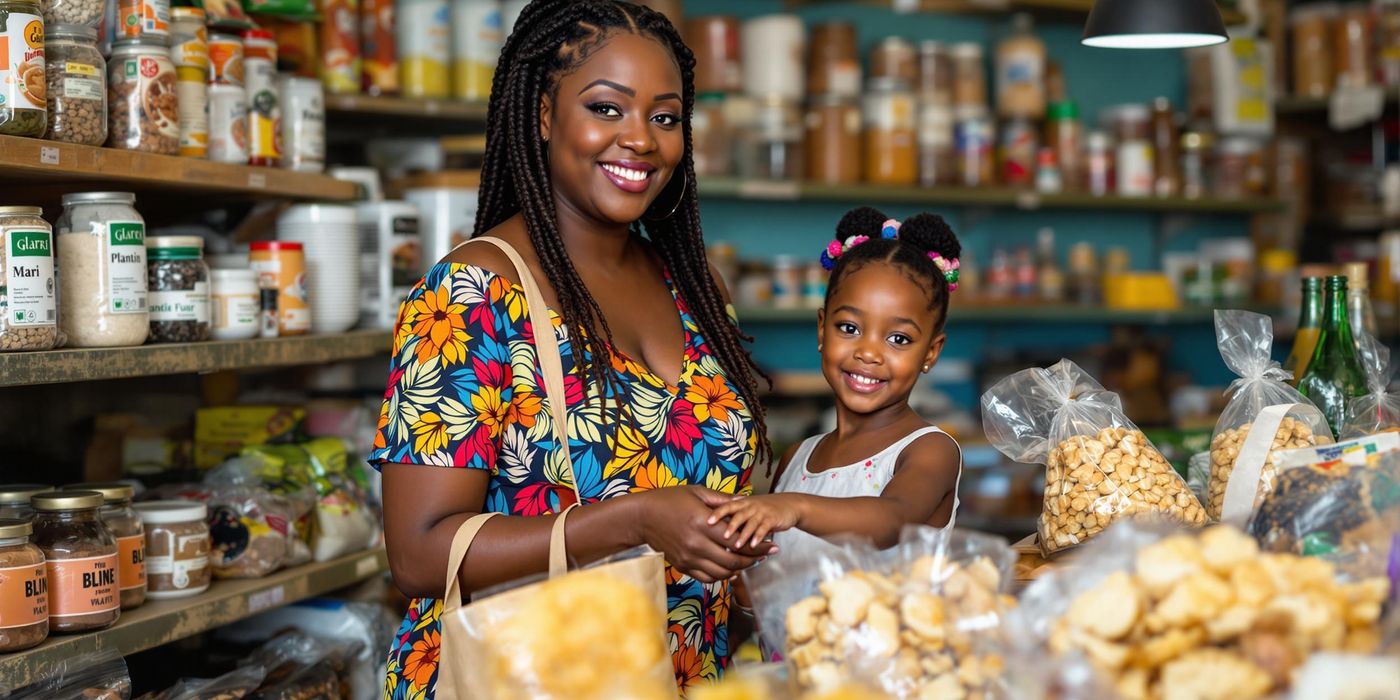
- African Grocery Stores: These are your best bet! Most major cities have at least one African grocery store that stocks a wide range of Nigerian ingredients, from spices and dried fish to garri and yam flour.
- Online Retailers: The internet is your friend! Websites like Afrikrea, African Food Mart, Afrofood, Wosiwosi African Food Online Store, and OsiAfrik specialize in delivering African foods right to your doorstep. They're a lifesaver when you're in a pinch.
- International Supermarkets: Don't underestimate the power of a good international supermarket. Many of them have ethnic food sections that carry ingredients from around the world, including some Nigerian staples.
- Farmers' Markets & Ethnic Food Festivals: Keep an eye out for local farmers' markets and ethnic food festivals. You might be surprised at what you find! Sometimes, you can discover hidden gems and unique ingredients that you wouldn't find anywhere else.
And if you can't find a specific Nigerian ingredient, don't be afraid to get creative with substitutions. For example, spinach can be a great alternative to ugu leaves in some dishes. The key is to be flexible and adapt to what's available.
Simple & Delicious Nigerian Recipes for the Traveling Cook
Okay, let's get to the good stuff: the recipes! Here are a few of my favorite Nigerian dishes that are easy to make while traveling:
- Jollof Rice: This is a classic for a reason! The ingredients are readily available worldwide: rice, tomatoes, peppers, onions, and spices. You can adjust the spiciness to your liking and add any protein or vegetables you have on hand.
- Moi Moi: A savory steamed bean pudding. This is where ready-to-cook peeled beans come in handy!
- Beans and Plantain: A hearty and satisfying meal that's easy to prepare. Simply cook beans with some spices and fry or roast some ripe plantains. The sweetness of the plantains complements the savory beans perfectly.
- Pepper Soup: A flavorful and aromatic soup that's perfect for a chilly evening. You can use any type of protein or vegetables you like, and the spices will warm you from the inside out.
Don't be afraid to experiment with these recipes and adapt them to your taste and the ingredients you have available. Cooking should be fun and relaxing, not stressful!
Also, consider buying ready-to-cook foods like ayamase mix, ewa agoyin mix, peeled beans, native rice mix, and ogi powder to save time and effort.
Chioma's Kitchen on the Road: Essential Cooking Tools & Gadgets
To make your Nigerian cooking adventures even easier, here are a few essential cooking tools and gadgets that I recommend bringing along:
- Portable Spice Kit: A small container with your favorite Nigerian spices, such as curry powder, thyme, and chili flakes. This will add a burst of flavor to any dish.
- Universal Travel Adapter: Essential for using your appliances in different countries.
- Lightweight Cooking Utensils: A spatula, a wooden spoon, and a sharp knife are all you really need.
- Versatile Appliances: If you have space, consider bringing a small electric cooker or a multi-cooker. These can handle multiple cooking tasks and save you time and effort.
Navigating Customs and Food Regulations
Before you pack your suitcase full of Nigerian goodies, it's important to understand and comply with customs regulations regarding food items. Nobody wants to have their precious ingredients confiscated at the airport!
Here are a few tips to keep in mind:
- Check the specific import rules of your destination country. You can usually find this information on the country's customs website.
- Declare all food items on your customs form. It's always better to be honest and upfront.
- Pack food items in airtight containers to prevent spillage and maintain food quality.
- Keep food items in your carry-on luggage if possible. This will reduce the risk of them being lost or damaged.
So there you have it – my guide to enjoying Nigerian cuisine while traveling! I hope this has inspired you to bring a taste of home with you on your next adventure. Happy cooking, and safe travels!
Bring the taste of Nigeria with you! Discover how to enjoy Nigerian cuisine while traveling, with tips on finding ingredients and making traditional dishes abroad.