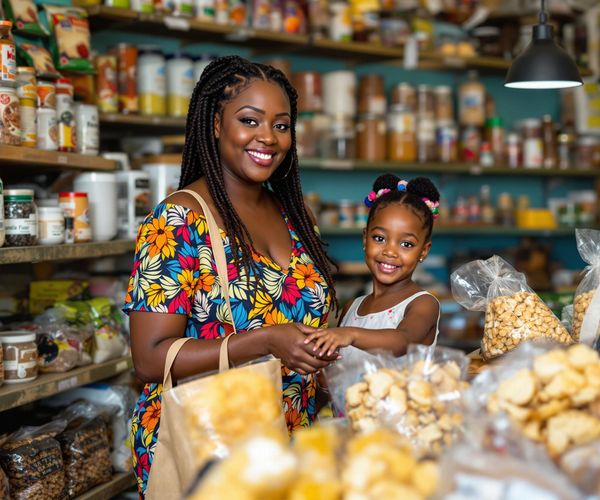
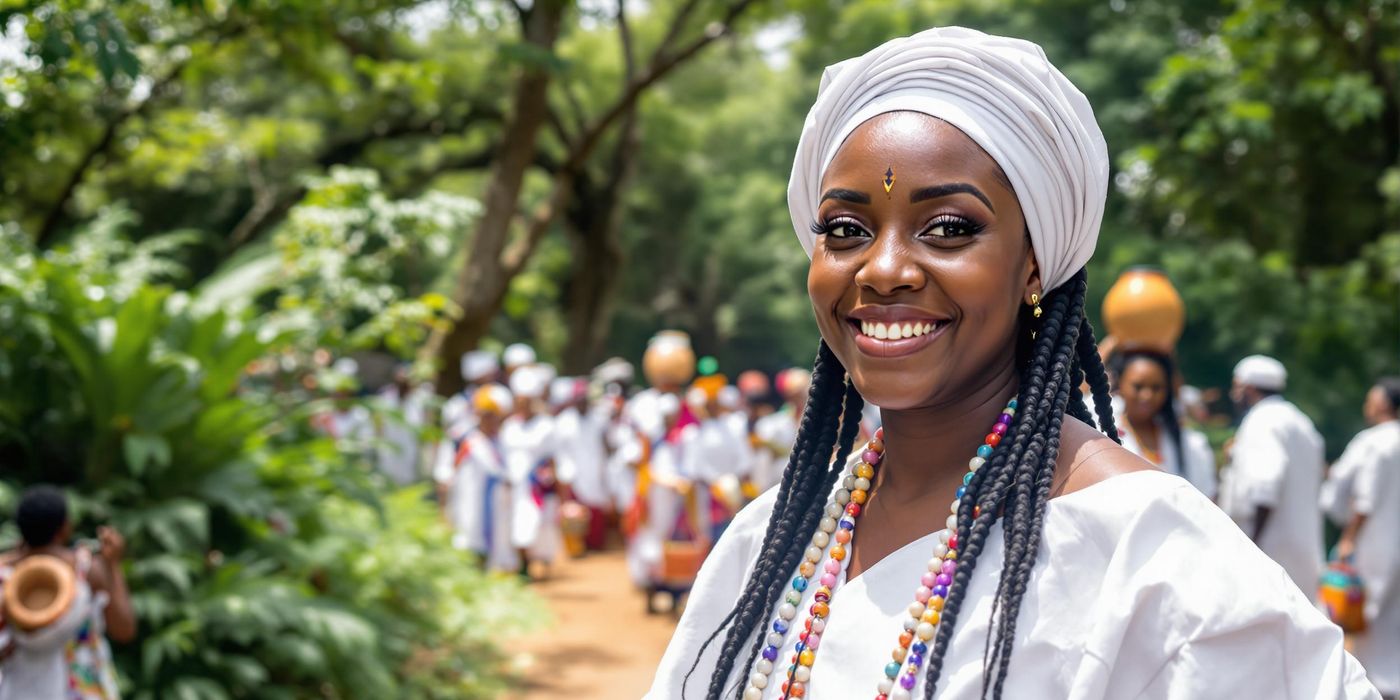
Hey everyone, Chioma here! As someone who's always eager to learn about different cultures, I've found that photography is an amazing way to connect with the world around me. It's more than just taking pretty pictures; it's about preserving memories, sharing stories, and bridging cultural gaps. I'm excited to share some tips on how you can capture the cultural richness of your travels through your lens.
Embracing the Essence of Cultural Travel Photography
For me, photography is a powerful tool for cultural appreciation. It allows us to freeze moments in time, capturing the essence of a place, its people, and their unique stories. When I travel, I'm not just looking for picture-perfect landscapes; I'm seeking authentic experiences that reflect the heart and soul of a culture. And as a Nigerian immigrant in Canada, I believe that photography can help us bridge cultures and promote understanding, especially among immigrants and first-generation Canadians.
Ethical Considerations: Respect and Consent
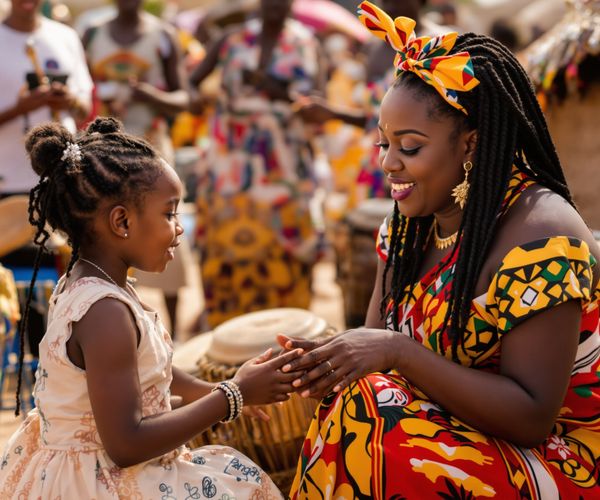
Before we dive into the technical aspects, let's talk about ethics. Respect is paramount when photographing cultural events and people. Always be mindful of local customs and traditions. Before taking someone's photo, especially children, seek their consent. Resources like the ChildSafe Movement provide valuable guidance on protecting children in tourism. Remember, photography should be an act of respect, not an intrusion. Be mindful of power dynamics and avoid any form of exploitation. If possible, share the portraits you take with your subjects; it's a small gesture that can go a long way.
Composition Techniques for Storytelling
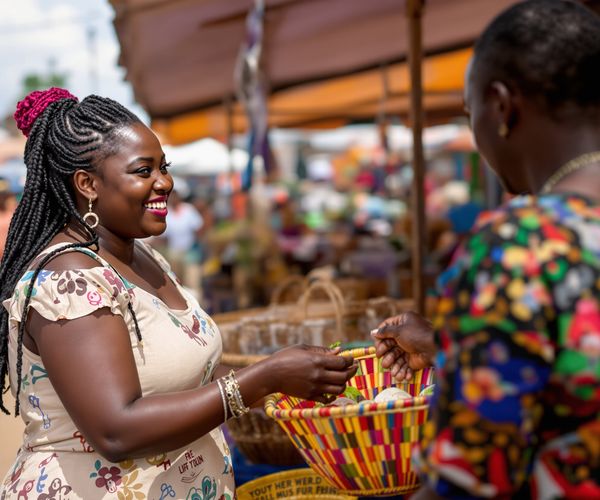
Composition is key to telling stories through your images. Think about how you can use different elements to create visually compelling narratives. The rule of thirds is a classic technique that involves dividing your frame into nine equal parts and placing key elements along those lines or at the intersections. Leading lines can draw the viewer's eye into the scene, while symmetry and framing can add balance and depth. Don't be afraid to capture candid moments and details that reveal the heart of a culture – a child's laughter, a bustling market scene, or the intricate patterns of traditional clothing. Before you even raise your camera, take a moment to walk around and find unique viewpoints. And never underestimate the power of detail shots to add interest and charm!
Mastering Light and Color
Light and color can dramatically impact the mood and atmosphere of your photos. Natural light is your best friend, especially during the golden hour – that magical time just after sunrise and before sunset when the light is soft and warm. Use color theory to highlight contrasts or harmonies that contribute to your narrative. A circular polarizer can also work wonders by reducing reflections and enhancing colors. Pay attention to how light and color interact with your subject to create a captivating image.
Camera Settings for Different Cultural Settings
Different cultural settings call for different camera settings. For landscapes at sunrise or sunset, use a small aperture (like f/8 or f/11) to maximize depth of field, and a low ISO (like 100 or 200) to minimize noise. For sunny midday street shots, you might need a faster shutter speed to avoid overexposure. When photographing indoor cultural events, be mindful of the lighting conditions. Aperture, shutter speed, ISO, and white balance are all crucial in capturing the essence of a scene. I often use aperture priority mode because it allows me to quickly adjust to changes in light, which is especially helpful at cultural events. And don't forget to experiment with different modes like portrait, landscape, and sports mode to see what works best for you.
Chioma's Favorite Photography Moments and Settings
One of my favorite things to photograph is the vibrant colors of cultural festivals. The energy, the costumes, the music – it's all so captivating! I also love capturing the intricate details of traditional clothing, from the elaborate embroidery to the bold patterns. But what I cherish most is the warmth of human connections – a shared smile, a helping hand, or a moment of quiet reflection. For instance, I remember in Nigeria during the Osun-Osogbo festival, the colors were so vibrant and the energy was palpable. I tried to capture not just the spectacle, but the devotion and spirituality of the people participating. In Canada, I find the Caribana festival in Toronto is a fantastic opportunity to capture the Caribbean culture. I love experimenting with perspective, using a shallow depth of field to isolate my subject or shooting from a different angle to create a more dynamic composition.
Discover how to capture the cultural richness of your travels through photography. Learn essential tips on composition, lighting, ethics, and camera settings to tell compelling stories.