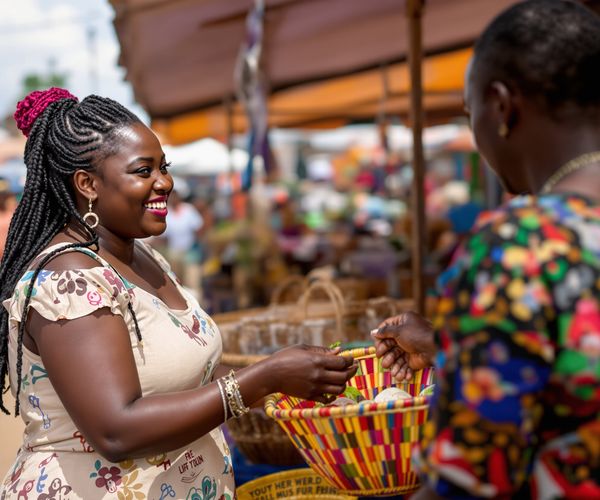

Traveling offers a unique opportunity to connect with different cultures and communities. As someone who cherishes both exploration and ethical living, I've discovered the profound joy of supporting local artisans during my journeys. It's more than just buying souvenirs; it's about investing in the heartbeat of a place and fostering meaningful connections. Join me as I share my insights on how to shop ethically and support the incredible craftspeople around the world.
The Heartbeat of a Place: Why Support Local Artisans?
Local artisans are the custodians of a region's cultural identity. Their crafts embody centuries of tradition, skill, and storytelling. When you purchase directly from an artisan, you're not just buying an object; you're acquiring a piece of history and supporting the continuation of a living art form. The economic impact is significant too. In many communities, artisanry is a primary source of income. By choosing to buy local, you're directly contributing to the financial stability and development of these communities.
I remember visiting a small village in Nigeria, where the women were renowned for their intricate weaving. Seeing their vibrant textiles, each telling a story of their heritage, was incredibly moving. However, I also witnessed the challenges they faced due to mass-produced imitations flooding the market. This experience solidified my commitment to seeking out and supporting authentic local crafts wherever I go.
Each handcrafted item carries a unique story, a testament to the artisan's dedication and passion. These objects are more than just commodities; they're tangible pieces of cultural heritage.
Spotting Authentic Treasures: Tips for Identifying Local Crafts
Distinguishing genuine local crafts from mass-produced souvenirs can be tricky, but it's essential for ethical shopping. Before you embark on your travels, take some time to research the local art forms and traditions of your destination. This knowledge will help you identify authentic pieces and appreciate their cultural significance.
Pay close attention to the materials used and the quality of craftsmanship. Authentic crafts often feature locally sourced materials and meticulous attention to detail. Don't hesitate to ask questions about the origin and creation process of the items you're interested in. Local markets, artisan workshops, and community cooperatives are excellent places to find authentic crafts and connect directly with the artisans. Look for resources or certifications that verify authenticity and fair trade practices, such as the Fair Trade Federation or similar local initiatives.
During a trip to Oaxaca, Mexico, I learned about the art of alebrije carving. By visiting a local workshop, I witnessed the intricate process firsthand and gained a deeper appreciation for the skill and artistry involved. This experience not only ensured that I was purchasing an authentic piece but also allowed me to support the artisan directly.
Negotiating with Respect: A Guide to Fair Bargaining
Bargaining is a common practice in many cultures, but it's crucial to approach it with respect and sensitivity. Before you start negotiating, take the time to understand the cultural nuances of bargaining in the region you're visiting. What might be considered acceptable in one culture could be offensive in another.
Always be polite and respectful, and avoid making excessively low offers. Remember that the artisan's time and skill have value, and you should be willing to pay a fair price for their work. Building rapport with the artisan can lead to a more positive and mutually beneficial shopping experience. Engaging in friendly conversation and showing genuine interest in their craft can go a long way.
It's important to be mindful of unfair labor practices and exploitation. Avoid purchasing items from vendors who appear to be taking advantage of vulnerable artisans or selling counterfeit goods. Instead, seek out opportunities to support ethical and sustainable businesses that prioritize the well-being of their artisans.
More Than Just a Souvenir: Understanding Cultural Significance
Every craft tells a story, and understanding the cultural significance behind your purchases can enrich your travel experience immeasurably. Take the time to learn about the history, symbolism, and traditions associated with the art forms you encounter. This knowledge will deepen your appreciation for the cultural heritage they represent and transform your souvenirs into meaningful reminders of your travels.
Respecting cultural property rights is also essential. Avoid purchasing prohibited or endangered items, such as artifacts or wildlife products that are protected by law. Be mindful of the potential impact of your purchases on local ecosystems and cultural sites. In Peru, I learned about the intricate symbolism woven into their textiles. Each pattern and color held a specific meaning, representing aspects of their history, mythology, and daily life. Understanding this symbolism transformed my appreciation for these textiles and made my purchase all the more meaningful.
My Meaningful Finds: Personal Stories of Supporting Artisans
One of the most rewarding aspects of my travels has been the opportunity to connect directly with artisans and learn about their craft firsthand. These experiences have not only resulted in unique and beautiful souvenirs but have also fostered a deeper appreciation for different cultures and the people who keep them alive.
During a trip to Ghana, I purchased a hand-carved wooden stool from a local artisan. As we talked, he shared the story of his family's legacy of woodcarving and the significance of the stool in their culture. This personal connection transformed the stool from a simple object into a cherished reminder of my time in Ghana and the warmth of its people. These purchases have a lasting impact, reminding me of the people I met and the stories I heard. They serve as tangible reminders of the interconnectedness of our world and the importance of supporting local communities.
Supporting local artisans is a way to give back to the communities that welcome us and to ensure that their cultural heritage continues to thrive. It's a win-win situation that enriches both the traveler and the artisan, creating a more sustainable and meaningful form of tourism.
Learn how to support local artisans and communities through mindful and ethical shopping practices while traveling. Discover the joy of investing in the heartbeat of a place.