Food is more than just sustenance; it's a journey, a story, and a connection to cultures around the world. As someone who grew up in Nigeria and now calls Canada home, I've come to appreciate the incredible power of food to bridge gaps and create understanding. Trying new cuisines isn't just about filling your belly; it's about opening your mind and embracing the world's diversity, one delicious bite at a time.
Embracing the Culinary Journey: Why Try New Cuisines?
For me, food has always been a central part of my life. Growing up in Wamba, Nigeria, meals were a communal affair, a time for sharing stories and laughter. Every dish told a tale of our heritage, our traditions, and our connection to the land. When I moved to Canada, I realized that food could be a powerful tool for understanding and appreciating different cultures.
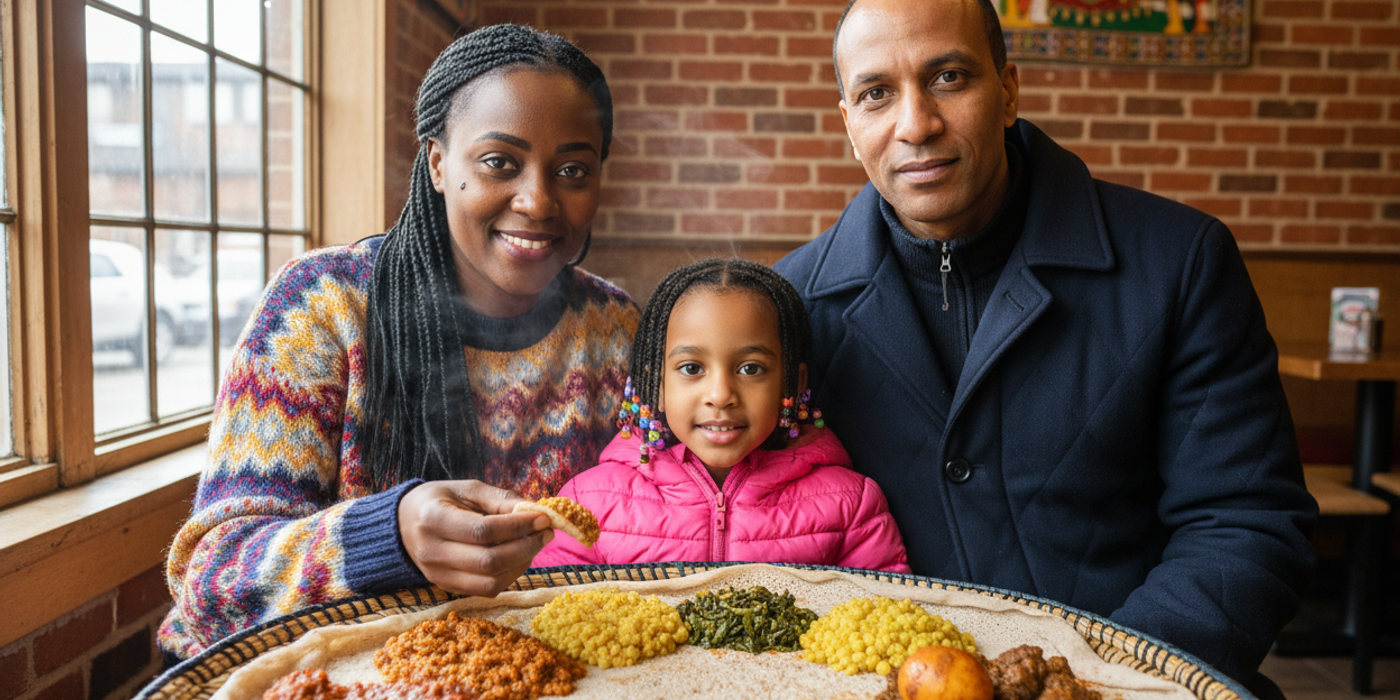
I remember the first time I tried Ethiopian food. The communal eating from a shared plate, the rich aromas of berbere spice, and the spongy injera bread – it was an experience that transported me to a different world. It wasn't just a meal; it was a lesson in history, a celebration of community, and a reminder that even though we may come from different places, we all share the common bond of food. Exploring new cuisines is a way to enrich your life, broaden your perspective, and connect with people from all walks of life.
Finding Authentic Food Spots: Beyond the Tourist Traps
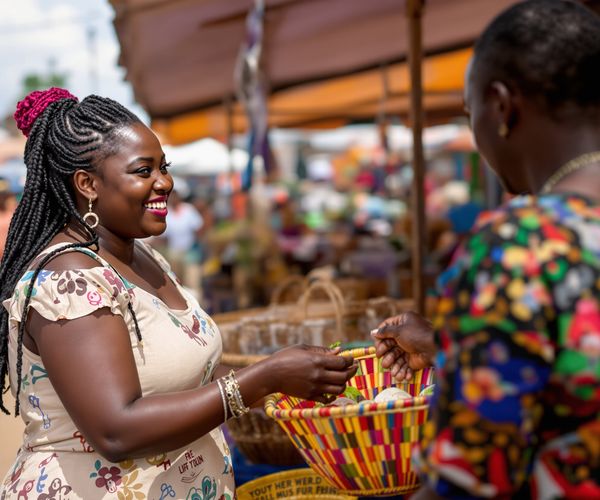
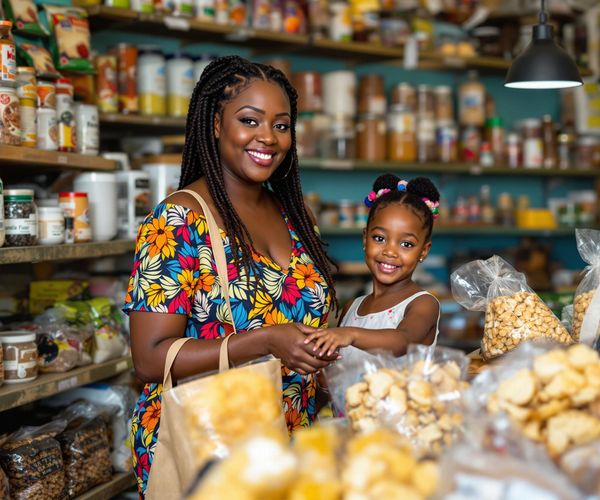
One of the biggest challenges – and joys – of culinary exploration is finding those hidden gems, the places where locals go to savor authentic flavors. Forget the fancy restaurants catering to tourists; the real magic happens in the unassuming eateries tucked away in side streets and bustling markets.
My favorite way to discover these places is through a combination of online research and good old-fashioned word-of-mouth. Social media platforms like Instagram and TikTok can be surprisingly helpful, especially when you follow local food bloggers and enthusiasts. Don't be afraid to ask for recommendations from locals – taxi drivers, shopkeepers, or even people you strike up a conversation with at a park. They often have the inside scoop on the best-kept culinary secrets. And most importantly, be willing to venture off the beaten path. Some of my most memorable meals have been in places I stumbled upon by chance, where the food was simple, honest, and bursting with flavor.
Navigating Dietary Restrictions and Allergies: Eating Safely and Deliciously
Traveling with dietary restrictions or allergies can feel daunting, but it doesn't have to limit your culinary adventures. With a little planning and preparation, you can still enjoy a wide range of cuisines safely and deliciously. Before you travel, research common ingredients and potential allergens in the local cuisine. Many online resources provide detailed information about specific dishes and their ingredients.
Learning a few basic phrases in the local language can also be incredibly helpful. Knowing how to say I'm allergic to... or Does this contain...? can make all the difference. Apps like Google Translate can be lifesavers, allowing you to communicate your dietary needs even if you don't speak the language fluently. And don't be afraid to ask questions! Most restaurants are happy to accommodate dietary restrictions, as long as you communicate them clearly. With a little bit of effort, you can navigate any culinary landscape with confidence and enjoy all the flavors the world has to offer.
Communicating with Locals: Ordering Food and Asking Questions
One of the most rewarding aspects of trying new cuisines is the opportunity to connect with the people who create them. Learning a few basic phrases in the local language can go a long way in building rapport and showing respect for the culture. Simple phrases like Hello, Thank you, and Please can make a big difference in how you're received. When ordering food, try to learn the names of the dishes in the local language. It shows that you're making an effort to engage with the culture and appreciate the cuisine.
Don't be afraid to ask questions about the ingredients or the preparation methods. Most vendors and restaurant staff are happy to share their knowledge and passion for food. Learning about the cultural significance of certain dishes can also deepen your appreciation for the cuisine. For example, in Nigeria, certain soups are traditionally served at weddings or funerals, each carrying a unique symbolism. By understanding the cultural context of the food, you can gain a deeper understanding of the people who create it.
Savoring the Experience: Mindful Eating and Appreciation
Finally, remember to savor the experience! Trying new cuisines is about more than just ticking off items on a list; it's about engaging all your senses and fully appreciating the flavors, textures, and aromas of the food. Practice mindful eating by paying attention to each bite, noticing the subtle nuances of the dish. Put away your phone and focus on the present moment, allowing yourself to be fully immersed in the culinary experience.
Engage all your senses – admire the presentation of the dish, inhale the aromas, and pay attention to the textures as you chew. Be open-minded and respectful of different culinary traditions. Not every dish will be to your liking, but even if you don't love something, try to appreciate the effort and skill that went into creating it. Remember that food is a reflection of culture, and by savoring the experience, you're not just nourishing your body, but also expanding your mind and enriching your soul.
Discover tips for confidently sampling new cuisines, from street food to fine dining. Learn to find authentic spots, navigate dietary needs, and communicate with locals for a richer experience.