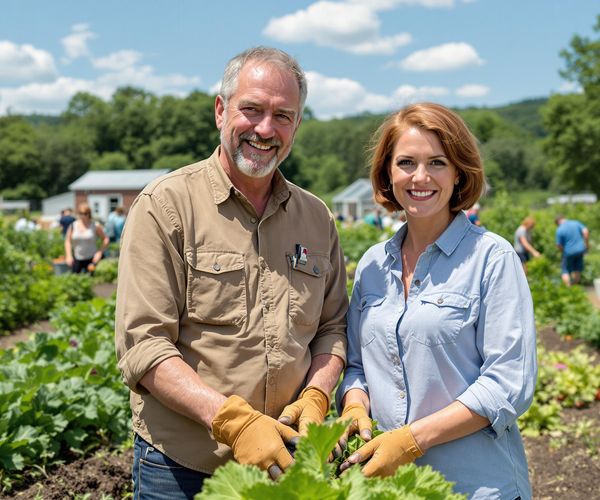
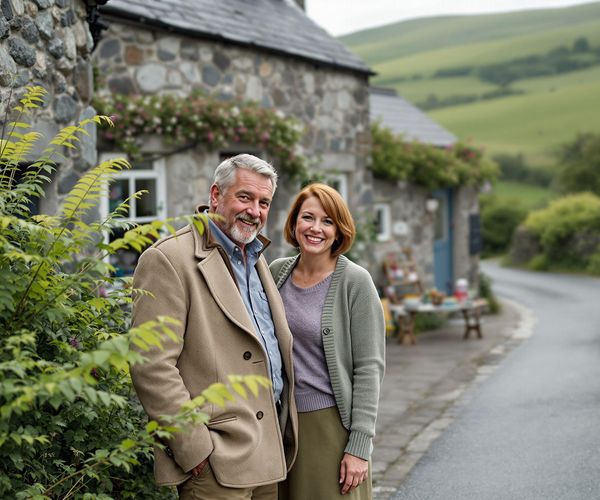
The allure of tracing your family history and combining it with travel is undeniable. It's a journey of self-discovery, connecting you to the places and people who shaped your identity. As someone who has always been fascinated by history, and now living in Ireland thanks to a serendipitous encounter with my wife Aoife, I've come to appreciate the profound impact of ancestral travel.
The Allure of Ancestral Travel
There's a growing wave of interest in genealogy and ancestral tourism, and it's easy to see why. In an increasingly globalized world, many people are seeking a deeper connection to their roots. It's not just about names and dates; it's about understanding where you come from and how your family's story fits into the larger tapestry of history.
The emotional fulfillment derived from connecting with one's heritage is immense. It can bring a sense of belonging, identity, and pride. For me, discovering a surprising detail about my own family history back in Montpelier, Vermont – a distant relative who fought in the Civil War – sparked a passion for genealogy that continues to this day. Aoife's family history in Ireland is equally fascinating, filled with stories of resilience and emigration.
Laying the Groundwork: Genealogical Research Before You Go
Before you pack your bags, it's crucial to lay the groundwork with thorough genealogical research. Start by building your family tree, interviewing relatives, and gathering as much information as possible. This initial research will provide a roadmap for your ancestral journey.
Online resources are invaluable tools for genealogical research. Key databases like Ancestry.com, MyHeritage, and national archives offer access to a wealth of records, including census data, birth certificates, marriage licenses, and immigration documents. Don't overlook smaller, regional databases, as they can often provide unique insights into your family's history. Always verify information from multiple sources to ensure accuracy. Cross-referencing records and comparing information from different databases will help you build a more complete and reliable family tree.
Organizing your research findings effectively is essential. Create a system for tracking sources, documenting information, and managing your family tree. Genealogy software or online platforms can help you organize your data and visualize your family's connections. A well-organized research database will save you time and frustration as you delve deeper into your family's history.
Planning Your Ancestral Trip: A Practical Guide
Planning an ancestral trip requires careful consideration and attention to detail. Start by setting realistic goals and establishing a budget. Determine what you hope to achieve during your trip, whether it's visiting ancestral towns, exploring historical sites, or connecting with living relatives. Be mindful of your budget and prioritize experiences that align with your genealogical goals.
Identify key locations to visit based on your genealogical research. Ancestral towns, churches, cemeteries, and historical societies are all potential destinations. Research the history and significance of these locations to gain a deeper understanding of your family's past. When booking accommodations and transportation, consider the remoteness of some ancestral locations. Rural areas may have limited options, so plan accordingly and book in advance.
Creating a flexible itinerary is crucial for a successful ancestral trip. Allow for unexpected discoveries and spontaneous exploration. Be prepared to deviate from your planned route if you stumble upon a new lead or opportunity. Embrace the unexpected and be open to the possibilities that may arise along the way.
Delving into Historical Records On-Site
Accessing and interpreting local historical records is a key aspect of genealogical travel. Parish registers, land deeds, and census records can provide valuable insights into your family's history. These records may contain information about births, marriages, deaths, property ownership, and other significant events.
Navigating archives, libraries, and local historical societies can be challenging, but it's well worth the effort. These institutions often hold unique collections of historical documents and artifacts. Contact the archives or historical societies in advance to inquire about their holdings and access policies. Be prepared to present identification and explain your research interests.
Deciphering old handwriting and understanding historical terminology can be difficult, but there are resources available to help. Online tutorials, genealogical dictionaries, and expert assistance can aid in translating old documents and understanding historical terms. Be patient and persistent, and don't be afraid to ask for help from archivists or librarians.
Uncovering new information and correcting inaccuracies in existing family trees is a common outcome of on-site research. Be prepared to revise your family tree as you uncover new evidence and insights. Genealogical research is an ongoing process, and there's always more to learn about your family's history.
Connecting with Living Relatives: Building Bridges Across Generations
Finding and contacting distant relatives in ancestral homelands can be a rewarding experience. Online genealogy platforms, social media, and local community organizations can help you locate potential relatives. Be respectful and considerate when reaching out to distant relatives. Introduce yourself, explain your genealogical research, and express your interest in learning more about their family history.
Initiating conversations and building relationships with newfound family members requires sensitivity and patience. Share your family stories, photographs, and heirlooms to create a sense of connection. Listen to their stories and be open to learning about their experiences. Building relationships with distant relatives can enrich your understanding of your family's history and create lasting bonds across generations.
Sharing family stories, photographs, and heirlooms can strengthen connections and create a sense of shared heritage. Consider organizing a family reunion or creating a family history website to share your findings with a wider audience. Preserving and sharing your family's history will ensure that it is passed down to future generations.
I recall connecting with a distant cousin of Aoife's in County Clare. We spent an afternoon poring over old family photos and sharing stories passed down through generations. It was a truly heartwarming experience that deepened my appreciation for the interconnectedness of families.
Experiencing Local Culture: Immersing Yourself in Your Ancestral Heritage
Immersing yourself in the local culture of your ancestral homelands is an essential part of genealogical travel. Exploring local cuisine, attending traditional festivals, and learning about local customs and traditions can provide a deeper understanding of your family's past.
Engaging with local communities and supporting local businesses can enrich your travel experience and contribute to the local economy. Attend local events, visit farmers' markets, and patronize family-owned businesses. By engaging with the local community, you'll gain a more authentic and meaningful travel experience.
Discovering unique cultural traditions in Ireland has been one of the most rewarding aspects of living here. From attending traditional Irish music sessions in pubs to learning about ancient Celtic customs, I've gained a deep appreciation for the rich cultural heritage of this island. Aoife and I always make a point of attending local festivals and events, immersing ourselves in the vibrant culture of our adopted homeland.
Respecting local customs and traditions is paramount when traveling to ancestral homelands. Be mindful of local etiquette, dress codes, and social norms. Learn a few basic phrases in the local language to show respect for the local culture. By demonstrating respect for local customs and traditions, you'll be welcomed with open arms and gain a more enriching travel experience.
Documenting Your Journey: Preserving Memories for Future Generations
Documenting your genealogical travel experiences is essential for preserving memories and sharing them with future generations. Journaling, photography, and video recording are all valuable tools for capturing your experiences and insights.
Creating a family history scrapbook or digital archive can help you organize and preserve your memories. Include photographs, documents, and personal reflections in your scrapbook or digital archive. Consider adding captions and annotations to provide context and tell the story behind each item.
Backing up digital files and storing them securely is crucial for ensuring that your memories are preserved for the long term. Use cloud storage, external hard drives, or other backup methods to protect your digital files from loss or damage. Regularly update your backups to ensure that you have the most current version of your files.
Sharing your stories and experiences with other family members and online communities can inspire others to explore their own family history. Consider creating a blog, writing a book, or giving presentations about your genealogical journey. By sharing your story, you can connect with others who share your passion for genealogy and inspire them to embark on their own ancestral adventures.
Embark on a journey of self-discovery by tracing your family history through travel. Discover the emotional fulfillment of connecting with your heritage.