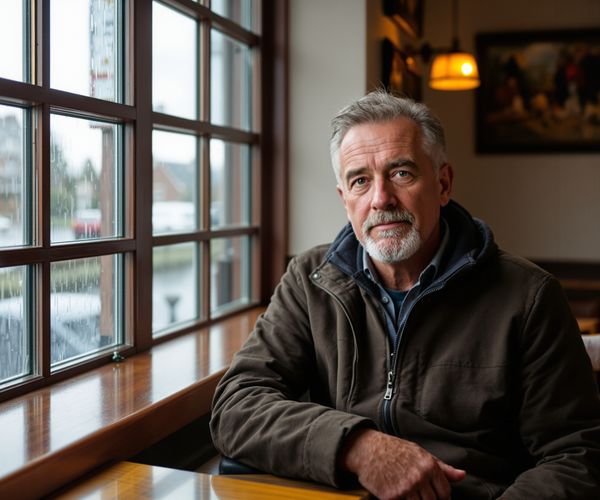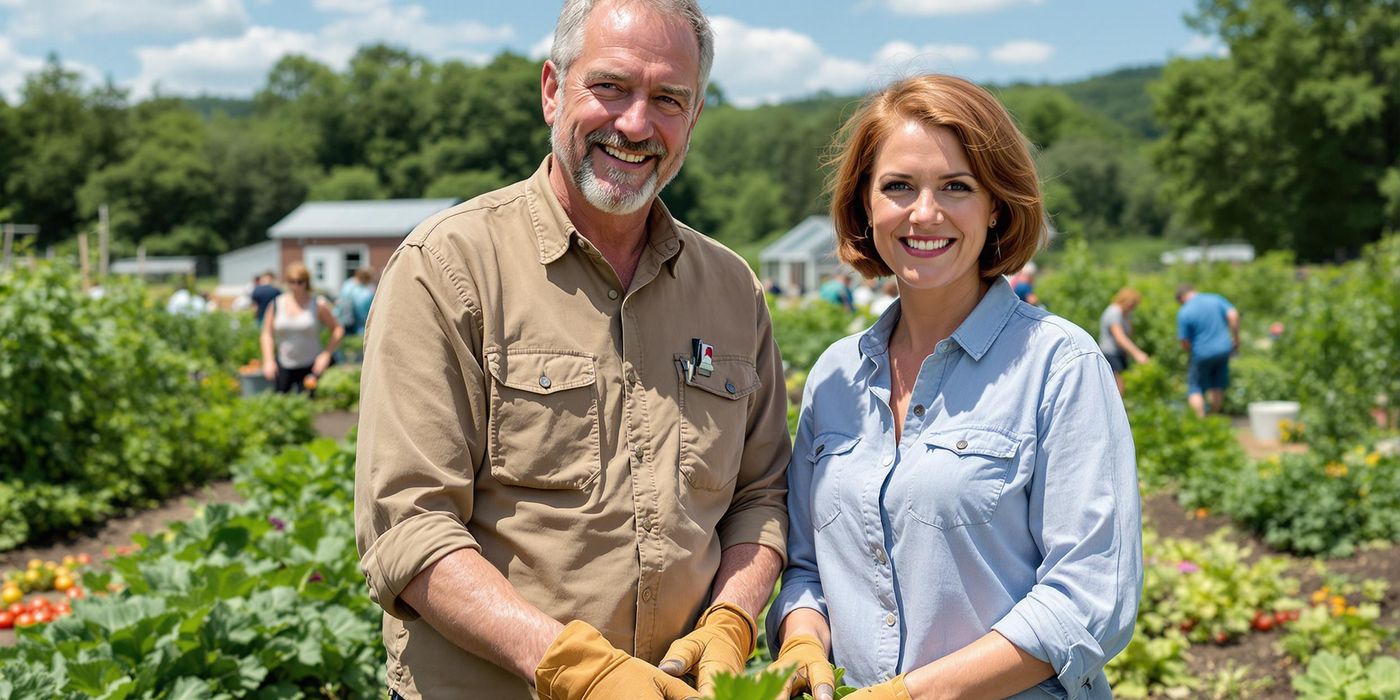
As an antiques dealer with a passion for history and genealogy, I've always believed in the power of connecting with the past. My travels with my wife, Aoife, have taken me to many corners of the world, each offering unique insights into different cultures and ways of life. But recently, I've been drawn to a different kind of travel, one that combines exploration with the opportunity to give back. Volunteering abroad, I've discovered, is a profound way to immerse yourself in a community, make a tangible difference, and enrich your own life in ways you never thought possible.
Why Volunteer Abroad?
For me, the appeal of volunteering abroad lies in its ability to bridge the gap between being a tourist and becoming a temporary member of a community. It's about more than just seeing the sights; it's about understanding the stories behind them, meeting the people who live them, and contributing to their well-being. As someone deeply interested in history, I find that volunteering provides a unique lens through which to view the past and present of a place. You're not just reading about history in a museum; you're witnessing its impact on the lives of real people today.
Beyond the historical and cultural aspects, volunteering offers immense personal growth. Stepping outside your comfort zone, adapting to new environments, and working alongside people from different backgrounds can be incredibly transformative. It challenges your assumptions, broadens your perspective, and fosters a sense of empathy and understanding. And, of course, there's the satisfaction of knowing that you're making a real difference, however small, in the lives of others. Whether it's helping to preserve historical sites, assisting with community development projects, or simply sharing your skills and knowledge, volunteering allows you to leave a positive mark on the places you visit.
Finding the Right Volunteer Program
Choosing the right volunteer program is crucial to ensuring a meaningful and impactful experience. It's essential to do your research and select reputable organizations that align with your values and interests. Look for programs that have a clear mission, transparent practices, and a strong track record of success. Consider factors such as the program's cost, duration, location, and the type of work involved. What skills can you bring to the table? Are you interested in working with children, animals, or the environment? Do you prefer hands-on work or administrative tasks?
There are many resources available to help you find volunteer opportunities. Websites like VolunteerMatch and Idealist list a wide range of programs around the world, while organizations like the United Nations Volunteers offer opportunities for skilled professionals. It's also worth checking with local non-profits and community organizations in your area, as they may have partnerships with international volunteer programs. Remember to prioritize ethical and responsible volunteering. Avoid programs that exploit vulnerable populations or contribute to unsustainable practices. Look for organizations that prioritize community empowerment, cultural sensitivity, and long-term impact.
Preparing for Your Volunteer Trip
Once you've chosen a volunteer program, it's time to start preparing for your trip. This includes taking care of your health, finances, and logistical arrangements. Make sure you're up-to-date on all necessary vaccinations and health precautions. Consult with your doctor or a travel clinic to determine what vaccinations and medications you need, depending on your destination and the type of work you'll be doing. Pack a well-stocked first-aid kit with essentials like antiseptic wipes, bandages, pain relievers, and any personal medications you require.
Learning a few basic phrases in the local language can go a long way in building rapport with the community and showing respect for their culture. Even simple greetings like hello, thank you, and please can make a big difference. Familiarize yourself with local customs, traditions, and etiquette. Research appropriate dress codes, dining customs, and social norms. Be mindful of cultural differences in communication styles, body language, and personal space. Create a budget that covers your program fees, travel expenses, accommodation, food, and personal spending money. Consider fundraising to help offset the costs of your trip. Websites like GoFundMe and FundMyTravel can be used to solicit donations from friends, family, and colleagues. Be realistic about what to expect in terms of living conditions and food. Depending on your location, you may be staying in basic accommodation with limited amenities. Food may be different from what you're used to, and you may need to be flexible with your dietary preferences.
Cultural Sensitivity and Adaptation
Cultural sensitivity is paramount when volunteering abroad. It means approaching new cultures with an open mind, a willingness to learn, and a deep respect for local customs, traditions, and beliefs. Avoid making assumptions or judgments based on your own cultural background. Be aware of your own biases and stereotypes, and actively challenge them. Take the time to listen to and learn from the people you're working with. Ask questions, show genuine interest in their lives and experiences, and be respectful of their opinions and perspectives.
Effective communication is key to avoiding cultural misunderstandings. Be mindful of your body language, tone of voice, and the language you use. Avoid using slang, jargon, or idioms that may not be easily understood. Speak clearly and slowly, and be patient when communicating with people who don't speak your language fluently. Adapt to new environments by being flexible, adaptable, and willing to go with the flow. Be prepared for things to be different from what you're used to, and don't expect everything to run smoothly. Embrace the unexpected, and see challenges as opportunities for growth and learning.
Overcoming Challenges and Homesickness
Volunteering abroad can be a rewarding experience, but it's not without its challenges. Cultural differences, language barriers, and emotional exhaustion are common obstacles that volunteers may face. It's important to acknowledge these challenges and develop strategies for coping with them. Homesickness is another common issue, especially for first-time volunteers. It's natural to miss your family, friends, and familiar surroundings. Combat homesickness by staying connected with loved ones through phone calls, emails, and social media. Build connections with fellow volunteers and locals by participating in social activities, attending community events, and simply striking up conversations. Share your feelings with others, and don't be afraid to ask for support.
Manage your expectations by being realistic about what you can achieve. Remember that you're not going to solve all the world's problems during your volunteer trip. Focus on making a small, positive contribution, and be patient with the process. If you find yourself feeling frustrated or overwhelmed, take a break and step back from the situation. Engage in activities that you enjoy, such as reading, writing, or spending time in nature. Prioritize your safety by being aware of your surroundings and taking precautions to protect yourself from harm. Avoid walking alone at night, and be cautious about accepting drinks or rides from strangers. Store your valuables in a safe place, and be mindful of pickpockets and scams.
The Impact of Volunteering: Stories of Growth and Community
The true impact of volunteering abroad lies not only in the positive changes you make in the lives of others but also in the personal growth and development you experience yourself. Many volunteers report significant improvements in their communication skills, problem-solving abilities, and cross-cultural understanding. They also gain valuable work experience, expand their professional networks, and enhance their career prospects. Volunteering can also have a profound impact on local communities. Sustainable development projects, skill-sharing initiatives, and educational programs can empower communities to improve their quality of life and build a brighter future. By working alongside local residents, volunteers can foster cross-cultural connections, build long-lasting relationships, and promote mutual understanding.
The value of mutual learning and cultural exchange cannot be overstated. Volunteers bring new perspectives, skills, and ideas to the communities they serve, while also learning from the wisdom, knowledge, and traditions of local cultures. This exchange of ideas can lead to innovative solutions to complex problems and a greater appreciation for the diversity of human experience. Volunteering abroad is more than just a trip; it's an opportunity to make a meaningful difference in the world, while also enriching your own life in countless ways. It's a chance to connect with people from different backgrounds, learn about new cultures, and discover your own potential for growth and impact. As I continue my journey of exploration and service, I encourage you to consider volunteering abroad as a way to travel with purpose and make a lasting contribution to the global community.
Discover the profound impact of volunteering abroad: connect with cultures, contribute to communities, and enrich your own life through transformative travel experiences.