As an antiques dealer, I've always appreciated the beauty and value found in objects that have stood the test of time, each holding stories of bygone eras. This appreciation extends to my travels. My wife, Aoife, and I have found that the most enriching experiences come not from rushing through a checklist of tourist spots, but from immersing ourselves in the local culture, savoring each moment, and forming genuine connections. This is the art of slow travel, and it's transformed the way we see the world.
What is Slow Travel?
Slow travel is more than just a leisurely vacation; it's a conscious choice to prioritize depth over breadth, connection over consumption. It's about savoring the journey, not just rushing to the destination. Unlike conventional tourism, which often focuses on ticking off famous landmarks, slow travel emphasizes sustainability, cultural immersion, and genuine human connection. It's about taking the time to understand the history, traditions, and way of life of a place, and leaving a positive impact on the local community.
The benefits of slow travel are manifold. For the traveler, it offers a more meaningful and transformative experience, fostering personal growth and a deeper understanding of the world. For the destination, it promotes sustainable tourism practices, supports local businesses, and helps preserve cultural heritage. It is a win-win approach that fosters mutual respect and understanding.
Why Embrace Cultural Immersion?
Cultural immersion is the heart and soul of slow travel. It's about stepping outside your comfort zone and engaging with the local culture in a meaningful way. This could involve anything from learning a few basic phrases in the local language to participating in a traditional ceremony or sharing a meal with a local family.
Understanding local customs and traditions is essential for respectful and enriching travel experiences. It allows you to appreciate the nuances of a culture and avoid unintentional offense. For instance, in some cultures, it's considered rude to point the soles of your feet at someone, while in others, it's customary to remove your shoes before entering a home.
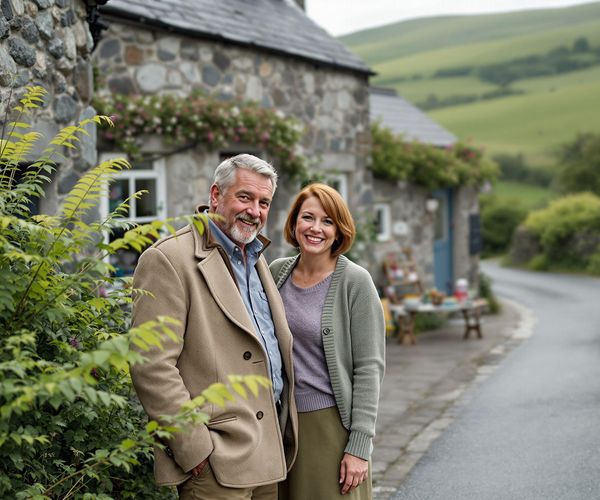
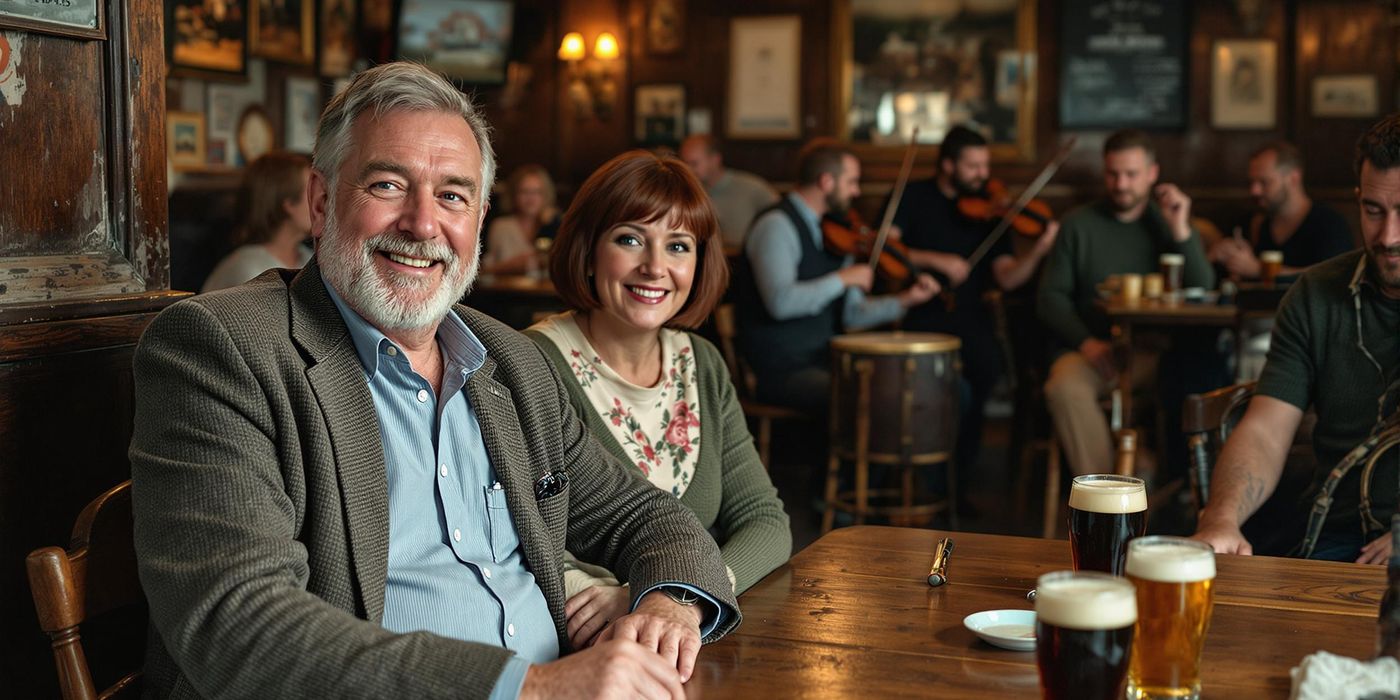
I recall a trip to a small village in the Connemara region of Ireland. Aoife and I spent a week there, not rushing to see the sights, but simply living alongside the locals. We attended traditional Irish music sessions in the pub, helped a local farmer with his sheep, and learned to bake soda bread from a kindly old woman. These experiences, though simple, were far more rewarding than any guidebook tour could have been. They gave us a glimpse into the heart of Irish culture and created lasting memories.
Planning a Slow Travel Itinerary
Planning a slow travel itinerary requires a different mindset than planning a conventional vacation. It's not about cramming as many activities as possible into a limited time frame, but about creating space for spontaneity and serendipity.
Start by researching destinations that offer opportunities for cultural immersion. Look for places with a rich history, vibrant arts scene, or strong sense of community. Consider smaller towns and villages, which often offer a more authentic and intimate experience than large cities.
When choosing accommodations, opt for options that support local communities. This could include staying in locally owned guesthouses or bed and breakfasts, renting an apartment from a local resident, or volunteering at a community project. These choices not only provide a more authentic experience but also help to ensure that your tourism dollars benefit the local economy.
Be sure to incorporate plenty of downtime and flexibility into your itinerary. Leave room for unexpected detours, spontaneous conversations, and simply soaking in the atmosphere of a place. Remember, the goal is not to see everything, but to experience something deeply.
Engaging with Locals
Interacting with local people is one of the most rewarding aspects of slow travel. It allows you to gain insights into the culture that you simply can't find in a guidebook. Don't be afraid to strike up conversations with locals, whether it's the shopkeeper, the taxi driver, or the person sitting next to you at the pub.
A simple hello and a genuine interest in their lives can go a long way. Ask them about their favorite places to visit, their traditions, or their thoughts on current events. Be a good listener and show respect for their opinions, even if they differ from your own.
When in Rome, do as the Romans do. Observe local customs and traditions and try to follow them as closely as possible. This shows respect for the local culture and helps you to blend in more easily. For example, if you're visiting a mosque, be sure to dress modestly and remove your shoes before entering. If you're invited to someone's home, bring a small gift as a token of appreciation.
Slow Travel Activities
There are countless ways to immerse yourself in the local culture through slow travel activities. Here are a few ideas to get you started:
- Attending local festivals and events: These events offer a unique opportunity to experience the local culture firsthand. From traditional music and dance performances to food festivals and religious celebrations, there's always something happening.
- Volunteering with community projects: Volunteering is a great way to give back to the community and connect with locals on a deeper level. You could help build a house, teach English, or work on a conservation project.
- Taking language classes or cooking courses: Learning the local language or taking a cooking course is a fun and interactive way to immerse yourself in the culture. You'll not only gain new skills but also make new friends along the way.
- Exploring local markets and artisan workshops: Local markets and artisan workshops are a treasure trove of unique and authentic souvenirs. You can find everything from handmade crafts to locally grown produce.
- Visiting historical sites and museums with local guides: Visiting historical sites and museums with local guides can provide a deeper understanding of the history and culture of a place. They can share stories and insights that you won't find in a guidebook.
Savoring Local Cuisine
Food is an integral part of any culture, and trying local dishes is a must for any slow traveler. Forget the familiar fast-food chains and seek out authentic culinary experiences. Visit local markets, sample street food, and dine at family-run restaurants.
Don't be afraid to try new things, even if they seem a bit strange at first. You might discover your new favorite dish! Ask locals for recommendations and be open to their suggestions. They know the best places to eat and can steer you away from tourist traps.
Learning a few basic phrases in the local language can be helpful when ordering food and interacting with restaurant staff. A simple please and thank you can go a long way. Be patient and respectful, even if there's a language barrier. Remember, you're a guest in their country.
Learning the Language
While it's not always possible to become fluent in a new language during a short trip, learning a few basic phrases can significantly enhance your cultural immersion. Even a simple hello, thank you, and excuse me can make a big difference in how you're received by locals.
There are many language learning resources available online and in libraries. Apps like Duolingo and Babbel offer interactive lessons that can help you learn the basics of a new language in a fun and engaging way. Consider purchasing a phrasebook or taking a short language course before your trip.
I remember trying to order coffee in a small café in Italy. I only knew a few basic Italian phrases, but I made an effort to use them. The barista smiled and responded in Italian, and we had a brief but enjoyable conversation. It was a small moment, but it made me feel more connected to the local culture.
Embracing Unplanned Moments
One of the most beautiful aspects of slow travel is the opportunity to embrace spontaneity. Leave room for unplanned moments and be open to unexpected experiences. You never know what you might discover.
Get lost in the maze-like streets of a new city, strike up a conversation with a stranger, or simply sit in a park and watch the world go by. These moments of unplanned discovery can often be the most memorable and rewarding.
On a trip to Scotland, Aoife and I stumbled upon a small, family-run distillery tucked away in the Highlands. We weren't planning to visit a distillery, but we decided to stop in on a whim. We ended up spending the afternoon learning about the whisky-making process from the owner himself, a passionate and knowledgeable man who shared his family's history with us. It was an experience we never would have had if we had stuck to our original itinerary.
Discover the art of slow travel and how immersing yourself in local cultures can enrich your travel experiences. Learn how to plan a slow travel itinerary and engage with locals.