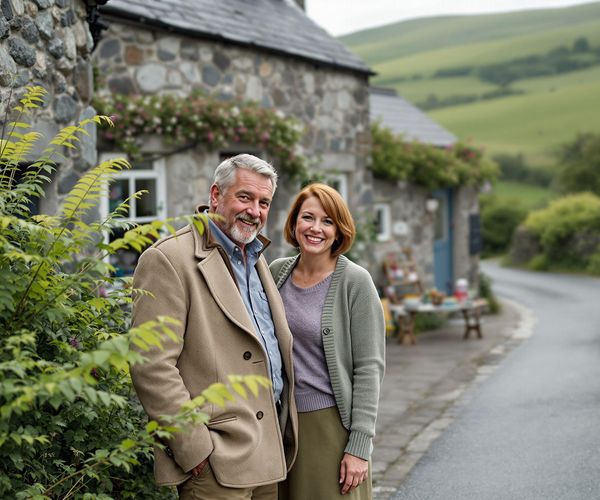
In today's fast-paced world, travel often feels like a race against time. We rush from one landmark to another, ticking off sights on a checklist, only to return home feeling exhausted and strangely unfulfilled. But what if there was a different way? A way to truly connect with a place, to savor its essence, and to return home enriched rather than depleted? That's the promise of slow travel, a philosophy that my wife, Aoife, and I have wholeheartedly embraced.
Embracing the Philosophy of Slow Travel
Slow travel is more than just a leisurely vacation; it's a conscious choice to prioritize depth over breadth. It's about immersing yourself in the local culture, forging connections with the people you meet, and minimizing your environmental impact. It stands in stark contrast to conventional tourism, which often emphasizes speed, convenience, and superficial experiences.
The core principles of slow travel revolve around immersion, connection, and sustainability. Immersion means delving into the local way of life, whether it's learning a few phrases in the local language, trying traditional cuisine, or participating in local customs. Connection involves building relationships with the people you encounter along the way, from the friendly shopkeeper to the knowledgeable tour guide. Sustainability means being mindful of your environmental footprint and supporting local businesses that prioritize ethical practices.
Aoife and I experienced the magic of slow travel firsthand during a trip to the Aran Islands. Instead of rushing through the main attractions, we spent several days exploring the rugged coastline, chatting with the locals in the cozy pubs, and learning about the island's rich history and folklore. We even took a traditional weaving class, where we learned to create our own Aran sweaters. These are the moments that truly define slow travel—the moments when you feel a deep sense of connection to a place and its people.
The Antidote to Modern Travel Stress
One of the most appealing aspects of slow travel is its ability to alleviate the stress associated with modern travel. By slowing down the pace, you can avoid the frantic energy of crowded tourist destinations and truly appreciate your surroundings. Instead of rushing to see everything, you can focus on experiencing a few things deeply.
The benefits of a relaxed pace extend beyond stress reduction. When you're not constantly rushing, you have more time to notice the small details that make a place unique. You might discover a hidden gem, strike up a conversation with a local, or simply enjoy a moment of quiet contemplation. This can lead to improved mental well-being and a greater sense of appreciation for the world around you.
For example, on a recent trip to County Clare, we decided to abandon our carefully planned itinerary and simply follow our instincts. We stumbled upon a traditional music session in a small village pub, where we spent the evening listening to lively tunes and chatting with the locals. It was an unexpected and unforgettable experience that wouldn't have been possible if we had stuck to our original schedule.
Destinations Perfect for Savoring
While slow travel can be practiced anywhere, some destinations are particularly well-suited for it. The Irish countryside, with its rolling hills, charming villages, and friendly locals, is a prime example. Historical towns, such as Kilkenny and Kinsale, also offer a wealth of opportunities for slow exploration, allowing you to immerse yourself in the past and connect with the local culture.
Aoife and I have enjoyed countless slow travel experiences in Ireland. We've spent days wandering through ancient castles, exploring hidden beaches, and hiking in the Wicklow Mountains. We've also made a point of visiting local markets, attending cultural events, and staying in locally-owned accommodations, all of which have enriched our understanding of Irish culture and history.
Beyond Ireland, there are many other global destinations known for their suitability for slow travel. Tuscany, with its rolling hills, vineyards, and charming villages, is a popular choice. Kyoto, Japan, with its serene temples, traditional gardens, and refined cuisine, offers a more contemplative experience. And the Galapagos Islands, with their unique wildlife and stunning landscapes, provide an opportunity to connect with nature on a deeper level.
Tips for Incorporating Slow Travel into Any Itinerary
Incorporating slow travel into your itinerary doesn't require a complete overhaul of your travel style. Even small changes can make a big difference. Start by choosing fewer destinations and spending more time in each. This will allow you to explore each place more thoroughly and avoid the feeling of being rushed.
Another key aspect of slow travel is connecting with the locals. Visit local markets, attend cultural events, and strike up conversations with the people you meet. Consider staying in locally-owned accommodations, such as guesthouses or bed and breakfasts, which can provide a more authentic and personal experience.
Finally, embrace spontaneity and be open to unexpected adventures. Don't be afraid to deviate from your planned itinerary if something catches your eye. Sometimes, the best travel experiences are the ones you never anticipated.
The Joys of Unhurried Exploration
One of the greatest joys of slow travel is the opportunity to discover hidden gems and engage in meaningful conversations with locals. On a recent trip to Dingle, Aoife and I stumbled upon a small art gallery tucked away on a side street. We spent hours admiring the local artwork and chatting with the gallery owner, who shared fascinating stories about the region's history and culture.
Disconnecting from technology is also essential for slow travel. Put away your phone, turn off your email, and be present in the moment. This will allow you to fully immerse yourself in your surroundings and appreciate the beauty of the world around you.
Ultimately, slow travel is about cultivating a deeper appreciation for the world and its cultures. It's about slowing down, connecting with people, and savoring the moment. It's a way to travel that enriches your life and leaves you with lasting memories.
Discover the benefits of slow travel and how it can enhance your travel experiences by allowing for deeper connections and stress-free adventures.