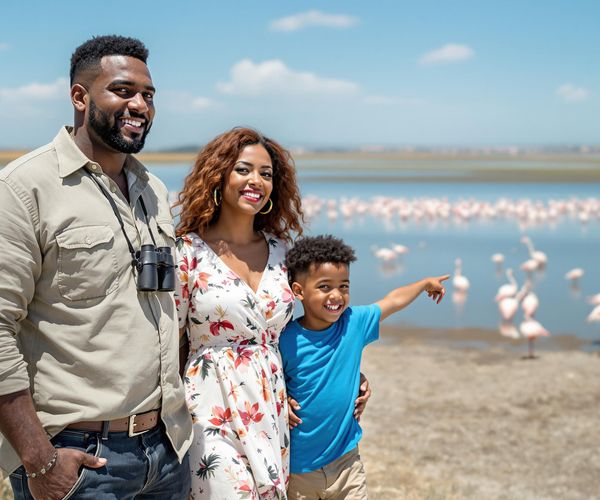

The allure of tracing our lineage has always been a strong one, a desire to understand where we come from and how our ancestors shaped us. It's a journey that transcends time and geography, connecting us to stories and experiences that are deeply personal and profoundly moving. As someone with roots in both Cabo Verde and Portugal, this quest for ancestral knowledge resonates deeply with me. It's not just about names and dates; it's about understanding the cultural tapestry that has woven my family's history.
The Allure of Ancestral Journeys
There's a growing wave of interest in genealogy and heritage tourism, and it's easy to understand why. In a world that often feels disconnected, the chance to connect with our past offers a sense of belonging and identity. For many, it's a deeply emotional experience, a chance to walk in the footsteps of those who came before us and to understand their struggles and triumphs.
I remember a trip I took to Lisbon a few years ago, ostensibly to lead a walking tour. But while preparing, I stumbled upon some fascinating records that hinted at a connection between my family and the city's history, particularly its African influences. It was a revelation! Discovering that my ancestors had contributed to the vibrant cultural mosaic of Lisbon ignited a passion within me to delve even deeper into my heritage. It underscored the profound fulfillment that comes from connecting with one's roots. That personal connection transformed the way I presented my tours, adding layers of meaning and a personal touch that resonated with my audience.
Laying the Groundwork: Pre-Travel Research
Before you pack your bags and embark on your genealogy adventure, thorough research is absolutely essential. Think of it as laying the foundation for a house – without it, the whole structure could crumble. The internet is your friend here, offering a wealth of resources to help you trace your family tree. Census records, birth certificates, marriage licenses, and immigration documents are all invaluable tools.
Take advantage of genealogy databases like Ancestry.com, MyHeritage, and FamilySearch. These platforms offer access to vast collections of records and allow you to connect with other researchers who may share your ancestry. Don't underestimate the power of DNA testing services either. Companies like 23andMe and AncestryDNA can provide insights into your ethnic origins and potentially identify regions or ethnic groups to focus on in your research. This can be particularly useful if, like me, your family history spans continents and cultures.
Crafting Your Itinerary: Key Destinations and Resources
Once you've gathered enough preliminary information, it's time to start planning your itinerary. Base your destination choices on your research findings. Did your ancestors come from a specific town, city, or region? These are the places you'll want to prioritize.
When you arrive, make sure to visit local archives, libraries, and historical societies. These institutions often hold records that aren't available online, such as old newspapers, land deeds, and personal letters. Cemeteries and churches can also be valuable sources of information, providing insights into family relationships and burial traditions. And don't hesitate to contact local genealogical societies or historians. They can offer invaluable assistance and guidance, pointing you towards resources you might otherwise miss.
Given my own background, I can offer some specific resources for those interested in Portuguese and Cape Verdean genealogy. The Arquivo Nacional de Cabo Verde (National Archives of Cabo Verde) is a treasure trove of information, while in Portugal, the Arquivo Nacional da Torre do Tombo (National Archive of Torre do Tombo) holds a vast collection of historical documents. Websites like Geneall.net can also be helpful for tracing Portuguese ancestry.
Immersing Yourself in the Culture: Connecting with Local Communities
Genealogy travel isn't just about finding names and dates; it's about experiencing the culture of your ancestors. Engage with local communities to gain a deeper understanding of their lives. Attend cultural events, festivals, and markets to experience local traditions. Try traditional cuisine and learn a few basic phrases in the local language. These small gestures can go a long way in building connections and fostering a sense of belonging.
One of the most rewarding experiences you can have is interviewing local elders or distant relatives. These individuals often hold a wealth of oral histories and personal stories that can bring your family history to life. Remember to approach these encounters with respect and sensitivity, and be prepared to listen carefully and learn from their experiences. It's also crucial to understand the historical context in which your ancestors lived. Research the social, economic, and political conditions of the time, and consider how these factors may have shaped their lives. In the context of Portugal and Cape Verde, understanding the legacy of colonialism and the influence of African cultures is particularly important.
Documenting Your Discoveries: Preserving Family History
As you uncover pieces of your family history, it's essential to document your findings for future generations. Take detailed notes, photographs, and videos of significant locations and documents. Collect souvenirs and memorabilia to create a tangible connection to the past. Digitize records and photographs to ensure their preservation and accessibility. Consider creating a family history book or website to share your discoveries with relatives. This is a wonderful way to connect with family members and to ensure that your research is not lost to time. The goal is to create a lasting legacy that will inspire and inform future generations.
Embark on a journey to uncover your family history through genealogy travel. Discover how to plan trips that connect you with your ancestral roots and heritage.