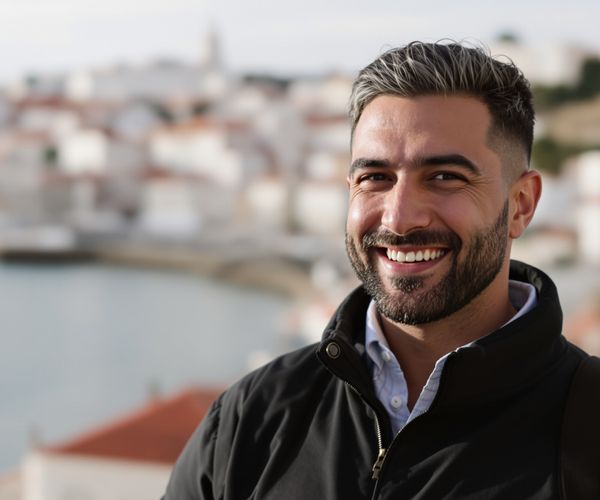

The world is vast, and our time within it is precious. As a tour guide in Lisbon, I've always felt a pull to connect with people and places on a deeper level. That's why I'm so passionate about volunteering abroad – it's not just about seeing new sights, but about making a tangible difference while enriching your own life.
Why Volunteering Abroad?
For me, the allure of volunteering abroad extends far beyond the typical tourist experience. It's about personal growth and development, pushing yourself beyond your comfort zone and embracing new challenges. When you immerse yourself in a different environment, you gain a fresh perspective on the world and your place within it.
More importantly, it's an opportunity to contribute to communities and make a positive impact. Whether you're helping to build a school, teaching English, or assisting with conservation efforts, your actions can have a lasting effect. This resonates deeply with my Cabo Verdean values of community and djunta mon – working together. I've witnessed firsthand the incredible power of collective effort, and volunteering abroad allows you to be a part of something bigger than yourself.
Volunteering also offers a unique form of cultural immersion, one that goes beyond surface-level interactions. You're not just observing a culture; you're living it, working alongside locals, and gaining a deeper understanding of their lives and perspectives. This fosters empathy, breaks down stereotypes, and builds bridges between cultures.
Finding the Right Opportunity
Choosing the right volunteer opportunity is crucial for a fulfilling experience. It starts with aligning your volunteer work with your personal interests and skills. What are you passionate about? What are you good at? When your volunteer work aligns with your passions, it becomes a source of joy and motivation.
Thorough research is also essential. You need to ensure that the organization you're working with is reputable, supports the local community, and has sustainable projects. Look for organizations that prioritize the needs and desires of the community, rather than imposing their own agenda. Consider the type of experience you desire – do you prefer a structured program or a more flexible, independent arrangement? Do you want to travel solo or as part of a group?
Platforms like Evendo can be incredibly helpful in finding volunteer opportunities that match your personal passions. Just as I use my historical tours to connect people with Lisbon's vibrant history, you can use Evendo to connect with communities in need.
Preparing for Your Volunteer Trip
Preparation is key to a successful and meaningful volunteer experience. Start by researching the culture, customs, and local language of your host country. Understanding these nuances will help you navigate social situations, build rapport with locals, and avoid unintentional offense.
Delve deeper than just the surface level. Learn about the country's history, political landscape, and regional differences. This will give you a more nuanced understanding of the challenges and opportunities facing the community you're serving. And of course, make sure you have all the necessary vaccinations and health precautions.
Before traveling anywhere, I try to learn a few basic phrases in the local language. Even a simple bom dia (good morning) or obrigado (thank you) can go a long way in building connections and showing respect. Similarly, when preparing for my historical tours, I researched Lisbon's African history to provide my guests with a more comprehensive understanding of the city. This same principle applies to preparing for volunteer work in other cultures – the more you know, the more effectively you can contribute.
Navigating Challenges and Practicing Cultural Sensitivity
Even with thorough preparation, you're bound to encounter challenges when volunteering abroad. Cultural differences can be confusing or frustrating, and communication barriers can be difficult to overcome. The key is to approach these challenges with an open mind and a willingness to learn. Remember that you're a guest in their community, and it's your responsibility to adapt to their customs and norms.
Communicate clearly and respectfully, even if you don't speak the local language fluently. Be patient and understanding, and embrace the opportunity to learn from your local colleagues. Be aware of potential emotional challenges, such as frustration, guilt, or homesickness. Practice self-reflection and seek support from your fellow volunteers or the organization you're working with.
In my experience guiding tourists in Lisbon, I've learned the importance of patience and empathy when interacting with people from different backgrounds. Misunderstandings are inevitable, but with a little understanding and a good sense of humor, they can be overcome. The same holds true for volunteering abroad.
Making a Meaningful Impact
Ultimately, the goal of volunteering abroad is to make a meaningful impact on the community you're serving. This means focusing on sustainable projects that contribute to long-term community development. Collaborate with local leaders and community members to ensure that your efforts are aligned with their needs and priorities. Remember that volunteering is about working alongside local people, not saving them.
It's about sharing your knowledge and skills in a way that empowers communities to help themselves. Just as I strive to highlight Lisbon's cultural influences in my tours, you can use your volunteer work to amplify the voices and stories of the people you're serving. When you approach volunteering with humility, respect, and a genuine desire to make a difference, you can create a lasting positive impact on the world.
Explore the benefits and challenges of volunteering abroad, and how to choose the right opportunity. It's not just about seeing new sights, but about making a tangible difference.