Choosing the Right Camera for Your Trip
Selecting the right camera can feel overwhelming, but it doesn't have to be! The best camera is the one you have with you, but let's explore some options. Smartphones are incredibly convenient and capable, offering excellent image quality in a pocket-sized package. Compact cameras provide a step up in terms of zoom and image quality, while still being relatively lightweight. Mirrorless cameras and DSLRs offer the most versatility and image quality but can be bulkier and more expensive.
As someone who appreciates lightweight and practical gear, I lean towards options that won't weigh me down during long hikes or busy city explorations. Here are some specific camera models that are great for beginners in 2026:
- Fujifilm X100VI: A stylish and compact camera with excellent image quality and a fixed lens, perfect for street photography and everyday adventures.
- Ricoh GR IV: Known for its incredible portability and sharp image quality, this camera is a favorite among travel photographers.
- Sony RX100 VII: A premium compact camera with a versatile zoom lens and advanced features, ideal for capturing a variety of travel scenes.
- Olympus OM-D E-M10 Mark IV: A compact and lightweight mirrorless camera with excellent image stabilization, making it great for handheld shooting.
- Nikon Z5 II: An entry-level full-frame mirrorless camera that offers exceptional image quality and performance at a reasonable price.
Before investing heavily, take the time to understand the basic camera settings on your smartphone or current camera. You might be surprised at how much you can achieve with what you already have!
Understanding the Exposure Triangle: Aperture, Shutter Speed, and ISO
The exposure triangle consists of three key elements: aperture, shutter speed, and ISO. Mastering these will give you greater control over your images.
- Aperture: This refers to the opening in the lens that allows light to pass through. It's measured in f-stops (e.g., f/2.8, f/8). A wider aperture (smaller f-number) creates a shallow depth of field, blurring the background and isolating your subject, which is great for portraits. A narrower aperture (larger f-number) increases the depth of field, keeping more of the scene in focus, ideal for landscapes.
- Shutter Speed: This is the amount of time the camera's shutter is open, exposing the sensor to light. Fast shutter speeds (e.g., 1/500s) freeze motion, perfect for action shots. Slower shutter speeds (e.g., 1/30s) allow more light in, but can result in motion blur if the camera or subject moves.
- ISO: This measures the sensitivity of your camera's sensor to light. Lower ISO settings (e.g., ISO 100) produce cleaner images with less noise, while higher ISO settings (e.g., ISO 3200) are useful in low-light situations but can introduce more noise.
For example, when shooting landscapes in bright daylight, use a narrow aperture (f/8 or higher), a fast shutter speed (1/250s or faster), and a low ISO (ISO 100). When capturing indoor scenes in low light, try a wider aperture (f/2.8 or wider), a slower shutter speed (be mindful of camera shake), and a higher ISO (but be careful not to introduce too much noise).
Composition Techniques for Stunning Travel Photos
Composition is the art of arranging elements within your frame to create visually appealing images. Here are a few basic rules to get you started:
- Rule of Thirds: Imagine dividing your frame into nine equal parts with two horizontal and two vertical lines. Place key elements of your scene along these lines or at their intersections to create a more balanced and engaging composition.
- Leading Lines: Use lines to guide the viewer's eye through the image and towards the main subject. Roads, rivers, and fences can all serve as leading lines.
- Symmetry: Look for symmetrical scenes and compositions to create a sense of balance and harmony. Reflections in water are a great way to capture symmetry.
- Framing: Use elements in the foreground to frame your subject and add depth to the image. Archways, trees, and doorways can all be used as frames.
Don't be afraid to experiment with different angles and perspectives. Try shooting from a low angle to make your subject appear larger and more imposing, or from a high angle to capture a wider view of the scene. Foreground elements can add depth and interest to your travel photos. Look for interesting rocks, flowers, or other objects to include in the foreground of your landscapes.
Mastering Light: Capturing the Best Travel Moments
Light is arguably the most important element in photography. It can dramatically impact the mood and quality of your images. The golden hours, which are the hours after sunrise and before sunset, offer soft, warm light that is ideal for photography.
When shooting in harsh midday sun, look for shade or try to position yourself so that the sun is behind you. Overcast days can actually be great for photography, as the clouds act as a natural diffuser, creating soft, even light. Shadows and highlights can add drama and interest to your photos. Look for opportunities to use shadows to create patterns and textures. Fill flash can be used to brighten up shadows and improve exposure in challenging lighting conditions.
Capturing Candid Moments and Storytelling
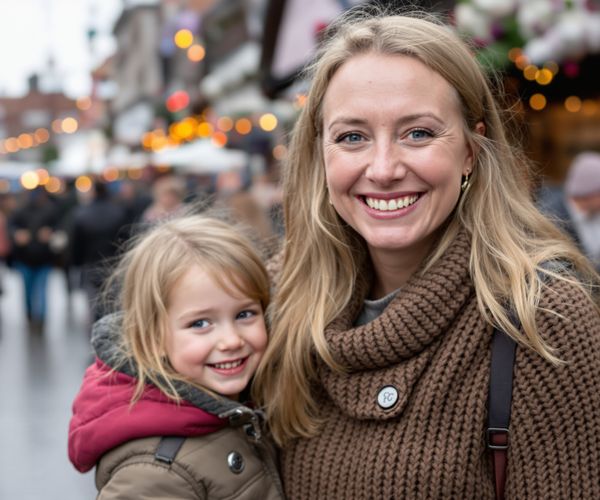
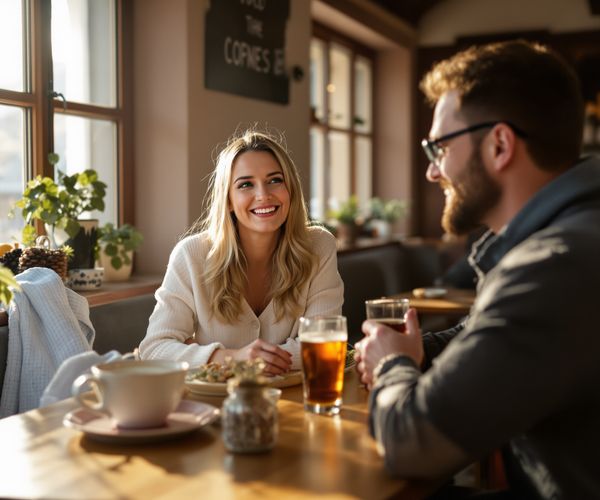
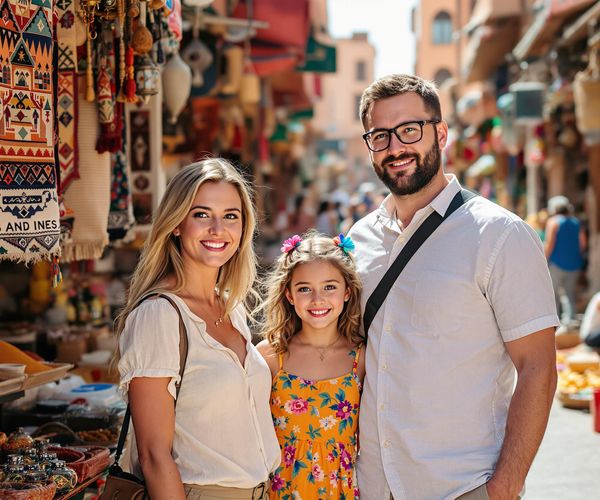
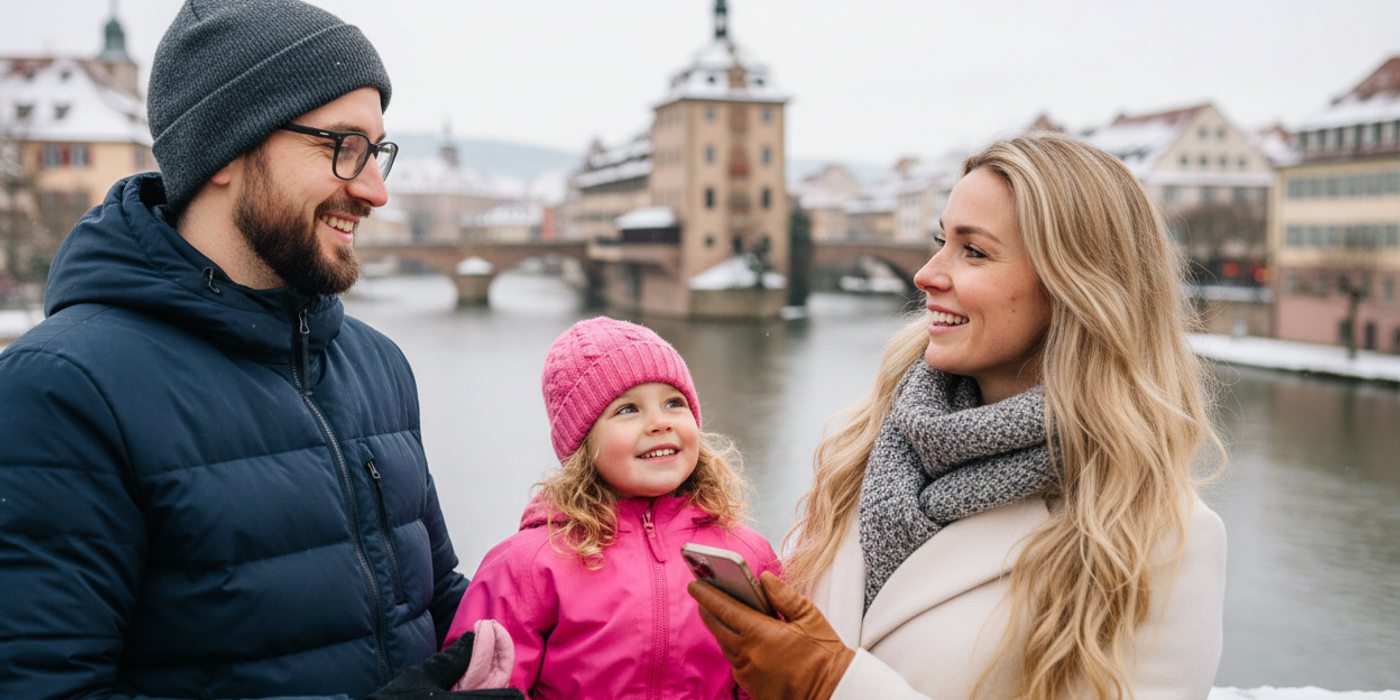
While landmarks are great, focus on capturing candid moments and authentic experiences. These are the photos that will truly tell the story of your travels. When photographing people, always ask for permission first. Make them feel comfortable by smiling and engaging in a friendly conversation. Capture emotions, interactions, and spontaneity to tell a story through your photos. A genuine smile, a shared laugh, or a moment of quiet reflection can speak volumes.
Remember to respect local cultures and traditions when photographing in different countries. Be mindful of religious sites and customs, and avoid taking photos of people without their consent. By following these tips, you'll be well on your way to capturing stunning travel photos that you'll cherish for years to come. Happy travels and happy shooting!
Learn how to take stunning travel photos with these beginner-friendly tips on equipment, composition, and lighting.