
As a freelance translator and travel blogger, I've always been drawn to the idea of immersing myself fully in the places I visit. Forget rushing from one tourist hotspot to another; my family and I prefer to embrace slow travel, savoring every moment and creating lasting memories. It's a way of exploring that aligns perfectly with our values: cultural immersion, meaningful connections, and sustainable living.
What is Slow Travel?
Slow travel is more than just a trend; it's a conscious choice to prioritize quality over quantity when exploring the world. It's about taking the time to truly experience a destination, connecting with its people, culture, and environment. We're not just ticking off sights on a list; we're engaging with the local community, learning about their traditions, and appreciating the beauty of everyday life. Think of it as the antithesis of traditional, fast-paced tourism, where the focus is on seeing as much as possible in the shortest amount of time.
Why Slow Travel?
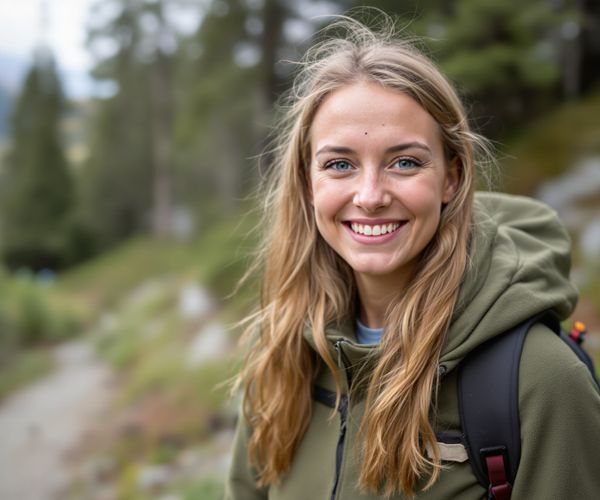
My journey into slow travel began long before I started blogging. Growing up in Eksjö, Sweden, I developed a deep appreciation for nature and a strong sense of community. These values have shaped my travel style as an adult. I still remember family trips, where we would spend weeks exploring the Swedish countryside, camping, hiking, and simply enjoying each other's company. Those experiences instilled in me a desire for authentic experiences and deeper connections with the places I visit.
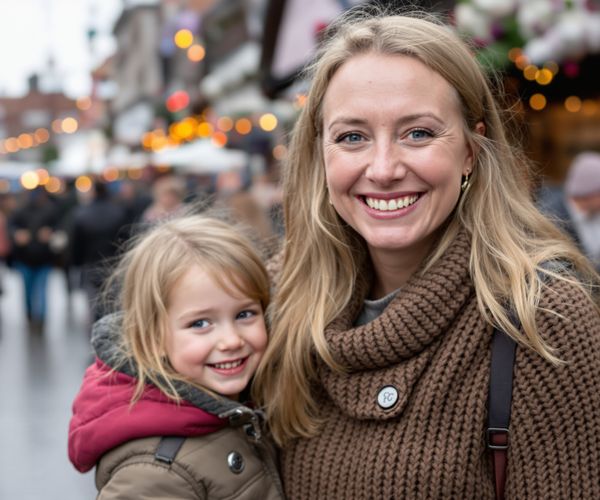
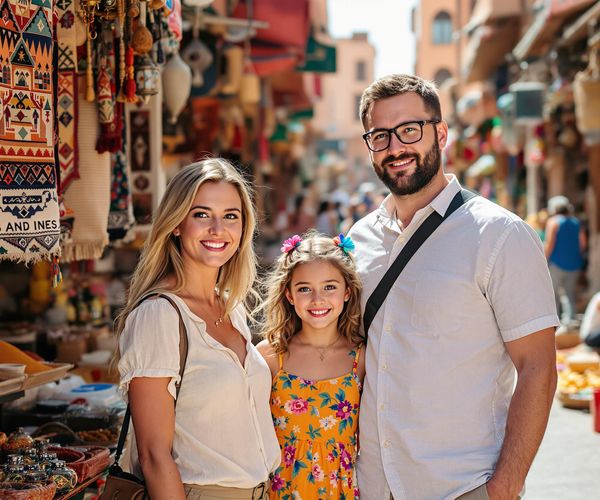
Now, as a mother myself, I want to pass on those values to my daughter, Astrid. My husband, Maximilian, shares my passion for slow travel, and together, we strive to make our trips as sustainable and responsible as possible. For us, it's not just about seeing the world; it's about protecting it for future generations.
Cultural Immersion and Meaningful Connections
One of the greatest benefits of slow travel is the opportunity for cultural immersion. When you take the time to explore a destination at a leisurely pace, you open yourself up to a more profound understanding of its culture, traditions, and ways of life. Instead of just visiting museums and monuments, you can engage with locals, participate in traditional activities, and even learn the language.
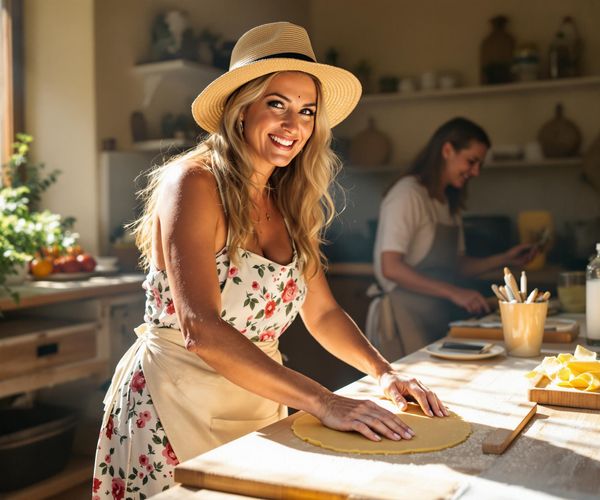
I'll never forget the time we spent in a small village in Tuscany. We took a cooking class from a local Nonna, learning to make traditional pasta dishes from scratch. We visited local markets, sampling regional delicacies and chatting with the vendors. We even learned a few Italian phrases, which helped us connect with the locals on a deeper level. These are the kinds of experiences that stay with you long after you've returned home.
Personal Growth and Reflection
Slow travel isn't just about exploring the world around you; it's also about exploring the world within you. When you slow down and take the time to be present in the moment, you create space for personal growth, self-reflection, and a broader perspective on life. It's an opportunity to disconnect from the stresses of everyday life and reconnect with yourself and your surroundings.
During our travels, I've learned the importance of mindfulness. Taking a few moments each day to simply observe my surroundings, to listen to the sounds, and to feel the sensations, has made a world of difference. It's helped me to appreciate the beauty of the present moment and to cultivate a sense of gratitude for all that I have.
Sustainability and Responsible Tourism
As a travel blogger, I feel a responsibility to promote sustainable and responsible tourism. Slow travel is inherently more sustainable than traditional tourism because it encourages travelers to stay longer in one place, reducing their carbon footprint and supporting local economies.
There are many ways to travel more responsibly. Choose eco-friendly accommodations, use sustainable transportation, and minimize waste. Respect local customs, support local businesses, and preserve natural resources. Every little bit helps to make a difference.
Examples of Slow Travel Experiences
There are countless ways to embrace slow travel. Here are a few examples:
- Walking the Camino de Santiago in Spain: This ancient pilgrimage route is a perfect example of slow travel. Take weeks to walk the entire route, or simply choose a section and explore at your own pace.
- Exploring Tuscany, Italy: Rent a car or bike and explore the rolling hills, vineyards, and charming villages of Tuscany. Take cooking classes, visit local markets, and sample regional wines.
- Taking a canal boat trip in France: This is a relaxing and scenic way to explore the French countryside. Cruise along the canals, stopping at charming villages and enjoying the local cuisine.
These are just a few examples, of course. The possibilities are endless. The most important thing is to slow down, be present, and open yourself up to new experiences.
Discover the benefits of slow travel, a conscious tourism approach prioritizing quality over quantity, cultural immersion, and mindful exploration. Embrace authentic experiences.