As a travel blogger, I'm constantly seeking ways to capture the essence of a place through my lens. Over the years, I've learned that great travel photography isn't just about having the best equipment; it's about understanding light, composition, and, most importantly, respecting the places and people you photograph. Here are some tips I've gathered from my adventures around the world, from the cobblestone streets of Bamberg to the serene landscapes of Sweden.
Choosing the Right Travel Photography Gear
Selecting the right gear is crucial, but it doesn't mean you need to break the bank. It's about finding a balance between size, weight, and image quality. For me, a mirrorless camera is a game-changer due to its compact size and impressive performance. I've been eyeing the Sony a7CR for its full-frame sensor in a small body. The Fujifilm X-T50 is another great option, especially if you love the retro aesthetic and film simulations. And for those on a budget, the Sony a6700 is a fantastic all-around performer.
When it comes to lenses, versatility is key. A zoom lens like the Sony 24-70mm f2.8 is perfect for various scenarios, from sweeping landscapes to intimate portraits. But don't underestimate the power of prime lenses, especially for low-light conditions and when you want to travel light. I remember once in Eksjö, my hometown, capturing the most stunning twilight shots with just a small 35mm prime lens.
Accessories are also important. A travel tripod, like the Peak Design Travel Tripod or Manfrotto Befree Tripod, is essential for sharp landscapes and night shots. Extra batteries and SD cards are a must, trust me! And a good camera bag, balancing protection and portability, is worth the investment. I personally love the Langly Alpha Globetrotter and the Wandrd Prvke for their durability and style.
Understanding Light: The Key to Stunning Travel Photos
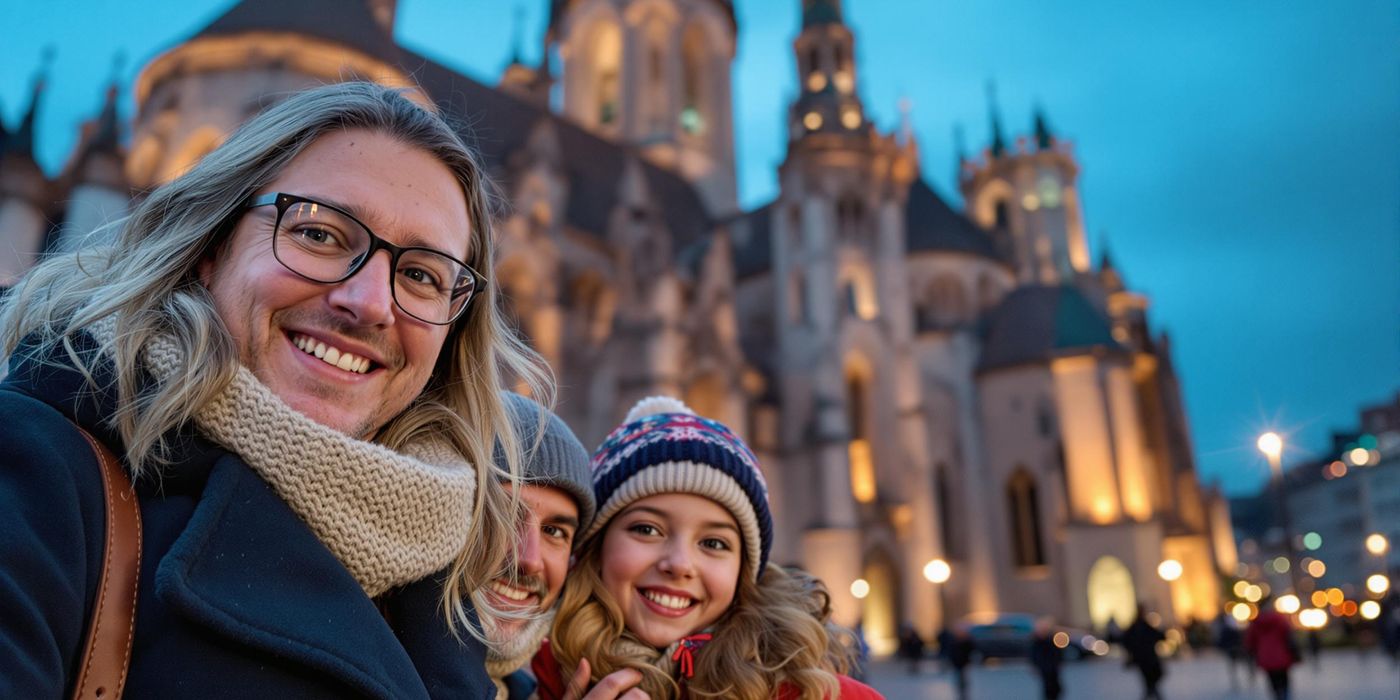
Light is everything in photography. Understanding how to work with it can transform a mundane scene into something magical. The golden hour, that hour after sunrise and before sunset, is my favorite time to shoot. The soft, warm light adds a beautiful glow to everything. Similarly, the blue hour, the hour after sunset, is perfect for capturing dramatic cityscapes. I recall shooting the Bamberg Cathedral during the blue hour, and the way the light played off the sandstone was just breathtaking.
Don't be afraid to shoot in different weather conditions. Harsh midday light can be challenging, but you can use shadows to your advantage or convert your photos to black and white for a dramatic effect. When working with natural light, pay attention to the sun's position. Shooting with the sun behind you or to the side can add depth and dimension to your images. And always use a lens hood to prevent lens flare!
Composition Techniques for Captivating Images
Composition is how you arrange the elements within your frame. The rule of thirds is a classic technique that involves dividing your image into nine equal parts and placing key elements along those lines or at the intersections. Most cameras have a grid mode to help you apply this rule. Leading lines are another powerful tool, drawing the viewer's eye into the image. Think of roads, rivers, or even rows of trees.
Symmetry can create balance and visual interest, while shapes and patterns can add an abstract quality to your photos. Framing within a frame, using elements like doorways or arches, can focus attention on your subject. Don't be afraid to experiment with camera angles. Shooting from a high or low perspective can reveal unique perspectives. And sometimes, simply splitting the frame to balance the subject with the background context can make all the difference.
Capturing Authentic Moments: People and Culture
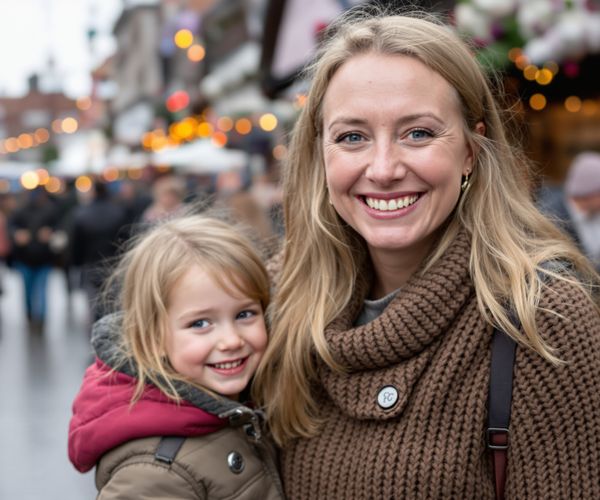
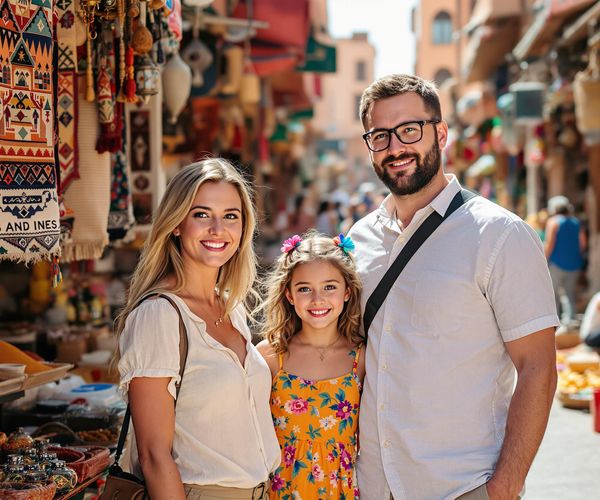
Photographing people and cultures is a delicate art. Respect for local customs is paramount. Always seek permission before photographing people, and be mindful of their comfort level. Candid moments can be incredibly powerful, showing people in motion and their everyday lives. I remember photographing a group of children playing in a small village in Sweden; their laughter and joy were infectious, and it was an honor to capture those fleeting moments.
Photographing people within a landscape can add depth and scale to your images. Get close to your subject to capture details and emotions, or use a telephoto lens to capture candid shots from a distance. Engaging with the local community is key to understanding their stories and capturing more meaningful images. Take the time to talk to people, learn about their lives, and share your own experiences. It's through these connections that you can truly capture the essence of a place.
Post-Processing Tips for Travel Photos
Post-processing is where you can refine your images and bring out their full potential. There are many great editing apps available, each with its own strengths. Adobe Lightroom Mobile is my go-to for its comprehensive editing features and professional look. Snapseed is great for quick and easy edits, with a range of tools and presets. VSCO offers minimalist filters and subtle enhancements, while Photoshop Express is perfect for more elaborate edits, such as blemish removal and sharpening.
Color correction, exposure adjustments, and sharpening are essential steps in post-processing. Use selective adjustments to enhance specific areas of your photo. And don't be afraid to experiment with AI-powered tools in editing apps to enhance your images quickly and efficiently. The key is to find the editing apps that best fit your style and workflow. I often use a combination of Lightroom and Snapseed to achieve the look I want.
Sustainable and Respectful Photography Practices
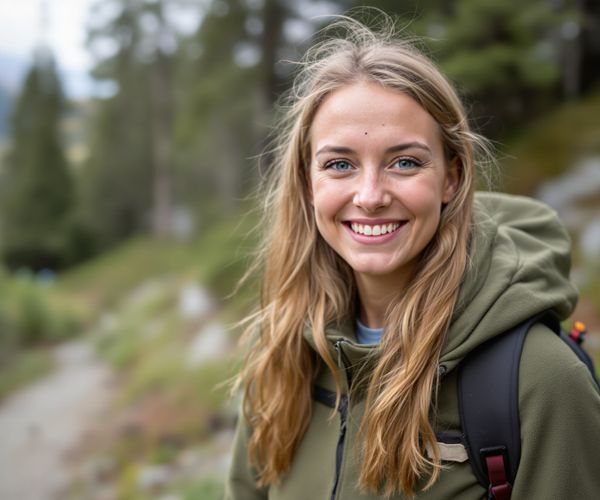
As travel photographers, we have a responsibility to minimize our environmental impact and respect the cultures we visit. Use rechargeable batteries and eco-friendly gear whenever possible. When photographing wildlife, maintain a safe distance and avoid disturbing their habitats. Stick to marked trails to protect natural habitats. And always be mindful of the ethical implications of photographing people and cultures. Seek consent, respect their privacy, and avoid exploiting them for your own gain.
Support local communities and businesses through responsible tourism. Share your images responsibly, without endangering wildlife or exploiting communities. Use your photography to educate and inspire others towards eco-friendly practices. And consider partnering with sustainable tourism organizations to promote their work. By traveling and photographing responsibly, we can help preserve the beauty and diversity of our planet for future generations.
Practical tips for travel photography enthusiasts: gear, lighting, composition, capturing authentic moments, post-processing, and sustainable practices.