
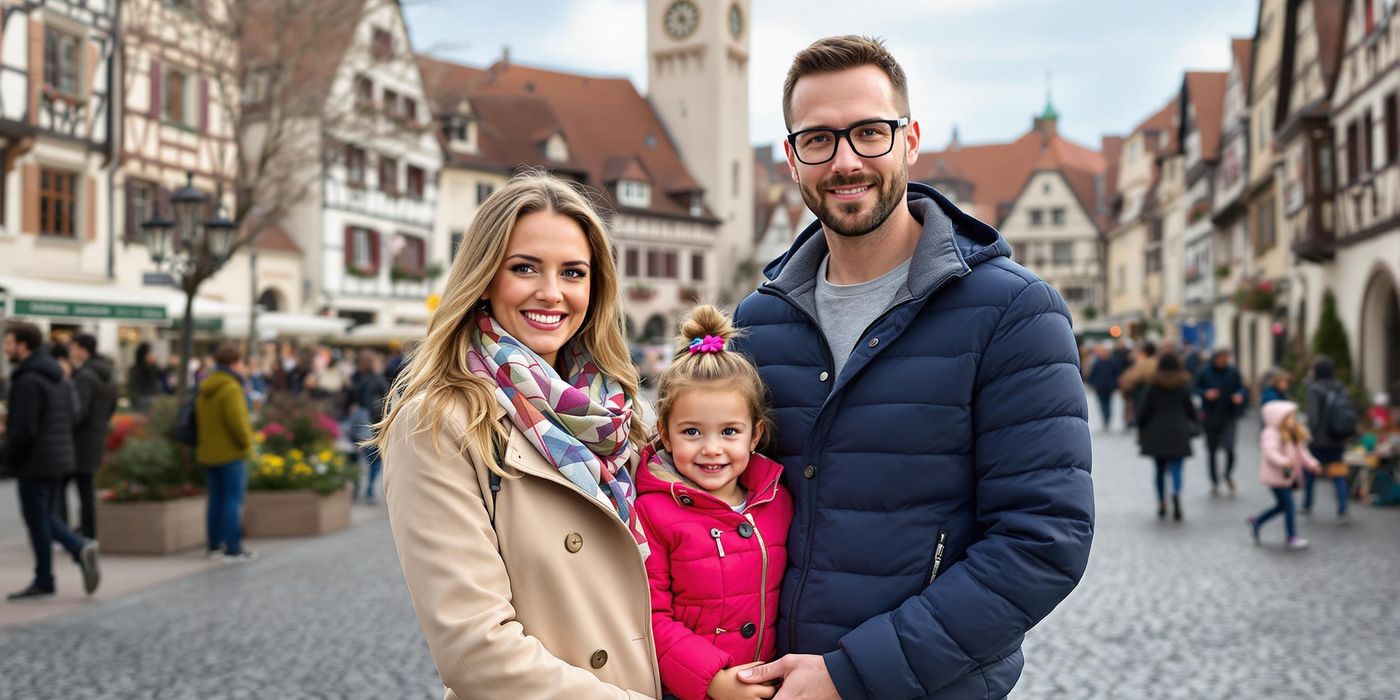
Hello, fellow adventurers! Elin here, ready to whisk you away on a journey through time – a journey into the heart of medieval architecture. As a Swedish expat living in the beautiful city of Bamberg, Germany, with my husband Maximilian and our daughter Astrid, I've developed a deep appreciation for the stories etched in stone and timber. Today, I want to share how you can transform a visit to medieval sites into a captivating experience for the whole family.
Setting the Stage: Why Medieval Architecture Appeals to All Ages
There’s something undeniably magical about medieval architecture. For adults, it’s the tangible connection to history, the artistry of the craftsmanship, and the sheer scale of ambition that went into building these structures. For children, it’s the fairy-tale allure of castles, the imagined lives of knights and princesses, and the sense of wonder that comes from exploring ancient spaces. Think about it: imposing castles perched on hillsides, soaring cathedrals reaching for the sky, and charming town squares echoing with centuries of stories. These are the places where imaginations run wild.
Take, for instance, the majestic Neuschwanstein Castle in Bavaria, Germany, which served as an inspiration for Disney’s Sleeping Beauty castle. Or consider the grandeur of Cologne Cathedral, a masterpiece of Gothic architecture that took over 600 years to complete. Even a simple stroll through a well-preserved medieval town square can transport you and your family to another era.
Choosing Your Medieval Adventure: Location, Location, Location!
Selecting the right destination is key to a successful family adventure. When planning a trip focused on medieval architecture, consider factors like accessibility, the availability of child-friendly activities, and the option of guided tours in English or German (or your preferred language).
Living in Bamberg, we're fortunate to be surrounded by incredible medieval heritage. Franconian Switzerland, with its dramatic landscapes and numerous castles, is a perennial favorite for a day trip. Rothenburg ob der Tauber, with its perfectly preserved medieval town center, is another fantastic option. Other excellent choices in Germany include Nuremberg, Quedlinburg, and Regensburg. Don't limit yourself to Germany, though! Consider exploring the Alsace region in France, with its charming medieval villages, or venture further afield to discover the castles of Wales or the walled cities of Italy.
Engaging the Kids: Interactive Ways to Explore Medieval Sites
The key to keeping kids engaged is to make the experience interactive and fun. Here are a few ideas that have worked well for us:
- Scavenger Hunts: Create a list of architectural details to spot – different types of arches (Romanesque, Gothic), building materials (stone, timber framing), or specific symbols (coats of arms, gargoyles). Astrid loves searching for these hidden treasures!
- Storytelling: Invent stories about the people who lived in the buildings. Who was the knight who defended this castle? What was life like for the villagers who lived in the shadow of the cathedral? Let your imaginations run wild!
- Historical Fiction: Read age-appropriate historical fiction or biographies before or during your trip. This can help bring the past to life and provide context for what you’re seeing.
- Interactive Games: Many museums and historical sites now offer interactive games and simulations that allow kids to explore historical events or participate in virtual reconstructions. Look for these opportunities to enhance the learning experience.
Must-See Architectural Elements: A Kid-Friendly Guide
Help your children understand what they’re seeing by introducing them to key architectural features in a simple, understandable way:
- Moats: Explain that moats were like giant ditches filled with water, designed to protect the castle from invaders. You can compare it to a giant puddle around their sandcastle, keeping the bad guys away!
- Towers: Point out the towers and explain that they were used as lookout points, allowing guards to see enemies approaching from far away. Talk about how high they are and what the view must have been like.
- Battlements: Show them the battlements (the notched tops of the walls) and explain that soldiers would hide behind them to protect themselves while shooting arrows or throwing rocks at attackers.
- Keeps: Explain that the keep was the strongest and most important part of the castle, where the lord and his family lived, and where the castle's last defense would be staged.
Don’t be afraid to use analogies that children can relate to. Comparing castle walls to a fort built in their backyard or explaining that a cathedral’s stained-glass windows are like giant, colorful picture books can help them grasp the concepts more easily.
Beyond the Walls: Immersive Activities for a Complete Experience
To truly immerse yourselves in the medieval world, consider these complementary activities:
- Visit Local Museums: Look for museums with medieval exhibits and hands-on displays. Many museums offer interactive exhibits specifically designed for children.
- Attend Medieval Festivals: If your trip coincides with a medieval festival or reenactment, definitely go! These events offer a truly immersive experience, with costumed performers, craft demonstrations, and traditional food.
- Explore Local Crafts and Cuisine: Sample local crafts and cuisine related to the medieval period. Many towns offer traditional crafts like blacksmithing or pottery, and you can often find restaurants serving dishes based on medieval recipes.
Practical Tips for a Smooth Family Trip
Here are a few practical tips to help you plan a smooth and enjoyable family trip:
- Wear Comfortable Shoes: You'll be doing a lot of walking, often on cobblestone streets, so comfortable shoes are essential.
- Pack Snacks and Drinks: Especially when visiting remote sites, it's always a good idea to pack snacks and drinks to keep everyone happy and hydrated.
- Bring Art Supplies: Encourage your children to sketch or journal about their experiences. This is a great way to engage their creativity and help them remember the trip.
- Check Opening Hours and Tours: Always check the opening hours and availability of tours in advance, especially during peak season.
Capturing the Memories: Photography and Keepsakes
Don’t forget to capture the memories of your medieval adventure!
- Take Lots of Photos: Document your trip with plenty of photos. Capture the grand scale of the architecture, the details of the craftsmanship, and the joy on your children's faces.
- Create a Scrapbook: Create a family scrapbook or photo album as a lasting reminder of your adventure. Include photos, ticket stubs, and drawings.
- Collect Souvenirs: Collect small souvenirs that reflect the medieval theme, such as a toy knight, a replica coin, or a piece of local pottery.
- Journaling: Encourage everyone to record their personal reflections and observations in a journal. This will help you remember the trip for years to come.
So, pack your bags, grab your little adventurers, and prepare to step back in time! Exploring medieval architecture as a family is a truly rewarding experience that will create lasting memories and spark a lifelong love of history.
Explore medieval architecture with your family! Discover tips for engaging kids with historical sites, interactive activities, and educational opportunities.