Hey fellow travelers! Emily here, ready to share some insights on something super close to my heart: traveling with respect and responsibility. It's not just about seeing new places, but about connecting with them in a meaningful way. So, let’s dive into how we can all be better cultural ambassadors on our adventures.
Understanding Cultural Sensitivity
Cultural sensitivity, in the context of travel, is about being aware and respectful of the differences in cultures. It means recognizing that what's normal or acceptable in one place might not be in another. It's about approaching new experiences with an open mind and a willingness to learn.
Why is it so crucial? Well, for starters, it enriches your travel experience tenfold. When you're culturally sensitive, you're more likely to have authentic interactions, build genuine connections, and gain a deeper understanding of the world. Plus, it fosters mutual respect and understanding, which is vital for positive global relations.
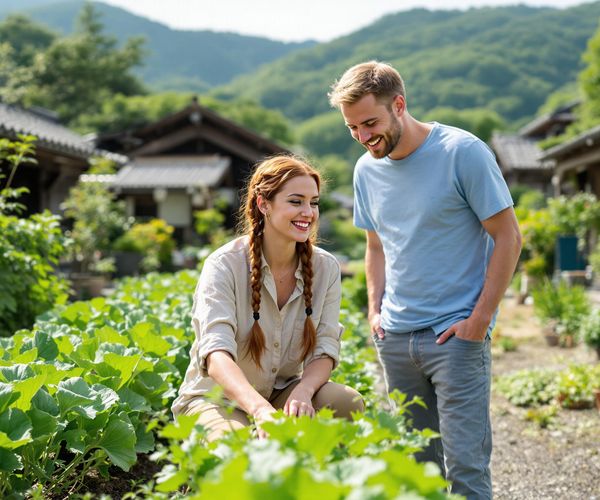
I remember once in Japan, I accidentally wore my shoes inside a traditional Ryokan. I was mortified! But instead of scolding me, the host gently explained the custom with a smile. It was a humbling experience that taught me the importance of observing and respecting local traditions. It transformed what could have been an embarrassing blunder into a valuable lesson about Japanese culture.
Researching Your Destination
Before you even pack your bags, do your homework! Pre-trip research on local customs, traditions, and etiquette is essential. It shows respect and helps you avoid unintentional offenses.
There are tons of online resources available. Travel guides like Lonely Planet and Rough Guides often include cultural insights. Documentaries and travel vlogs can also offer a glimpse into the local way of life. Don't underestimate the power of a good old-fashioned library too!
One of the best things you can do is learn a few basic phrases in the local language. Even a simple “hello,” “thank you,” or “excuse me” can go a long way in showing respect and facilitating positive interactions. It demonstrates that you're making an effort to connect with people on their terms.
For reliable resources, I always check out websites like Culture Crossing and Kwintessential. They offer detailed information on cultural etiquette around the world. Also, don't hesitate to read blogs and forums where travelers share their experiences and insights. Just remember to cross-reference information and be mindful of potential biases.
Respecting Local Customs and Traditions
Navigating different cultural settings can be tricky, but it's also part of the adventure. Pay attention to how people greet each other, how they dress, and how they behave in public spaces. These cues can provide valuable insights into local customs and traditions.
For example, in some cultures, it's customary to remove your shoes before entering someone's home. In others, it's considered rude to eat with your left hand. Dining etiquette varies widely too, from using chopsticks correctly in East Asia to understanding tipping customs in North America.
To avoid cultural faux pas, observe and learn from the locals. If you're unsure about something, don't be afraid to ask for clarification. Most people are happy to share their culture with visitors who show genuine interest and respect.
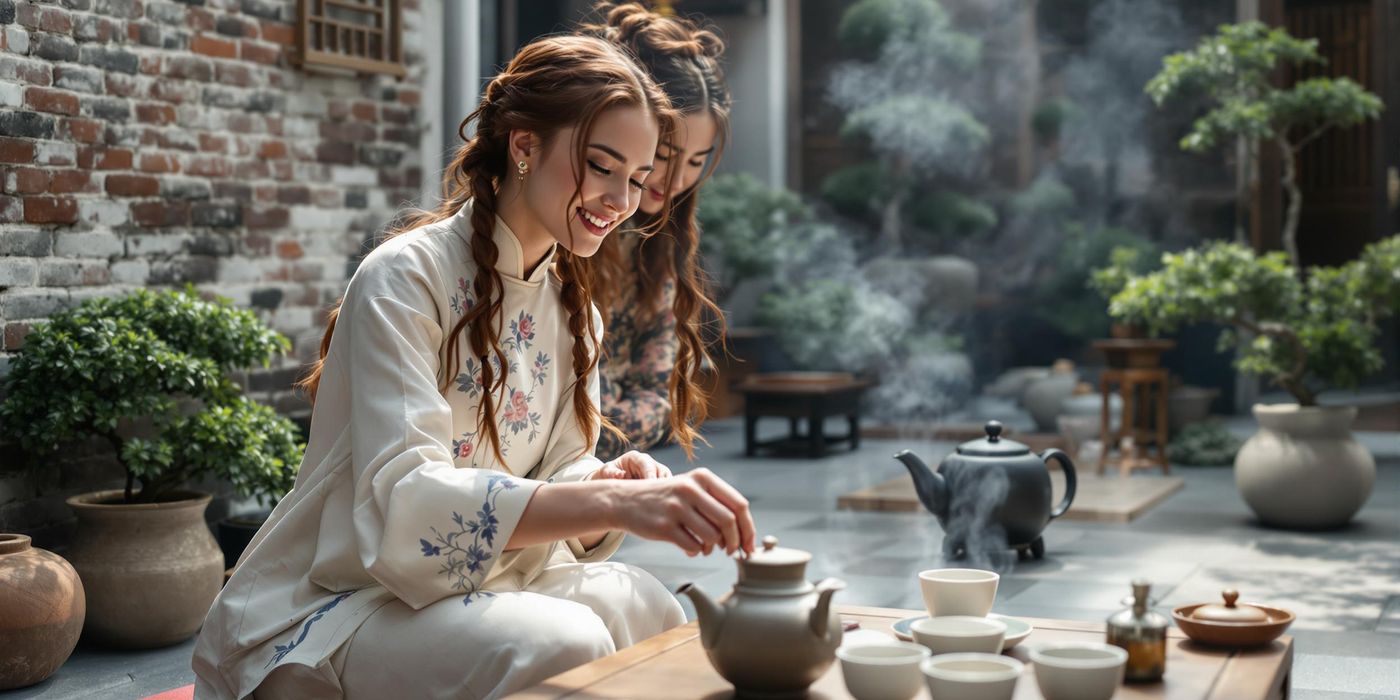
I remember being invited to a traditional tea ceremony in China. I had no idea what to expect, but I watched carefully and followed the lead of my hosts. I learned so much about the art of tea-making and the importance of mindfulness in Chinese culture. It was an experience I'll never forget.
Engaging with Local Communities
One of the most rewarding aspects of travel is connecting with local communities. Seek out opportunities to interact with people in a respectful and meaningful way. Strike up conversations, ask questions, and show genuine interest in their lives and experiences.
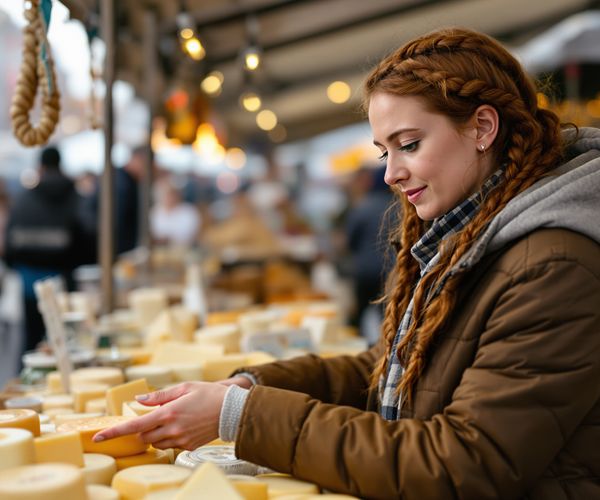
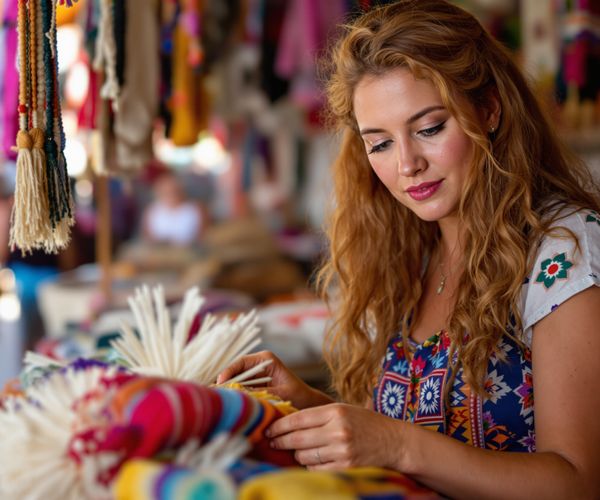
Supporting local businesses and artisans is another great way to contribute to the community's economic well-being. Shop at local markets, eat at family-owned restaurants, and buy handmade crafts directly from the artisans. Your money will go directly to the people who need it most.
Participating in local activities and events is a fantastic way to immerse yourself in the culture. Attend a traditional festival, take a cooking class, or volunteer for a community project. These experiences will give you a deeper understanding of the local way of life and create lasting memories.
During my time in Guatemala, I volunteered at a local school, teaching English to children. It was challenging, but incredibly rewarding. I learned so much about the community, and I made some wonderful friends along the way. It was a reminder that travel isn't just about seeing new places, but about making a positive impact on the lives of others.
Being Mindful of Your Impact
Responsible travel is about minimizing your environmental and social impact. It's about making conscious choices that benefit local communities and protect the planet.
Reduce waste by bringing your own reusable water bottle, shopping bag, and toiletries. Conserve resources by turning off lights and air conditioning when you leave your hotel room. Support sustainable tourism initiatives that prioritize environmental protection and community development.
Respect local environments and wildlife by avoiding activities that exploit or harm them. Choose eco-friendly tours, avoid purchasing products made from endangered species, and dispose of your waste responsibly.
I've seen firsthand the negative impact of tourism on fragile ecosystems. Overcrowding, pollution, and habitat destruction are just some of the challenges that local communities face. As travelers, we have a responsibility to minimize our footprint and protect these precious resources for future generations.
Navigating Religious and Sacred Sites
When visiting religious sites, it's essential to dress appropriately and behave respectfully. Cover your shoulders and knees, remove your shoes if required, and refrain from disruptive activities like talking loudly or taking flash photos.
Respect religious customs and traditions, even if you don't fully understand them. Avoid making assumptions or judgments about local beliefs. Show reverence for sacred sites and be mindful of the significance they hold for local communities.
I remember visiting a Buddhist temple in Thailand and being struck by the sense of peace and tranquility. I observed the monks chanting and meditating, and I felt a deep sense of connection to something larger than myself. It was a reminder of the power of faith and the importance of respecting different spiritual traditions.
Capturing Memories Respectfully
Taking photos and videos is a natural part of travel, but it's important to do so in a way that respects local privacy and customs. Always seek permission before photographing individuals, especially in more rural areas. Be mindful of cultural sensitivities when sharing your travel experiences on social media.
Avoid taking photos of sensitive locations, such as military installations or government buildings. Respect the privacy of individuals and avoid capturing images that could be considered disrespectful or exploitative.
I've learned that the best travel photos are the ones that capture genuine moments of connection and cultural exchange. Instead of focusing on staged shots, try to capture the essence of a place and the spirit of its people. And remember, sometimes the best memories are the ones you don't capture on camera at all.
Learn how to engage with local cultures respectfully, making your travel experience more meaningful and impactful.