As an environmental consultant and avid traveler, I've always sought ways to connect with nature, even in the heart of bustling cities. Over the years, I've discovered the magic of urban gardens – vibrant pockets of green that offer a unique lens through which to experience a destination. Join me as I explore how these urban oases can enrich your travels and foster a deeper connection with the local community and the environment.
Discovering Urban Oases: A Traveler's Perspective
Urban gardening is more than just growing plants in a city; it's a movement that's transforming urban landscapes worldwide. From rooftop farms to community plots, these green spaces are popping up in unexpected places, adding a touch of nature to concrete jungles. During my travels, I've stumbled upon some truly remarkable urban gardens that have completely changed the way I experience a city.
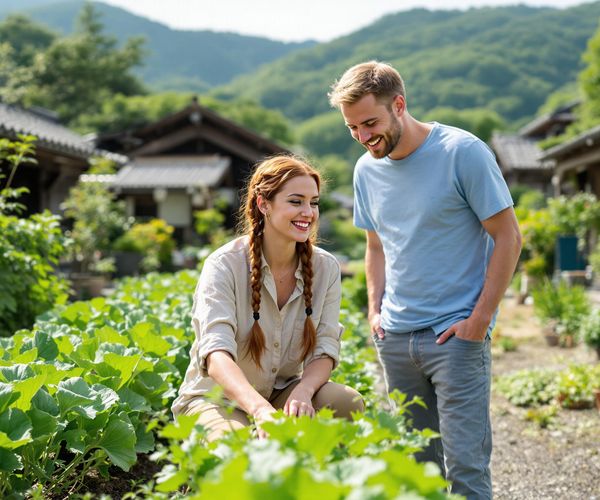
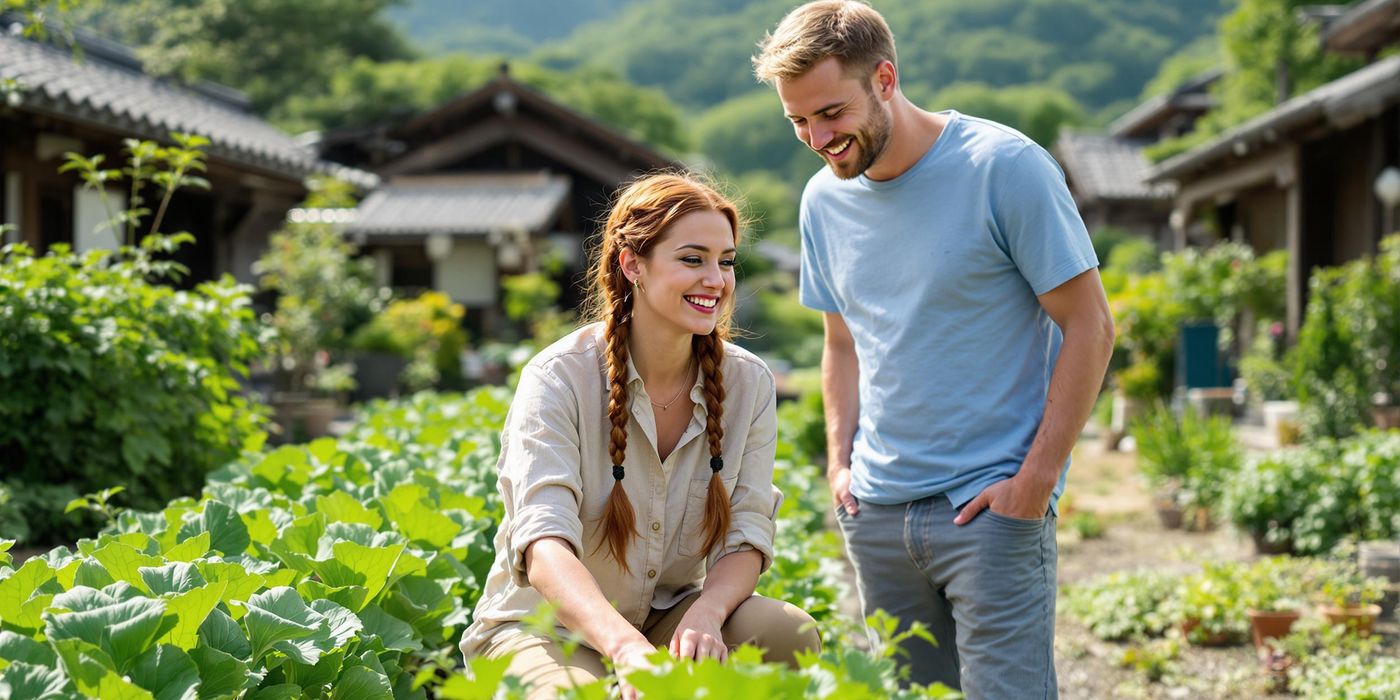
I remember once, while exploring a quiet neighborhood in Kyoto, Japan, I came across a small, meticulously maintained community garden tucked away between traditional wooden houses. The vibrant colors of the vegetables and flowers were a stark contrast to the surrounding buildings, and the sense of tranquility was palpable. I spent an hour chatting with the local gardeners, learning about their techniques and the importance of fresh, locally grown produce in their community. It was an experience that went beyond the typical tourist attractions, offering a genuine glimpse into the heart of the city.
There's something incredibly appealing about finding these green spaces amidst the hustle and bustle of urban environments. They offer a respite from the noise and crowds, a chance to reconnect with nature, and a reminder of the importance of sustainability in our increasingly urbanized world.
Sustainability in Bloom: The Environmental Benefits
Urban gardens offer numerous environmental benefits, making our cities more sustainable and resilient. One of the most significant is their ability to reduce the urban heat island effect. Plants absorb sunlight and release water vapor through transpiration, which cools the surrounding air. By increasing the amount of green space in cities, we can mitigate the rising temperatures caused by climate change and improve the overall quality of life for urban residents.
Moreover, urban gardens play a crucial role in promoting biodiversity. They provide habitats for pollinators like bees and butterflies, which are essential for the health of our ecosystems. By planting a variety of native plants, urban gardeners can attract a diverse range of wildlife, creating a vibrant and thriving urban ecosystem. In addition, many urban gardens are embracing regenerative practices, such as composting and water conservation. Composting reduces waste and enriches the soil, while water conservation techniques, like rainwater harvesting, minimize water usage and promote sustainability.
Community Roots: Connecting with Locals Through Gardening
Beyond their environmental benefits, urban gardens serve as community hubs, fostering social interaction and a sense of belonging. I've found that participating in local gardening initiatives is a fantastic way to connect with residents and learn about their culture and traditions. In a community garden in Buenos Aires, Argentina, I worked alongside locals to plant and harvest vegetables. Despite the language barrier, we shared laughter, stories, and a sense of camaraderie. It was a powerful reminder that gardening can transcend cultural differences and bring people together.
By supporting local and ethical tourism, engaging with community gardens is a great way to give back to the places we visit. When we buy produce from local farmers markets or volunteer in community gardens, we're directly supporting the local economy and promoting sustainable practices. It's a win-win situation for both travelers and the communities they visit.
Cities with Flourishing Urban Gardens: A Traveler's Guide
Many cities around the world are embracing urban gardening, each with its own unique approach and initiatives. Here are a few examples that I've found particularly inspiring:
- Detroit, USA: Once plagued by urban decay, Detroit has experienced a resurgence in recent years, thanks in part to its thriving urban gardening movement. Community gardens and urban farms are transforming vacant lots into productive green spaces, providing fresh produce and employment opportunities for residents.
- Havana, Cuba: Due to economic challenges, Havana has a long history of urban agriculture. Organopónicos, or urban organic gardens, are a common sight in the city, providing a vital source of food for residents. These gardens not only enhance food security but also promote sustainable agriculture practices.
- Singapore: Known as the Garden City, Singapore has invested heavily in creating green spaces throughout the city. Rooftop gardens, vertical gardens, and community gardens are integrated into the urban landscape, promoting biodiversity and enhancing the quality of life for residents.
- Paris, France: Paris is rapidly expanding its urban gardening efforts, with rooftop farms, community gardens, and green walls popping up throughout the city. The city aims to become a leader in urban agriculture, promoting sustainable food production and creating greener, more livable neighborhoods.
Also, don't miss the Grow Urban Festival in London, a celebration of urban ecology showcasing innovative approaches to sustainable living.
Tips for the Traveling Gardener: How to Get Involved
If you're a traveler interested in engaging with urban gardens during your trips, here are a few practical tips:
- Research local community gardens: Before you travel, research community gardens or urban farms in the area you'll be visiting. Many cities have online directories or maps that can help you locate these green spaces.
- Volunteer your time: Consider volunteering at a local community garden. It's a great way to meet locals, learn about gardening practices, and give back to the community. Many gardens welcome volunteers of all skill levels.
- Visit local farmers markets: Support local farmers markets and purchase produce from urban gardens. It's a great way to taste fresh, locally grown food and support sustainable agriculture.
- Incorporate sustainable practices into your daily life: Take inspiration from urban gardens and incorporate sustainable practices into your daily life. Start composting, conserve water, and grow your own herbs or vegetables, even if you only have a small space.
Urban gardening offers a unique and rewarding way to connect with nature, culture, and community during your travels. By seeking out these green spaces and engaging with local initiatives, you can enrich your travel experiences and contribute to a more sustainable future. So, pack your bags, grab your gardening gloves, and get ready to explore the urban oases of the world!
Discover how urban gardening can be a part of your travel adventures and connect you with local communities.