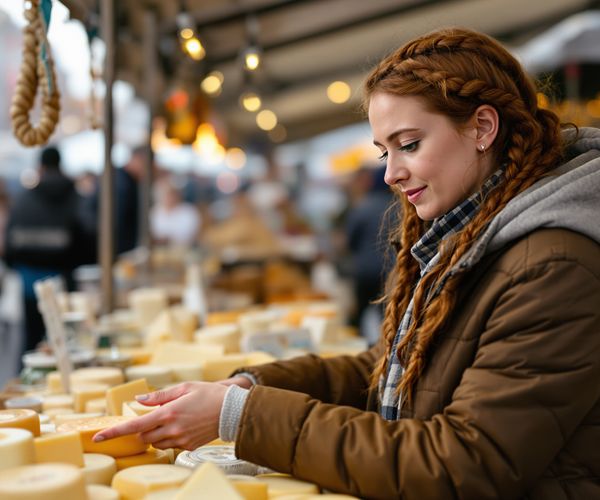
Hey fellow travelers! Emily here, ready to whisk you away on a culinary journey that's as good for the planet as it is for your taste buds. As an environmental consultant and avid explorer, I've learned that some of the most enriching travel experiences come from connecting with local cultures through their food. But let's face it, our food choices have a significant impact on the environment. So, how can we indulge in delicious global cuisines while also treading lightly on our planet? Let's dive in!
The Importance of Sustainable Eating While Traveling
When we travel, our food choices have a ripple effect. Think about it: importing ingredients from halfway across the world contributes to carbon emissions, and supporting unsustainable farming practices can harm local ecosystems. By choosing to eat locally and sustainably, we can minimize our environmental impact, support local economies, and preserve cultural heritage. It's a win-win-win!
One concept that's really stuck with me is 'food miles' – the distance your food travels from farm to plate. The longer the distance, the bigger the carbon footprint. Opting for local ingredients drastically reduces these miles, making a significant difference.
Discovering Authentic Local Food Experiences
Before you even pack your bags, do a little digging into the local cuisine. What are the regional specialties? What ingredients are in season? Websites like TasteAtlas are great for this!
Once you arrive, head straight for the local markets and food stalls. These are treasure troves of authentic flavors and a fantastic way to connect with local vendors. Don't be afraid to ask for recommendations – locals always know the best hidden culinary gems!
Consider joining a local food tour or cooking class. These experiences offer a hands-on way to learn about the cuisine and culture, plus you get to eat some amazing food!
Identifying Sustainable Eateries and Markets
So, how do you spot a sustainable eatery? Look for restaurants that prioritize ethical sourcing and farm-to-table practices. Check if they have certifications like 'Fair Trade' or 'USDA Organic'. These labels indicate a commitment to sustainable and ethical practices.
Pay attention to the menu. Does it highlight locally sourced and seasonal ingredients? Are there vegetarian or vegan options? These are good signs that the restaurant is conscious of its impact.
Also, keep an eye out for restaurants with waste reduction and recycling programs. Some restaurants even compost their food waste!
Emily's Favorite Sustainable Food Experiences
One of my most memorable food experiences was in Tuscany, Italy. David and I stumbled upon a tiny family-run trattoria nestled in the rolling hills. They grew most of their own produce and made their pasta fresh daily. The flavors were incredible, and it was so rewarding to support a local business that was committed to sustainability.
Another time, in Thailand, I took a cooking class at an organic farm. We learned how to make traditional Thai dishes using ingredients we harvested ourselves. It was an amazing way to connect with the local culture and learn about sustainable farming practices.
Practical Tips for Sustainable Food Choices on the Road
Small changes can make a big difference. Bring a reusable water bottle, utensils, and containers to minimize waste. I always pack a set in my carry-on!
Opt for plant-based meals whenever possible. Reducing your meat consumption is one of the most effective ways to lower your environmental footprint.
Share dishes or order smaller portions to avoid food waste. And if you do have leftovers, ask if you can take them with you. Many restaurants are happy to accommodate.
Trying to learn a few basic phrases in the local language can go a long way in communicating with vendors and understanding menus. It also shows respect for the local culture.
The Impact of Food Choices on Local Economies
When you choose local food, you're directly supporting small farmers and businesses. This helps to create jobs, boost local economies, and preserve traditional food systems.
Food tourism can be a powerful force for good. By seeking out authentic local food experiences, you're contributing to the economic well-being of the community.
Sustainable food practices can also help to create a more resilient and equitable food system. By supporting these practices, you're investing in a better future for everyone.
Learn how to enjoy authentic local cuisines while supporting sustainable food practices and reducing your environmental impact. Discover sustainable eateries and markets.