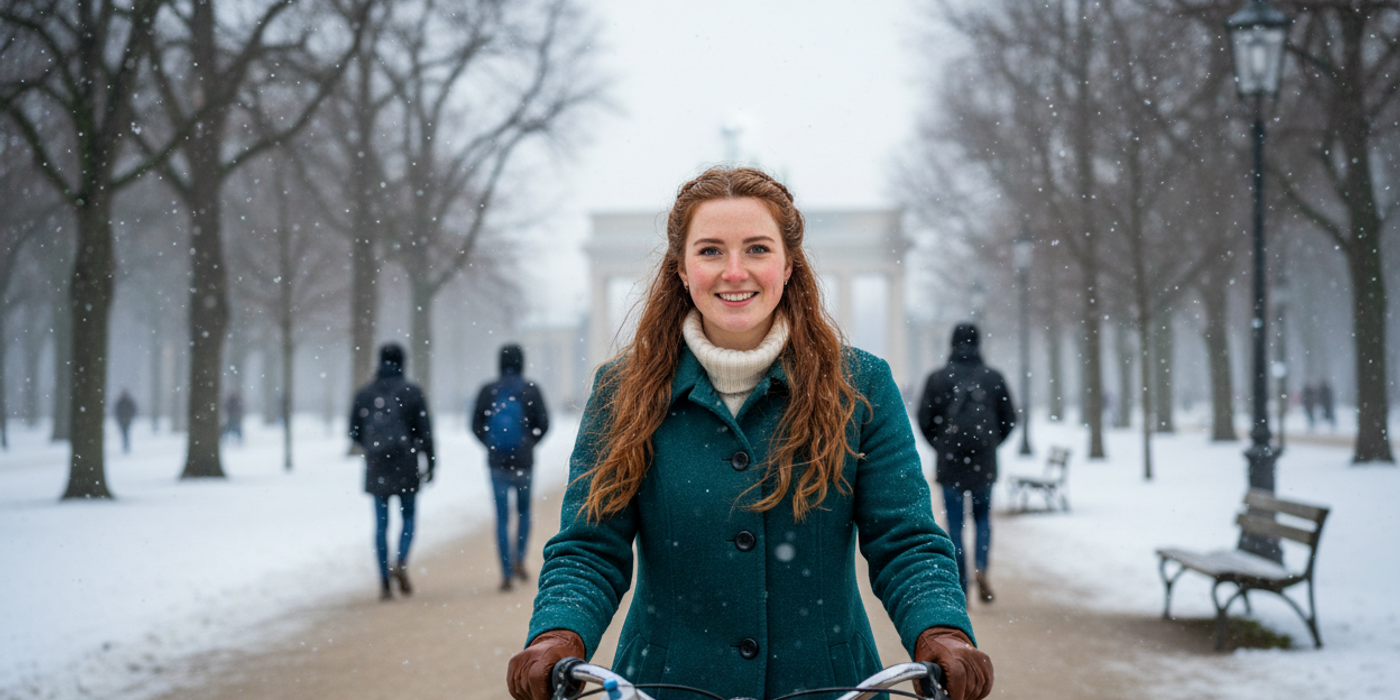
Berlin, February 10, 2026 – The crisp winter air nips at my cheeks as I cycle through Tiergarten, the city's green lung. The bare trees reach towards the sky, their branches like intricate lacework against the pale winter light. It’s moments like these, where I can truly appreciate the beauty of slowing down, of savoring the journey rather than rushing to the destination. My own journey from small-town Indiana to bustling Berlin has taught me the value of embracing the present moment, a philosophy that I've wholeheartedly adopted in my travels. This is the essence of slow travel, and it’s something I'm eager to share with you.
What is Slow Travel?
Slow travel is more than just a trend; it's a conscious decision to prioritize quality over quantity, connection over checklists. In a world obsessed with speed and efficiency, it's about hitting the pause button and savoring the details. It’s about shifting your focus from simply ‘seeing’ a place to truly ‘experiencing’ it. Think of it as the antidote to the whirlwind tours where you're herded from one landmark to another, barely scratching the surface of what a destination has to offer.
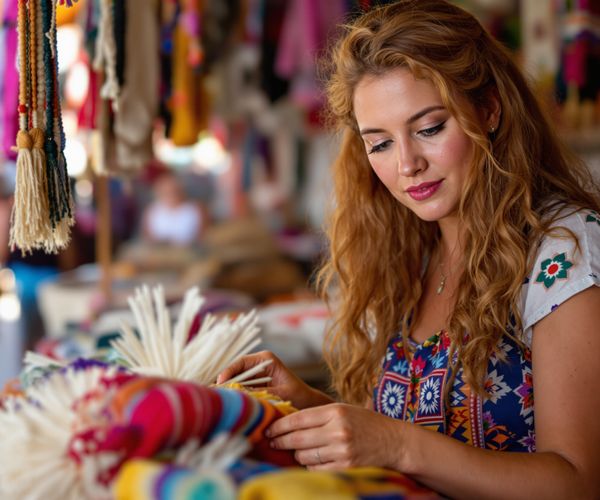
Instead of racing through a packed itinerary, slow travel encourages you to linger. To spend an afternoon chatting with a local artisan, to get lost in the maze of a vibrant market, or to simply sit in a park and observe the rhythm of daily life. It's about immersing yourself in the culture, connecting with the people, and allowing yourself to be surprised by the unexpected. It’s a rejection of the idea that travel is a race to see the most places in the shortest amount of time, and an embrace of the idea that travel is a journey of discovery, both outward and inward.
The Allure of Taking it Slow
For me, the allure of slow travel lies in its ability to transform a vacation into a truly enriching experience. It's about more than just seeing the sights; it's about connecting with the soul of a place. One of the most significant personal benefits is the reduced stress. Instead of rushing from place to place, constantly checking my watch, I can relax and enjoy the moment. This slower pace allows me to be more present, more mindful, and ultimately, more rejuvenated.
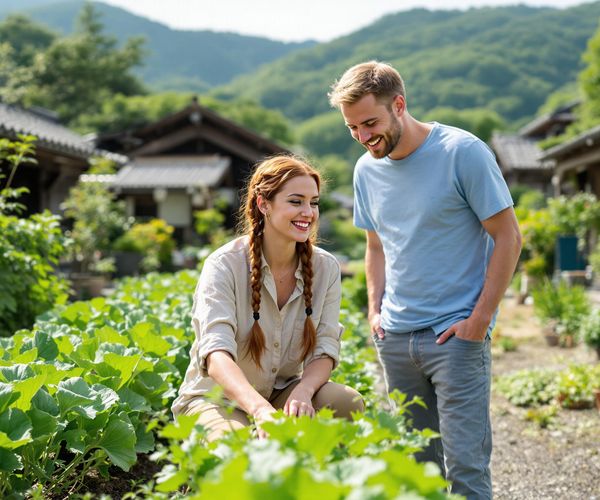
I remember a trip David and I took to the Black Forest in Germany. We decided to ditch the car and explore the region on foot and by bicycle. We spent days hiking through the dense forests, stopping at small villages along the way. We stayed in family-run guesthouses, ate traditional meals prepared with local ingredients, and chatted with the friendly locals. It was during that trip that I truly understood the power of slow travel. We weren't just seeing the Black Forest; we were experiencing it, connecting with it on a deeper level. The memories from that trip are far more vivid and meaningful than any whirlwind tour I've ever taken.
Beyond the personal benefits, slow travel offers the opportunity for deeper cultural immersion and more authentic experiences. When you slow down, you have the chance to connect with locals, learn about their traditions, and understand their way of life. You might find yourself sharing a meal with a family, learning a new skill from a local artisan, or simply having a conversation with a stranger in a café. These are the moments that make travel truly special, the moments that stay with you long after you've returned home.
Sustainability and Responsible Exploration
As an environmental consultant, sustainability is always at the forefront of my mind, and I believe that slow travel aligns perfectly with sustainable tourism principles. By choosing slower modes of transportation, such as trains, buses, or bicycles, you can significantly reduce your carbon footprint. You're also more likely to support local businesses, eat at locally-owned restaurants, and stay in smaller, eco-friendly accommodations. This helps to ensure that your tourism dollars are directly benefiting the community, rather than lining the pockets of large corporations.
When planning a slow travel trip, consider the environmental impact of your choices. Pack light to reduce fuel consumption, bring a reusable water bottle and shopping bag to minimize waste, and choose accommodations that have implemented sustainable practices. Respect the local ecosystems by staying on marked trails, avoiding single-use plastics, and being mindful of your water usage. By making conscious choices, you can help to protect the environment and ensure that future generations can enjoy the same beautiful destinations that we do.
Incorporating Slow Travel into a Busy Life
I know what you might be thinking: “Slow travel sounds amazing, but I don’t have the time for that!” It’s true that slow travel requires a shift in mindset, but it doesn't necessarily require a lot of time. Even if you only have a few days for a trip, you can still incorporate elements of slow travel into your itinerary. The key is to prioritize quality over quantity and to be intentional about how you spend your time.
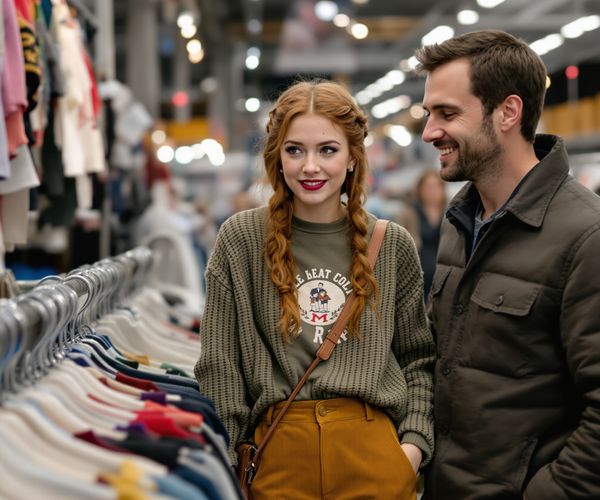
Instead of trying to see all the major attractions in a city, focus on exploring one neighborhood in depth. Get lost in the side streets, visit local shops, and strike up conversations with the residents. Choose destinations that are conducive to slow travel, such as small towns or quieter cities. These places often offer a more authentic and immersive experience than bustling tourist hotspots. And most importantly, be flexible and spontaneous. Don't be afraid to deviate from your plan if something interesting catches your eye. Some of the best travel experiences happen when you least expect them.
Finding the Right Rhythm: Activities for the Slow Traveler
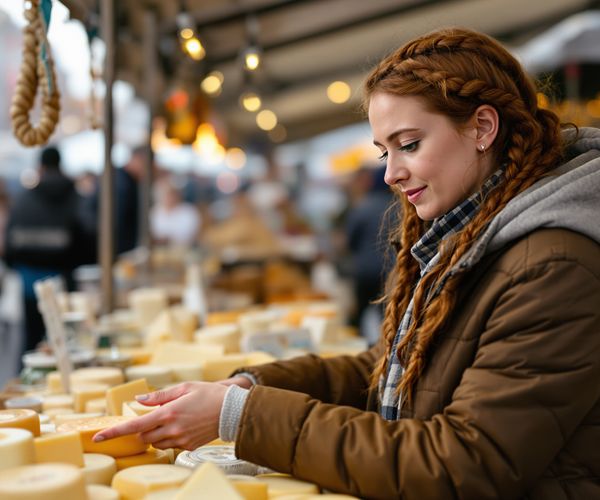
So, what kinds of activities are best suited for the slow traveler? Anything that promotes connection, immersion, and a deeper understanding of the local culture. Exploring local markets is a fantastic way to experience the sights, smells, and tastes of a destination. Taking a cooking class allows you to learn about the local cuisine and connect with the people who prepare it. Volunteering in the community is a meaningful way to give back and make a positive impact. And of course, simply spending time interacting with locals is invaluable. Ask them about their lives, their traditions, and their favorite places to visit. You'll be surprised at how much you can learn.
When it comes to savoring local cuisine, don't just eat at the tourist traps. Seek out small, family-run restaurants where you can try authentic dishes prepared with local ingredients. Visit a local bakery and sample the regional specialties. Attend a food festival and learn about the culinary traditions of the area. And when exploring nature, take your time. Hike through the forests, stroll along the beaches, and observe the wildlife. Stop and appreciate the beauty of your surroundings. Breathe in the fresh air and listen to the sounds of nature. These are the moments that will stay with you long after you've returned home. Embrace the journey, and you'll discover a whole new world of travel experiences.
Discover the joys of slow travel: connect with cultures, savor local life, and explore sustainably. Emily Smith shares her insights on immersive journeys.