Berlin, February 12, 2025 – The scent of freshly baked Brot fills the air as I sit in my favorite café in Prenzlauer Berg, reflecting on my recent travels. David and I have always prioritized experiences over destinations, a philosophy that has led us to embrace the art of slow travel. It's more than just a trend; it's a conscious choice to connect deeply with the world around us.
What is Slow Travel?
Slow travel is a deliberate departure from the whirlwind tours that define conventional tourism. It's about savoring each moment, immersing yourself in the local culture, and fostering genuine connections with the people and places you encounter. Instead of rushing from one landmark to another, ticking off items on a checklist, slow travel encourages you to linger, to explore, and to truly experience a destination.
The philosophy behind slow travel emphasizes quality over quantity. It's about taking the time to appreciate the small details, to engage with the local community, and to understand the history and culture of a place. It’s about trading the superficial for the substantial, the fleeting for the lasting.
The benefits of slow travel extend far beyond the simple enjoyment of a leisurely vacation. Studies have shown that it can significantly improve your personal well-being and mental health. By slowing down, you reduce stress, increase mindfulness, and cultivate a deeper sense of gratitude. You also open yourself up to new perspectives and a greater understanding of the world.
The Allure of Immersion: Connecting with Local Cultures
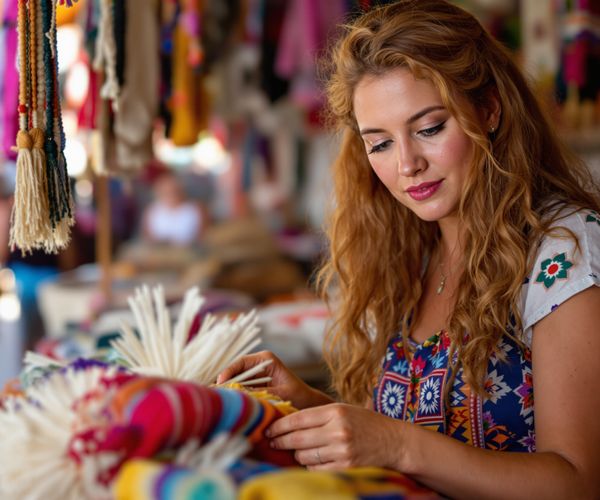
One of the most rewarding aspects of slow travel is the opportunity to connect with local cultures on a deeper level. When you take the time to immerse yourself in a community, you gain a unique insight into its traditions, values, and way of life. This can lead to transformative experiences and a profound sense of connection.
There are countless ways to immerse yourself in local cultures during your travels. Consider taking a cooking class to learn about regional cuisine, participating in a language exchange to practice your language skills, or volunteering with a local organization to give back to the community. These experiences will not only enrich your understanding of the culture but also create lasting memories.
When engaging with local cultures, it's essential to be respectful of customs and traditions. Take the time to learn about local etiquette and be mindful of your behavior. This will not only show respect for the local community but also enhance your experience and create opportunities for genuine connection.
Sustainable Slow Travel: Minimizing Your Footprint
Slow travel aligns perfectly with sustainable tourism practices. By traveling at a slower pace, you can reduce your environmental impact and support local economies. This is particularly important in a world facing increasing environmental challenges.
One of the most significant environmental benefits of slow travel is the reduction of carbon emissions. Opting for eco-friendly transportation options, such as trains, buses, and bicycles, can significantly lower your carbon footprint compared to flying. Additionally, choosing accommodations and activities that prioritize sustainability can further minimize your impact.
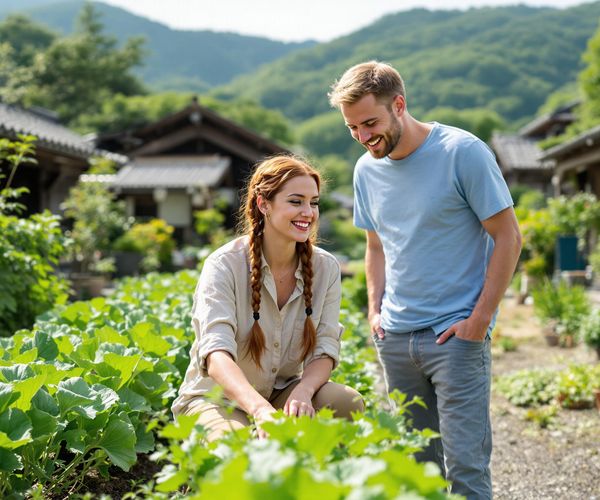
When planning your slow travel itinerary, look for accommodations that are committed to sustainable practices, such as using renewable energy, conserving water, and reducing waste. Seek out activities that support local communities and protect the environment, such as ecotours, farm-to-table dining experiences, and volunteer opportunities.
Destinations Perfect for Slow Travel
Many destinations around the world are ideally suited for slow travel. Rural villages offer a glimpse into traditional ways of life, while national parks provide opportunities to connect with nature. Historical cities, with their rich history and cultural heritage, invite exploration and discovery.
For example, the Cotswolds in England, with its charming villages and rolling hills, is perfect for a leisurely walking tour. Kyoto, Japan, with its serene temples and traditional gardens, offers a tranquil escape from the hustle and bustle of modern life. And the Cinque Terre in Italy, with its colorful villages clinging to the Ligurian coastline, invites you to slow down and savor the beauty of the Italian Riviera.
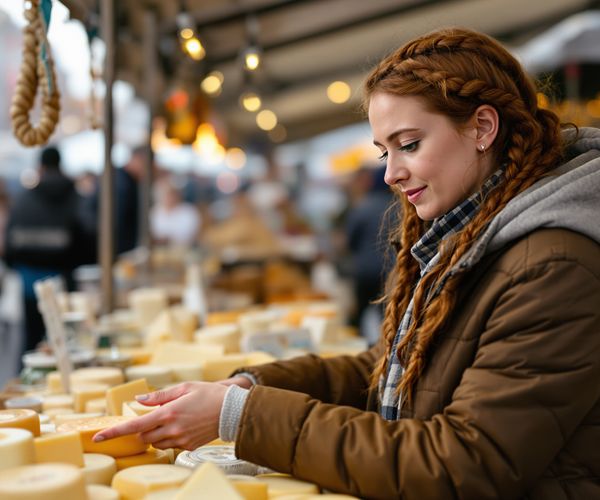
When choosing a destination for slow travel, consider the unique attractions and experiences it offers. Look for opportunities to connect with the local environment and culture, whether it's hiking through a national park, visiting a local market, or attending a traditional festival.
Planning Your Slow Travel Itinerary
Planning a slow travel itinerary requires a different approach than planning a conventional vacation. Instead of trying to cram as much as possible into a short amount of time, focus on choosing fewer destinations and staying longer in each place. This will allow you to truly immerse yourself in the local culture and experience the destination at a deeper level.
Flexibility and spontaneity are also essential elements of slow travel. Be open to changing your plans and embracing unexpected opportunities. Some of the most memorable travel experiences come from unplanned moments and serendipitous encounters.
There are many resources available to help you find local experiences and accommodations for your slow travel itinerary. Websites like Airbnb and VRBO offer a wide range of unique accommodations, while local tourism boards and community organizations can provide information on local events and activities.
Embracing the Unexpected: The Joys of Unplanned Moments
One of the greatest joys of slow travel is the opportunity to embrace the unexpected. When you're not rushing from one place to another, you have more time to wander, to explore, and to discover hidden gems. These unplanned moments often lead to the most memorable travel memories.
I remember once, while traveling through the French countryside, David and I stumbled upon a small village festival. We spent the afternoon dancing with the locals, sampling regional delicacies, and learning about the village's history. It was an experience we never could have planned, and it remains one of our most cherished travel memories.
So, I encourage you to embrace spontaneity and be open to new experiences during your travels. You never know what unexpected encounters and discoveries await you. These unplanned moments can lead to the most rewarding and transformative travel experiences.
Discover the benefits of slow travel and how taking your time can lead to more enriching travel experiences by fostering deeper connections with local cultures and communities.