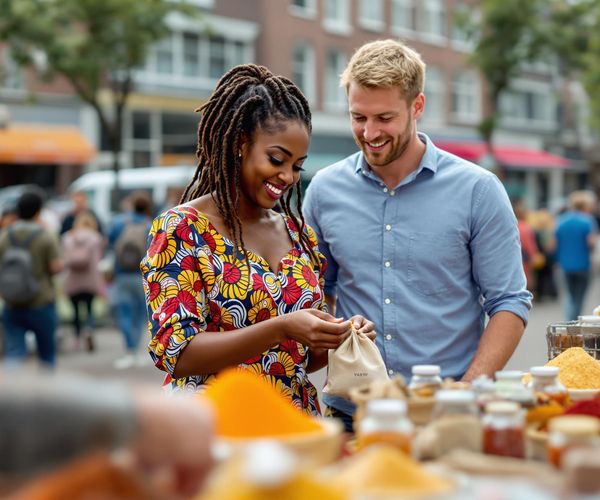
Jambo from Amsterdam! Or should I say, hallo? As a Kenyan woman living in the Netherlands, I've learned that travel is so much more than just seeing new places. It's about understanding our impact and making choices that benefit the communities we visit. Join me as I share insights on how to travel responsibly, ensuring our adventures leave a positive mark.
The Essence of Responsible Travel
Responsible travel is about being mindful of the impact our journeys have on the environment, local cultures, and economies. It's recognizing that tourism isn't just about ticking off bucket list items; it's about fostering a deeper connection with the world around us. In today's interconnected world, our travel choices reverberate far beyond our personal experiences. As travelers, we have the power to minimize harm and enrich the communities we visit. It's a shift towards conscious choices, prioritizing sustainable practices and respectful engagement.
Respectful Interactions: A Two-Way Street
Cultural sensitivity is the cornerstone of responsible travel. Before you even pack your bags, take the time to learn about the customs, traditions, and social norms of your destination. Understanding these nuances can transform your trip from a superficial visit into a meaningful exchange. Simple gestures can go a long way. Learning a few basic phrases in the local language shows respect and a willingness to connect. Dressing appropriately, according to local standards, demonstrates cultural awareness. Always ask for permission before taking photos of people or sacred sites; a little consideration can prevent unintended offense. Remember, respectful interactions are a two-way street; they require us to listen, observe, and adapt.
Supporting Local Economies: More Than Just Souvenirs
Tourist spending has a direct impact on local economies, and we have the power to ensure that impact is positive. Opting for locally-owned accommodations, restaurants, and shops channels your money directly into the hands of residents and small business owners. Forget mass-produced trinkets; seek out authentic souvenirs crafted by local artisans. This not only supports their livelihoods but also preserves traditional skills and craftsmanship. By making conscious choices about where we spend our money, we can help create a more equitable and sustainable tourism industry.
Cultural Immersion and Community Engagement
True travel magic happens when we immerse ourselves in the local culture and engage with the community. Instead of just being a spectator, become a participant. Attend local festivals, take part in traditional activities, and sign up for tours led by local guides. These experiences offer a glimpse into the heart and soul of a place, fostering mutual understanding and stronger ties between tourists and local communities. Consider volunteering for local community projects or conservation efforts. Whether it's helping to clean up a beach, plant trees, or support a local school, these initiatives allow you to give back to the places you visit, leaving a positive legacy behind.
Minimizing Environmental Impact: Leave No Trace
Responsible travel also means minimizing our environmental impact. Reducing your carbon footprint is a crucial step. Opt for eco-friendly transportation options like trains, buses, or bicycles whenever possible. Choose accommodations that prioritize sustainability, such as eco-lodges or hotels with green initiatives. Conserving resources is another key aspect of responsible travel. Reduce waste by using refillable water bottles, avoiding single-use plastics, and properly disposing of trash. Respect wildlife and ecosystems by avoiding activities that exploit animals or damage natural habitats. Never purchase products made from endangered species, and always observe animals from a safe distance. Remember, our goal is to leave no trace behind, preserving the natural beauty of our destinations for future generations.
Explore responsible travel: minimize negative impacts, respect cultures, support local economies, engage in communities, and reduce your environmental footprint.