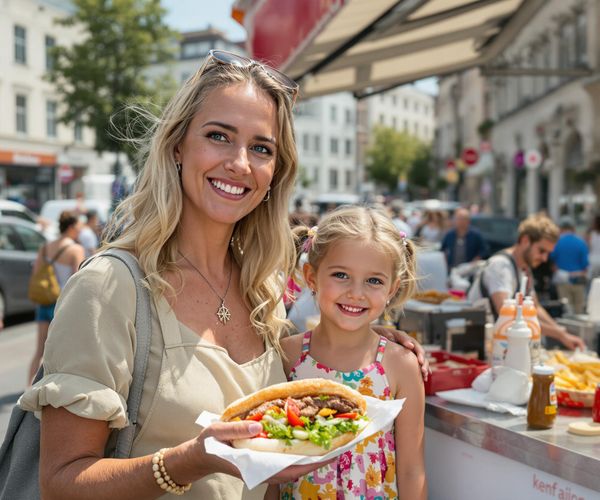
As a Norwegian transplant living in Berlin, I've always been fascinated by the tapestry of human cultures. My upbringing in the serene landscapes of Fyresdal instilled in me a deep appreciation for nature and storytelling, which naturally led me to the captivating world of cultural anthropology. Travel, for me, isn't just about seeing new places; it's about understanding the people who call those places home.
What is Cultural Anthropology?
Cultural anthropology is the study of human societies and cultures and their development. It's about understanding the similarities and differences between people around the world. For travelers, it's a powerful tool that transforms a simple vacation into a profound learning experience. Instead of just seeing the sights, you begin to understand the stories behind them, the traditions that shaped them, and the values that drive the local community.
At its core, cultural anthropology operates on principles like cultural relativism, the idea that a person's beliefs, values, and practices should be understood based on that person's own culture, rather than be judged against the criteria of another. It also embraces holism, emphasizing the importance of studying all aspects of a culture to gain a comprehensive understanding. By embracing these principles, we can approach new cultures with respect and openness, ready to learn and connect.
Observation: The Art of Seeing
Observation is the cornerstone of cultural anthropology and a vital skill for any traveler seeking deeper understanding. It's more than just looking; it's about seeing, interpreting, and appreciating the nuances of daily life around you.
Start by observing the everyday. How do people greet each other? What are the dress codes in different settings? What is considered appropriate behavior in public spaces? These seemingly small details offer valuable insights into the underlying values and norms of a culture. For example, the way people queue for a bus, the gestures they use while conversing, or the items they purchase at the market can all reveal important cultural information.
Pay attention to social interactions. How do families interact? What roles do elders play in the community? How are conflicts resolved? Observing these interactions can help you understand the social structures and power dynamics at play.
Participation: Immersing Yourself Ethically
Participant observation takes observation a step further by actively engaging in local activities and traditions. It's about immersing yourself in the culture, not just as a spectator, but as a temporary participant.
When participating, it's crucial to do so respectfully and ethically. Always seek consent before joining in activities, and be mindful of privacy. Avoid actions that could be seen as cultural appropriation or disrespectful to local customs. Remember, you are a guest, and your behavior should reflect that. For example, if you're invited to a local ceremony, dress appropriately, follow the lead of the locals, and ask questions if you're unsure about something.
Consider taking a cooking class to learn about local cuisine, volunteering with a community project, or attending a traditional music performance. These experiences offer unique opportunities to connect with locals and gain a deeper understanding of their culture.
Reflection: Processing and Understanding
Reflection is the often-overlooked, yet essential, final step in the anthropological travel process. It's about taking the time to process your experiences, analyze your observations, and draw meaningful conclusions.
Journaling is a powerful tool for reflection. Take some time each day to write down your observations, thoughts, and feelings. What surprised you? What challenged your assumptions? What did you learn about yourself? Meditation and mindful conversations can also be valuable methods for reflection. Discuss your experiences with fellow travelers or locals, and listen to their perspectives.
Reflection leads to personal growth and a broader worldview. It allows you to challenge your own biases, develop empathy for others, and appreciate the diversity of human cultures. It transforms travel from a superficial experience into a journey of self-discovery.
Practical Tips for the Anthropological Traveler
Before you even pack your bags, do your research. Learn about the customs, etiquette, and local laws of your destination. Understanding these basics will help you avoid misunderstandings and show respect for the local culture.
Learning a few basic phrases in the local language can go a long way in facilitating interactions. Even simple greetings like hello, thank you, and excuse me can create a sense of connection and show your willingness to engage with the local culture.
Most importantly, be open-minded, respectful, and adaptable. Be prepared to encounter new and unfamiliar situations, and approach them with curiosity and a willingness to learn. Embrace the unexpected, and be open to changing your plans if necessary. Remember, the goal is not just to see the world, but to understand it.
Explore cultural anthropology as a tool for travelers. Observation, participation, and reflection are key to fostering empathy and understanding in global travel.