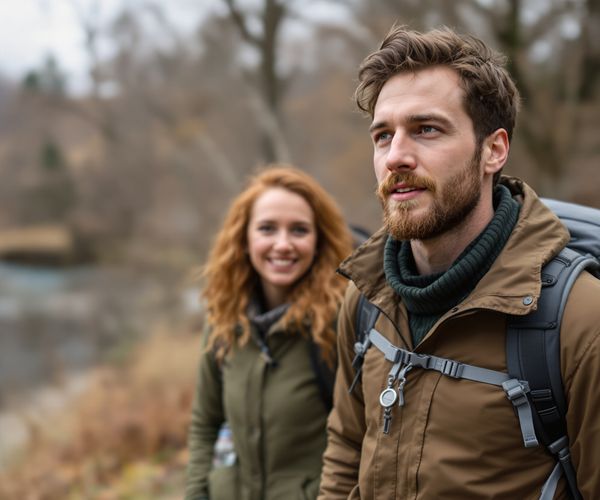
The crisp air, the rustling leaves, the crunch of gravel beneath your boots – these are the sounds and sensations that draw me back to the trail time and again. As a sound engineer, I'm particularly attuned to the nuances of the natural world, and hiking offers an unparalleled opportunity to immerse myself in its acoustic tapestry. With my wife, Lena, by my side, I've explored trails near our home in Potsdam and beyond. Now, I want to share some tips to help you embark on your own hiking adventures.
The Allure of the Trail: Why Hiking?
Hiking is more than just a walk in the woods; it's a reset for the mind and a workout for the body. The physical benefits are obvious – improved cardiovascular health, stronger muscles, and increased endurance. But for me, the mental benefits are even more profound. There's something incredibly liberating about disconnecting from the digital world and reconnecting with nature. The focus required to navigate a trail quiets the mental chatter and allows me to be present in the moment.
I remember one particular hike with Lena in the Swiss Alps. We were surrounded by towering peaks and the sound of cowbells echoing through the valleys. The air was so clean and fresh, and the silence, broken only by the wind and the occasional bird call, was deafening in the best possible way. It was during that hike that I truly understood the power of acoustic ecology – the study of soundscapes and their impact on living beings. Hiking allows you to appreciate the subtle sounds of nature, from the gentle murmur of a stream to the rustling of leaves in the wind. These sounds can be incredibly therapeutic, reducing stress and promoting a sense of well-being.
Gearing Up: Essential Hiking Equipment for Newbies
One of the biggest hurdles for beginner hikers is often the perceived cost of equipment. While it's true that some gear can be expensive, you don't need to break the bank to get started. The most important piece of equipment is a good pair of hiking shoes or boots. Look for something that provides good ankle support and traction, and make sure they're comfortable! I recommend breaking them in before hitting the trails to avoid blisters.
Comfortable clothing is also essential. Avoid cotton, which can trap moisture and leave you feeling cold and clammy. Instead, opt for synthetic fabrics or merino wool, which wick away sweat and dry quickly. Layering is key, as weather conditions can change rapidly, especially in the mountains. A base layer, a mid-layer (such as a fleece jacket), and a waterproof outer layer will keep you comfortable in a variety of conditions.
A backpack is essential for carrying water, snacks, and other essentials. Choose a size that's appropriate for the length of your hike. A 20-30 liter pack is usually sufficient for day hikes. And don't forget a water bottle or hydration reservoir! Staying hydrated is crucial, especially on longer hikes.
Safety First: Navigating the Wilderness Responsibly
Safety should always be your top priority when hiking. Before heading out, research your chosen trail and familiarize yourself with the route. Pay attention to trail markers and stay on designated paths. It's easy to get disoriented in the woods, so it's important to be aware of your surroundings.
Always carry a first-aid kit with essentials like bandages, antiseptic wipes, pain relievers, and blister treatment. Knowing basic navigation skills is also crucial. Learn how to use a map and compass, or download a reliable GPS app on your phone. And be sure to inform someone of your hiking plans, including your route and estimated return time.
Respecting wildlife is also essential. Observe animals from a distance and never feed them. Store food properly to avoid attracting unwanted visitors. And remember to leave no trace. Pack out everything you pack in, and dispose of waste properly.
Trail Selection: Finding the Perfect Hike for Beginners
Choosing the right trail is crucial for a positive hiking experience, especially for beginners. Start with shorter, easier trails with minimal elevation gain. Research trails online or consult with local hiking groups for recommendations. Websites like AllTrails are great resources for finding trails of varying difficulty levels.
Here in Potsdam, we're fortunate to have several beginner-friendly trails in the surrounding forests. The trails around Sacrower See are relatively flat and offer beautiful views of the lake. The forests near Templin also offer a variety of easy to moderate hikes. When selecting a trail, consider your fitness level and experience. Don't be afraid to start small and gradually increase the difficulty as you become more comfortable.
Hiking Etiquette: Respecting Nature and Fellow Hikers
Hiking etiquette is all about respecting nature and fellow hikers. The principles of Leave No Trace (LNT) are fundamental. This means packing out everything you pack in, minimizing campfire impacts, respecting wildlife, and leaving what you find. Stay on designated trails to avoid damaging vegetation and disturbing wildlife habitats.
When encountering other hikers, yield to those who are hiking uphill. Step aside to allow them to pass, and offer a friendly greeting. Avoid making loud noises that could disturb the peace and tranquility of the natural environment. And be respectful of private property. Stay on marked trails and avoid trespassing on private land.
Sustainable hiking practices are essential for preserving our natural resources for future generations. Consider using reusable water bottles and containers, and avoid single-use plastics. Support local businesses and organizations that are committed to environmental conservation. And spread the word about responsible hiking practices to encourage others to do the same.
Essential hiking tips for beginners, including gear recommendations and safety advice from Georgios's hiking experiences.