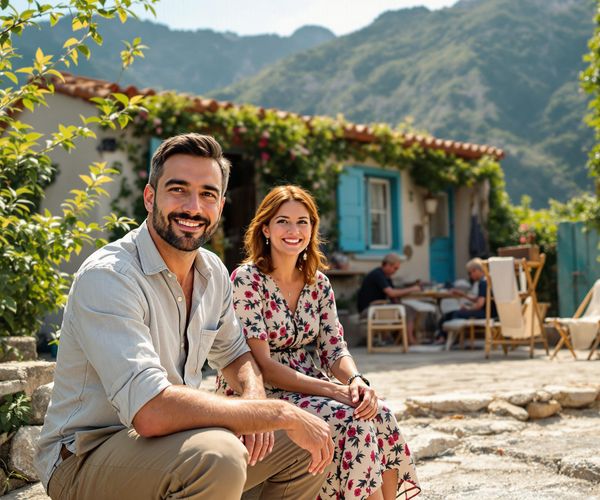
The aroma of olive oil sizzling in a pan, the vibrant colors of fresh produce, the cheerful chatter of a family gathered around a table – these are the sensory hallmarks of the Mediterranean. For me, Georgios, a Greek native now living in Potsdam, Germany, these elements aren't just about food; they're a connection to my heritage and a source of endless inspiration. Join me and my wife, Lena, as we explore how you can bring the sun-kissed flavors of the Mediterranean to your own travels.
A Symphony of Sun-Kissed Flavors: Unveiling the Essence of Mediterranean Cuisine
Mediterranean cuisine is more than just a collection of recipes; it's a celebration of fresh, simple ingredients. At its heart, you'll find olive oil – liquid gold that forms the foundation of countless dishes. Then there's the abundance of fresh produce: ripe tomatoes, juicy cucumbers, fragrant herbs like oregano and basil, and the bounty of the sea, from succulent fish to briny shellfish.
The health benefits of the Mediterranean diet are well-documented, and for good reason. It's rich in healthy fats, antioxidants, and essential nutrients, promoting heart health, longevity, and overall well-being. But beyond the nutritional aspects, it's the lifestyle that truly sets it apart. It's about savoring each bite, sharing meals with loved ones, and appreciating the simple pleasures of life.
Growing up in Livadeia, Greece, I was surrounded by these flavors and traditions. My yiayia's (grandmother's) cooking was a masterclass in simplicity. She used only the freshest ingredients, often sourced from her own garden, and transformed them into dishes that were bursting with flavor. It was a lesson in appreciating the gifts of nature and the power of simple, honest cooking.
Beyond the Plate: The Cultural Tapestry Woven into Mediterranean Meals
In the Mediterranean, food is rarely a solitary affair. It's a social and communal experience, a time for families and friends to come together, share stories, and strengthen bonds. Hospitality is paramount, and guests are always welcomed with open arms and a generous spread of food.
The history of Mediterranean cuisine is as rich and diverse as the region itself. From the ancient Greeks and Romans to the Ottoman Empire and beyond, countless civilizations have left their mark on the culinary landscape. Each culture has contributed its own unique ingredients, techniques, and traditions, resulting in a vibrant and eclectic mix.
I remember countless summer evenings spent around my family's table in Greece. The air would be filled with the aroma of grilled meats, the sound of laughter, and the clinking of glasses. These meals were more than just sustenance; they were a celebration of life, family, and community. They instilled in me a deep appreciation for the power of food to bring people together.
Athens to Algarve: A Culinary Journey Through the Mediterranean
The Mediterranean is a vast and diverse region, and each country boasts its own unique culinary identity. In Greece, you'll find dishes like moussaka, souvlaki, and spanakopita, showcasing the country's love for olive oil, feta cheese, and fresh vegetables. Italy is renowned for its pasta, pizza, and risotto, each region offering its own distinct variations. Spain delights with paella, tapas, and jamón ibérico, while Morocco tantalizes with tagines, couscous, and mint tea.
The ingredients and cooking techniques used in each region are heavily influenced by the local environment. Coastal areas rely on fresh seafood, while inland regions make use of locally grown produce and livestock. The climate also plays a crucial role, with sun-drenched summers yielding an abundance of fruits and vegetables.
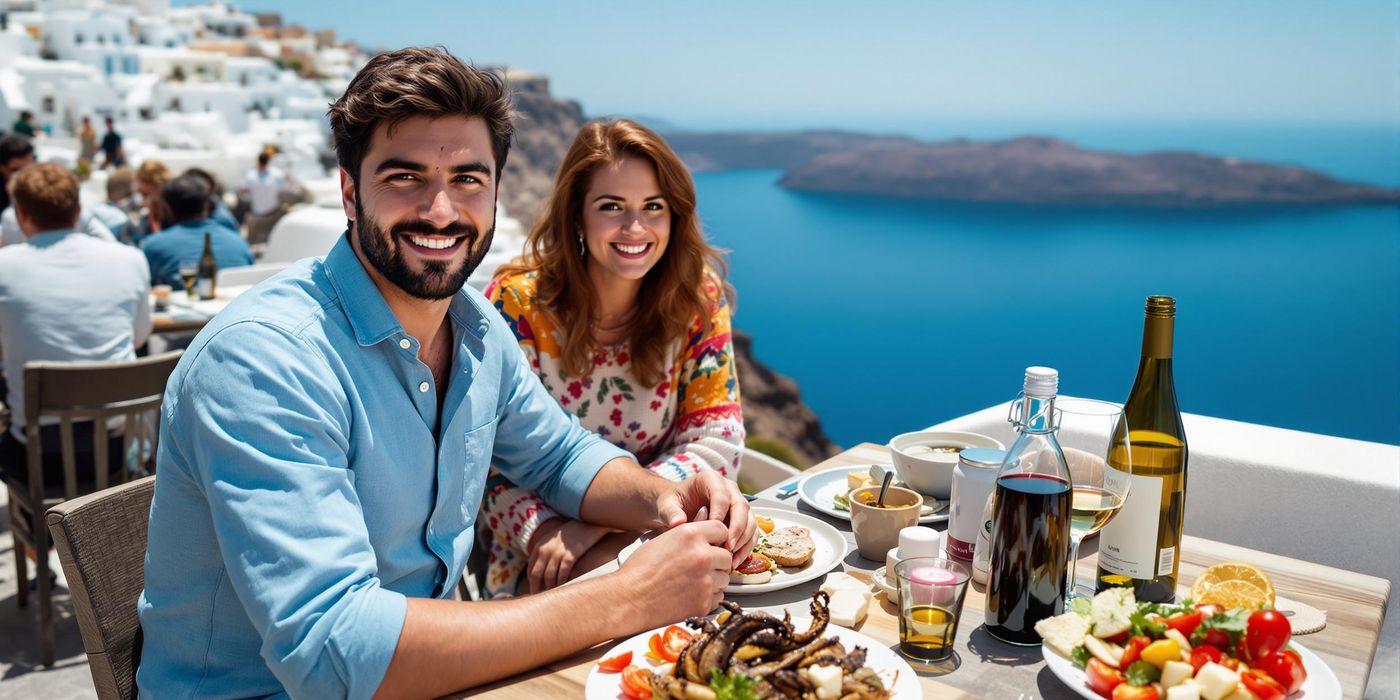
Lena and I have had the pleasure of exploring many of these culinary destinations together. One of our most memorable experiences was in Santorini, Greece, where we dined at a taverna overlooking the caldera. The food was simple but exquisite: grilled octopus, fresh tomato salad, and a bottle of local wine. The combination of the stunning views and the delicious food was simply unforgettable.
Hunting for Authenticity: Tips for Savoring True Mediterranean Flavors on Your Travels
If you're looking to experience the true flavors of the Mediterranean, it's important to venture beyond the tourist traps and seek out authentic dining experiences. One of the best ways to do this is to visit local markets, where you can sample regional specialties and interact with local vendors. Family-run tavernas are another great option, offering traditional dishes made with time-honored recipes.
When choosing a restaurant, look for signs of authenticity. Are the ingredients locally sourced? Is the menu written in the local language? Do the locals eat there? These are all good indicators that you're in for a genuine culinary experience.
Don't be afraid to engage with locals and ask for recommendations. They'll be happy to share their favorite restaurants and dishes with you. And be sure to try new things, even if you're not sure what they are. You might just discover your new favorite food.
A little bit of effort goes a long way when seeking out authentic food. Learning a few basic phrases in the local language can also enhance your experience and show respect for the local culture. Remember that dining etiquette can vary from country to country, so it's always a good idea to do your research beforehand.
The Sound of Food: Foley Art and Mediterranean Cuisine
As a sound engineer specializing in Foley art, I'm particularly attuned to the sounds of the world around me. And when it comes to Mediterranean cuisine, the sounds are just as important as the tastes and smells. The sizzle of olive oil in a pan, the chop of vegetables on a wooden board, the clinking of glasses during a toast – these are all integral parts of the Mediterranean dining experience.
These sounds contribute to the overall sensory experience, creating a sense of warmth, conviviality, and authenticity. They transport you to the heart of the Mediterranean, even if you're miles away. The rhythmic chopping of vegetables can be as soothing as waves gently lapping the shore. Each sound has its own story to tell.
I've even incorporated food-related sounds into my work as a Foley artist. The crunch of a fresh baguette, the slurp of a spoonful of soup, the pop of a cork being pulled from a bottle – these are all sounds that can add depth and realism to a film or television show. They evoke a sense of place and create a connection between the audience and the characters on screen.
Explore the rich and diverse flavors of Mediterranean cuisine and how you can incorporate them into your travel experiences.