Embracing Slow Travel: A Journey, Not Just a Destination
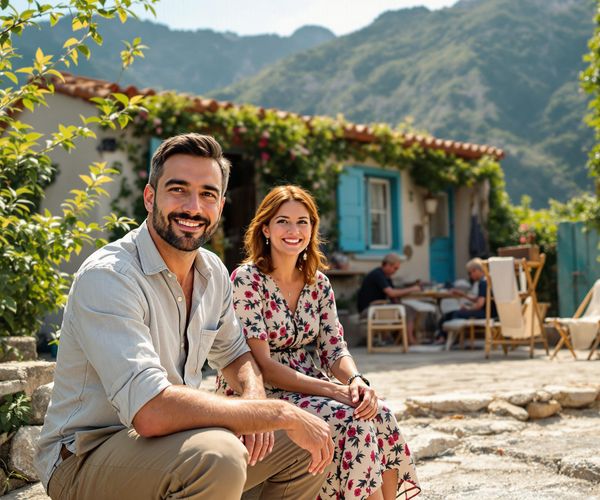
There's a certain magic to slowing down. It's something Lena and I discovered on a recent trip to the Italian countryside. Instead of hopping on a plane, we decided to take a train. The journey itself became an integral part of the experience. We watched the landscapes transform from industrial cityscapes to rolling hills dotted with vineyards.
Slow travel isn't just about the mode of transport; it's a mindset. It's about taking the time to truly immerse yourself in the local culture, to connect with the people, and to appreciate the nuances of a place. By choosing slower transportation options, you're not only reducing your carbon footprint but also opening yourself up to unexpected encounters and deeper connections.
Eco-Friendly Accommodations: Finding Green Havens
Finding accommodations that align with our values is a priority. We look for hotels and guesthouses that have green certifications or demonstrate a commitment to sustainability. It's about more than just a label; it's about finding places that actively work to minimize their environmental impact.
We once stayed at a small eco-lodge nestled in the Bavarian Alps. They had solar panels, a rainwater harvesting system, and a garden where they grew their own produce. It was inspiring to see how a business could operate in harmony with nature. Supporting accommodations like these sends a message that sustainability matters. When searching for eco-friendly stays, consider accommodations that prioritize energy conservation, waste reduction, and responsible water management. Look for certifications and read reviews to ensure their commitment is genuine.
Sustainable Transportation: Reducing Your Footprint on the Move
Beyond trains, there are many ways to minimize your environmental impact while getting around. Public transport is often a great option, allowing you to experience a city like a local. Lena and I love hopping on buses and trams, observing the daily rhythms of a place.
Cycling is another fantastic way to explore. Many cities now have bike-sharing programs, making it easy to pedal your way through the streets. And of course, there's always walking. There's no better way to discover hidden gems and soak in the atmosphere of a new place than on foot. For longer distances, we always weigh the option of train travel. While it might take longer than flying, the reduced carbon emissions make it a worthwhile choice.
Supporting Local Communities: Making a Positive Impact
One of the most rewarding aspects of sustainable travel is the opportunity to support local communities. Instead of chain restaurants, we seek out family-run tavernas where we can savor authentic cuisine. We also make a point of buying local products, whether it's handmade crafts or regional delicacies.
Engaging with local cultures respectfully is also crucial. Learning a few basic phrases in the local language can go a long way in building connections. Participating in community-based tourism initiatives, such as guided tours led by local residents, can also provide valuable insights and support the local economy. By choosing to spend our money with local businesses, we're directly contributing to their livelihoods and helping to preserve their cultural heritage.
Mindful Consumption: Traveling with Awareness
Reducing waste is a constant consideration when we travel. We always bring our own reusable water bottles, shopping bags, and eco-friendly toiletries. It's a small effort, but it adds up over time.
Packing light is another way to reduce your environmental impact. The less weight you carry, the less fuel is needed to transport you. We've become masters of minimalist packing, carefully curating our wardrobes to maximize versatility and minimize bulk. Every little bit helps in reducing fuel consumption during transportation.
Respecting Nature: Preserving the Beauty Around Us
As travelers, we have a responsibility to protect the natural environments we visit. When hiking, we always follow Leave No Trace principles, ensuring that we leave the area as we found it. This means packing out all trash, staying on marked trails, and avoiding disturbing wildlife.
It's also important to be mindful of the activities we participate in. Avoiding activities that harm animals or damage ecosystems is crucial. Responsible tourism is about appreciating the beauty of nature without compromising its integrity. Lena and I are always humbled by the beauty of the natural world, and we believe it's our duty to protect it for future generations.
Practical tips for sustainable travel, ensuring your adventures benefit the environment and local communities.