The Essence of Travel Photography: More Than Just Pretty Pictures
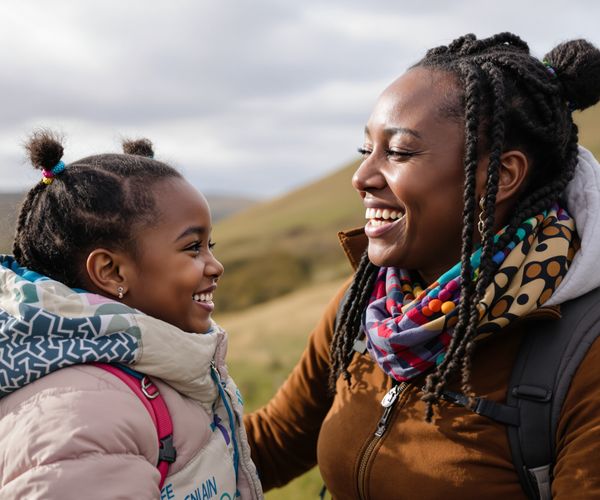
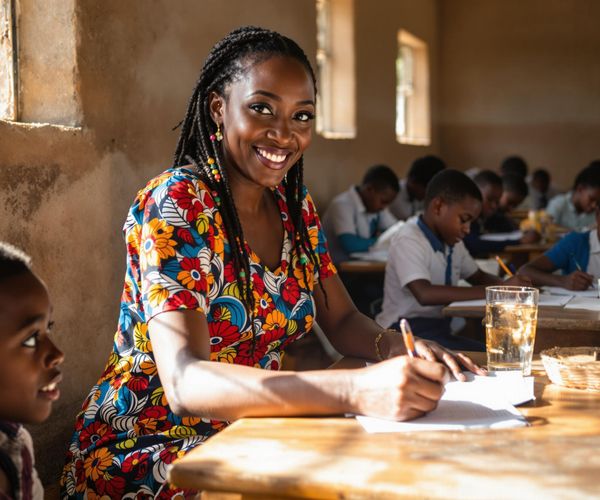
For me, travel photography is more than just snapping a picture of a famous landmark. It's about capturing the soul of a place, the feeling you get when you're truly immersed in a new culture. It's about documenting the connections you make and the stories you witness along the way. {image1}
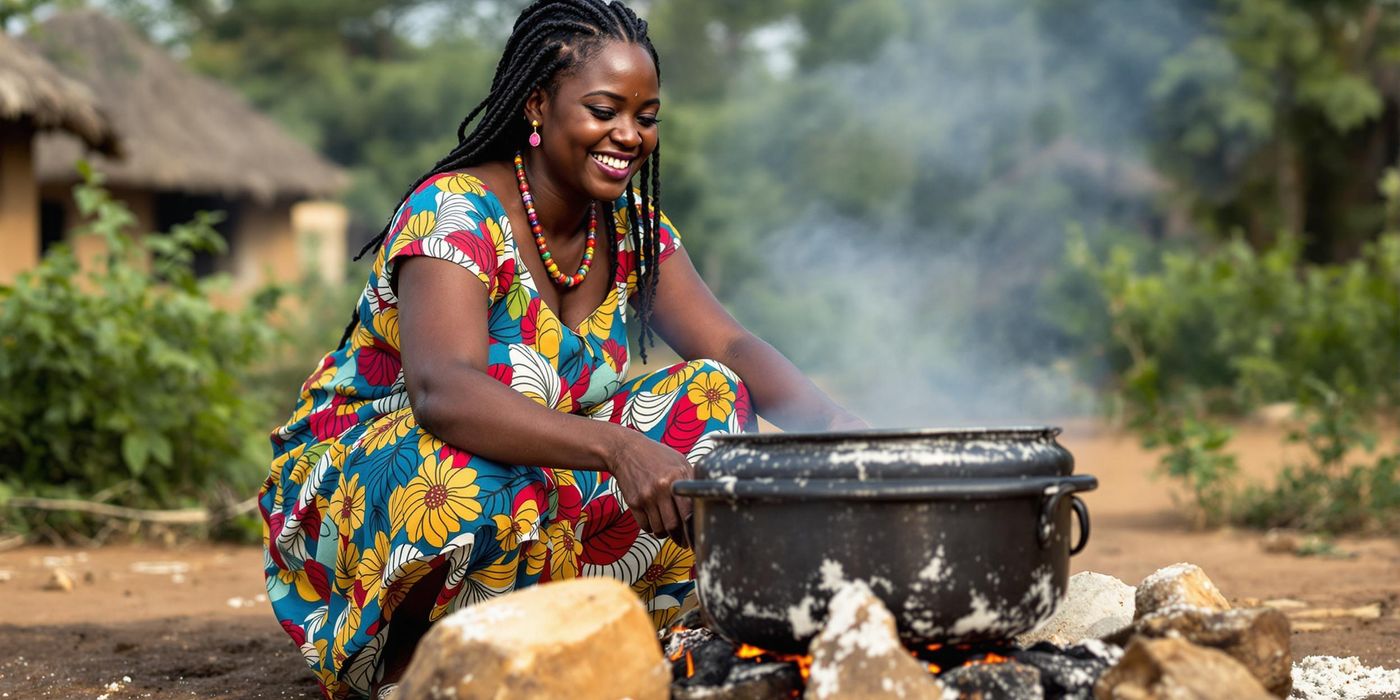
I remember once, while visiting my family in Malawi, I took a photo of my grandmother preparing nsima (a staple food made from maize flour) over an open fire. It wasn't a technically perfect photo, but every time I look at it, I can smell the smoke, hear her laughter, and feel the warmth of her love. That's the power of travel photography – it allows you to relive those precious moments and share them with others.
Being from Malawi, I always try to capture the spirit of the country through my photography. The warmth of the people, the vibrant colours of the markets, and the stunning landscapes all deserve to be shared. I aim to show the real Malawi, beyond the typical tourist snapshots.
Getting Started: Essential Gear for the Budding Travel Photographer
One of the most common questions I get is, What kind of camera do I need for travel photography? My answer is always the same: the best camera is the one you have with you! Whether it's a high-end DSLR, a simple point-and-shoot, or even your smartphone, you can capture amazing travel photos with whatever you have on hand.
When choosing a camera specifically for travel, it's important to consider weight and size. You don't want to be lugging around a heavy camera bag all day, especially if you're hiking or exploring a new city. A compact mirrorless camera or even a high-quality smartphone can be excellent choices for travel photography.
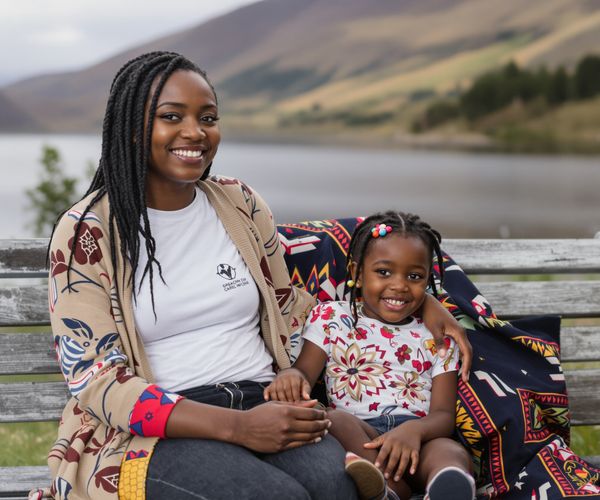
When considering purchasing a camera, megapixels, low light performance and sensor size are important factors. Megapixels determine the resolution of your images, while low light performance affects how well your camera performs in dimly lit environments. The sensor size also affects the image quality, particularly in low light. {image2}
Aside from the camera itself, there are a few essential accessories that every travel photographer should have. Extra batteries are a must, as you don't want to run out of power in the middle of capturing a breathtaking sunset. Memory cards are also crucial, as you'll likely be taking a lot of photos. And a reliable camera bag is essential for protecting your gear while you're on the go.
Lenses can enhance your photography, with a zoom lens around 24-70mm being a versatile option for travel. Tripods are also useful for low-light or landscape photography, but consider whether you want to carry the extra weight.
Composing Your Shot: Framing the Story
Composition is key to creating visually appealing and engaging travel photos. It's all about arranging the elements within your frame in a way that draws the viewer's eye and tells a story. There are several basic composition techniques that can help you improve your travel photography.
The rule of thirds is a classic technique that involves dividing your frame into nine equal parts with two horizontal and two vertical lines. Place key elements of your scene along these lines or at the points where they intersect to create a more balanced and dynamic composition. Leading lines, symmetry, patterns and foreground elements can also help draw the viewer's eye and create visually appealing images.
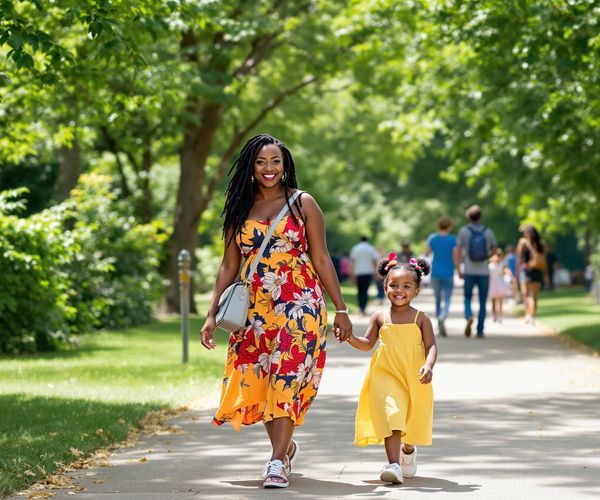
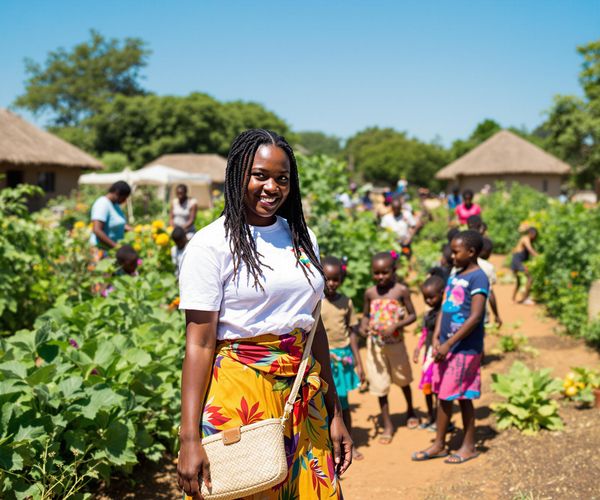
For example, in this photo I took in Venice {image3}, I used leading lines to draw the viewer's eye down the canal towards the Rialto Bridge. And in this photo from a market in Malawi, I used the rule of thirds to create a balanced and visually interesting composition {image4}.
Don't be afraid to experiment with different angles and perspectives to find unique compositions. Get down low, climb up high, and try shooting from different viewpoints to see what works best. The more you experiment, the more you'll develop your own unique style.
Light and Shadow: Understanding Natural Lighting
Light is the most important element in photography. It affects the mood, atmosphere, and overall look of your images. Understanding how to use natural light to your advantage can dramatically improve your travel photography.
The 'golden hours' (sunrise and sunset) and 'blue hour' are the best times to shoot, as they provide soft, warm light that is incredibly flattering. The light during these times is soft, diffused, and golden, creating a magical atmosphere that can transform even the most ordinary scene into something extraordinary.
Shooting in different lighting conditions, such as midday sun and overcast days, can be challenging, but there are ways to make it work. On a sunny day, try shooting in the shade or using a polarizing filter to reduce glare and reflections. On an overcast day, embrace the soft, diffused light and look for colorful subjects that will pop against the muted background.
In this photo I took in Zanzibar {image5}, I used the soft, golden light of sunset to create a warm and inviting image of a local fisherman casting his net. And in this photo from Scotland, I used reflectors to make the most of the available light {image6}.
Reflectors or natural surfaces can be used to bounce light onto your subject, filling in shadows and creating a more balanced exposure.
Capturing Candid Moments: Photographing People Respectfully
Photographing people in different cultures can be one of the most rewarding aspects of travel photography. But it's important to do so ethically and respectfully. Always ask for permission before taking someone's photo, and be mindful of local customs and traditions.
When photographing people, it's important to be unobtrusive and sensitive. Try to capture candid moments without being disruptive or intrusive. Smile, make eye contact, and show genuine interest in the people you're photographing.
I've had so many wonderful experiences photographing people in Malawi and other countries. I always try to connect with the people I photograph, learn about their lives, and share their stories. In this photo I took in a small village in Malawi {image7}, I spent several hours talking to the local women about their lives and their work. By the time I took their photo, we had built a genuine connection, and they were happy to share their smiles with me.
Photography is a powerful tool for building bridges between cultures and connecting with people from all walks of life.
Telling a Story Through Details: Focusing on the Small Things
Sometimes, the most compelling travel photos are the ones that focus on the small details that tell a story about a place and its culture. Instead of just capturing the big picture, pay attention to the little things that make a place unique.
Capture images of local cuisine, architecture, street scenes, and everyday life. Focus on the textures, colors, and patterns that define a place. Look for moments that capture the essence of a culture, whether it's a group of children playing in the street, a vendor selling spices at a market, or an elderly woman weaving a basket.
For example, in this photo I took in Marrakech {image8}, I focused on the colorful spices piled high in a market stall. And in this photo from Tokyo, I captured the intricate details of a traditional tea ceremony {image9}. By focusing on these smaller details, I was able to build up a comprehensive story of each place.
By focusing on smaller details, it's possible to build up a comprehensive story of a place. These details can be more evocative than a wide landscape shot.
Learn the basics of travel photography with Grace Banda. Capture memories, tell stories, and preserve the essence of your travels. Discover tips on composition, lighting, and ethical photography.