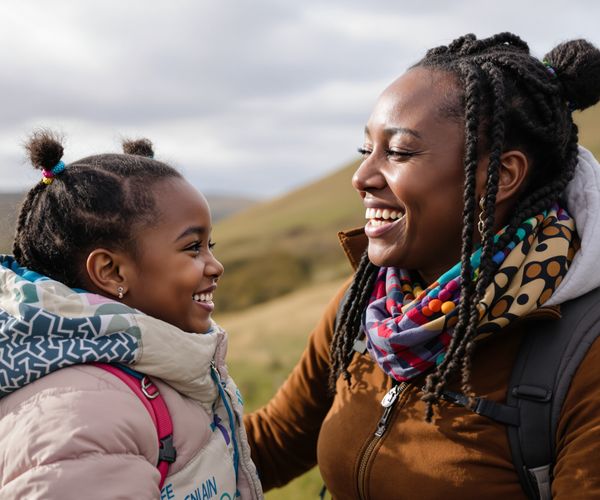
As a Malawian living in the UK, I've learned that travel is as much about preparation as it is about adventure. Whether I'm exploring the vibrant streets of Bristol or revisiting the familiar shores of Lake Malawi, safety is always top of mind. Over the years, I've gathered some essential tips to ensure a secure and worry-free journey, wherever you go. Let's dive into how you can stay safe while exploring new destinations.
Pre-Travel Preparations: Laying the Groundwork for a Safe Trip
Before you even pack your bags, a little research can go a long way. Start by understanding the local laws, customs, and potential risks of your destination. Knowledge is power, and knowing what to expect can help you avoid unnecessary trouble.
- Check travel advisories and government warnings. Resources like the U.S. Department of State's website provide valuable information on potential safety concerns.
- Consider registering with the U.S. Department of State's Smart Traveler Enrollment Program (STEP) for real-time safety updates. This ensures you receive alerts about safety conditions in your destination.
- Consult with a healthcare professional about necessary vaccinations and health precautions. Don't forget to assemble a comprehensive first-aid kit with necessary medications.
- Make copies of important documents like your passport, ID, and insurance information, and store them separately from the originals. Sharing these with a trusted contact at home is also a good idea.
- Inform your bank and credit card companies of your travel dates to prevent any holds on your accounts. There’s nothing worse than being stranded without access to your funds.
Travel Insurance: Your Safety Net Away from Home
Think of travel insurance as your trusty safety net. It’s something you hope you won’t need, but you’ll be incredibly grateful to have if things go wrong.
- Emergency medical coverage ensures you have access to healthcare in case of illness or injury. Check that your policy covers medical expenses, hospitalization, and even evacuation if necessary.
- Trip cancellation/interruption insurance protects your investment in case of unforeseen circumstances. Whether it's a sudden illness or a family emergency, this coverage can help you recoup non-refundable costs.
- Baggage loss/delay coverage provides compensation for lost, stolen, or delayed luggage. It's a small comfort when your belongings go missing, but it can ease the financial burden.
- Medical evacuation coverage covers the costs of emergency transportation to a medical facility. Especially important if you're traveling to remote areas.
- Consider Cancel For Any Reason (CFAR) coverage for maximum flexibility. While it's often more expensive, it gives you the option to cancel your trip for any reason and receive a partial refund.
- Always review policy exclusions and limitations carefully. Make sure you understand what's covered and what's not before you commit to a policy.
On-the-Road Precautions: Staying Aware and Alert
Once you're on the road, staying aware and alert is crucial. It's about trusting your instincts and making smart choices to protect yourself and your belongings.
- Be aware of your surroundings and avoid potentially dangerous areas. If a place feels unsafe, don't hesitate to leave.
- Protect your belongings from pickpockets and thieves. Keep your valuables close and be mindful of your bag in crowded places.
- Use secure accommodations and safeguard your travel documents. A hotel safe can be a good place to store your passport and other important items.
- Avoid sharing too much personal information with strangers. Be cautious about revealing details about your travel plans or where you're staying.
- Trust your instincts and remove yourself from uncomfortable situations. If something doesn't feel right, it probably isn't.
- Stay connected by purchasing a local SIM card or using a portable Wi-Fi hotspot. This allows you to stay in touch with loved ones and access important information.
- Use reliable transportation services and avoid unmarked taxis. Opt for reputable taxi companies or ride-sharing services.
- Be cautious when consuming food and drinks, especially in unfamiliar places. Stick to bottled water and be wary of street food that may not be prepared hygienically.
Family Travel Safety: Keeping Your Loved Ones Safe
Traveling with family, especially with my daughter Thandi, requires extra planning and consideration. It's about creating a safe and enjoyable experience for everyone.
- Research family-friendly destinations and activities. Look for places that offer age-appropriate entertainment and amenities.
- Create a safety plan with your children, including emergency contact information and meeting points. Make sure they know what to do if they get lost.
- Use child safety seats and restraints when necessary. This is especially important when renting cars or using local transportation.
- Keep children occupied during travel to minimize restlessness and potential hazards. Pack books, games, and other activities to keep them entertained.
- Teach children about water safety and set clear rules around pools and other bodies of water. Always supervise them closely when they're near water.
- Pack a child safety ID kit with recent photos and medical information. This can be invaluable if your child goes missing.
- Consider using family ID bracelets or tracking devices. These can help you keep track of your children in crowded places.
Solo Female Travel Safety: Empowering Women to Explore the World Confidently
As a woman, I understand the unique safety considerations that come with traveling alone. However, that shouldn't deter you from exploring the world on your own terms.
- Choose your destination with care and research potential safety concerns. Look for places that are known for being safe and welcoming to solo female travelers.
- Share your itinerary with a trusted friend or family member and stay in regular contact. Let them know your plans and check in with them regularly.
- Never reveal that you are traveling alone. If someone asks, say you're meeting up with friends or family later.
- Dress appropriately for the local culture to avoid unwanted attention. Research local customs and dress codes before you go.
- Learn basic self-defense techniques and carry a personal safety alarm. These can give you a sense of confidence and help you deter potential attackers.
- Connect with other travelers through female travel apps and online communities. These can be a great source of support and advice.
- Avoid getting too intoxicated and stay aware of your surroundings. It's important to be alert and in control of your actions.
- Utilize safety apps that can send alerts to emergency contacts or make loud noises. These can be a valuable tool in case of an emergency.
Emergency Preparedness: Knowing What to Do When Things Go Wrong
No one wants to think about things going wrong, but it's essential to be prepared for emergencies. Knowing what to do in a crisis can make all the difference.
- Know the local emergency numbers for police, fire, and ambulance. Program them into your phone for easy access.
- Contact the nearest U.S. embassy or consulate in case of a crisis. They can provide assistance with lost passports, medical emergencies, and other issues.
- Keep emergency contact information readily available, including phone numbers and email addresses. Share this information with a trusted contact at home.
- Understand how to report a lost or stolen passport. The process can vary depending on your location, so do your research in advance.
- Familiarize yourself with the location of the nearest hospitals and medical facilities. This can save valuable time in an emergency.
- Utilize satellite communication devices in areas with unreliable cellular coverage. This is especially important if you're traveling to remote areas.
Essential safety tips for travelers to ensure a secure and worry-free journey wherever they go.