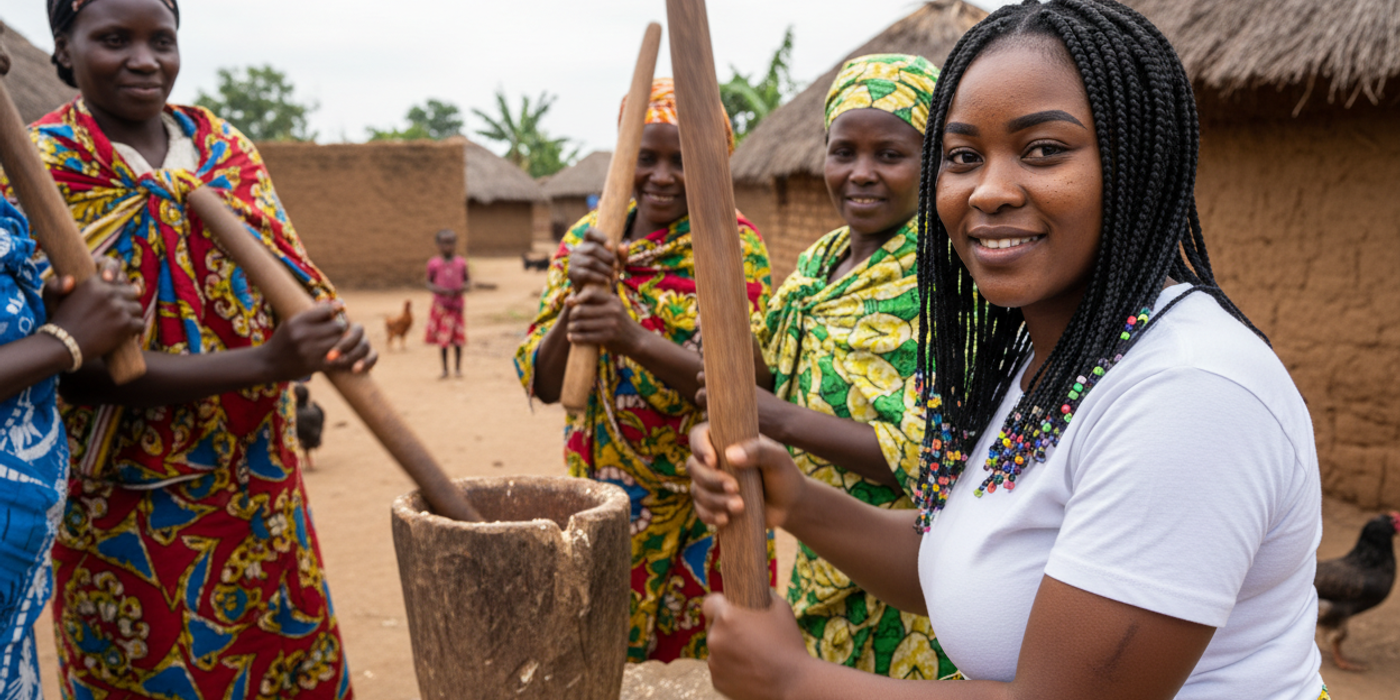
Traveling offers a unique opportunity to not just see new places, but to truly connect with the people who call them home. As a Malawian living in the UK, I’ve always believed that the most rewarding travel experiences come from genuine cultural exchange. It’s about more than just ticking off landmarks; it’s about opening your heart and mind to different ways of life. Let's explore how to make those connections more meaningful.
Embracing Empathy and Curiosity
The foundation of any successful cultural exchange is empathy and curiosity. Approach every interaction with an open mind and a genuine desire to learn. Don't judge or compare, simply observe and try to understand. It's about recognizing that your way of doing things isn't the only way, or necessarily the best way.
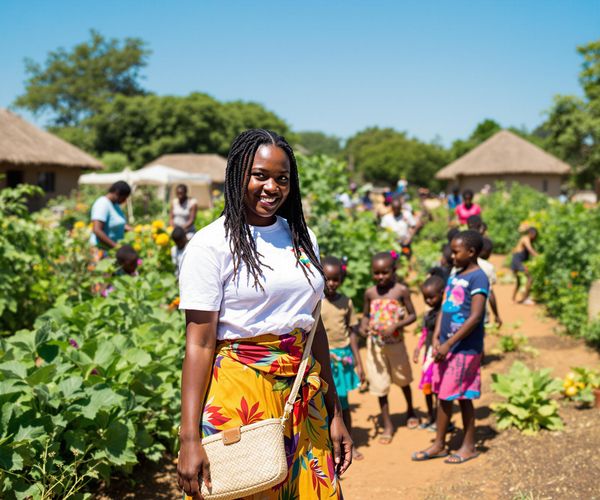
I remember once being in a small village in rural Malawi, eager to learn about traditional cooking methods. Instead of just watching, I asked if I could help. What started as a clumsy attempt to grind maize turned into an afternoon of laughter, shared stories, and a deeper understanding of the community's values. It was a simple act of curiosity that led to a profound connection.
Empathy is equally crucial. Put yourself in the shoes of the people you meet. Consider their history, their challenges, and their perspectives. This will help you appreciate their culture on a deeper level and avoid unintentional offenses.
Mastering Basic Communication
Learning a few basic phrases in the local language is a sign of respect and can significantly enhance your interactions. It shows that you're making an effort to connect, and it can open doors that would otherwise remain closed.
Here are a few essential phrases to learn before your next trip:
- Hello
- Thank you
- Please
- Excuse me
- How much does this cost?
Even a simple “Zikomo” (thank you in Chichewa, one of Malawi's languages) can go a long way. I've found that locals are often more willing to help and share their culture when they see that you're making an effort to communicate in their language.
Understanding Cultural Norms and Etiquette
Every culture has its own set of norms and etiquette, and it's important to be aware of these to avoid unintentional offenses. Researching these norms before your trip can make a big difference.
For example, in some cultures, it's considered rude to make direct eye contact, while in others, it's a sign of respect. Dining customs can also vary widely. In some countries, it's customary to eat with your hands, while in others, it's considered impolite. Greetings can also differ significantly, ranging from handshakes to bows to cheek kisses.
Before you travel, consult guidebooks, online resources, and experienced travelers to learn about the cultural norms of your destination. Websites like Culture Crossing and Expatica can provide valuable insights.
Participating in Community Events and Activities
One of the best ways to immerse yourself in a culture is to participate in local community events and activities. This could include attending local festivals, visiting markets, or volunteering with local organizations.
During my travels, I've had the opportunity to participate in several community events in Malawi. I've attended traditional dances, helped with community clean-up projects, and even participated in a local football match. These experiences have given me a deeper understanding of the community's values and traditions.
Respecting Sacred Sites and Traditions
When visiting religious or cultural landmarks, it's essential to respect sacred sites and traditions. This means dressing appropriately, behaving respectfully, and following any guidelines or rules that are in place.
In Malawi, many sacred sites are associated with traditional beliefs and practices. When visiting these sites, it's important to ask for permission from local elders and to follow their guidance. This may involve removing your shoes, covering your head, or making a small offering.
I remember visiting a sacred grove in northern Malawi with a group of local guides. Before entering the grove, we were asked to remove our shoes and to remain silent. We were also told about the history and significance of the grove, and we were given the opportunity to make a small offering to the spirits of the ancestors.
Supporting Local Businesses and Artisans
Supporting local businesses and artisans is a great way to contribute to sustainable tourism and cultural preservation. When you purchase locally made products and services, you're helping to support the local economy and to preserve traditional crafts and skills.
In Malawi, there are many talented artisans who produce beautiful crafts, including wood carvings, pottery, and textiles. By purchasing these crafts, you're not only getting a unique souvenir, but you're also helping to support the livelihoods of these artisans.
I always make a point of visiting local markets and craft shops when I travel. I love learning about the stories behind the products and meeting the people who made them.
Being Mindful of Non-Verbal Communication
Non-verbal communication, such as body language and gestures, can vary significantly between cultures. It's important to be aware of these differences to avoid misunderstandings.
For example, in some cultures, nodding your head means “yes,” while in others, it means “no.” Similarly, a thumbs-up gesture can be seen as positive in some cultures, but offensive in others. Eye contact, personal space, and tone of voice can also have different meanings in different cultures.
When interacting with locals, pay attention to their body language and gestures. If you're unsure about something, it's always best to ask for clarification.
The Art of Reciprocity
Cultural exchange is a two-way street. It's not just about learning about other cultures; it's also about sharing your own culture with others. This could involve cooking traditional dishes, sharing stories, or teaching a skill.
During my travels, I've often shared Malawian culture with others by cooking nsima (a staple food made from maize flour) and sharing stories about my childhood in Chilumba. I've also taught people how to play bao, a traditional African board game.
Sharing your culture is a great way to build bridges and create lasting connections. It also helps to challenge stereotypes and promote understanding.
Unlock meaningful travel experiences by engaging with local cultures authentically. Learn to embrace empathy, master basic communication, and respect traditions for a richer journey.