Traveling opens our eyes to the world, but true enrichment comes from engaging respectfully with the cultures we encounter. It's about moving beyond the surface and fostering genuine connections. As someone who grew up in Malawi and now calls the UK home, I've learned that cultural exchange is a beautiful dance of mutual understanding and appreciation. Join me as we explore how to make your travels more meaningful and respectful.
Understanding Cultural Exchange
Cultural exchange is more than just visiting a new place; it's a reciprocal process where travelers and local communities learn from each other. It's about sharing experiences, traditions, and perspectives, fostering global understanding and empathy. When done right, cultural immersion enriches both the traveler and the host community, creating lasting positive impacts.
For travelers, cultural immersion offers a chance to broaden their horizons, challenge their assumptions, and gain a deeper understanding of the world. It can lead to personal growth, increased creativity, and a greater appreciation for diversity. For local communities, it can bring economic benefits through tourism, promote cultural preservation, and foster a sense of pride in their heritage.
However, it's crucial to acknowledge the potential pitfalls. Disrespectful cultural interactions can lead to misunderstandings, offense, and even harm. It's our responsibility as travelers to be mindful of our impact and strive to engage in a way that is respectful and beneficial to all.
Research and Preparation: Your First Step
Before you even pack your bags, take the time to research the customs, traditions, and etiquette of your destination. Understanding the local culture is essential for showing respect and avoiding unintentional offense. Knowledge is the key to unlocking meaningful interactions.
There are numerous resources available to help you learn about a destination's culture. Books, websites, and cultural organizations can provide valuable insights into local customs, history, and social norms. Don't underestimate the power of a good guidebook or documentary!
One small but significant gesture is learning basic phrases in the local language. Even a simple hello or thank you can go a long way in showing respect and willingness to connect. It demonstrates that you've made an effort to understand and appreciate their culture.
I also recommend exploring resources like Slow Food Travel, which connects you with local food producers and artisans. This offers a unique opportunity to learn about the culinary traditions of a region while supporting sustainable tourism.
Engaging with Local Communities Respectfully
When you arrive at your destination, seek out opportunities to interact with locals in a respectful and meaningful way. Engage in conversations, ask questions, and show genuine interest in their lives and experiences. Remember, you are a guest in their home.
Supporting local businesses and initiatives is another great way to contribute to the community. Eat at local restaurants, buy handicrafts from local artisans, and stay in locally-owned accommodations. These actions not only provide economic benefits but also help preserve local traditions and livelihoods.
Be mindful of appropriate behavior in public spaces and religious sites. Dress modestly when visiting religious sites, avoid loud or disruptive behavior, and always ask for permission before taking photos of people. Understanding and respecting local customs is paramount.
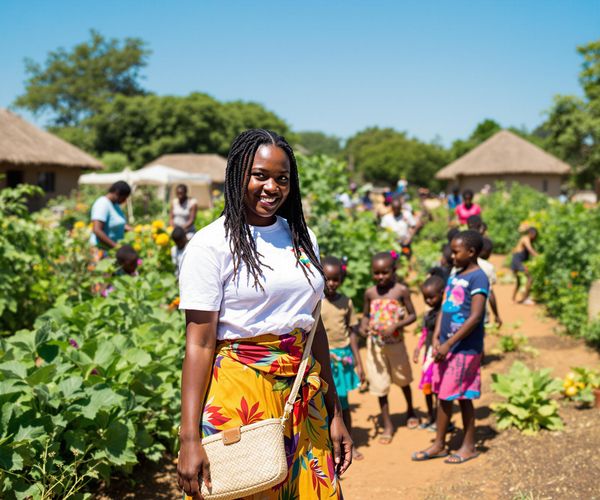
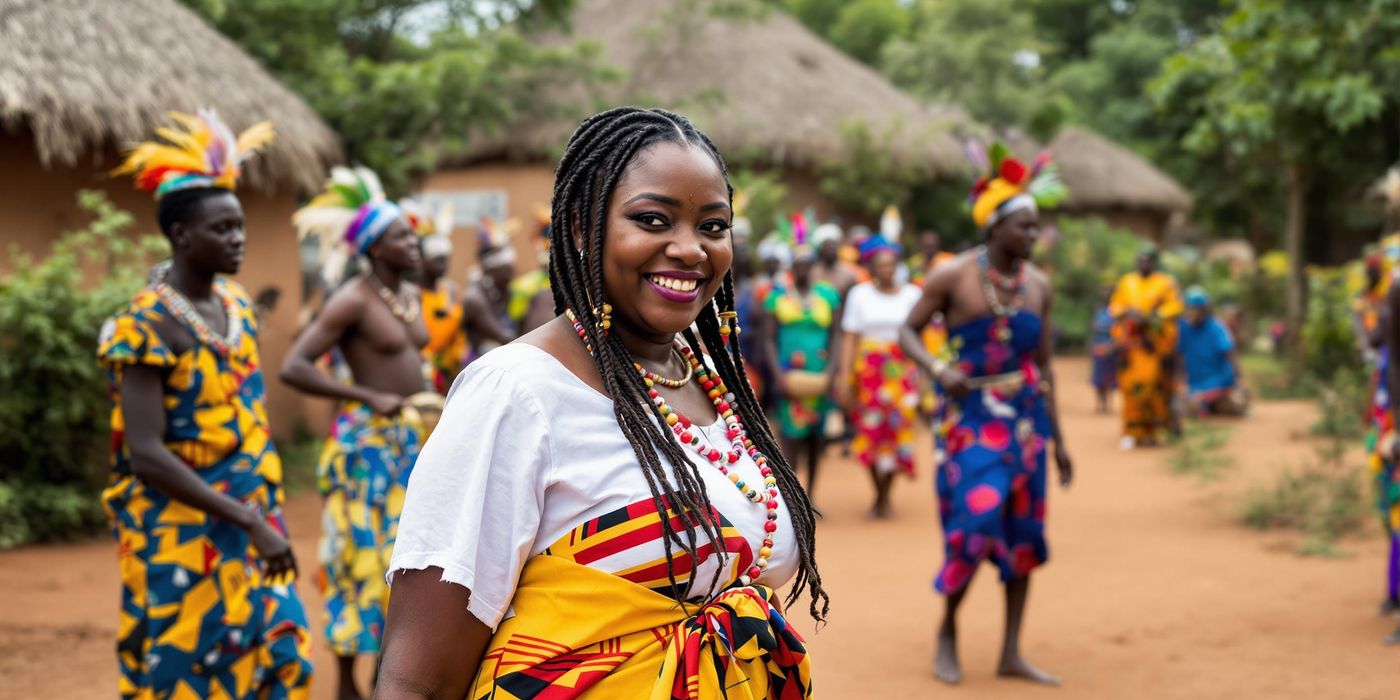
I remember once in a small village in Malawi, I was invited to a traditional dance ceremony. I made sure to dress respectfully, observe the customs, and participate with enthusiasm. By showing genuine interest and respect, I was welcomed with open arms and shared an unforgettable experience.
The Dos and Don'ts of Cultural Immersion
To help you navigate the complexities of cultural immersion, here's a list of dos and don'ts:
- Do: Research local customs before you go.
- Do: Learn basic phrases in the local language.
- Do: Dress modestly when visiting religious sites.
- Do: Support local businesses and initiatives.
- Do: Be open-minded and adaptable.
- Don't: Make assumptions or stereotypes.
- Don't: Behave in a loud or disruptive manner.
- Don't: Take photos of people without their permission.
- Don't: Bargain aggressively or disrespectfully.
- Don't: Criticize local customs or traditions.
For example, in some cultures, pointing with your finger is considered rude. In others, bargaining is expected, while in others, it's seen as disrespectful. Understanding these nuances can make a big difference in your interactions.
Fostering Genuine Connections
The most rewarding travel experiences come from building genuine connections with locals. Take the time to initiate conversations, listen to their stories, and show genuine interest in their culture. Share your own culture and experiences in a thoughtful and sensitive manner.
Consider staying in locally-owned accommodations or homestays. This provides a unique opportunity to immerse yourself in the local culture and build relationships with your hosts. Share meals with them, learn about their daily lives, and participate in local activities.
Participating in local events and festivals is another fantastic way to connect with the community. Attend a traditional music performance, a local market, or a religious celebration. These events offer a glimpse into the heart and soul of the culture.
Avoiding Cultural Missteps
Despite our best efforts, cultural misunderstandings can still occur. It's important to be aware of common cultural faux pas and how to handle them with grace and humility. If you make a mistake, apologize sincerely and try to learn from it.
For example, in some cultures, direct eye contact is considered a sign of respect, while in others, it's seen as confrontational. Similarly, certain gestures that are harmless in one culture may be offensive in another. Researching these differences can help you avoid unintentional offense.
Ultimately, the key is to be open-minded, adaptable, and willing to learn from your mistakes. Embrace the opportunity to expand your understanding of the world and connect with people from different backgrounds. Remember, travel is a journey of discovery, both of the world and of ourselves.
Learn how to travel respectfully and engage with local communities in a meaningful way. Discover tips for cultural exchange, avoiding missteps, and fostering genuine connections on Evendo's travel blog.