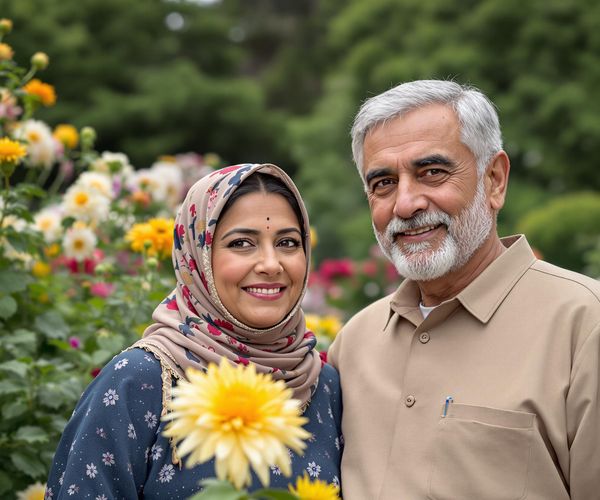
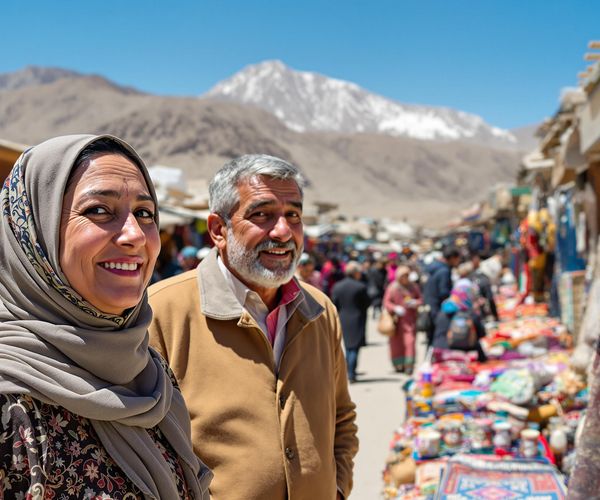
From the rugged landscapes of Bamyan to the bustling streets of Toronto, my journey has been a tapestry woven with threads of culture, resilience, and, most importantly, the universal language of food. I'm Gul Ahmadi, and I invite you to join me on a culinary adventure that transcends borders and celebrates the rich diversity of flavors our world has to offer.
My Culinary Journey: From Bamyan to Toronto
My earliest memories are steeped in the aromas of my mother's kitchen in Bamyan, Afghanistan. The rhythmic clang of the mortar and pestle as she ground spices, the gentle simmer of qorma on the stove, and the communal warmth of sharing a meal with family – these are the moments that shaped my love for cooking. Food was more than sustenance; it was a symbol of our heritage, a bond that held us together through thick and thin.
When my family and I arrived in Canada as refugees, we carried more than just our belongings; we carried our culinary traditions. Adapting Afghan cuisine to Canadian ingredients was both a challenge and a joy. Finding substitutes for familiar spices and vegetables required creativity, but it also opened up new possibilities. I learned to appreciate the freshness of locally sourced produce and discovered how to infuse traditional dishes with a unique Canadian twist. It was through food that I began to build bridges with my new community, sharing my culture and learning about theirs.
Understanding the Cultural Significance of Food
Food is a powerful connector. It transcends language barriers, fosters understanding, and preserves cultural heritage. In Toronto, a city renowned for its multiculturalism, food has been my gateway to connecting with people from all walks of life. Whether it's sharing a plate of mantu with my neighbors or participating in a community potluck, food has always been the centerpiece of meaningful interactions.
It's crucial to approach different cuisines with respect and an open mind. Understanding the origins and traditions behind a dish adds depth to the culinary experience. Take, for example, the simple act of making tea. In Afghanistan, tea is more than just a beverage; it's a symbol of hospitality and friendship. The way it's prepared, served, and shared reflects our values and customs. By appreciating these nuances, we can gain a deeper understanding of other cultures.
Essential Spices and Ingredients from Around the World
Spices are the soul of many cuisines, adding depth, complexity, and character to dishes. Saffron, the crimson threads harvested from the Crocus sativus flower, is a prized ingredient in Afghan and Iranian cuisine, lending a delicate aroma and vibrant color to rice dishes and desserts. Curry powder, a blend of spices originating from India, is a staple in curries and stews, offering a warm and aromatic flavor. Za'atar, a Middle Eastern spice blend made from dried herbs, sesame seeds, and sumac, adds a tangy and earthy note to breads, dips, and salads.
Sourcing high-quality ingredients is essential for creating authentic and flavorful dishes. Toronto boasts a diverse array of local markets and specialty stores where you can find spices, herbs, and other ingredients from around the world. Kensington Market is a treasure trove of international flavors, offering everything from Caribbean spices to Vietnamese herbs. Little India on Gerrard Street is a vibrant hub for Indian groceries and spices. Don't be afraid to explore and experiment with new ingredients – you never know what culinary gems you might discover.
Simple Recipes to Start Your Global Culinary Adventure
Ready to embark on your own culinary journey? Here are a few simple recipes to get you started:
- Afghan Mantu (Dumplings) with a Canadian Twist:
These steamed dumplings are a beloved Afghan comfort food. I like to use locally sourced ground beef and incorporate seasonal vegetables like butternut squash or spinach for a Canadian twist. The dumplings are typically topped with a yogurt-garlic sauce and a sprinkle of dried mint.
- Thai Green Curry with Coconut Milk:
This fragrant curry is a staple in Thai cuisine. The key ingredients are green curry paste, coconut milk, lemongrass, ginger, and Thai basil. You can add your choice of protein and vegetables, such as chicken, shrimp, bamboo shoots, and bell peppers. Serve with steamed rice for a complete and satisfying meal.
- Mexican Street Corn Salad:
This vibrant salad captures the flavors of Mexican street corn, also known as elote. I like to use fresh Canadian corn, grilled to perfection and then tossed with a creamy sauce made from mayonnaise, lime juice, chili powder, and cotija cheese. A sprinkle of cilantro adds a fresh and zesty finish.
Tips for Incorporating Global Flavors into Everyday Cooking
Don't be afraid to experiment! Start by adding a pinch of a new spice to your favorite dishes or trying a different cooking technique. Adapt traditional recipes to suit your personal tastes and dietary preferences. If you're vegetarian, substitute meat with tofu or lentils. If you're gluten-free, use gluten-free flour or alternative grains.
Toronto offers a wealth of culinary resources, from cooking classes to workshops. Check out local community centers and culinary schools for opportunities to deepen your knowledge and skills. Participating in these activities is a great way to connect with fellow food enthusiasts and learn from experienced chefs.
Cooking across borders is more than just following recipes; it's about embracing new cultures, expanding your horizons, and creating meaningful connections through food. So, step into your kitchen, open your mind, and let your culinary journey begin!
Embark on a culinary journey with Gul Ahmadi as she shares her experiences cooking global flavors, from her Afghan roots to her Toronto kitchen.