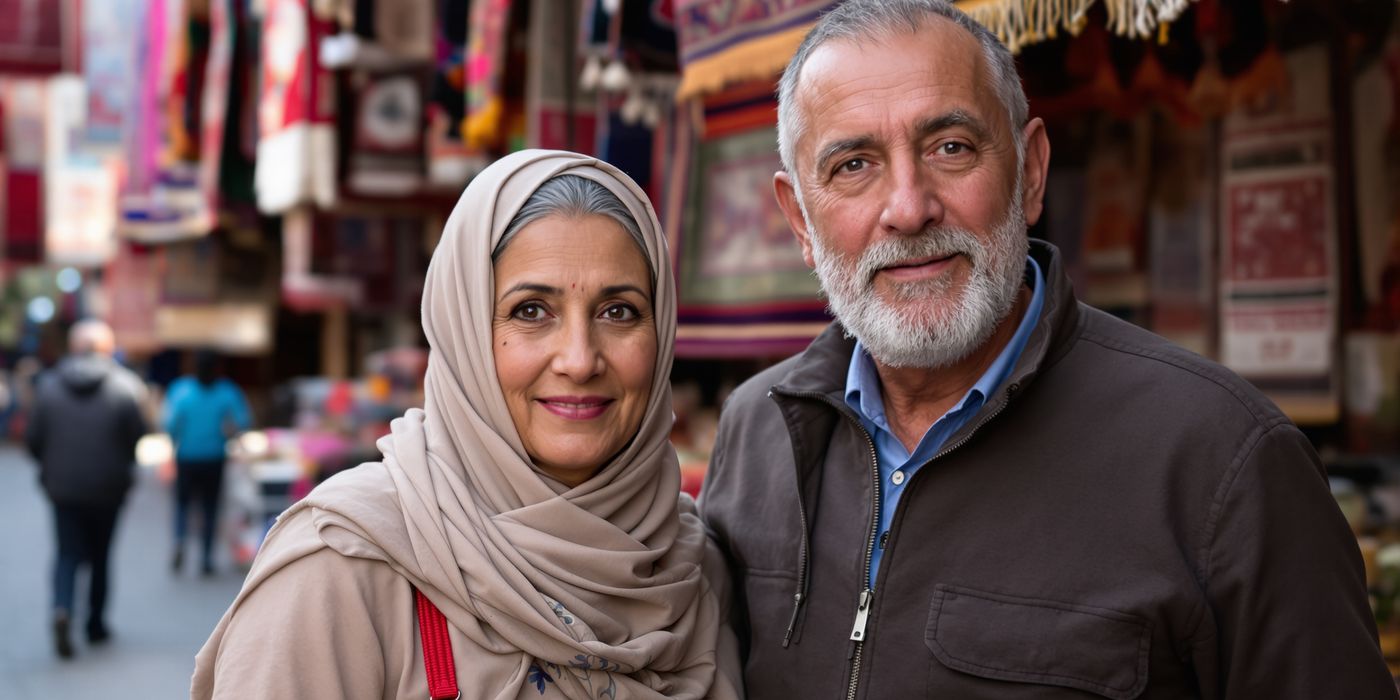
As someone who has journeyed from the heart of Afghanistan to the vibrant streets of Toronto, I've learned that travel is more than just seeing new places; it's about understanding and respecting the cultures that make those places unique. In my years of exploring, I've discovered that cultural sensitivity is the key to unlocking truly meaningful travel experiences. Join me as I share some essential tips for navigating cultural differences with grace and respect.
Understanding Cultural Sensitivity
Cultural sensitivity, in the context of travel, is about being aware of and respecting the cultural norms, values, and beliefs of the people and places you visit. It's about approaching new cultures with an open mind and a willingness to learn, rather than imposing your own cultural perspectives.
Why is this so important? Because travel has the power to build bridges between people, to foster mutual respect, and to preserve cultural heritage. When we travel with cultural sensitivity, we contribute to a more understanding and harmonious world. It allows us to connect with locals on a deeper level and appreciate the richness and diversity of human experience.
Researching Your Destination
Before you even pack your bags, take the time to research the local customs, traditions, and social norms of your destination. This preparation is crucial for showing respect and avoiding unintentional offenses.
There are many resources available to help you with your cultural research. Travel guides, websites, and cultural blogs can provide valuable insights. Don't hesitate to delve into academic articles or documentaries for a more in-depth understanding. Look for resources created by people from the culture you plan to visit to gain authentic insights.
Key areas to research include greetings, gestures, dress codes, and dining etiquette. For instance, in some cultures, direct eye contact is considered disrespectful, while in others, it's a sign of sincerity. Understanding these nuances can make a big difference in how you're perceived by locals.
Communicating Respectfully
One of the most impactful ways to show respect is by learning a few basic phrases in the local language. Even a simple hello, thank you, or excuse me can go a long way in building rapport and demonstrating your genuine interest in the culture.
Non-verbal communication is equally important. Be mindful of your body language and personal space. Avoid gestures or expressions that might be considered offensive or disrespectful in the local context. For example, the thumbs-up gesture, which is positive in many Western countries, can be offensive in parts of the Middle East.
Active listening is another key component of respectful communication. Show genuine interest in local perspectives and be open to hearing different viewpoints. Ask questions and engage in conversations with locals to learn more about their lives and experiences.
Respecting Local Customs and Traditions
Dressing appropriately is a fundamental aspect of respecting local customs and traditions. This is especially important when visiting religious sites or conservative areas. Research the local dress codes and adhere to them as closely as possible.
When visiting religious sites, be sure to follow the rules regarding dress, behavior, and photography. Remove your shoes when required, cover your head if necessary, and maintain a respectful demeanor. Avoid loud conversations or disruptive behavior.
Participating in local traditions and festivals can be a wonderful way to immerse yourself in the culture. However, it's important to do so with reverence and respect. Ask for permission before taking photos and avoid behaviors that might be considered disrespectful or disruptive.
Avoiding Cultural Missteps
Despite your best efforts, you may still encounter cultural faux pas. Some common mistakes include using the left hand for eating in certain cultures or making specific gestures that are considered offensive.
If you unintentionally offend someone, apologize sincerely and try to learn from your mistake. Cultural misunderstandings are inevitable, but it's how you handle them that matters. Be open-minded, patient, and adaptable when encountering unfamiliar situations.
Remember that cultural sensitivity is a journey, not a destination. There will be times when you make mistakes, but the key is to learn from those mistakes and continue to grow in your understanding and appreciation of different cultures.
Engaging with Local Communities
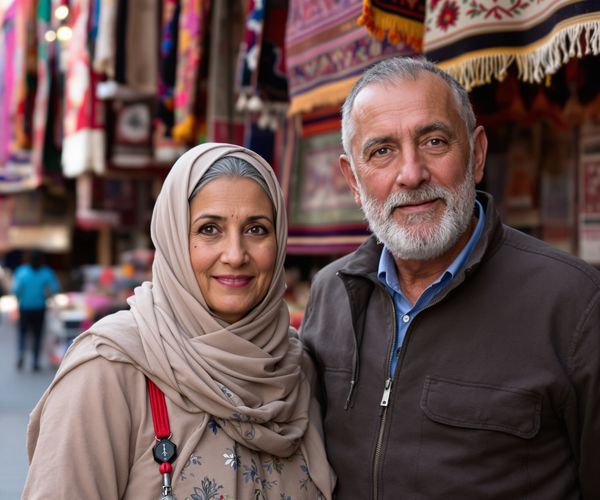
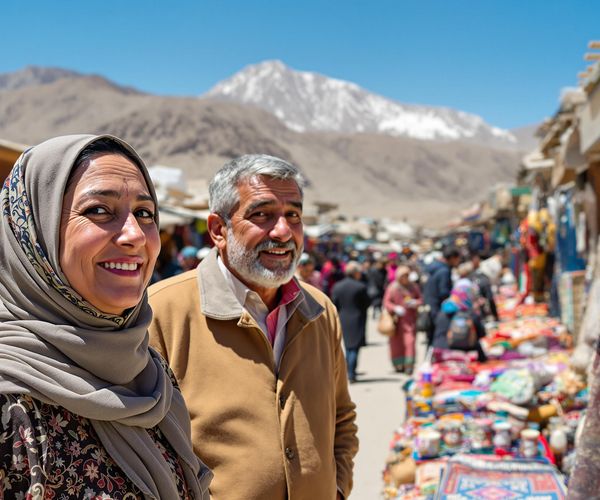
One of the best ways to promote ethical and responsible travel is by supporting local businesses and artisans. Shop at local markets, eat at family-owned restaurants, and purchase handicrafts directly from the people who make them.
Consider participating in cultural exchange programs or homestays to engage respectfully with locals. These experiences offer a unique opportunity to learn about the culture from the inside out and build meaningful connections with the community.
When interacting with locals, be mindful of your impact on the environment and the local economy. Avoid activities that might exploit or harm the community. Choose sustainable tourism options that benefit both the traveler and the host community.
Real-Life Examples of Cultural Learning Experiences
I recall a time in Marrakech when I accidentally bargained too low for a rug, unaware of the artisan's struggle to provide for his family. His gentle explanation opened my eyes, and I not only paid a fair price but also learned a valuable lesson about the true cost of handmade goods. This experience taught me the importance of understanding the economic realities of the communities I visit.
In Kyoto, I initially felt awkward participating in a traditional tea ceremony, unsure of the proper etiquette. However, with the patient guidance of the tea master, I not only learned the rituals but also gained a deeper appreciation for the philosophy behind the ceremony. This experience showed me how embracing unfamiliar customs can lead to profound cultural insights.
These experiences, and countless others, have shaped my understanding of the world and enriched my life in immeasurable ways. By traveling with cultural sensitivity, you too can create meaningful connections, foster mutual respect, and contribute to a more understanding and harmonious world. Remember, the journey is not just about the places we see, but the people we meet and the lessons we learn along the way.
Explore the world with respect and understanding. Learn essential tips for navigating cultural differences, fostering meaningful connections, and enriching your travel experiences.